

About The Hollow Alchemist
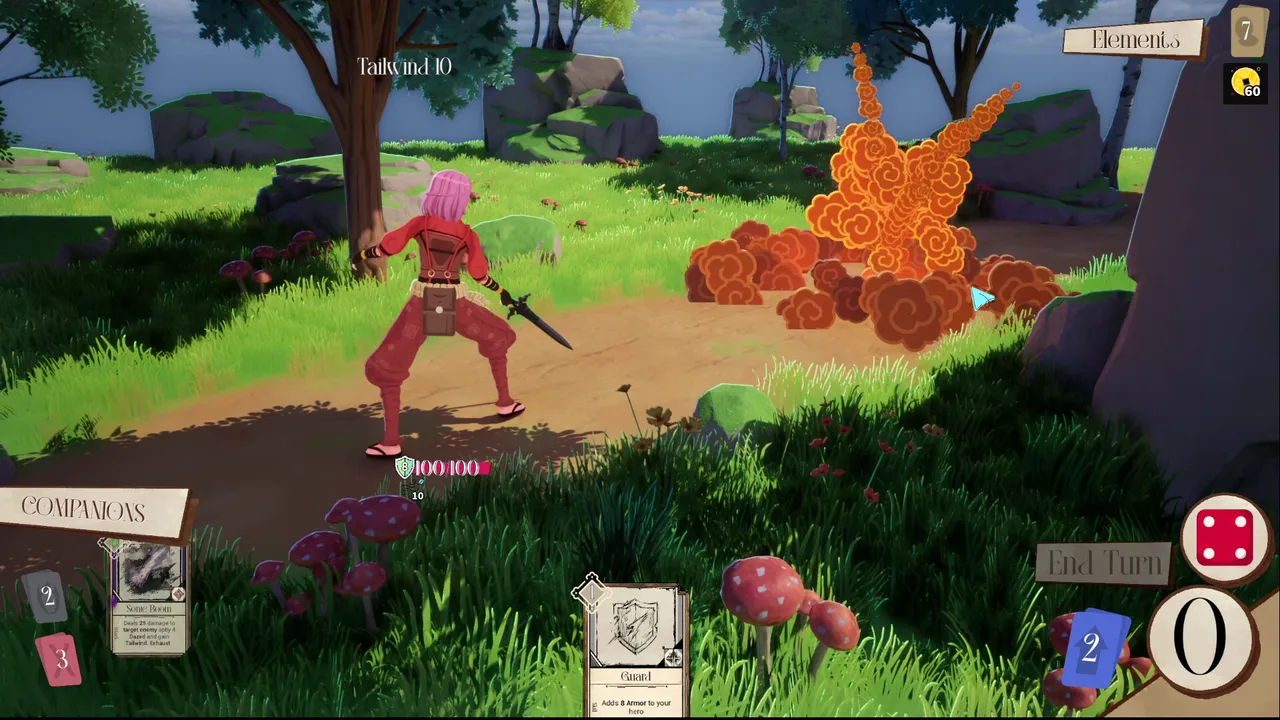
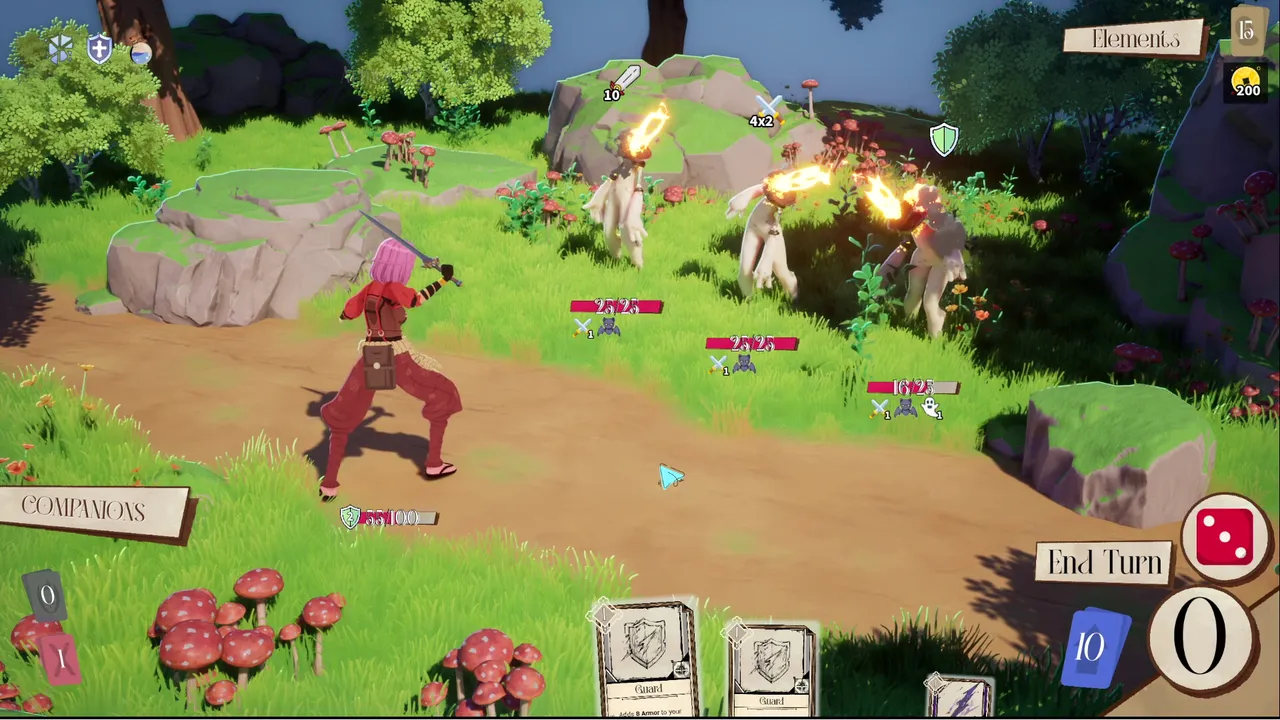
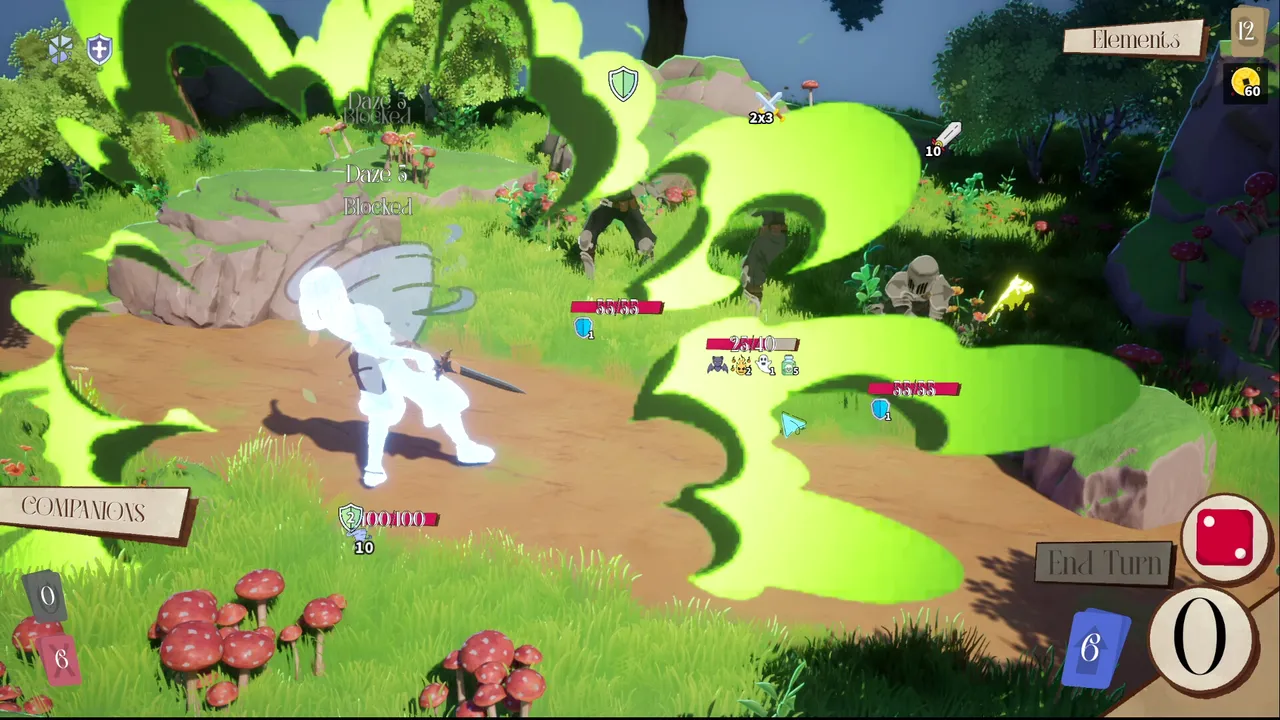
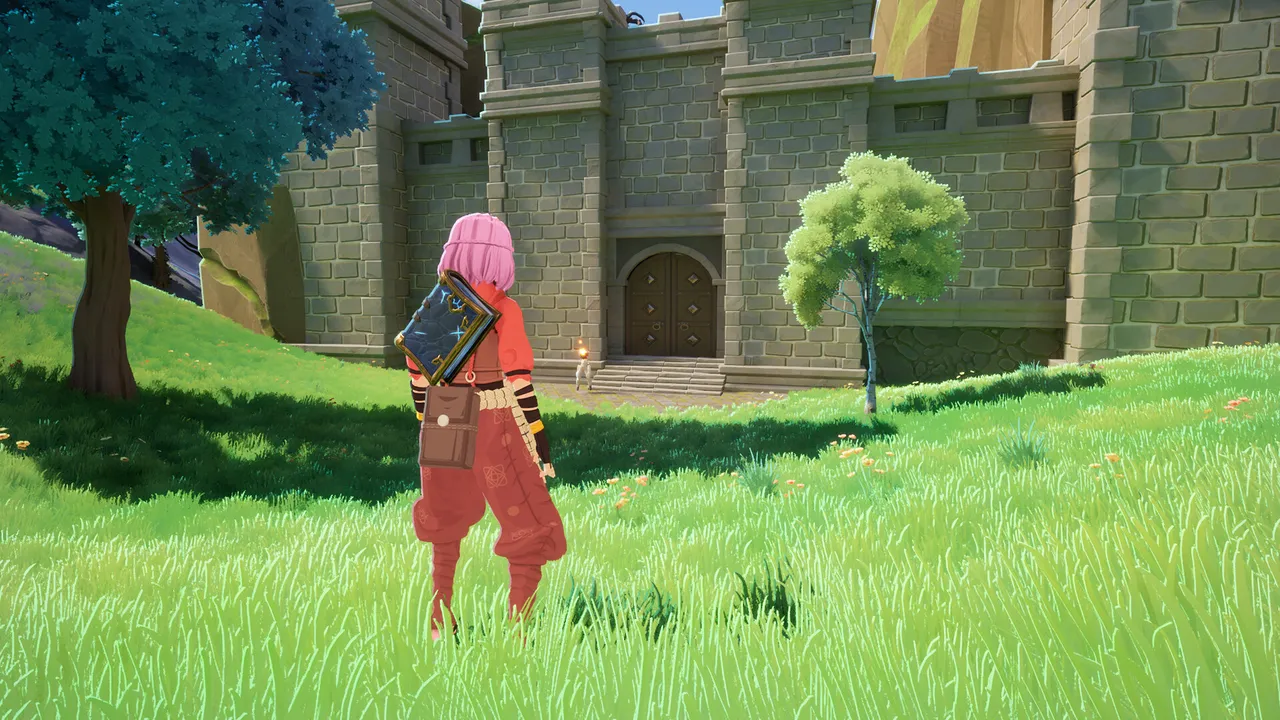
The Hollow Alchemist releases July 17, 2026 on PC as a roguelike deckbuilder where buffs function as actual alchemy—water extinguishes burn, wind amplifies it, earth absorbs water. The core hook is that every effect you stack reacts to every other one, turning deck construction from a freeform puzzle into something closer to elemental chemistry. You are not just adding good cards; you are building chains that matter because they interact according to rules drawn from real alchemical principles.
You play Fumiko, a homunculus born without sin, a blank slate in a world of creatures each embodying one cardinal vice—pride, wrath, greed and the rest. She travels east with companions, each with their own histories and voices, crossing deserts, jungles, ruins and holy empires. The narrative wraps around the roguelike structure, meaning each run fragments story, lore and character moments rather than playing them as one linear thread. The world itself carries weight: alchemists once tried to forge perfect life, failed, and left the Humunculi as both scars and legacy.
Alchemy as the binding system
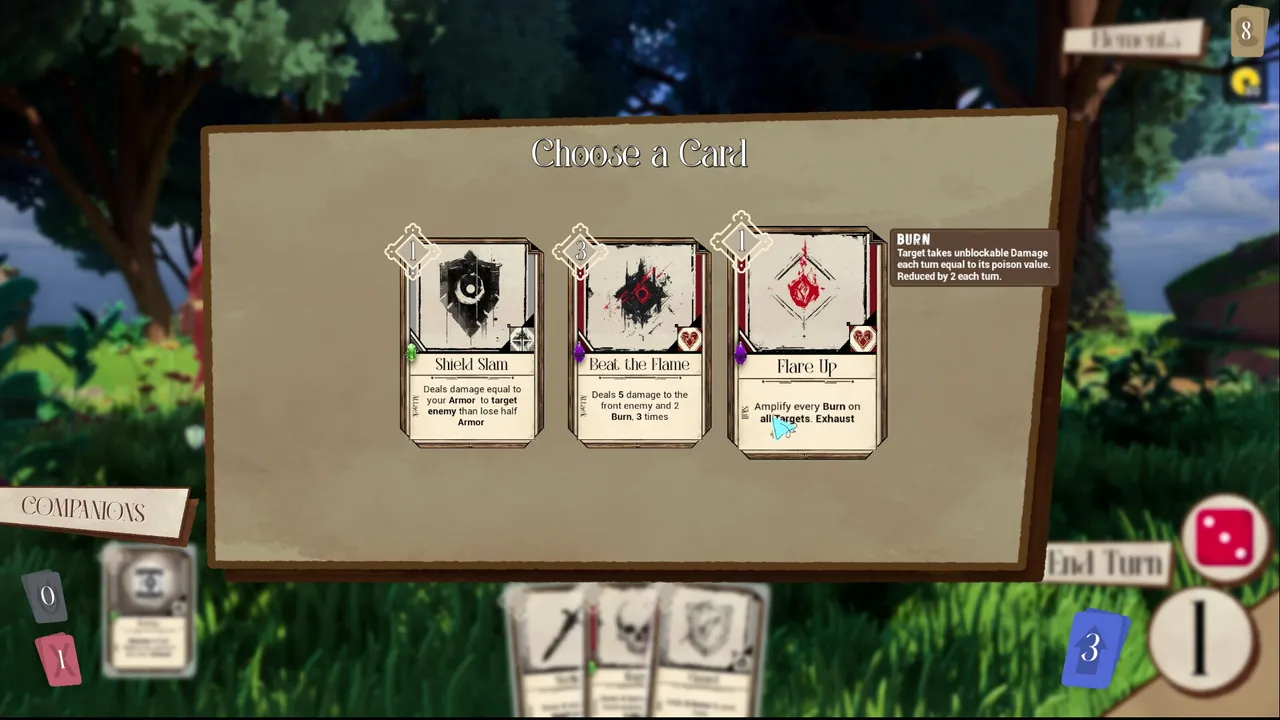
Where The Hollow Alchemist takes a genuine risk is making its buff interactions the whole game instead of window dressing. Most deckbuilders treat synergy as a bonus layer—play cards that work well together and you win faster. Here, the reactive systems appear to be mandatory: water quenches burn, wind buffs increase burn damage, earth absorbs water damage. This means deck building forces you to understand which buffs chain and which cancel, turning composition from a strategic choice into a question of elemental fluency. The tension is real: a card might be strong in isolation but weak if it negates your other buffs, or it might unlock chains you had not considered. Whether this depth keeps the strategic space fresh across dozens of runs without becoming a solved puzzle is the question the game must answer.
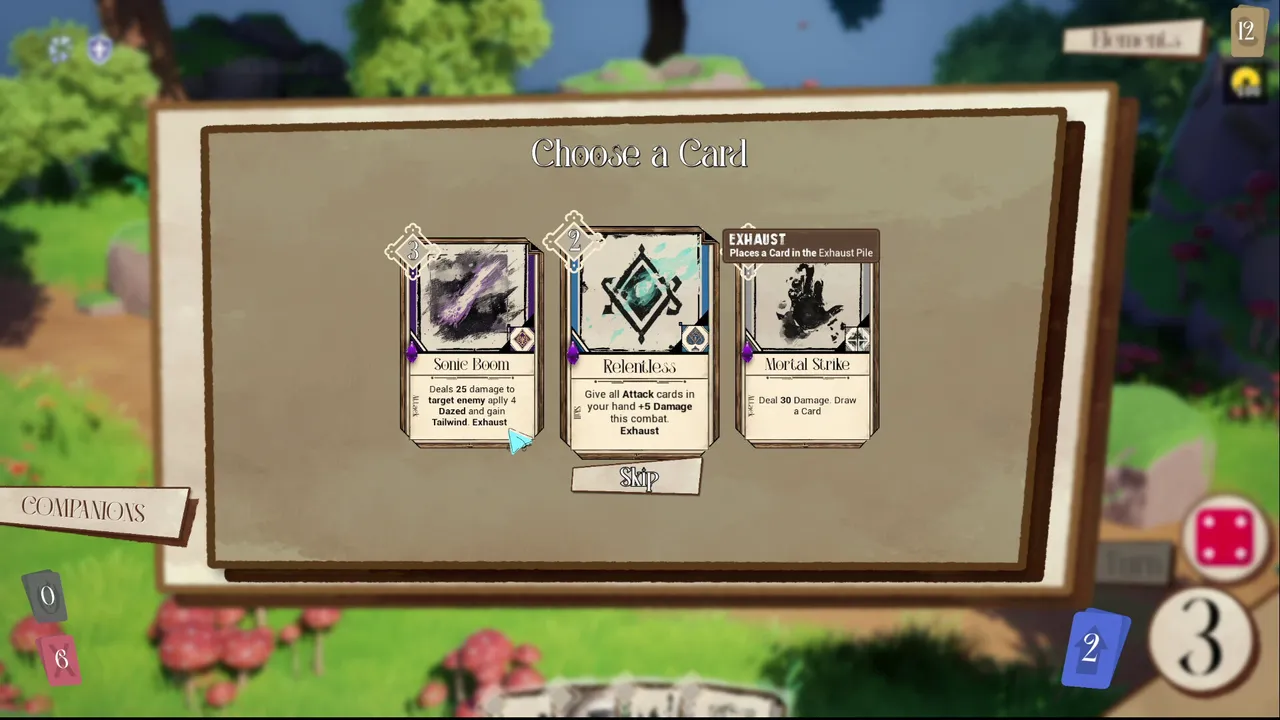
Combat itself is fast but deliberate, and the inclusion of dice as fate-shaping elements suggests randomness sits alongside card choice rather than replacing it. You build your deck knowing the dice will alter outcomes, and your buffs must account for that variance. Companions join you with their own abilities, adding layers to team composition beyond just your cards alone.
Skip this only if you need turn-based precision without luck elements, or if reactive systems stress you instead of excite you. Anyone who enjoyed Slay the Spire's synergy puzzles or Monster Train's layered interactions, and who wants that loop wrapped in a story about becoming human, should add this to their wishlist now.
Features
System requirements
Minimum
- OS
- Windows 11
- Processor
- 16 Chrome Taps woth of CPU Power
- Memory
- 8 GB RAM
- Graphics
- Something affordable
- Additional Notes
- A keyboard, mouse, monitor, and the willpower to press “New Game.”
Recommended
- OS
- Windows 11
- Processor
- 36 Chrome Tabs worth of CPU Power
- Memory
- 16 MB RAM
- Graphics
- Something less expensive than a car
- Additional Notes
- A keyboard, mouse, monitor, and the willpower to press “New Game.”





No comments yet. Be the first to share your thoughts.