

About Diggin
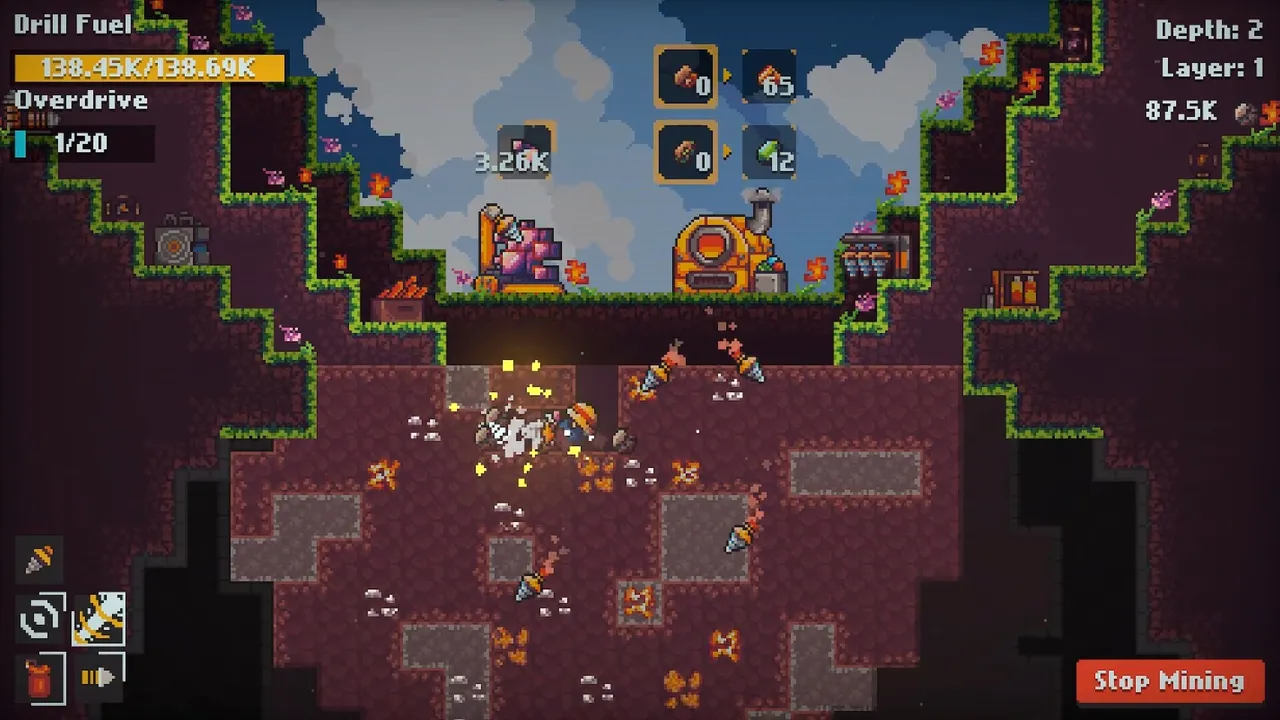
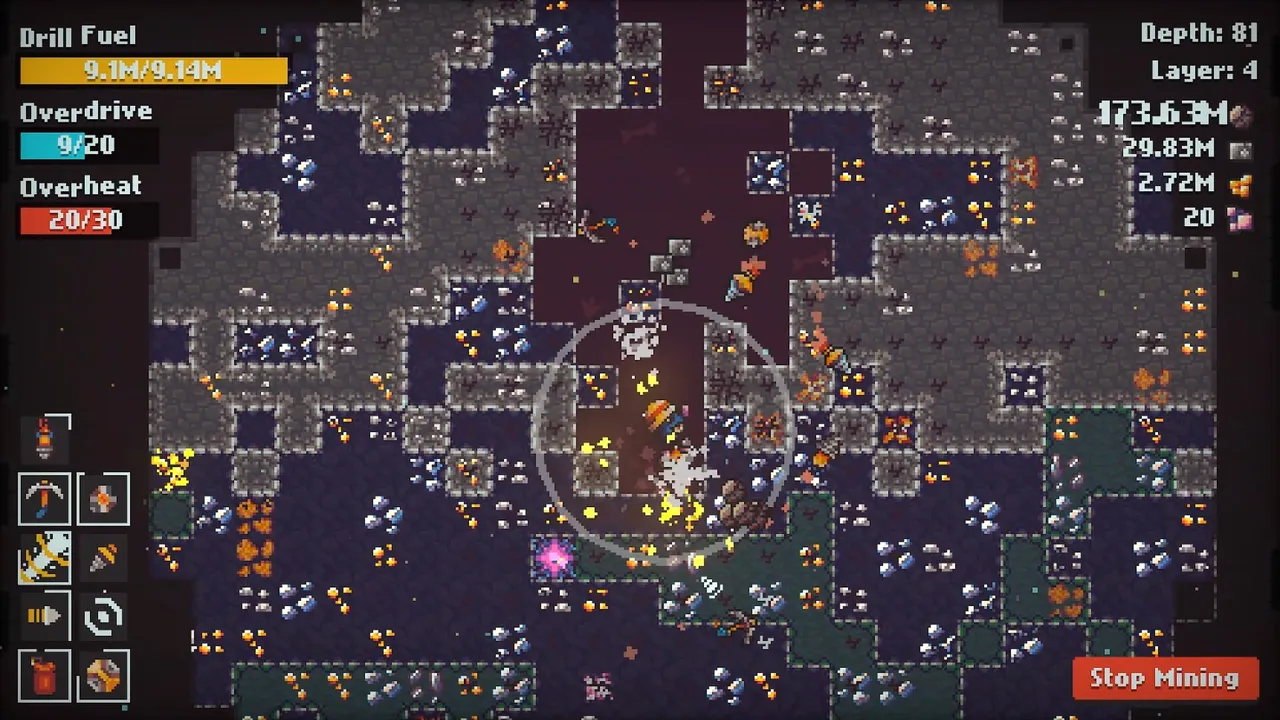
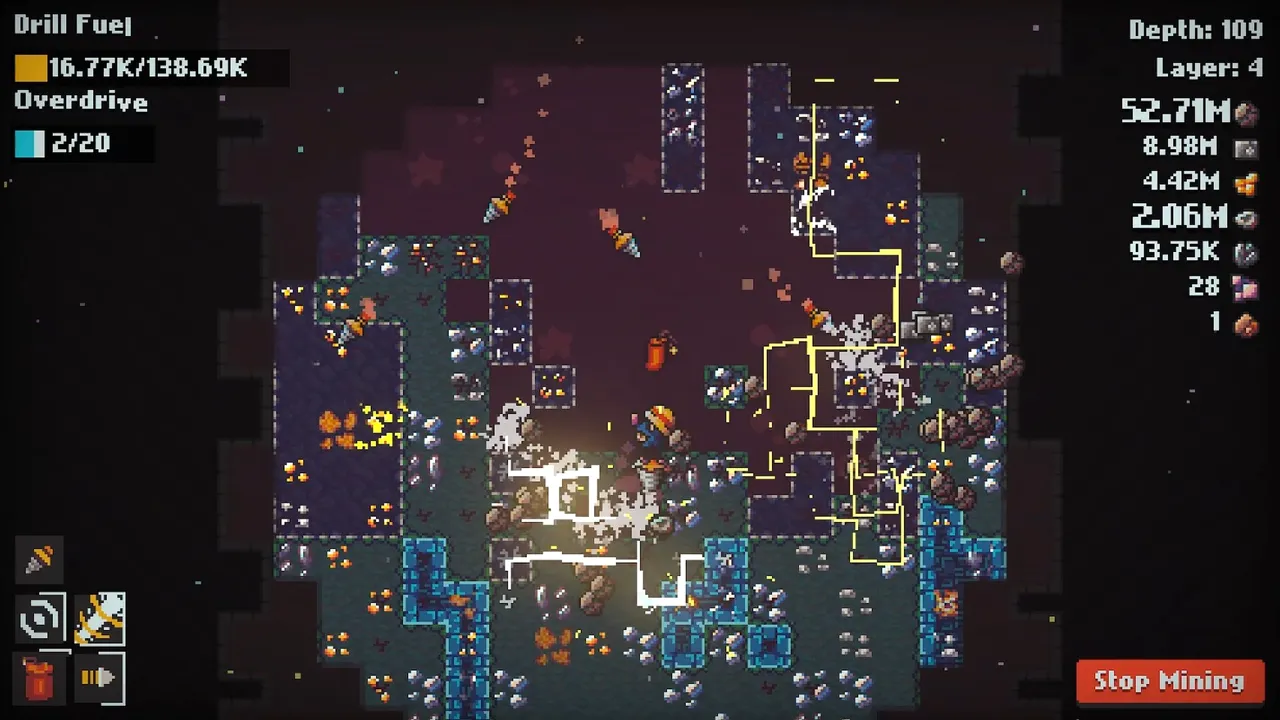
Diggin is an incremental adventure where the core loop is excavation, upgrade, repeat—you drill deeper into a meteor crater, harvest ores, spend them on permanent enhancements to your drill and gear, and push further down to repeat the cycle. The release date for Diggin is July 16, 2026 on PC, and the game's hook is a sprawling skill tree that governs how you transform both your tools and the terrain itself as you chase the mystery of a lost Mole civilization.
Incremental games live or die on the clarity of their progression curve and the compulsion loop that makes you want just one more upgrade. Diggin anchors itself to a narrative frame—you play Doug, a young Mole sent by your grandfather to explore a crater where an ancient star-nosed tribe vanished—which gives the grind a purpose beyond pure numbers. Whether that story sustains engagement over dozens of hours, and whether the skill tree stays rewarding as it grows, will determine whether the game stays playful or devolves into busywork. The meteor crater setting is a wise aesthetic choice for an incremental game, since finding alien ores and relics naturally justifies the constant unlocking of new materials and upgrades.
Mining, Drilling and the Skill Tree
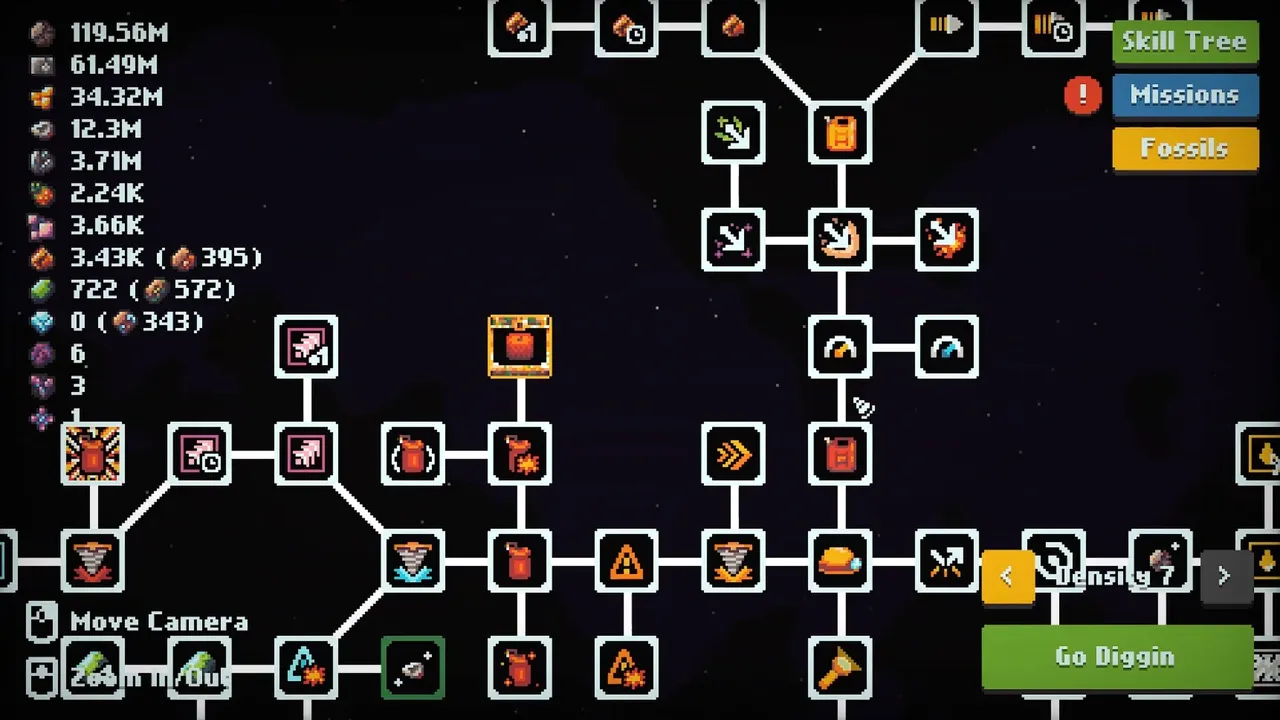
The gameplay arc hinges on your drill as the core investment point. You mine ores, spend them to upgrade the drill itself (making it faster, stronger, or more efficient), and unlock new gear that changes how you engage with the crater. A large skill tree sits at the heart of progression, meaning character growth is not linear—you choose which upgrades to pursue and in what order, shaping how your playthrough unfolds. This matters because it gives players agency in a genre where numbers often feel predetermined, and it means two players can emerge from the same game with different tools and strategies.
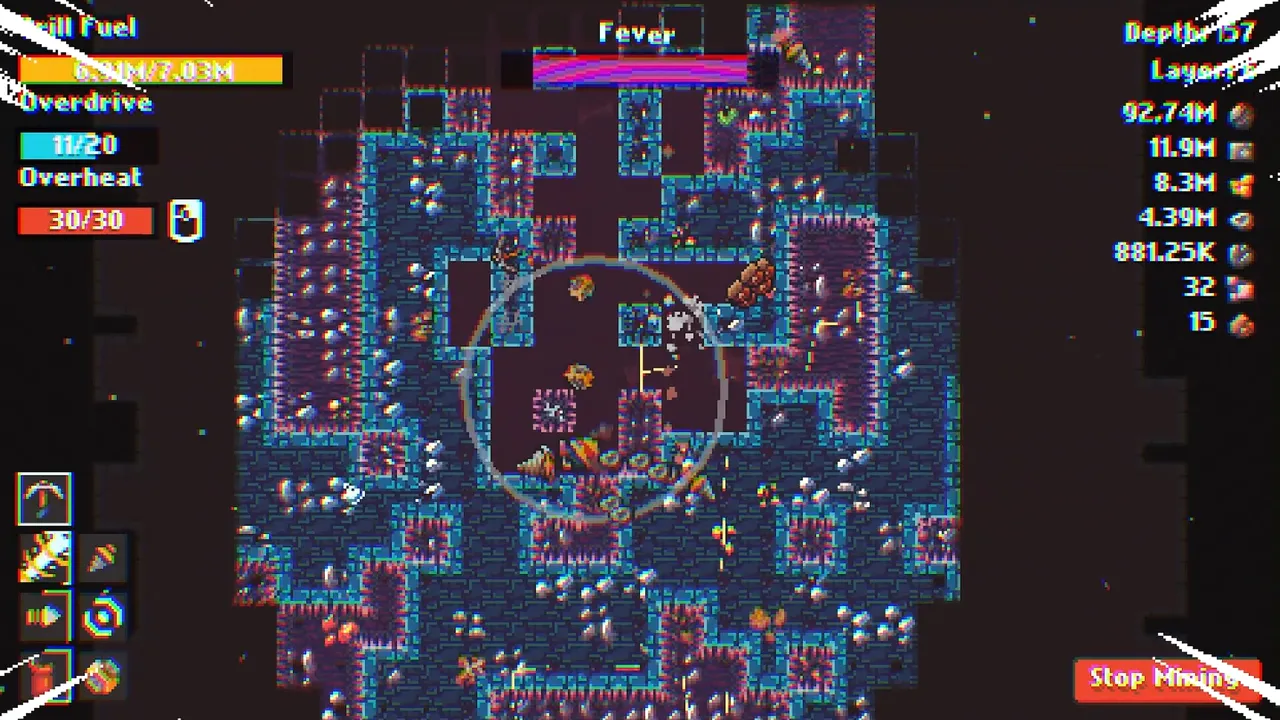
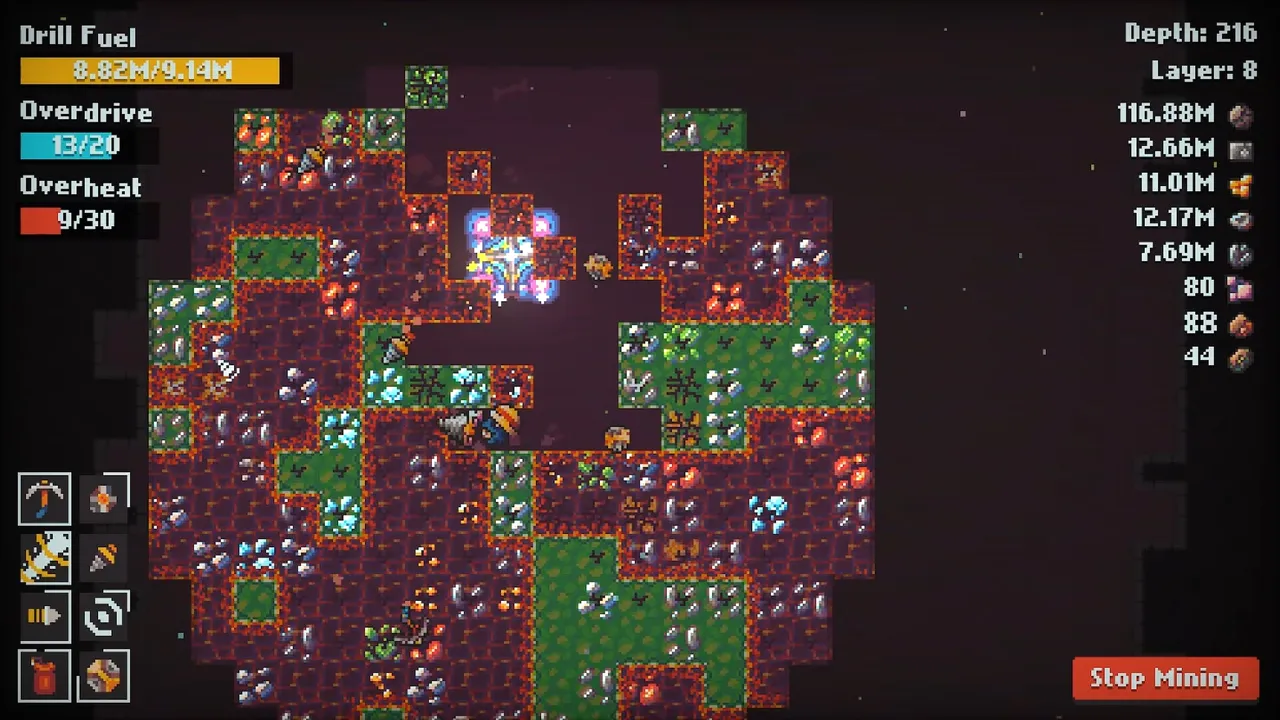
The second pillar is terrain transformation. The reference hints that you can alter the ground itself through upgrades, suggesting the crater is not a static space but something you actively reshape as you grow stronger. This is a smart design choice for an incremental game, because it makes backtracking feel like progress—earlier zones become trivial once you have the right gear, reinforcing the fantasy of growth. If the terrain changes are visual and mechanical, they will carry the feeling that you are genuinely excavating deeper and changing the world, not just watching numbers tick up.
Release Date and Platforms
Diggin arrives on July 16, 2026 for PC. The release date puts it squarely in an indie release window with less AAA competition than summer's peak, which is typical for smaller strategy and casual games, though it also means the game will need to stand out within its own niche. Longshot Studio is both developer and publisher, suggesting a tight, focused vision rather than a project shaped by committee.
The core uncertainty is whether the game can sustain a sense of discovery across its depth. Incremental games often backload their best reveals—new ore types, breakthrough upgrades, story beats about the lost tribe—to keep you drilling. If Diggin frontloads its best ideas and the grind becomes rote repetition in the middle hours, the narrative hook alone may not carry you to the end. For players who love the steady tick of progress and the slow unfurl of a skill tree, this is a natural fit; for anyone who needs constant spectacle or moment-to-moment challenge, the incremental pace will feel at odds with what you want from games.
Wishlist Diggin if you gravitated toward games like Cookie Clicker or Idle Miner Tycoon for their meditative, long-form progression, or if you want a chill strategy game with genuine story to uncover. Wait for early player reports if you are unsure whether the skill tree stays engaging after the first ten hours, or skip it entirely if idle loops feel too passive for your taste.
Themes
Features
System requirements
Minimum
- OS
- Windows 10
- Processor
- Intel Core 2 Duo E8400 or AMD Phenom II X2 550
- Memory
- 8 GB RAM
- Graphics
- Nvidia GeForce 8800 GT, 512 MB or AMD Radeon HD 7570, 1 GB
- Storage
- 500 MB available space






No comments yet. Be the first to share your thoughts.