
Slime Alchemy
About Slime Alchemy
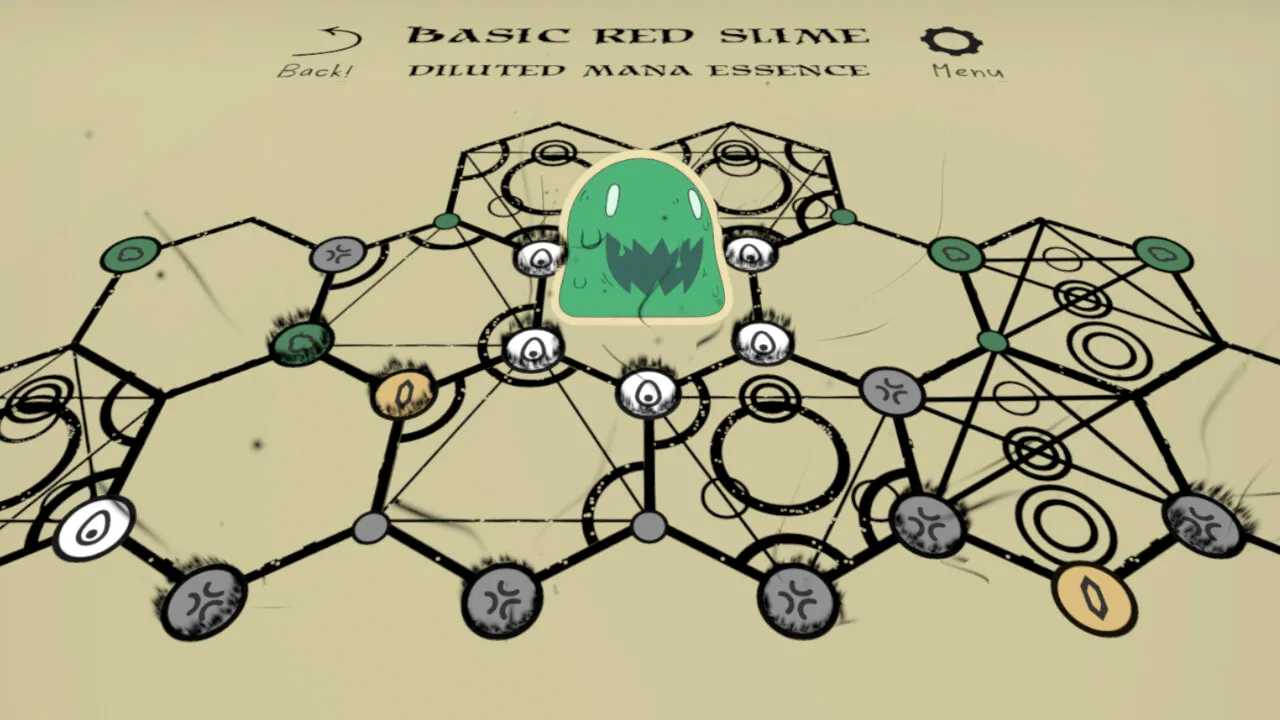
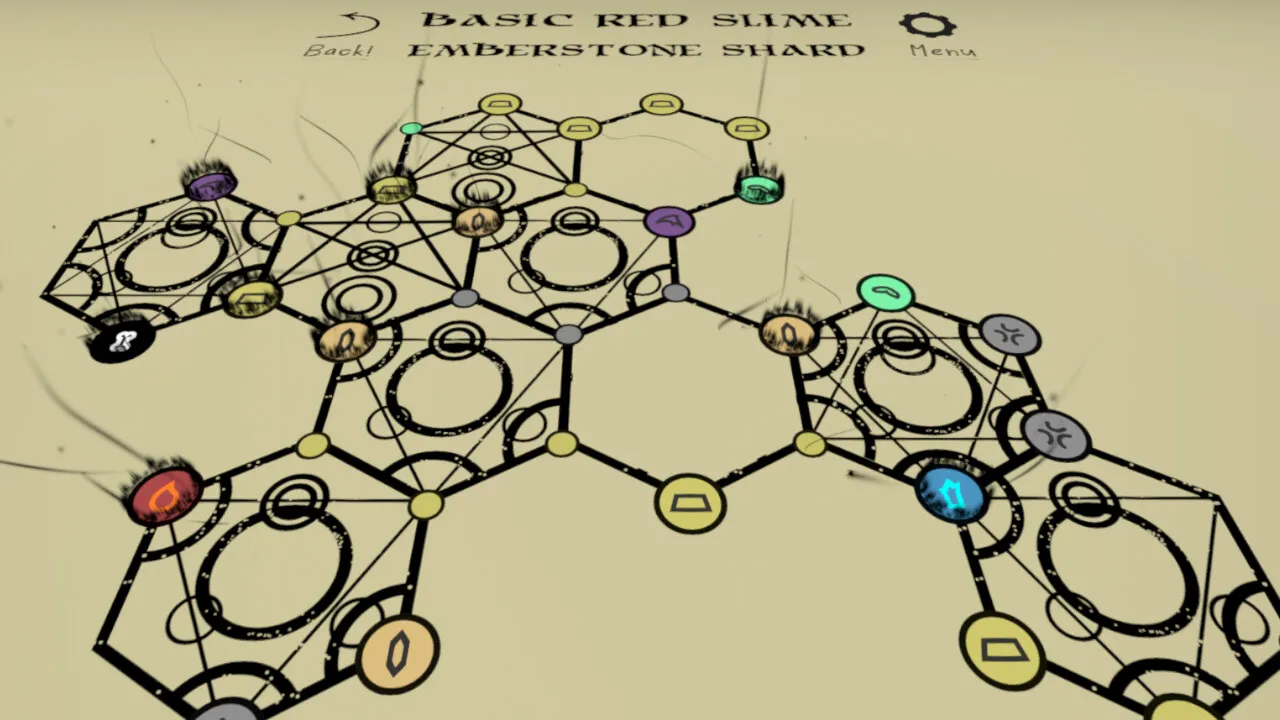
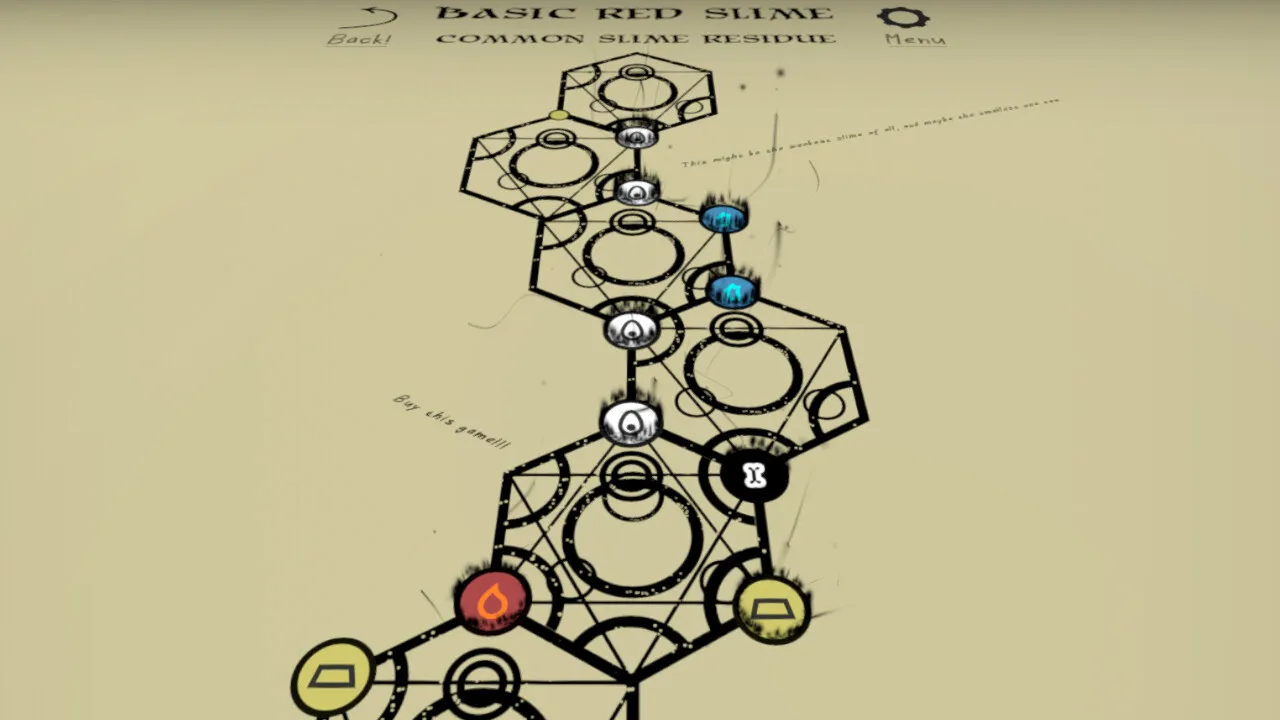
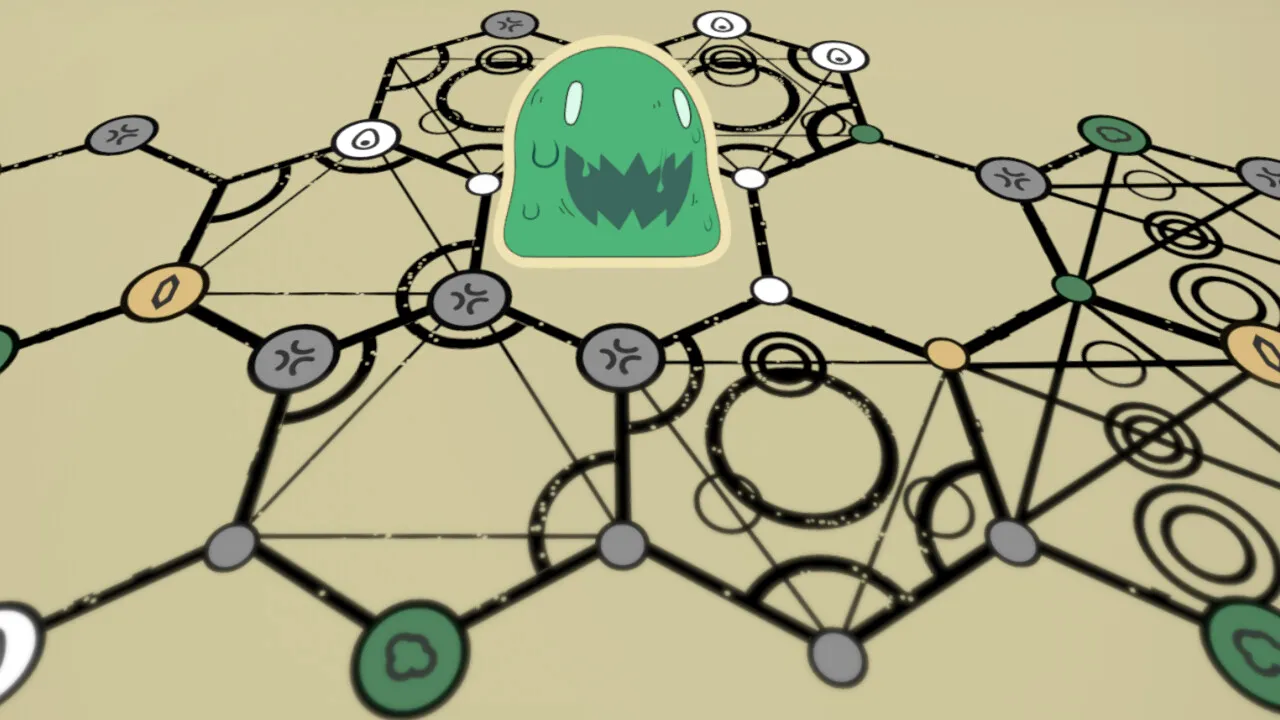
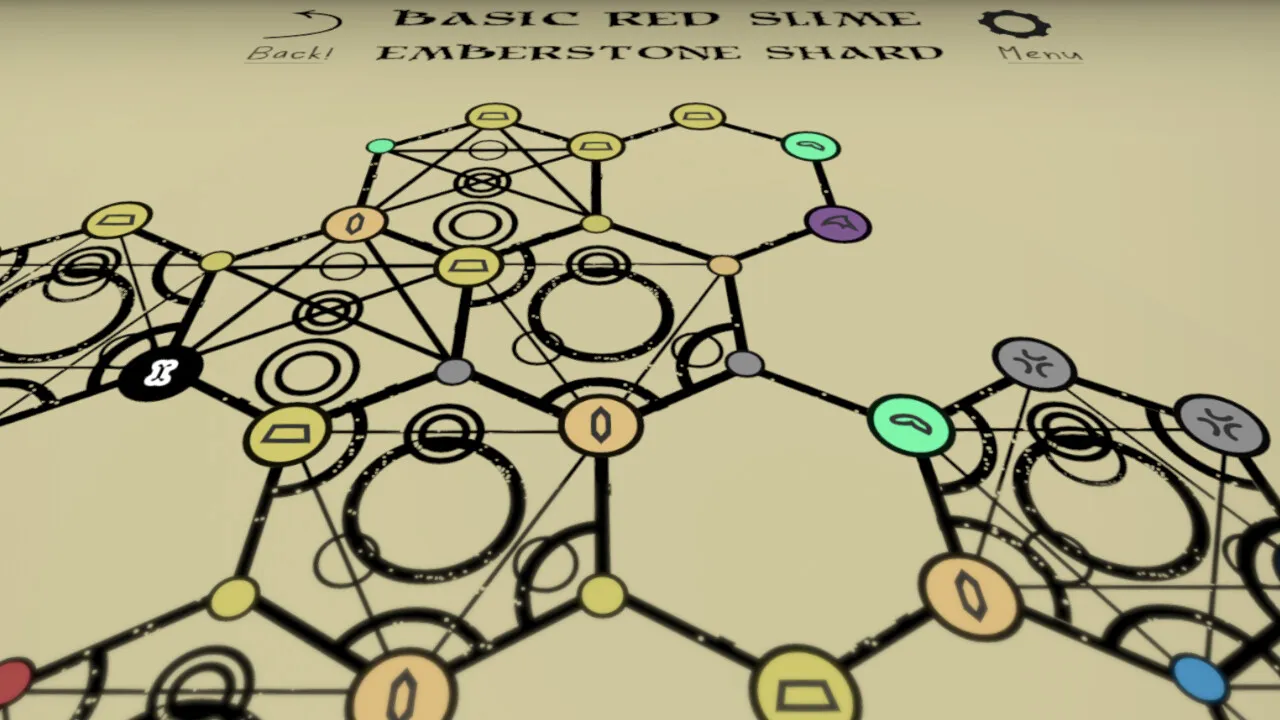
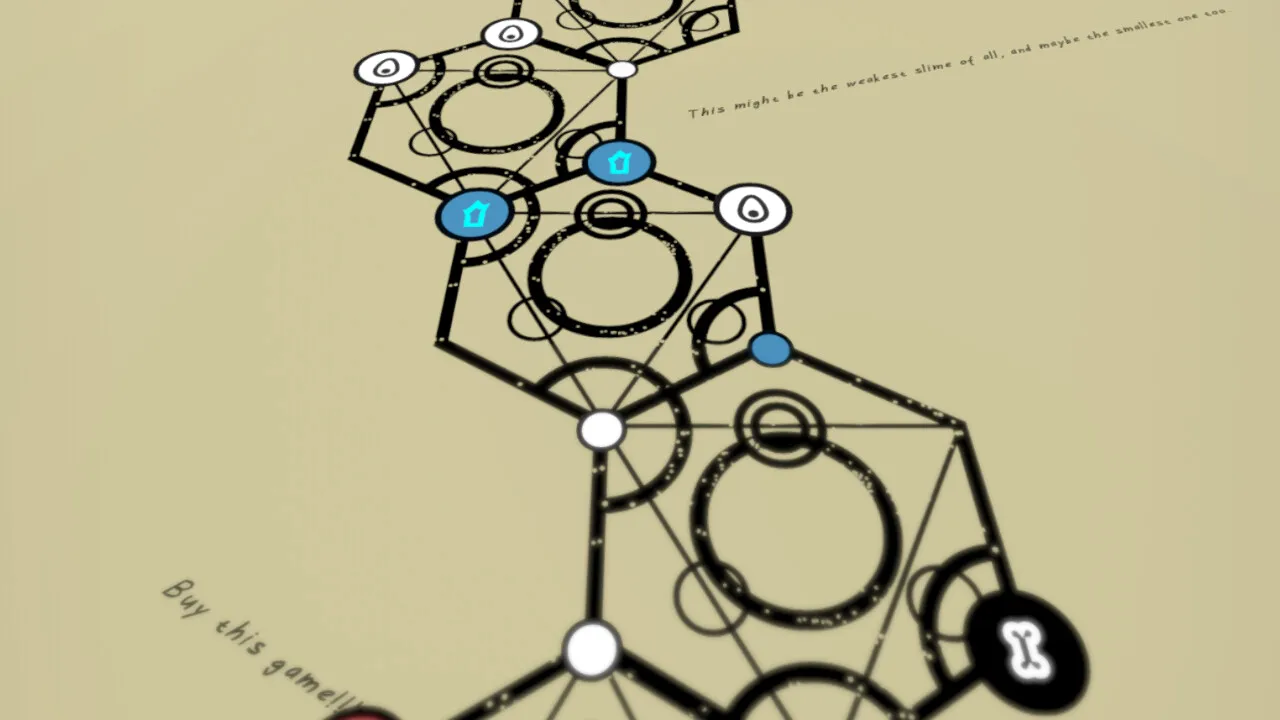
Slime Alchemy releases July 17, 2026 on PC as a hex-grid puzzler built around a single, repeating loop: rotate pieces to lock them into place, solve the pattern, and move to the next challenge. The core mechanic is placement and rotation on a hexagonal grid, and the game lives or dies on whether that constraint stays engaging across 50 levels without becoming repetitive.
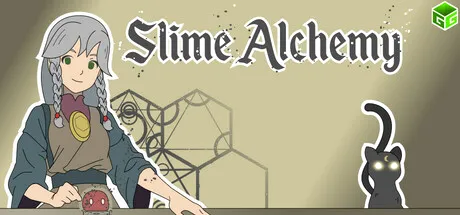
The release date for Slime Alchemy falls squarely in the space occupied by meditative, low-friction puzzle games—titles meant for wind-down sessions rather than competitive mastery. A hand-drawn aesthetic, a deliberately engaging soundtrack, and procedural shuffling (each playthrough randomises piece placement) signal intent toward replayability and longevity, but puzzle games of this type rely on a narrow thing: the elegance of the core idea. If rotating hexagons to fit patterns feels crisp and the difficulty curve escalates at a natural pace, 50 levels can sustain interest. If the puzzles feel arbitrary or the rotation mechanic becomes tedious after the first dozen, no soundtrack will save it.
A straightforward puzzle game with replayability built in
The randomised piece shuffle is the structural bet here. Rather than designing 50 hand-crafted, ever-harder puzzles, the design assumes that varying the layout of the same underlying system will keep the experience fresh. This works in games like Threes or Peglin because the core loop is genuinely satisfying to repeat; whether it lands for Slime Alchemy depends entirely on how tactile and responsive the rotation and placement feel, and whether the difficulty curve respects the player's patience.
This is for players who gravitate toward Demetrios, Chants of Sennaar, or the gentler end of indie puzzle design—people who want to think without stress. Anyone chasing a serious intellectual challenge or roguelike depth should skip it. Wait for player reviews to confirm the curve is paced well and the core loop survives repetition.
Themes
Features
System requirements
Minimum
- OS
- windows 10
- Processor
- 2 Ghz Dual Core
- Memory
- 1 GB RAM
- Graphics
- Graphic Card Supporting DirextX 9.0c
- DirectX
- Version 9.0
- Storage
- 200 MB available space
- Sound Card
- Any
Recommended
- OS
- windows 10
- Processor
- 2 Ghz Dual Core
- Memory
- 1 GB RAM
- Graphics
- Graphic Card Supporting DirextX 9.0c
- DirectX
- Version 9.0c
- Storage
- 200 MB available space
- Sound Card
- Any





No comments yet. Be the first to share your thoughts.