
About Grand Theft Auto VI
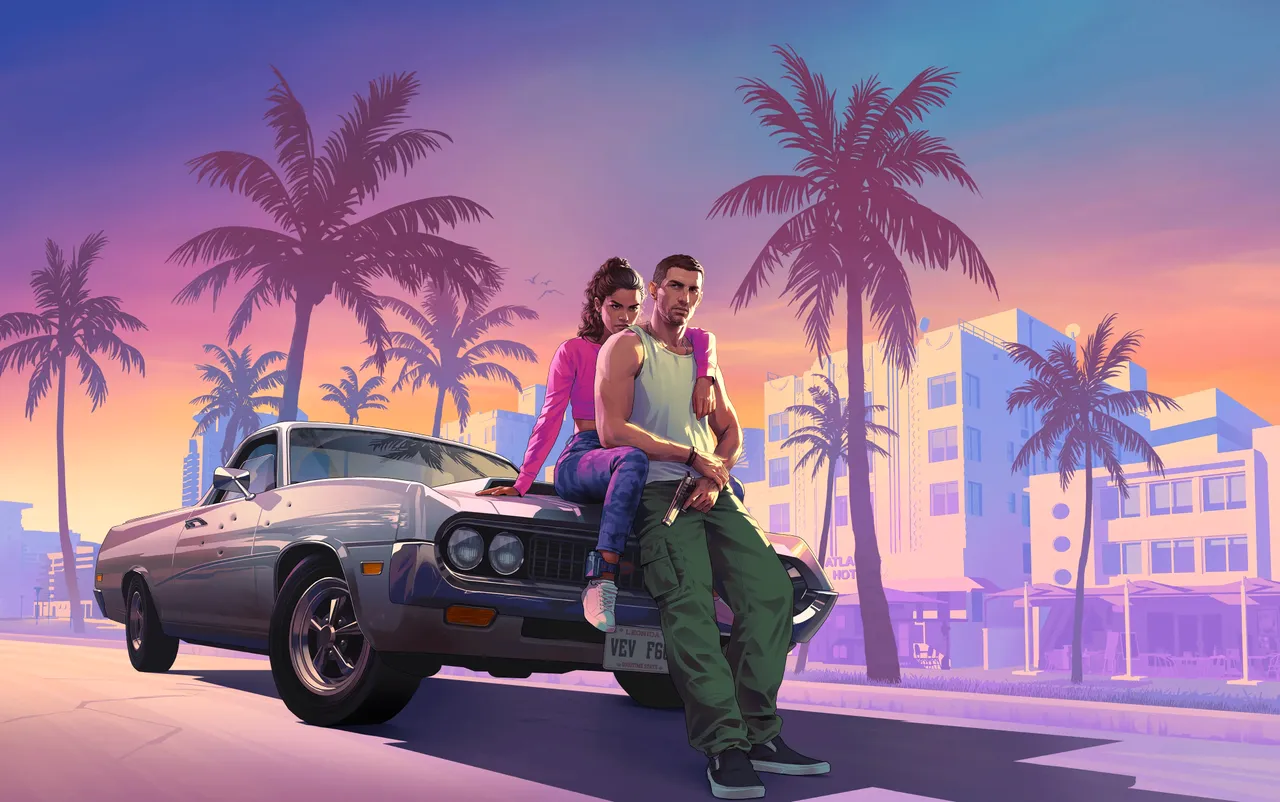
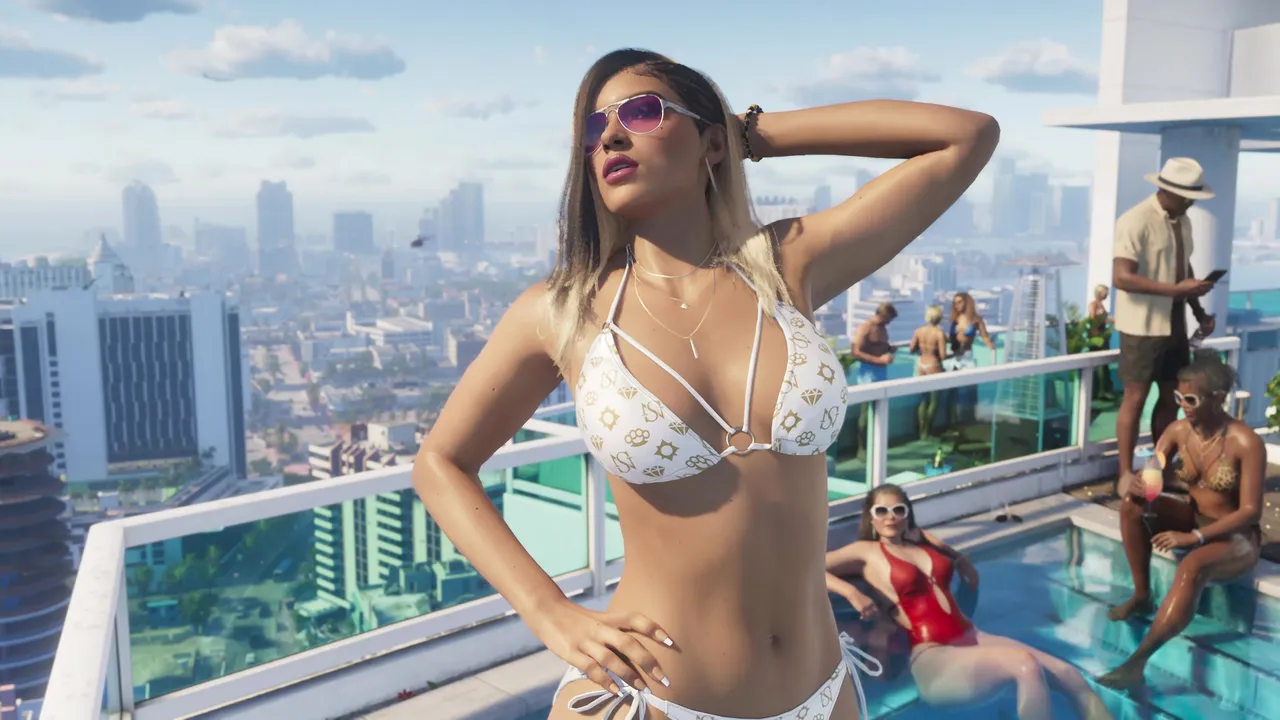
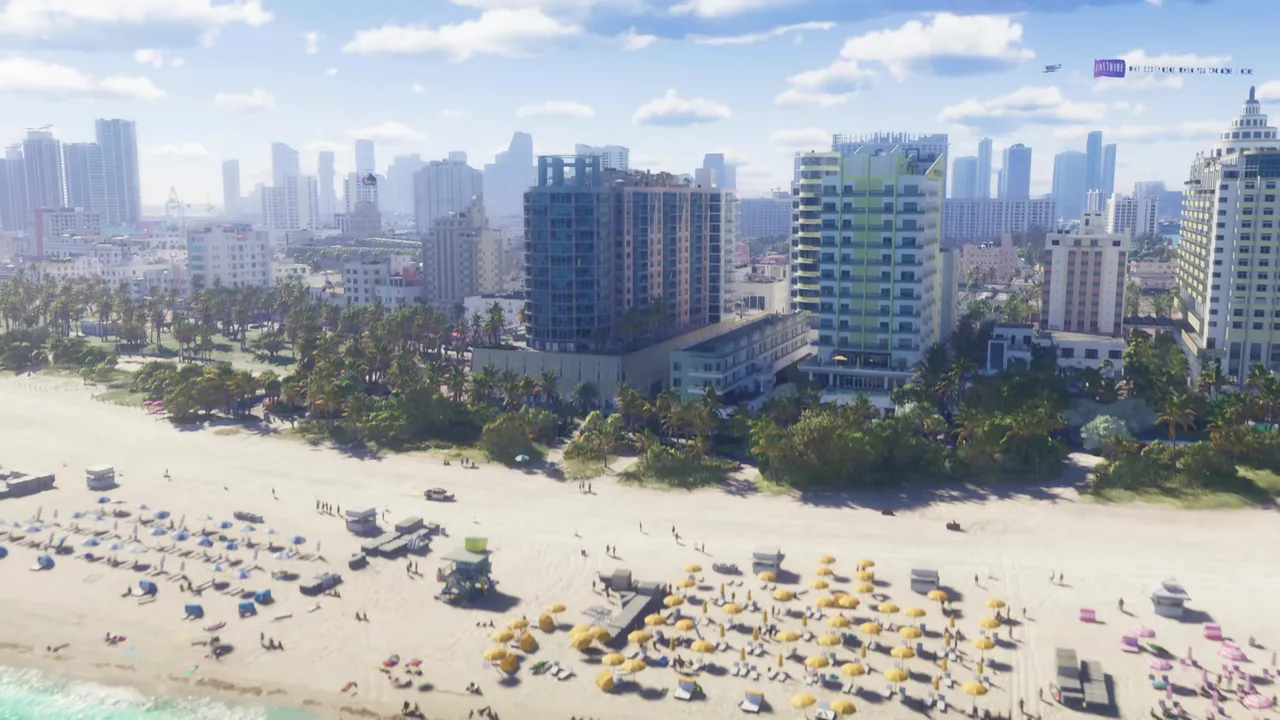
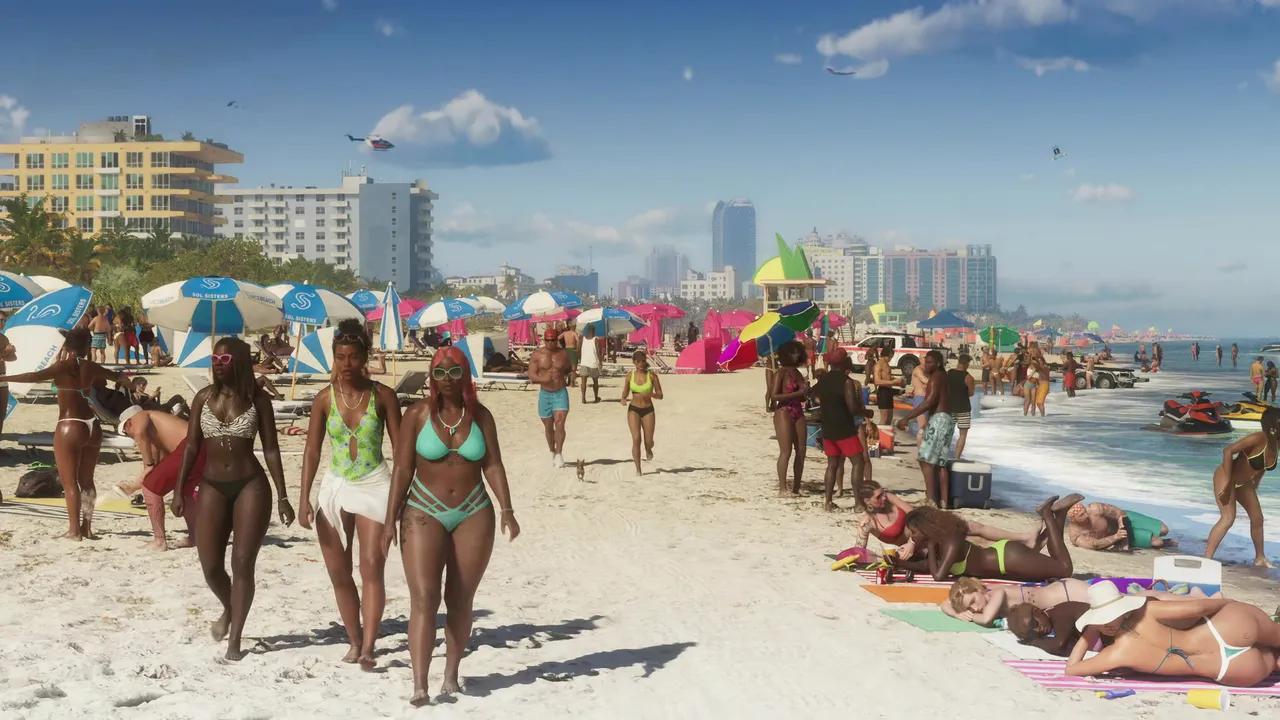
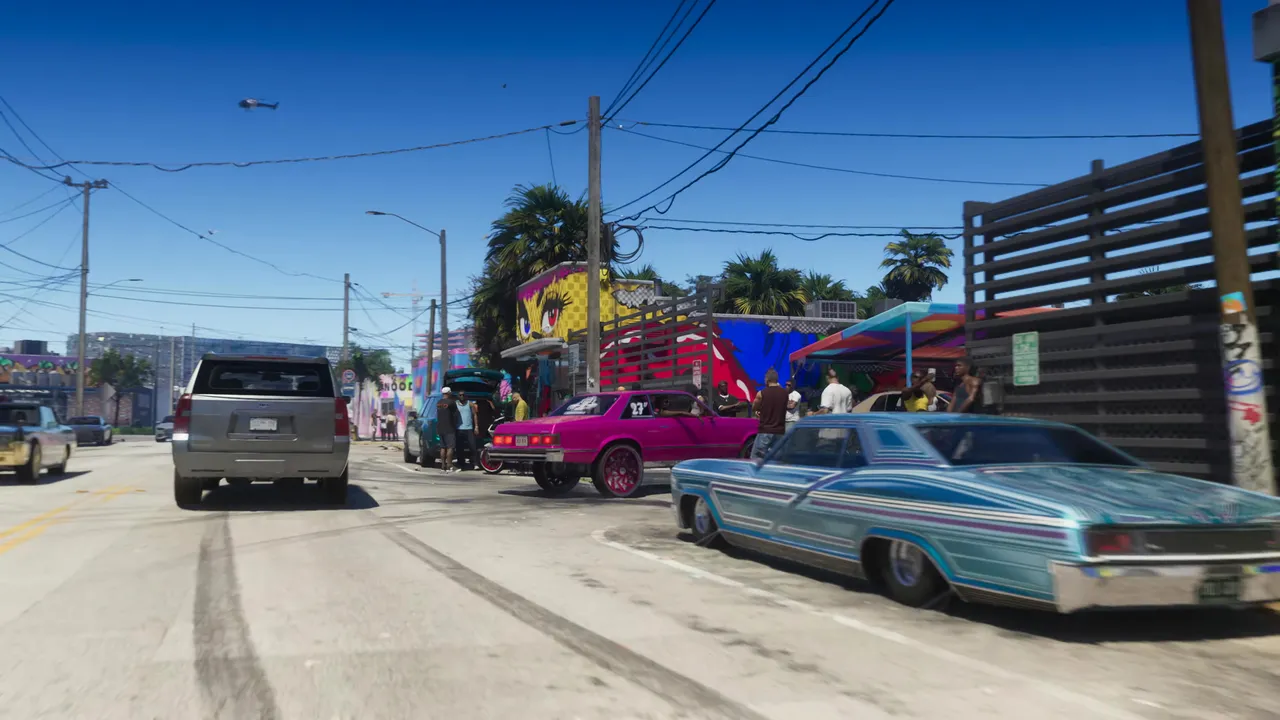
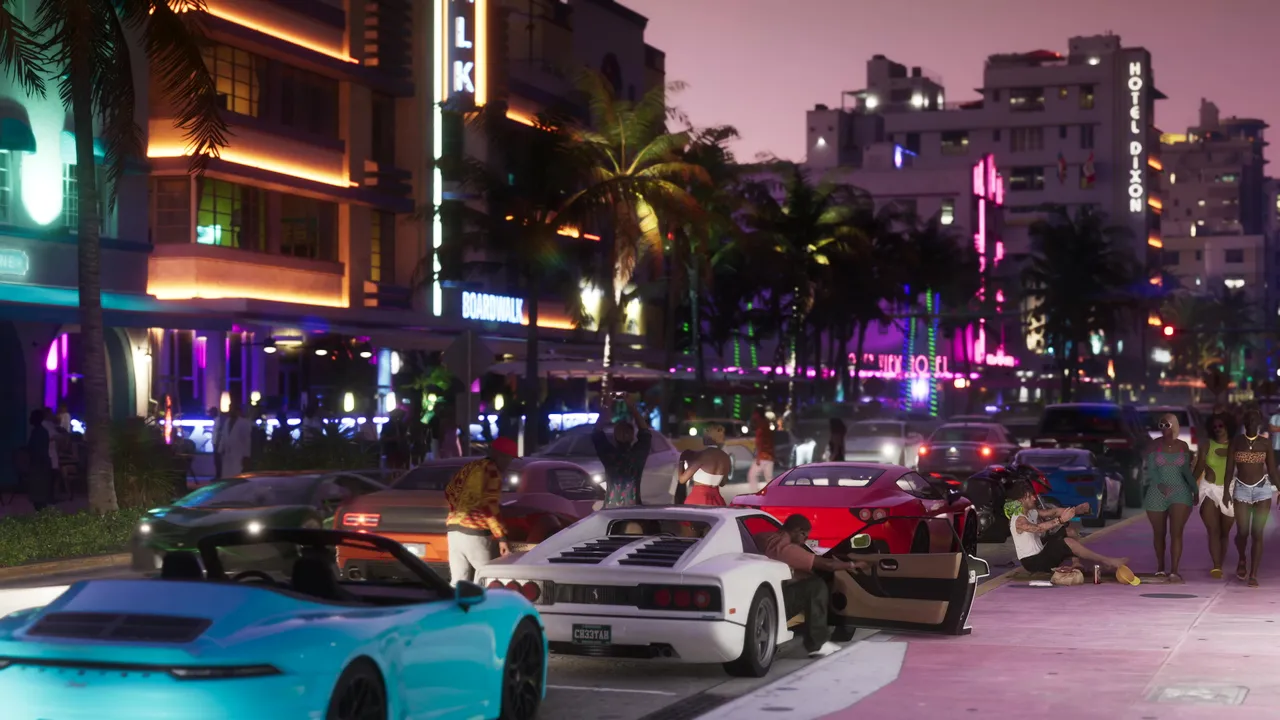
Grand Theft Auto VI releases on November 19, 2026 for PlayStation and Xbox, marking Rockstar Games' first mainline entry in the series since Grand Theft Auto V over a decade ago. The game returns to Vice City, a Miami-inspired setting within the fictional state of Leonida (based on Florida), and shifts narrative focus to a romantic criminal couple, Jason Duval and Lucia Caminos, rather than a single protagonist.
The thirteen-year gap between mainline entries is the longest in the franchise's history and carries real weight for how the studio approaches open-world design in 2026. Rockstar has had time to watch the genre evolve through competitors like Cyberpunk 2077 and Starfield, both of which tackled scale and systemic depth in ways that redefine player expectation. The fundamental question is whether Rockstar will iterate incrementally on the V formula—which perfected a particular vision of seamless open-world action but has aged in pacing and narrative structure—or whether the studio will take genuine design risks to compete with what the industry has learned.
What the dual-protagonist structure means
The decision to centre the story on a couple rather than a lone antihero is the boldest narrative pivot the series has made. It suggests Rockstar is betting on character chemistry and relationship dynamics as the emotional spine, a significant departure from the internal monologue-driven storytelling of prior entries. Jason and Lucia's romantic element could anchor the campaign in ways that make their criminal trajectory feel personal rather than procedural, but it also narrows the archetype: a solo criminal has more room to be unpredictable, while a couple needs coherence. How the studio balances their voices, whether dialogue allows genuine disagreement or enforces alignment, will shape whether this feels like a fresh direction or a narrative constraint.
Open world and the thirteen-year wait
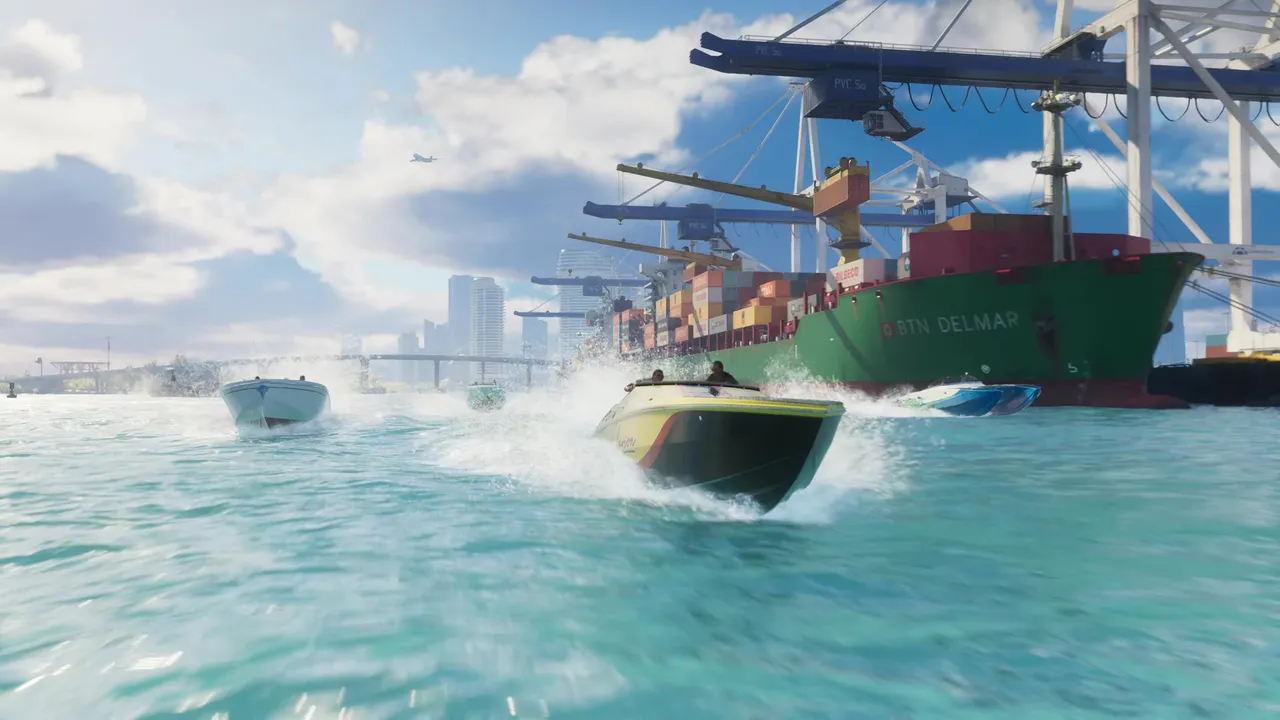
Vice City in 2026 will compete against a landscape where open-world density, NPC behaviour, and environmental interactivity have become baseline expectations rather than features. Rockstar's release date places this game squarely against player standards set by ongoing live-service titles and newer sandbox games. The scale and freedom that defined V remain Rockstar's strength, but the studio has no margin for a slow, empty open world or systems that feel disconnected from the setting.
For players: if you loved V's blend of mayhem, mission design, and character work, this is a near-certainty purchase, though waiting for post-launch stability and content patches is reasonable given the scale. If you have spent thirteen years moving away from Rockstar's storytelling style or prefer systemic, player-driven narratives over authored campaigns, this will not reverse that. Add it to your wishlist now to stay informed, but hold off on pre-order until early reviews confirm the studio has justified the wait.
No comments yet. Be the first to share your thoughts.