
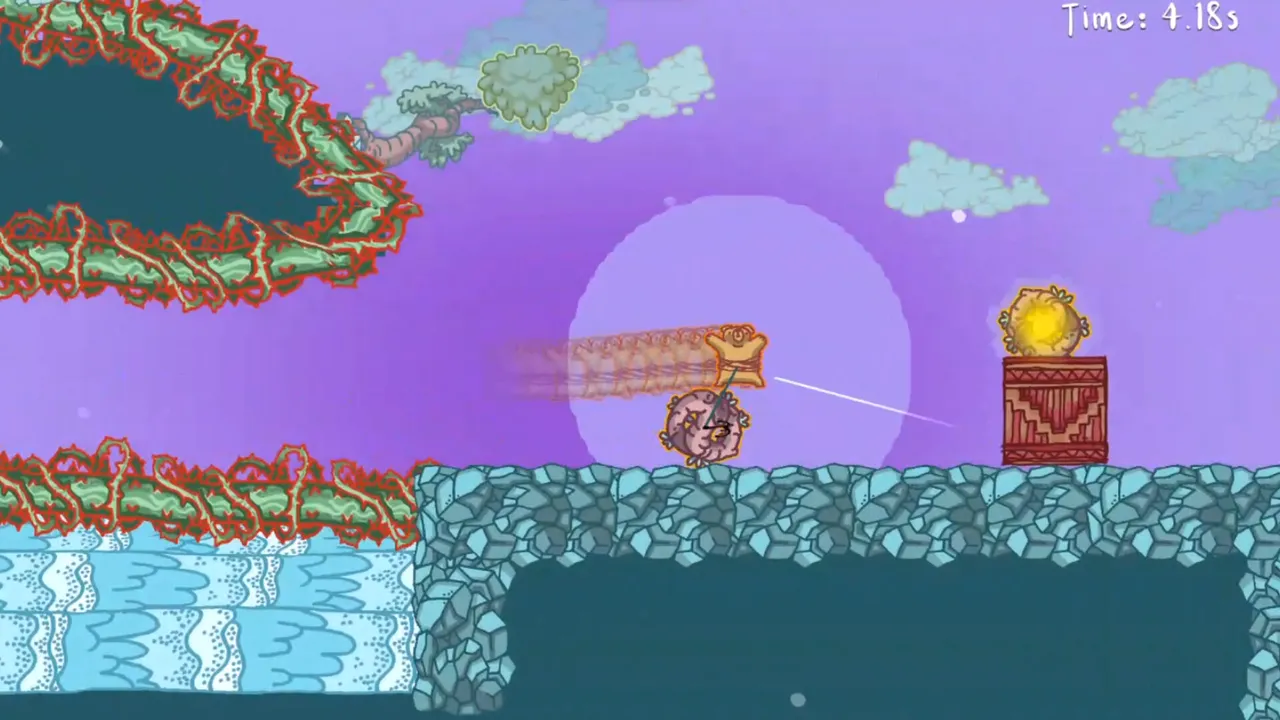
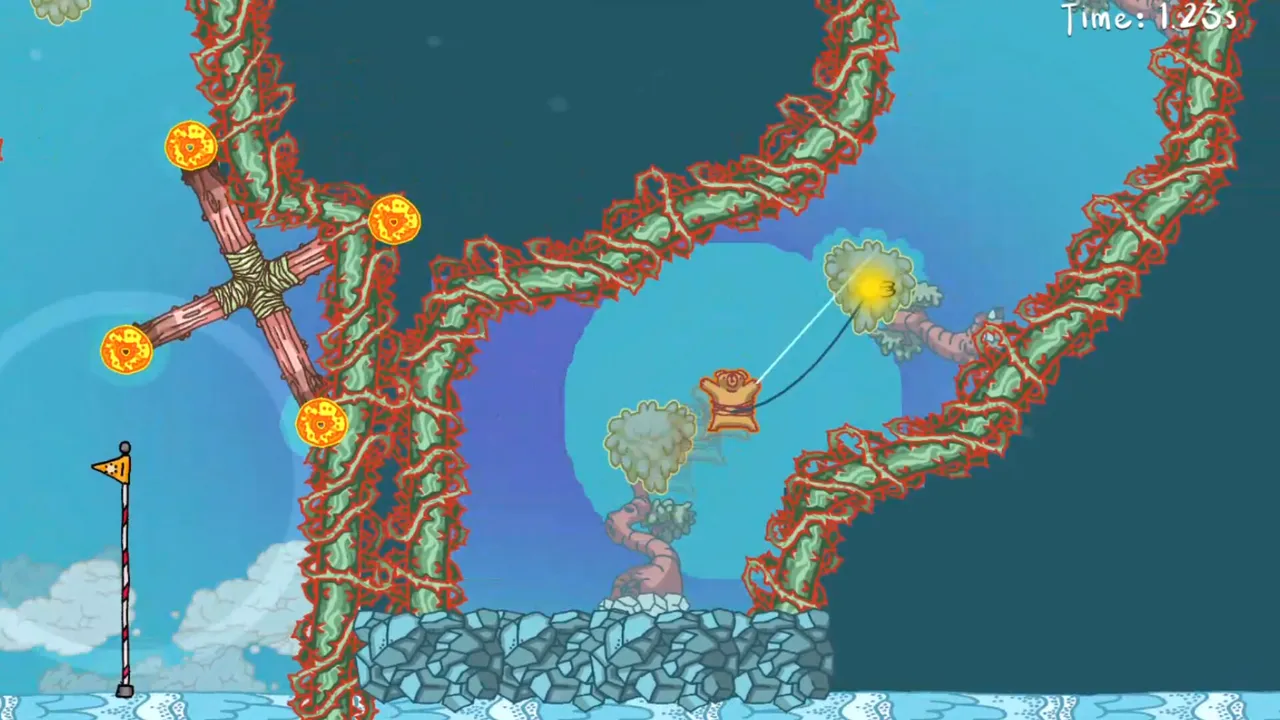
About Grapple Bear
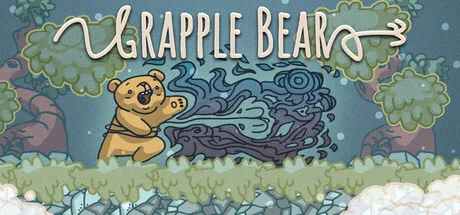
Grapple Bear is a platformer built around a single, uncompromising constraint: your grapple hook is the only movement tool. The release date for Grapple Bear is July 17, 2026 on PC, and the entire experience hinges on whether swinging alone can sustain tension and discovery across a full campaign.
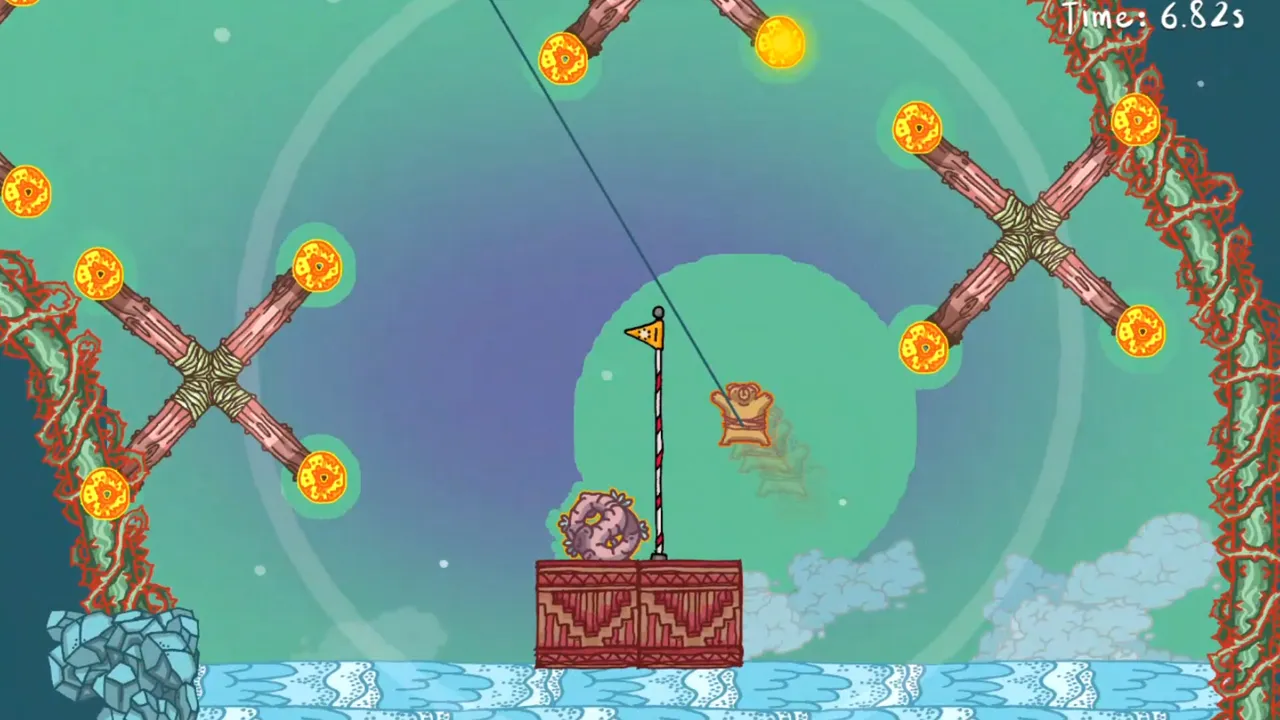
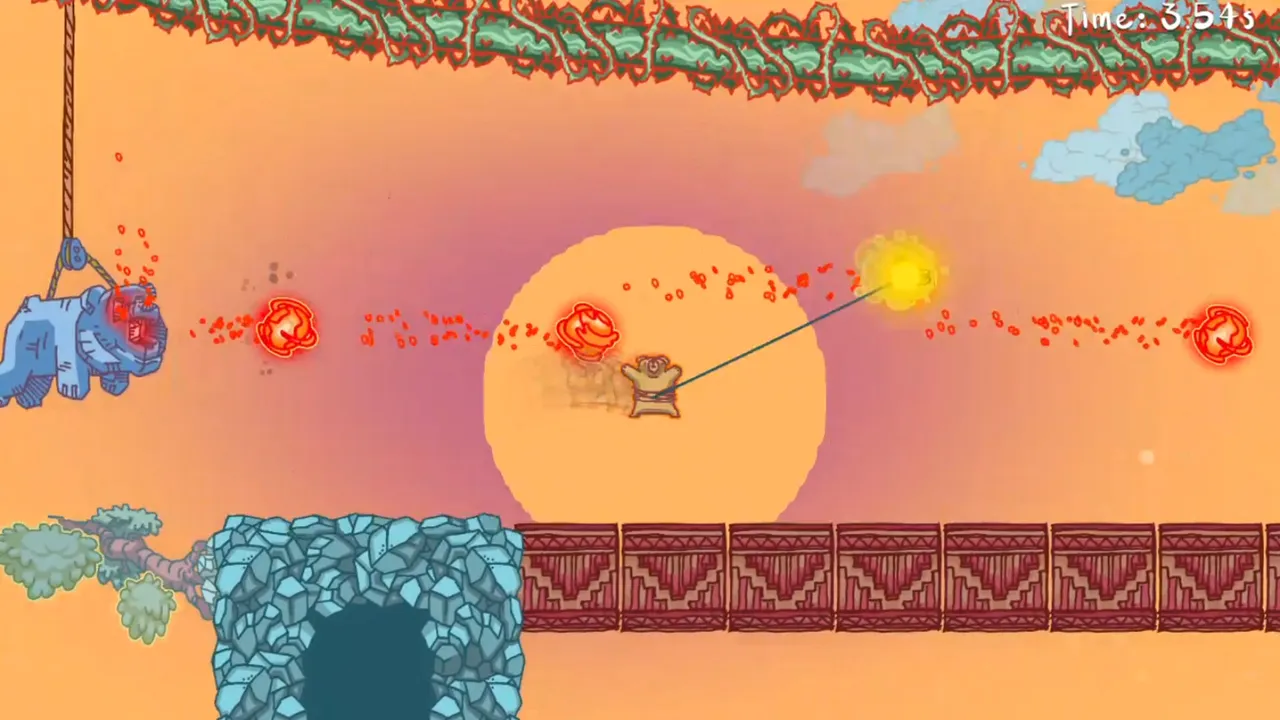
Most platformers give you a toolkit—jump, dash, double-jump, air control. Stripping that away to just grappling is a risk. It forces the level design to do all the heavy lifting: every obstacle, every route, every moment of progression must either teach you a new way to use momentum and angle, or demand you execute a swing pattern you already know with brutal precision. The reference mentions 40+ handcrafted levels, which suggests the studio understood that a one-tool system cannot coast on padding; it needs density and intentional escalation. A level design mistake or a poorly telegraphed swing angle becomes immediately obvious when there is no fallback mechanic to paper over bad design.
Swinging for global rank and weekly proof
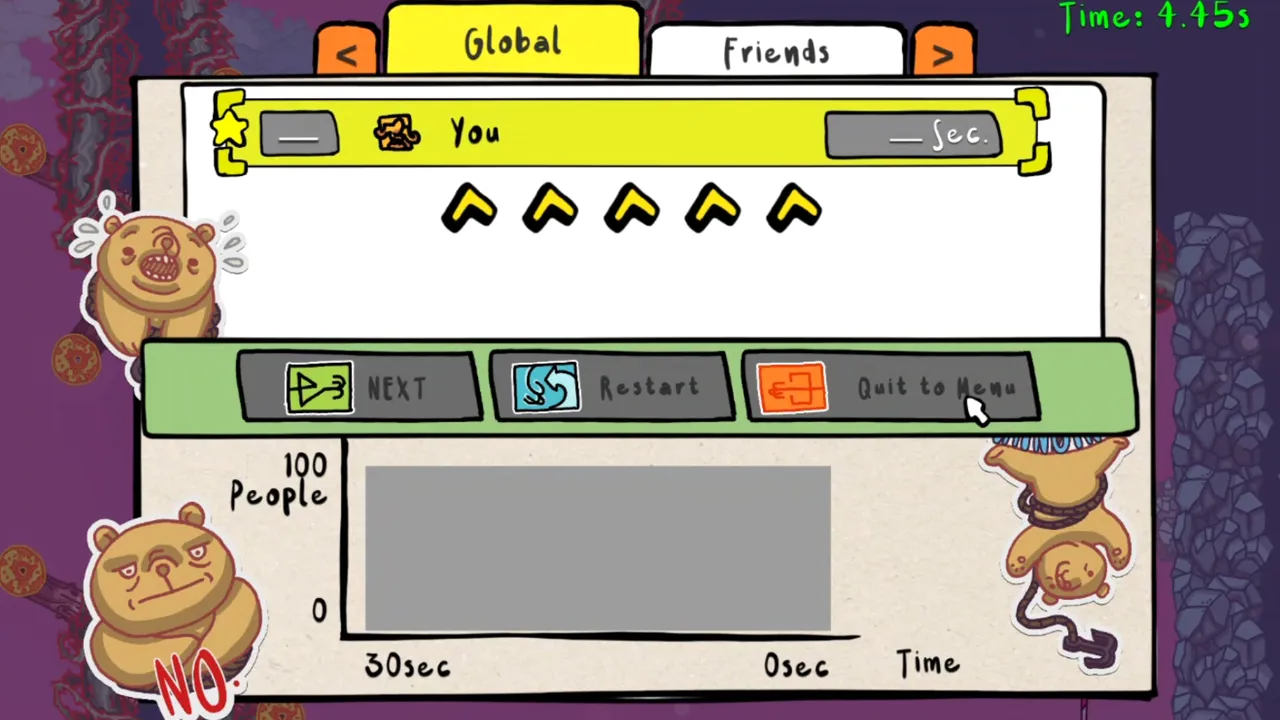
The competitive layer is built in from the start. Global leaderboards and weekly procedurally generated challenges sit alongside the campaign, which is a pragmatic choice: once you have mastered the grapple hook's physics, the game transforms into a routing and execution puzzle. Finding the fastest path through a level, optimising each swing to carry maximum momentum into the next, and shaving milliseconds off a run is where the long tail of engagement lives. This mirrors how games like N+ or Jump King retain players—not through fresh content, but through self-imposed challenge and community competition. The procedural weekly challenges hedge against the finite nature of 40 levels, though procedural generation in platformers is notoriously uneven; a hand-designed level teaches you something, an algorithm-made one often just repeats itself.
The story—a mama bear searching for her cub with a grapple hook as her only tool—is lean and purposeful, the kind of narrative framing that justifies the mechanic without demanding cutscenes. Whether the solo campaign alone justifies the price depends on how generous the level design is with pacing, how much it teaches before it punishes, and how long a skilled player takes to clear the handcrafted stages.
Buy at launch if you prize movement mechanics and routing puzzles above production spectacle, or if you are hunting for a focused, skill-based game with longevity on leaderboards. Wait for reviews if you want evidence that the grapple hook system stays interesting across the full 40 levels and that the procedural challenges actually extend the life meaningfully.
Themes
Features
System requirements
Minimum
- OS
- Windows 10
- Processor
- Intel i3 or equivalent
- Memory
- 2 GB RAM
- Graphics
- Integrated GPU (Intel HD 4000 or better)
- DirectX
- Version 10
- Storage
- 500 MB available space
- Sound Card
- Any
- Additional Notes
- Runs on most modern laptops and PCs.
Recommended
- OS
- Windows 10 or 11
- Processor
- Intel i5 or equivalent
- Memory
- 4 GB RAM
- Graphics
- Dedicated GPU (NVIDIA GTX 750 or equivalent)
- DirectX
- Version 11
- Storage
- 500 MB available space
- Sound Card
- Any
- Additional Notes
- Smooth experience at high resolution and 60+ FPS.
No comments yet. Be the first to share your thoughts.