
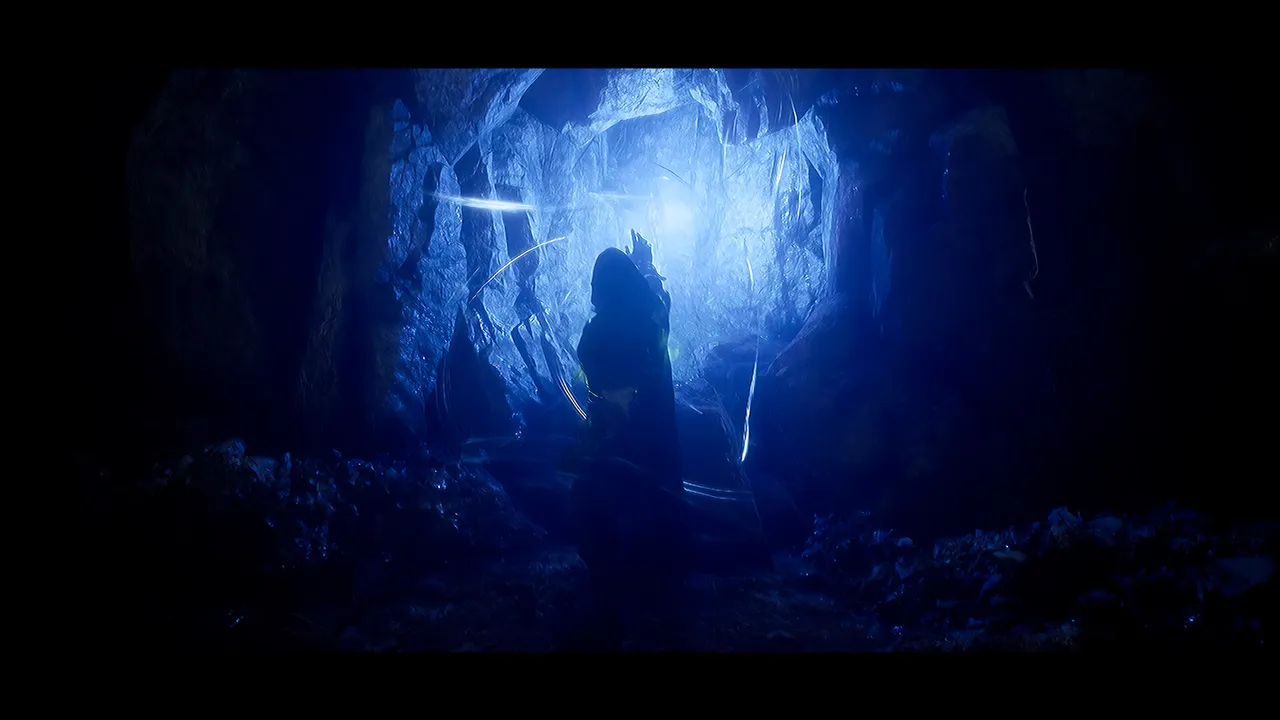
About The Relic: First Guardian
The Relic: First Guardian hinges on a progression system that strips away traditional leveling entirely, replacing it with rune collection, item drops, and crafting to grow your guardian's power. That single design choice reshapes how you think about advancement—you are not chasing a number that goes up, but instead hunting specific components and resources that fundamentally alter what your character can do. For a semi-open world action RPG, that is a bold pivot away from the conventional XP treadmill.
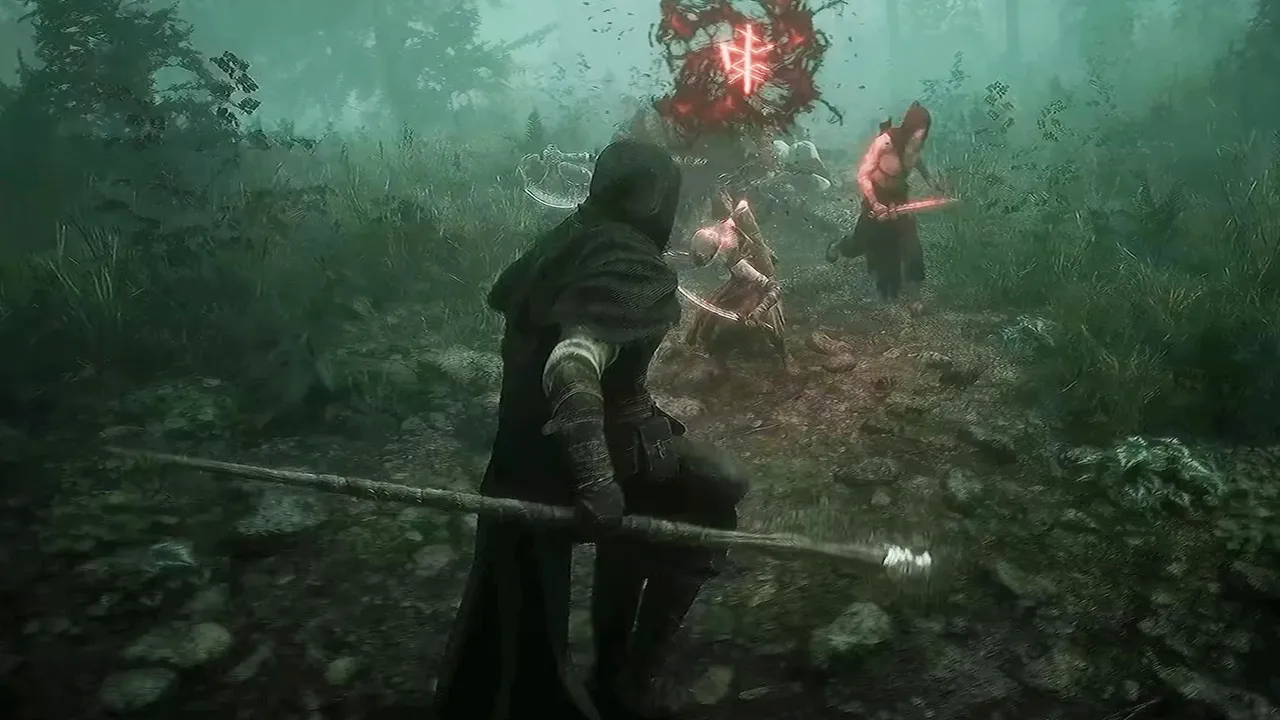
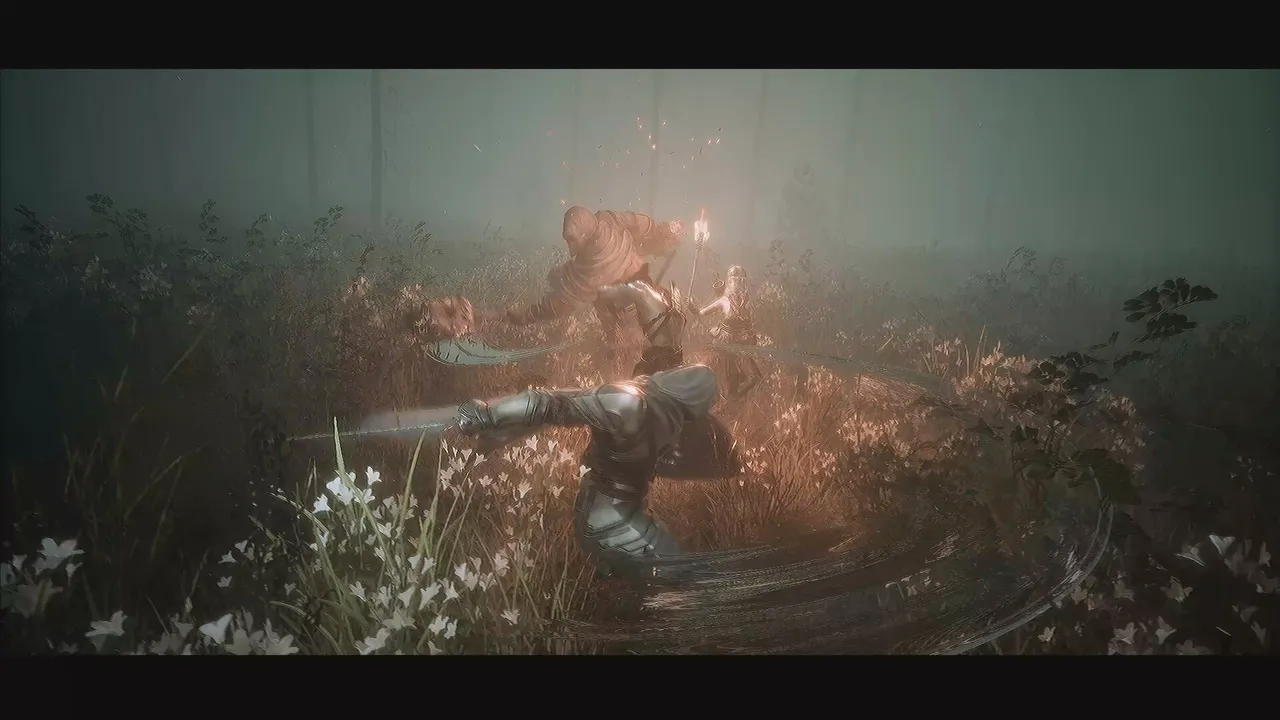
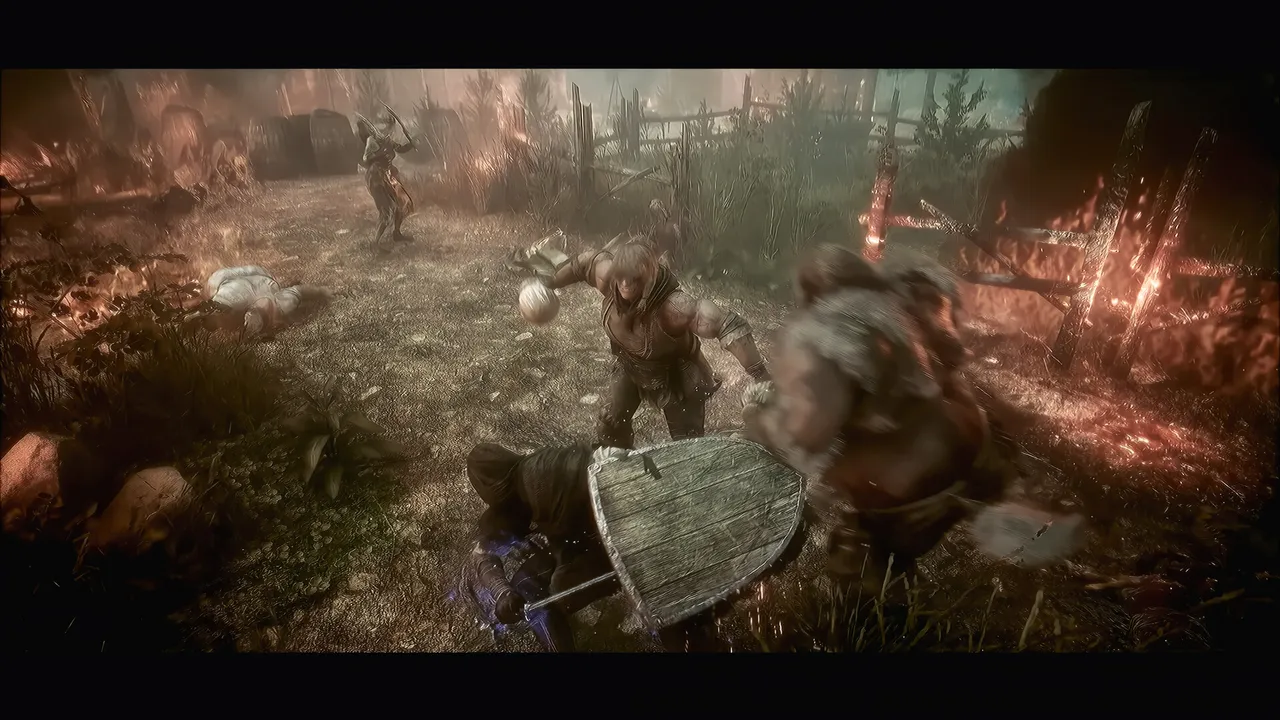
The release date for The Relic: First Guardian is July 31, 2026, arriving on unspecified platforms. Combat centers on five distinct weapon types, each with unique skill trees that bend to your preferred playstyle rather than forcing you into a rigid class box. You gather relic pieces by clearing dungeons and defeating bosses, and each victory should expand your accessible world and unlock new progression paths. The loop is straightforward: explore, fight, gather materials, upgrade yourself, unlock new areas. Whether that cycle stays compelling across a full campaign without the psychological anchor of visible level progression is the central question.
The World After the Relic Broke
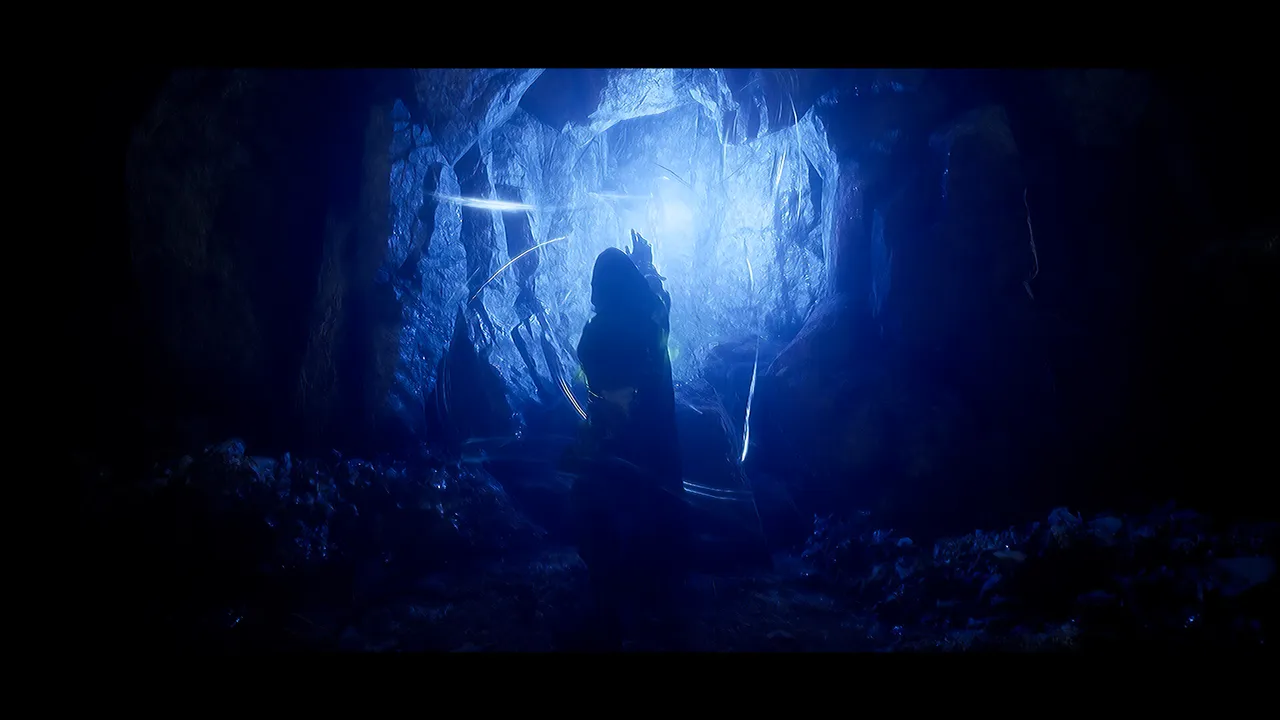
Arsiltus, once a thriving civilization, has been consumed by a spreading void born from the destruction of a protective artifact. Your role as the last guardian is to piece together what was shattered and seal the expanding darkness before it erases everything. That framing—hunting fragments of a broken world-saving object—suggests a narrative structure where exploration and story unfold together, and each relic piece recovered likely marks a meaningful story beat rather than a mere checkbox.
The semi-open world structure allows you to wander freely within collapsed terrain while following a primary quest thread, a middle ground between fully linear and entirely freeform. That design tends to work well when the world itself rewards curiosity, and given the post-catastrophe setting, it is plausible that hidden dungeons, optional bosses, and environmental storytelling are woven into the ruins.
What to Expect Before the July 31 Release Date
Combat depth will likely hinge on mastery of your chosen weapon and how well you can chain its unique skills with the runes and items you equip. A five-weapon roster is compact, so each one probably plays distinctly enough to encourage multiple playthroughs or save files rather than forcing everyone toward one optimal build. The crafting economy is critical too—if materials are scarce or tedious to farm, the whole advancement fantasy collapses. If they flow naturally from exploration and combat, the system breathes.
This is a game built for players who want combat-focused progression without the safety net of a level bar, and who enjoy semi-open worlds where getting lost or stumbling onto a boss early feels like discovery rather than punishment. Anyone seeking a tightly scripted story or aversion to grinding crafting materials should approach with caution. For fans of weapon-first action RPGs and procedural-feeling progression, The Relic: First Guardian offers a tangible alternative to the standard formula. Wishlist it now if levelless systems intrigue you; hold off if you need clearer proof the core loop survives a full campaign.

No comments yet. Be the first to share your thoughts.