
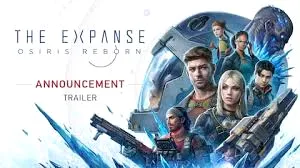
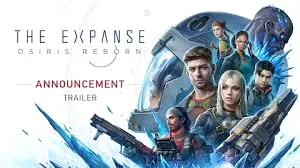
The Expanse: Osiris Reborn
About The Expanse: Osiris Reborn
The Expanse: Osiris Reborn casts you as a nobody instead of a hero, a mercenary who stumbles into The Expanse universe's sprawling geopolitical machinery and must navigate his way through faction lies and high-stakes intrigue. The release date is December 31, 2027 on PC, PlayStation and Xbox. Built by Owlcat Games, a studio known for faithful adaptations of complex source material into structured RPG systems, the game's defining gamble is whether a third-person action framework can sustain the kind of conspiracy-driven, choice-heavy narrative that defines The Expanse's fiction without collapsing into linear spectacle.
Mercenary in motion, not destiny
The shift from hero's journey to mercenary survival reframes what an Expanse game can be. You are not chosen, not important, and that constraint shapes everything: team assembly becomes a matter of hiring professionals with their own agendas rather than recruiting loyal companions; survival means playing factions against each other rather than defeating them; your mark on the solar system comes not from heroism but from the wreckage of choices made for pragmatism and profit. This is a harder sell than the usual power fantasy, and whether players engaged with The Expanse expect uplift or moral complexity will shape reception sharply.
Third-person action and branching consequence
Owlcat's earlier Pathfinder adaptations excelled at systems depth and narrative consequence within tactical frameworks, but The Expanse: Osiris Reborn runs on real-time third-person action, not turn-based mechanics. That shift demands either exceptional combat design or a willingness to let story and team tactics carry weight the action cannot hold. The studio's ability to thread systemic choice and faction reputation into moment-to-moment gameplay—where your mercenary team's composition and your accumulated lies actually matter in firefights and social encounters—will decide whether the game feels like a unified whole or a collection of good ideas awkwardly bolted together.
For players who came to Owlcat for mechanical depth and narrative entanglement, this is a genuine departure that could pay off handsomely or expose the studio outside its core strength. The release date window and the commitment to three platforms suggests serious backing, but whether Owlcat can sustain tension and consequence across ninety hours of action-driven gameplay without the tactical scaffolding that made Kingmaker and Rogue Trader work remains genuinely unproven.

No comments yet. Be the first to share your thoughts.