
About Fable
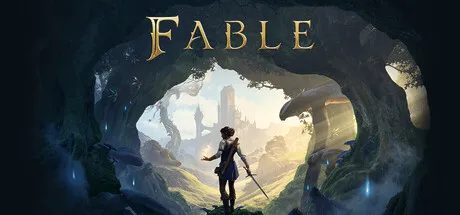
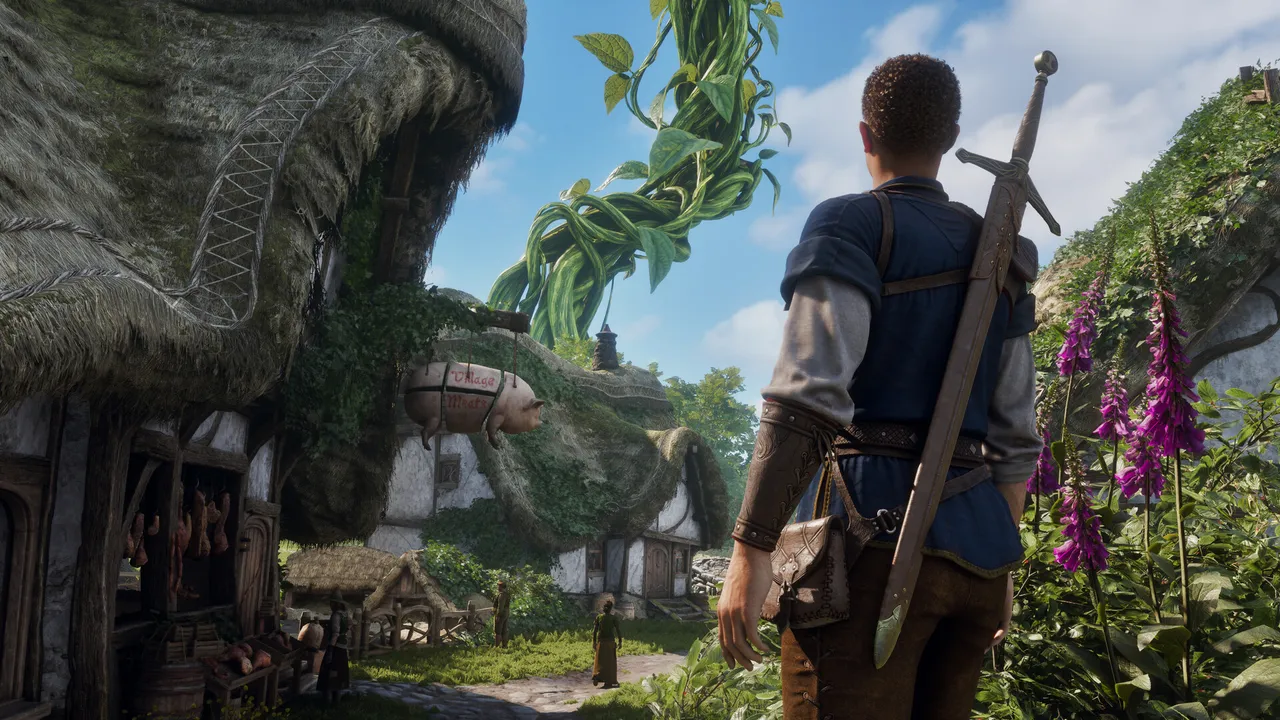
Fable arrives February 23, 2027 on PC, PlayStation, and Xbox as Playground Games' attempt to resurrect a franchise that defined player agency in early-2000s RPGs. The release date marks a genuine reboot rather than a sequel, positioning itself as the first hero's journey in a new generation of Albion, which means the studio is betting everything on whether modern open-world design can recapture what made the original Fable compelling: a world that visibly responds to who you become, not just what you do.
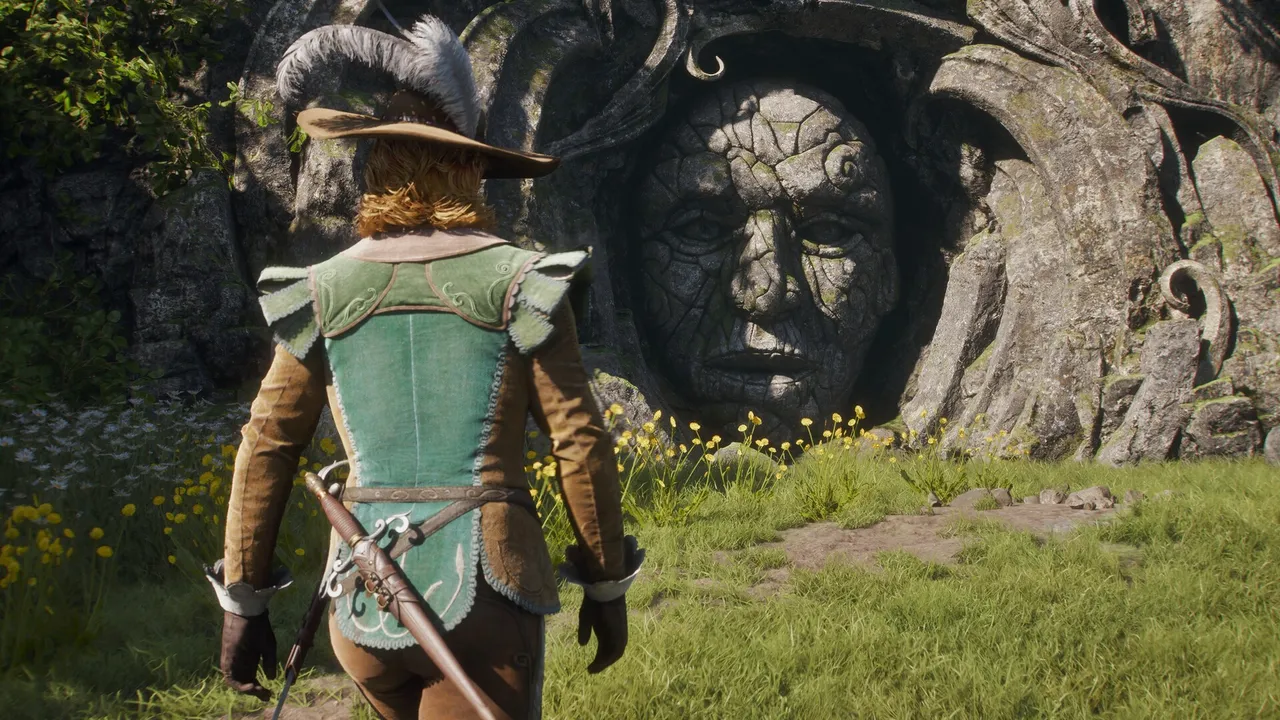
The central system here is reputation as a living mechanic, not a menu number. Your choices in combat, your business ventures as a landlord or blacksmith, your romances and family life, even how you dress and carry yourself—these supposedly ripple outward so that NPCs treat you differently, shops react to your presence, and the world's perception of your hero becomes a tangible force. This is the risk Playground Games is taking: reputation systems fail when they feel decorative, when dialogue acknowledges your choices but the world's behavior doesn't genuinely shift. The studio claims Albion is a living world, but whether routines, relationships, and economics actually respond to player identity at scale remains the core uncertainty.
Combat and Progression in an Open World
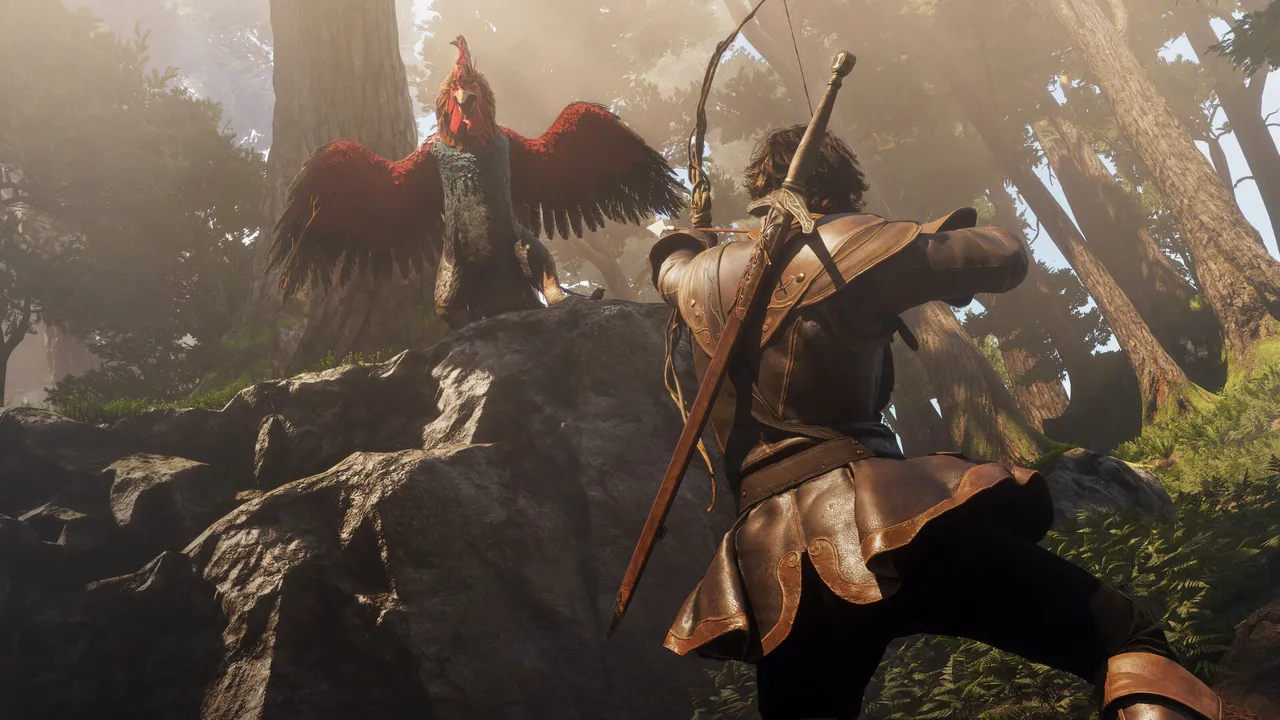
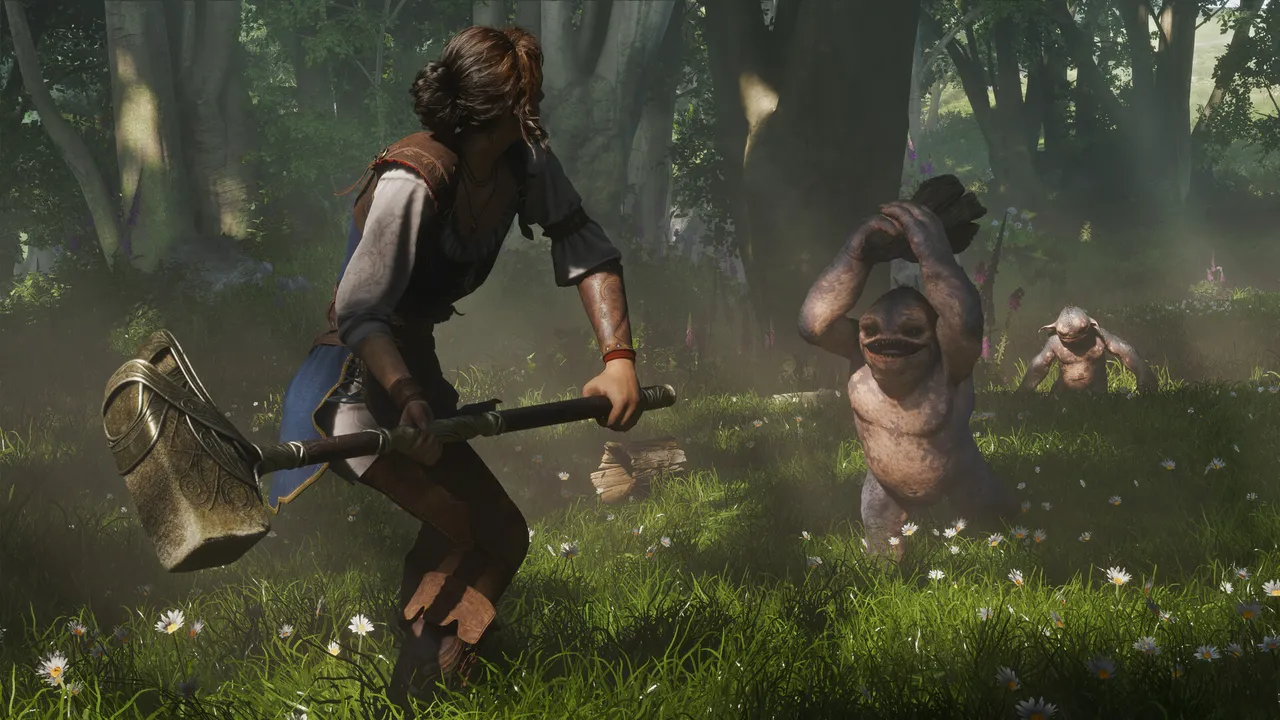
Combat blends melee, ranged, and magic in what appears to be real-time action rather than turn-based play, and progression ties directly to reputation gain. Defeat a bandit gang as a mercenary and your martial reputation grows; solve a dispute through cunning and you gain renown differently. The implication is that your power doesn't grow through leveling alone but through how you choose to interact with the world, which could either feel organic or force you into roleplay constraints if certain playstyles don't reward growth evenly.
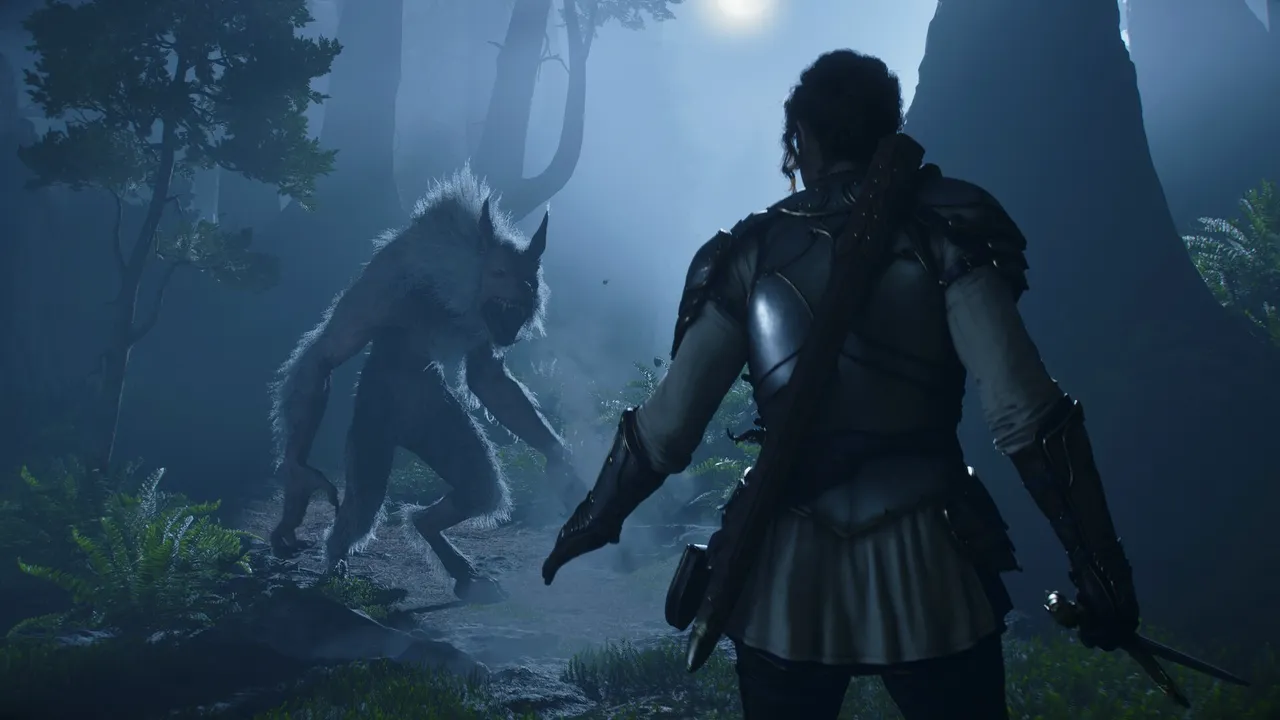
Enemy variety spans classic Fable creatures—Hobbes, Balverines, Trolls—alongside new threats, suggesting the studio respects series heritage while pushing forward. The fact that combat exists in an open world rather than a dungeon-based structure is significant; it means encounters can emerge organically or be avoided entirely, trading the focused boss gauntlet design of older action-RPGs for emergent scenarios.
A Franchise Returning After Thirteen Years
Fable III released in 2010. The gap matters because open-world RPG design has fundamentally shifted; The Witcher 3, Baldur's Gate 3, and Starfield have all reset expectations for how companions, dialogue, and consequence interact with scale. Playground Games is known for Forza Horizon's accessibility and environmental detail, not narrative depth or moral complexity. Whether that studio's strengths translate to a choice-driven world where every NPC remembers you is untested.
Romance, family building, and economic gameplay offer alternative paths to power and meaning, positioning this as an RPG where combat is one dialect of a larger conversation with the world. That breadth appeals to players burned out on hack-and-slash progression, but only if these systems feel interconnected rather than modular.
Pre-order bundles include cosmetics and gift items usable to build reputation, which is transparent monetization but also suggests cosmetics will matter in a game where appearance shapes how others see you—a thematic alignment that either reinforces immersion or feels like monetized psychology.
Add this to your wishlist now if you loved the original Fable's mix of dark humour and genuine choice, or if you want an open-world RPG where becoming a landlord or a legendary warrior carries equal weight. Wait for reviews if you need confirmation that reputation actually shapes NPC behavior and economic systems hold up at scale, or skip it if you prefer combat-focused design where story and roleplay stay compartmentalized from progression.
Features
System requirements
Minimum
- OS
- Windows 10 22H2
- Processor
- AMD Ryzen 5 2600 / Intel i7‐6850K / i5‐10400
- Memory
- 12 GB RAM
- Graphics
- AMD Radeon RX 6600 / NVIDIA GeForce RTX 2060 / Intel A580
- DirectX
- Version 12
- Storage
- 135 GB available space
- Additional Notes
- SSD required
Recommended
- OS
- Requires a 64-bit processor and operating system

No comments yet. Be the first to share your thoughts.