

About The Final Ascent
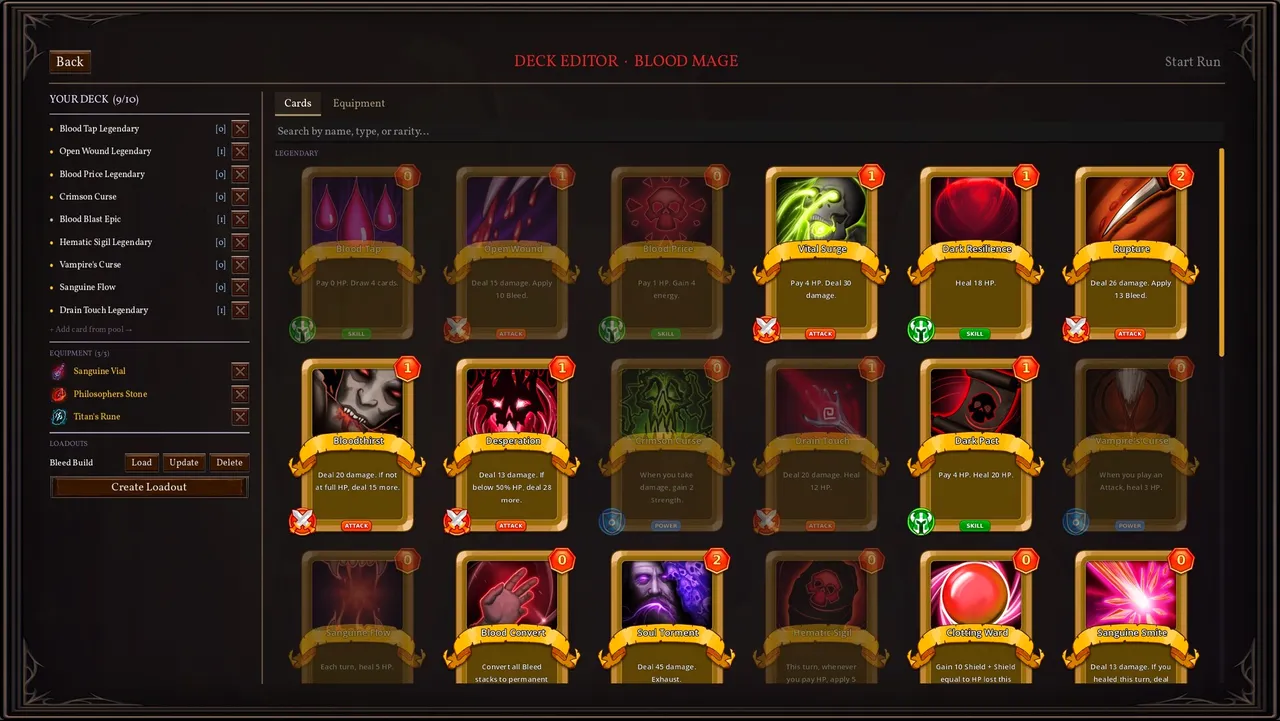
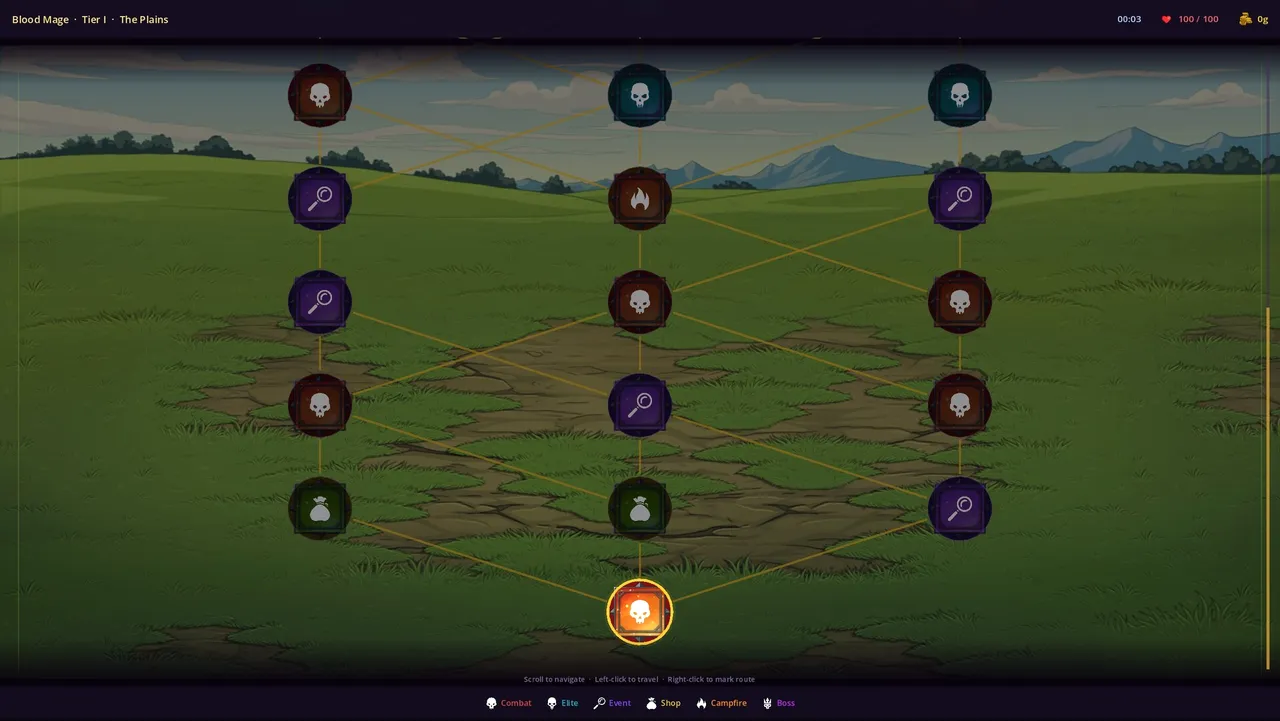
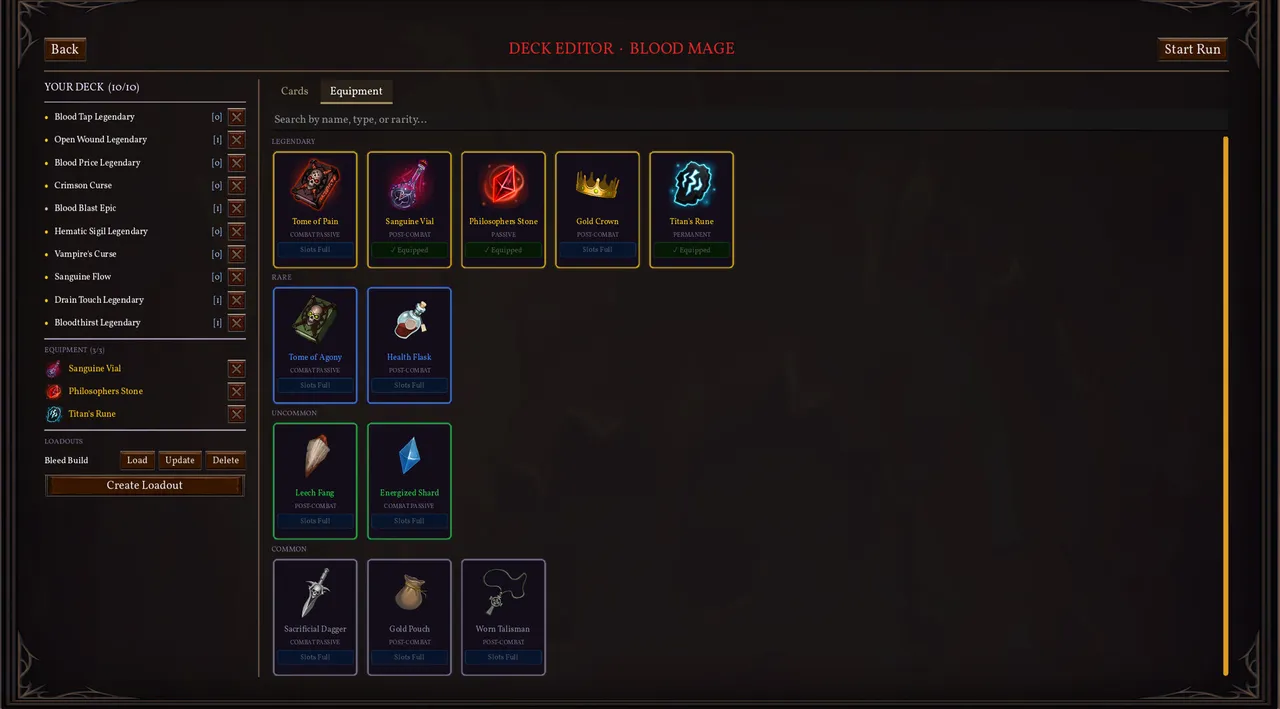
The Final Ascent is a deckbuilding roguelike that inverts the usual order: instead of discovering your strategy as you climb, you architect it before you begin. The release date for The Final Ascent is July 17, 2026 on PC. The central tension is between commitment and adaptation. You pick your starting ten cards and establish your entire approach to the Tower upfront, then execute that plan against encounters that escalate through rule-changing Affixes that fundamentally reshape what worked moments before. This is a game about reading the climb ahead and building to survive it, not stumbling through and hoping.
The Build-First Design
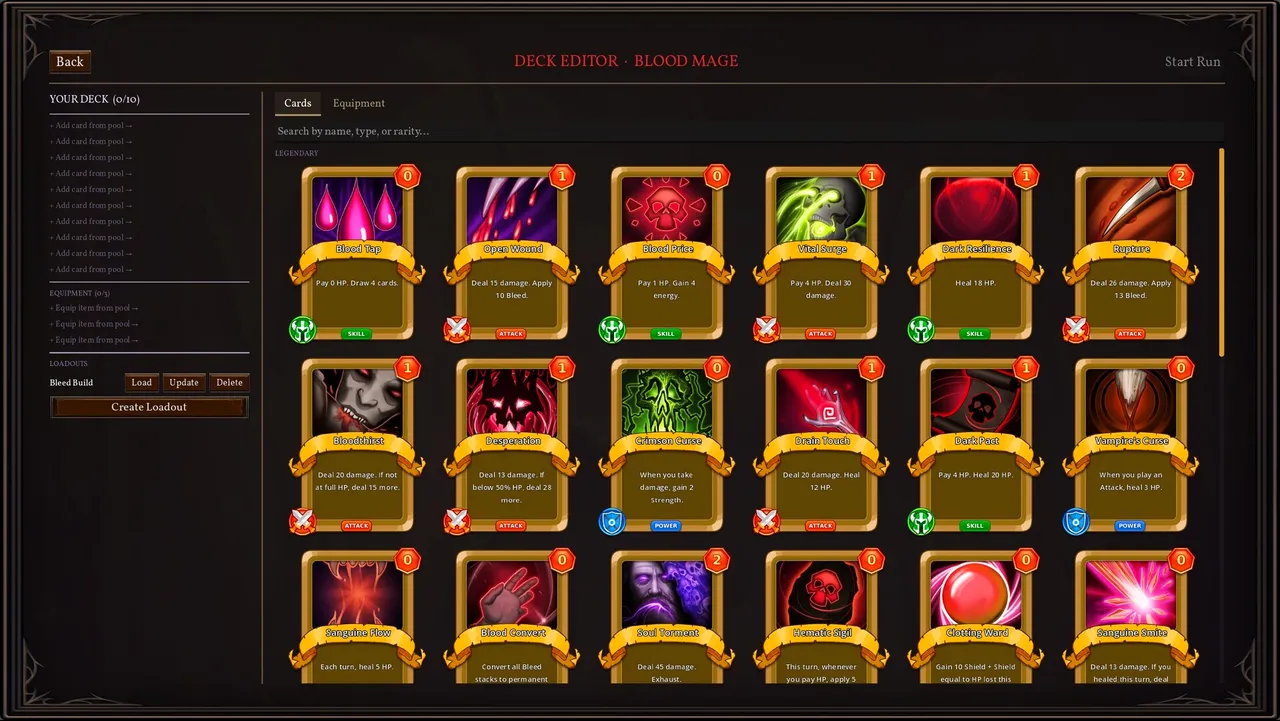
Most deckbuilders let you react to what you discover. The Final Ascent locks your foundation in place and makes you own that choice for an entire run. You choose from four classes—Blood Mage, Guardian, Berserker, Trickster—each with a distinct mechanical spine. The Blood Mage courts collapse, trading life for velocity. The Guardian stacks defence to the point of suffocation. The Berserker steamrolls with raw damage. The Trickster chains cheap actions into elaborate turns. Your opening ten cards must cohere around whichever class you pick, which means deck synergy is not a luxury, it is the entire game. You are not discovering a deck through lucky drops, you are building toward a vision and then testing whether that vision holds.
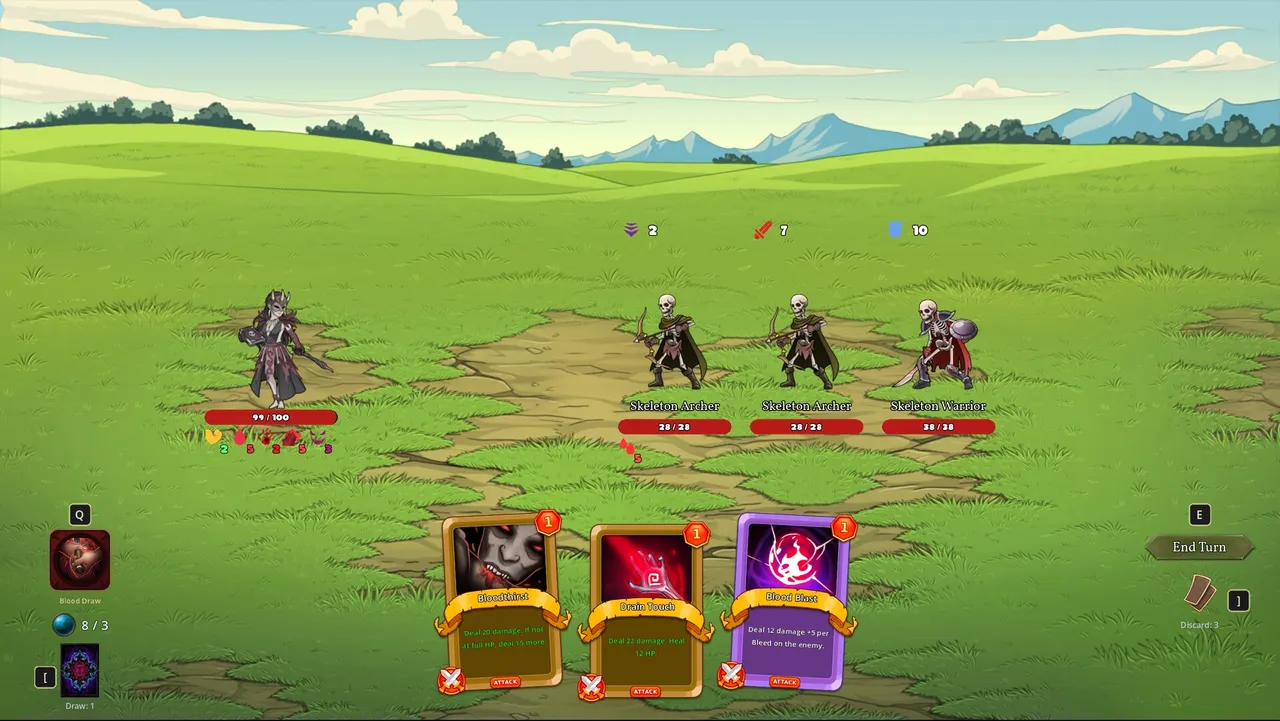
Each battle win feeds your collection: new cards and gear become available in future climbs. Progression is measured in global leaderboard position and run height. The design gamble is whether committing to a plan for the full climb stays tense when enemies grow harder through Affixes—rule tweaks that make encounters unpredictable despite your preparation. Whether the friction between your fixed strategy and escalating chaos remains engaging across multiple runs is the core question the game must answer.
Release date and what to expect
Larz Studios is shipping this solo and the release date aligns with a pure strategy experience built around repeated, intentional attempts rather than surprise discovery. If you thrive on deckbuilding systems where a ten-card core matters more than late-game luck, or if you like roguelikes where your first decision echoes through the entire run, add this to your wishlist now. Skip it if you need reactive discovery and the freedom to pivot mid-run—this one locks you in.
Features
System requirements
Minimum
- OS
- Windows 10 (64-bit)
- Processor
- Dual-core 2.0 GHz (Intel Core i3 / AMD equivalent)
- Memory
- 4 GB RAM
- Graphics
- Any Vulkan-capable GPU — Intel HD 500-series (Skylake, 2015+), NVIDIA GeForce 600-series (2012+), or AMD Radeon HD 7000-series (2012+)
- Network
- Broadband Internet connection
- Storage
- 1 GB available space
Recommended
- OS
- Windows 10/11 (64-bit)
- Processor
- Quad-core 2.5 GHz
- Memory
- 8 GB RAM
- Graphics
- Any Vulkan-capable GPU — Intel HD 500-series (Skylake, 2015+), NVIDIA GeForce 600-series (2012+), or AMD Radeon HD 7000-series (2012+)
- Network
- Broadband Internet connection
- Storage
- 1 GB available space






No comments yet. Be the first to share your thoughts.