
About Huntervania
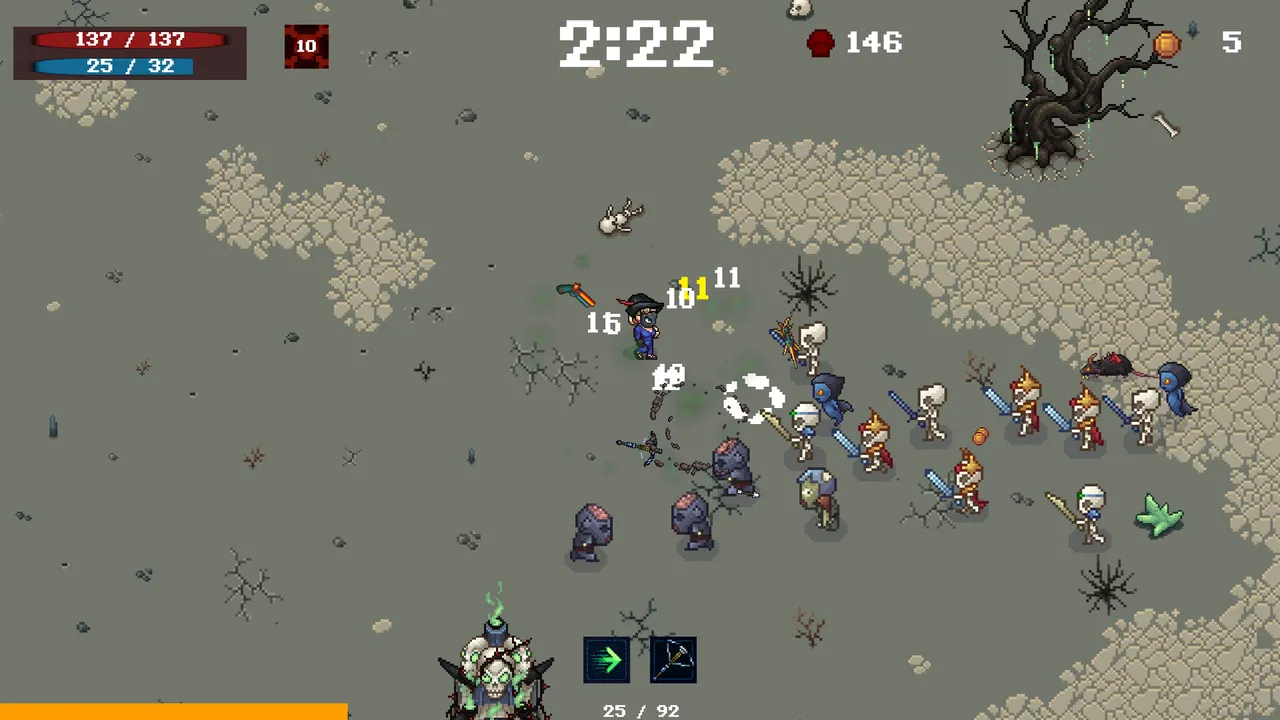
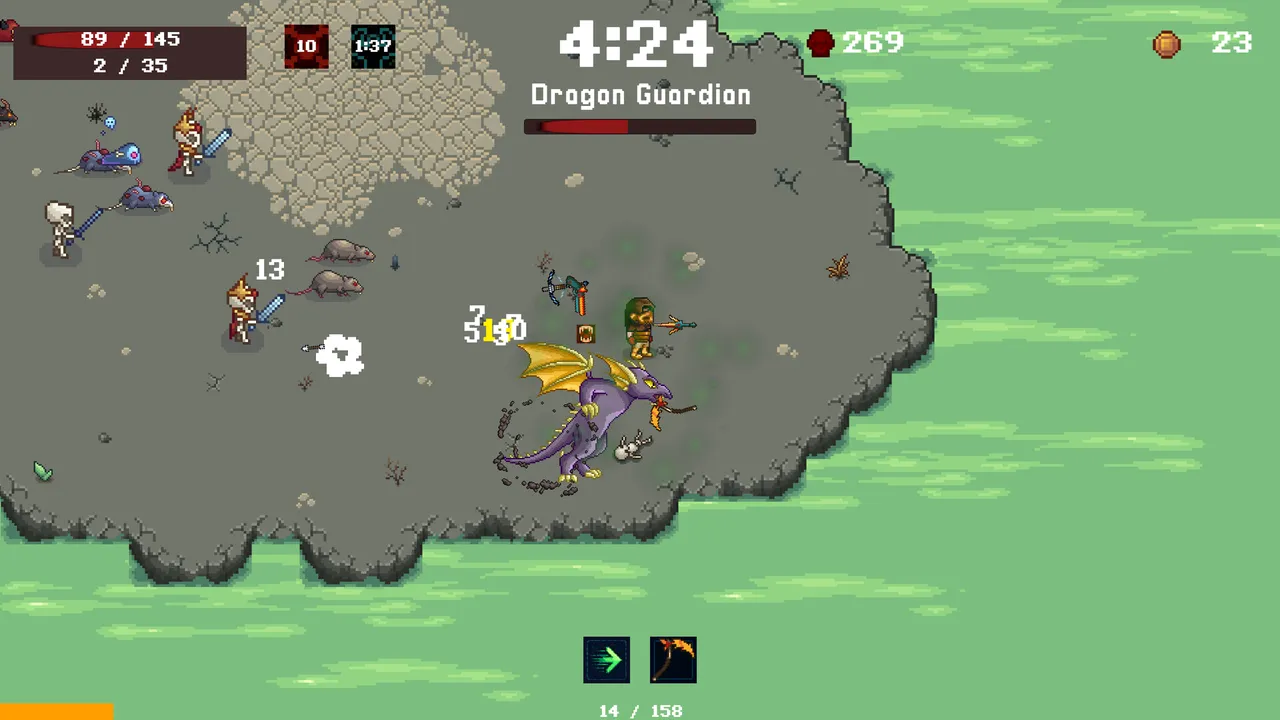
Huntervania releases July 17, 2026 on PC as a roguelike built entirely around a single decisive mechanic: your weapons fire without input, and you survive or die by movement alone. This is the core tension the game hangs on, borrowed directly from Vampire Survivors but inverted into something that demands constant positioning rather than permitting passive survival. Every second of a run forces a choice between aggressive advancement and retreat, and the clarity of that moment-to-moment loop is what separates a game like this from the dozen others chasing the same formula.
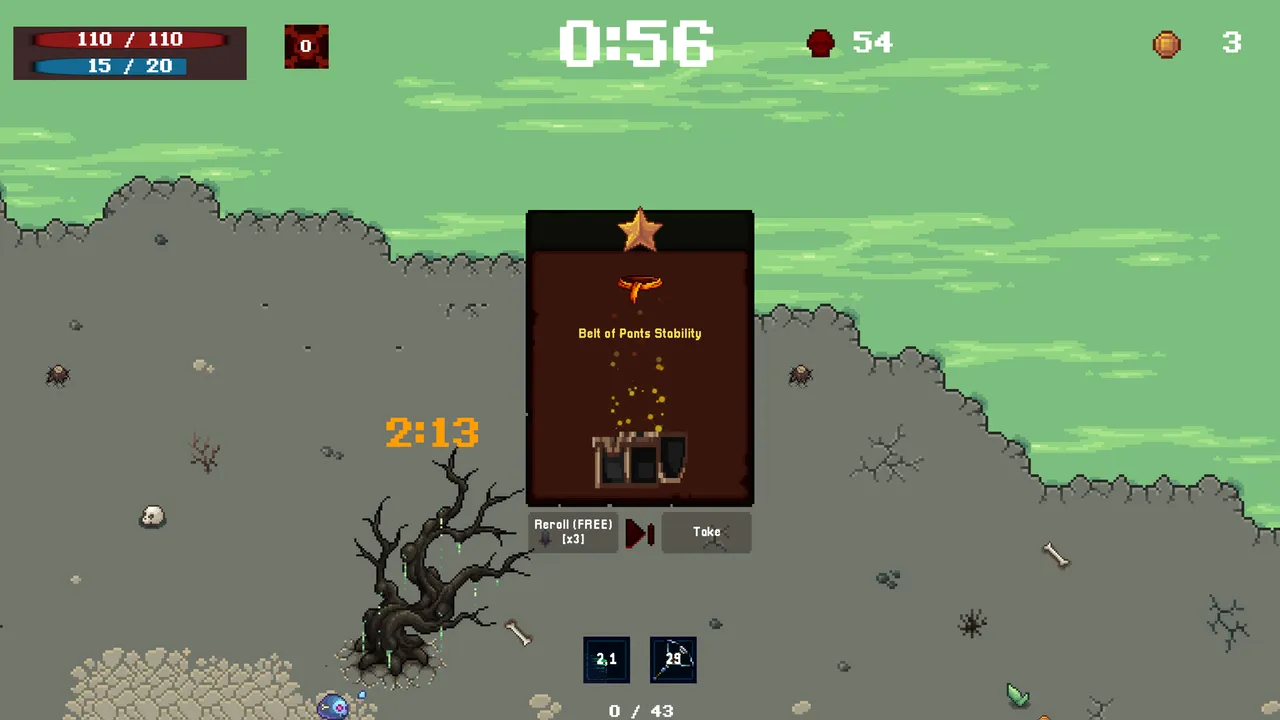
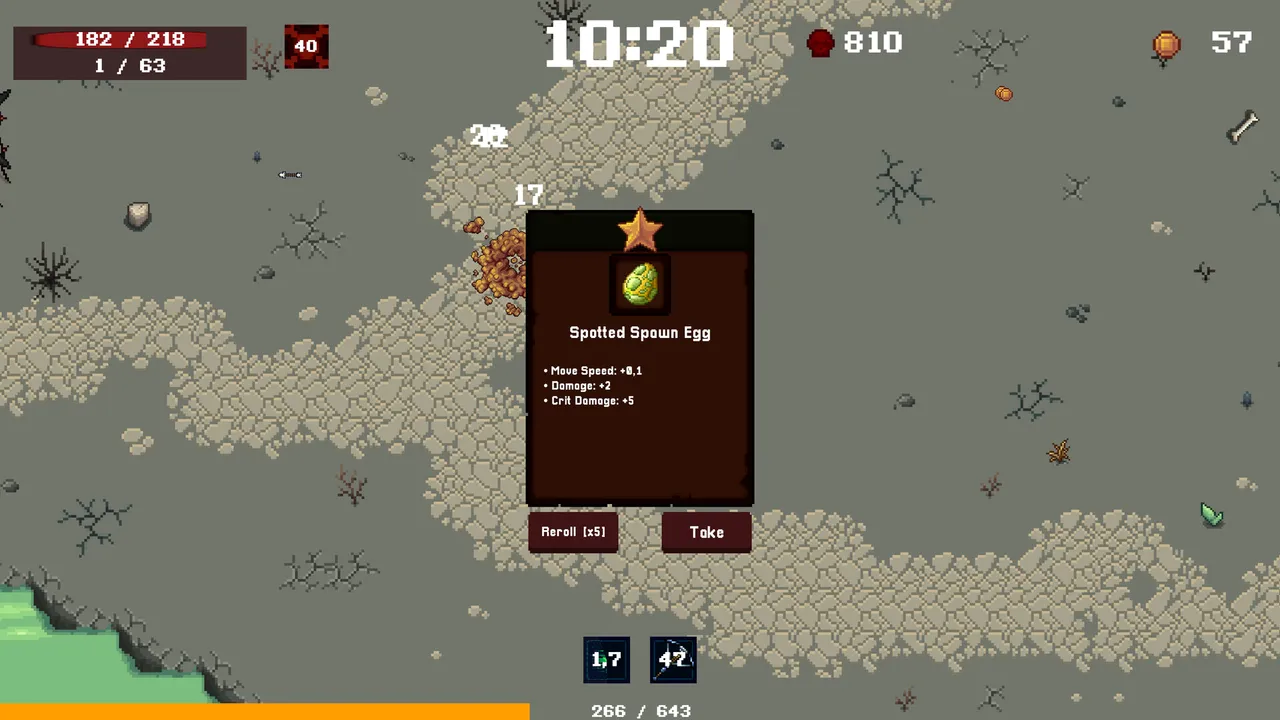
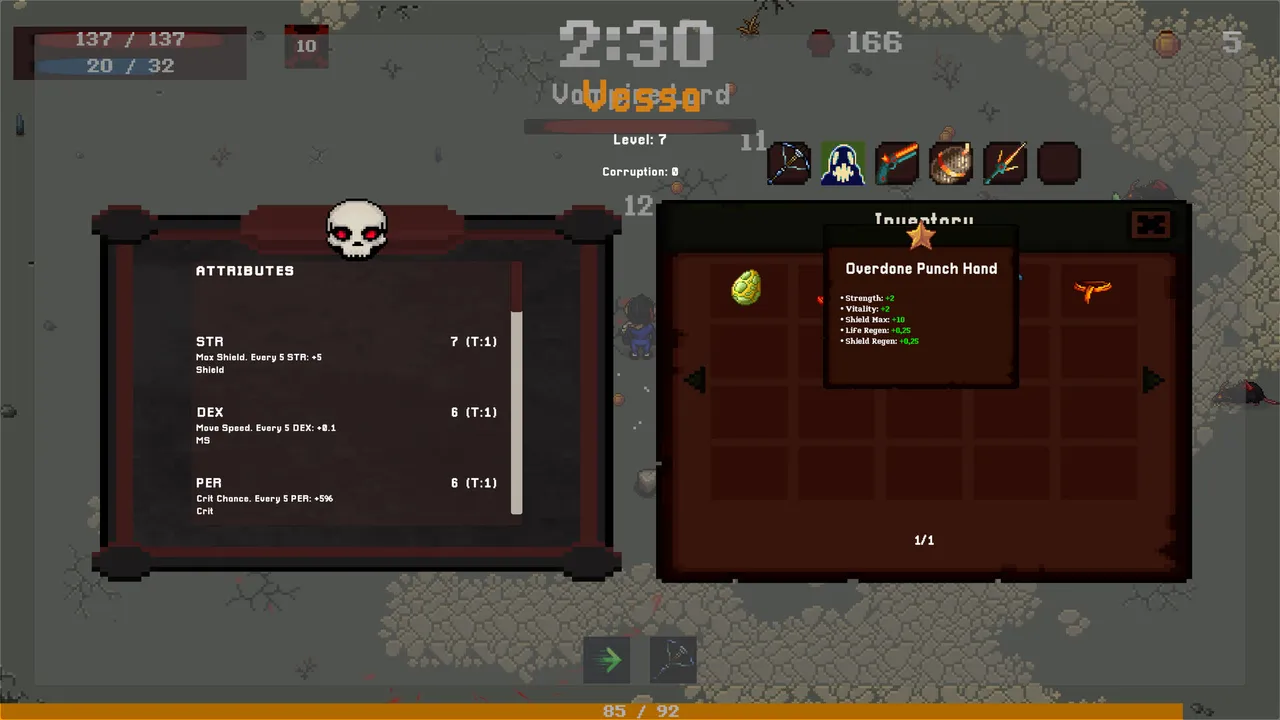
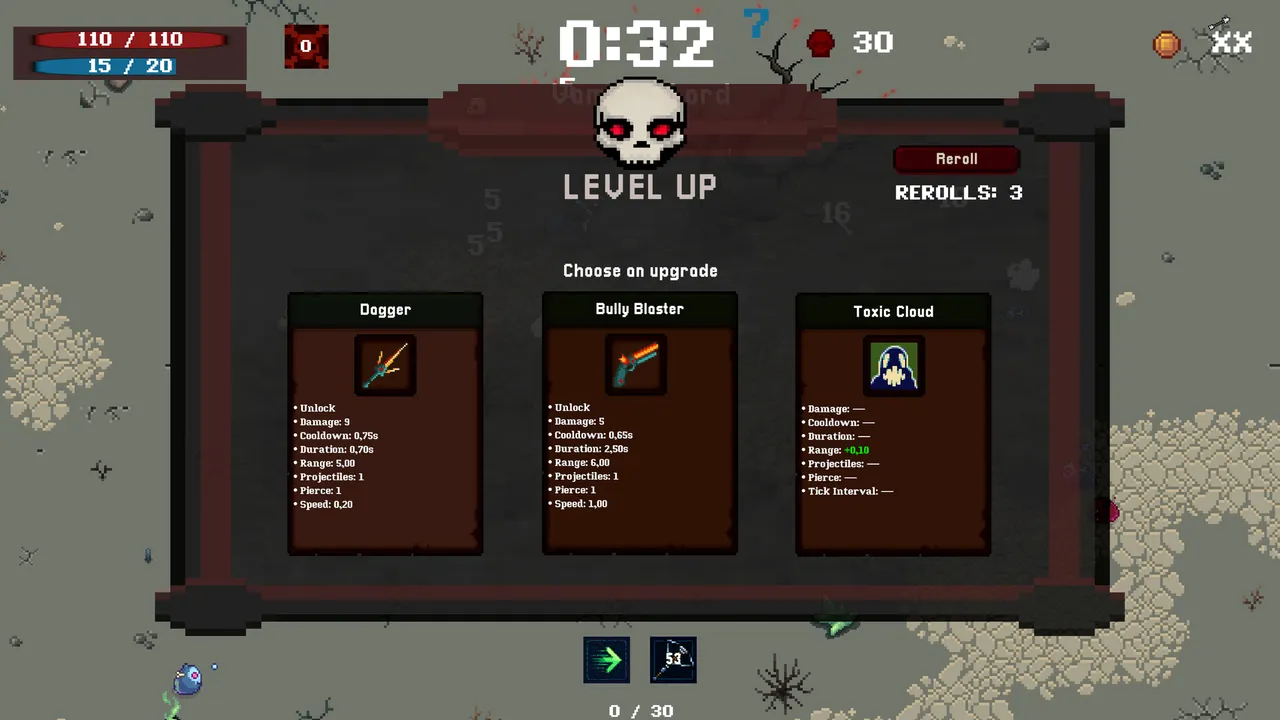
The build variety anchors the long-term engagement. Unlocking new weapons, passive upgrades, and their combinations gives runs genuine structural variety—synergies that can turn a weak starting tool into an engine for clearing screens, which is where the "break the game" appeal lives. This is familiar to anyone who has spent time with Slay the Spire or Hades, the joy of discovering a combination no one has tried before, except here the feedback is immediate and kinetic. Roguelike progression means every failed run unlocks something new to pull toward, a classic carrot that sustains dozens of attempts.
The release date for Huntervania and what the auto-attack system demands
The critical gamble Huntervania is making is whether auto-attack creates enough strategic depth to sustain a full run. In Vampire Survivors the threat is volume and the stage itself, designed so you can survive through position alone. Here, if the only active skill is dodging, the question becomes whether enemy variety, arena design, and build synergies are enough to keep ninety seconds of pure movement tense. A weak horde design or repetitive enemy patterns will collapse the whole structure into busywork. The pixel-art styling and dark monster aesthetic suggest atmosphere they are banking on, but aesthetics cannot rescue hollow moment-to-moment play.
This is for players who want Vampire Survivors' twitchy pacing but tire of the autopilot feel, or anyone chasing the deckbuilding high of discovering a broken build in a compact twenty-minute window. If you need input-driven combat or story scaffolding, move on. If your tolerance for roguelike repetition only stretches to ten or fifteen runs, this will not reward that patience.
Wishlist now if the Vampire Survivors format appeals but you want the decision-making centered entirely on you. Wait for early reviews if you need proof that the movement layer stays tense for a full run.
Features
System requirements
Minimum
- OS
- Windows 10
- Processor
- Any Intel Core or AMD
- Memory
- 4 GB RAM
- Graphics
- Intel HD Graphics 4000 / Radeon HD 7000 / GeForce GT 630
- DirectX
- Version 11
- Storage
- 500 MB available space
- Sound Card
- Any
Recommended
- OS
- Windows 10 / 11
- Processor
- Any better Intel Core or AMD
- Memory
- 4 GB RAM
- Graphics
- Intel HD Graphics 4000 / Radeon HD 7000 / GeForce GT 630
- DirectX
- Version 12
- Storage
- 500 MB available space
- Sound Card
- Any

No comments yet. Be the first to share your thoughts.