
About Destiny Unknown
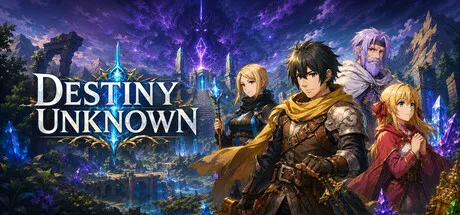
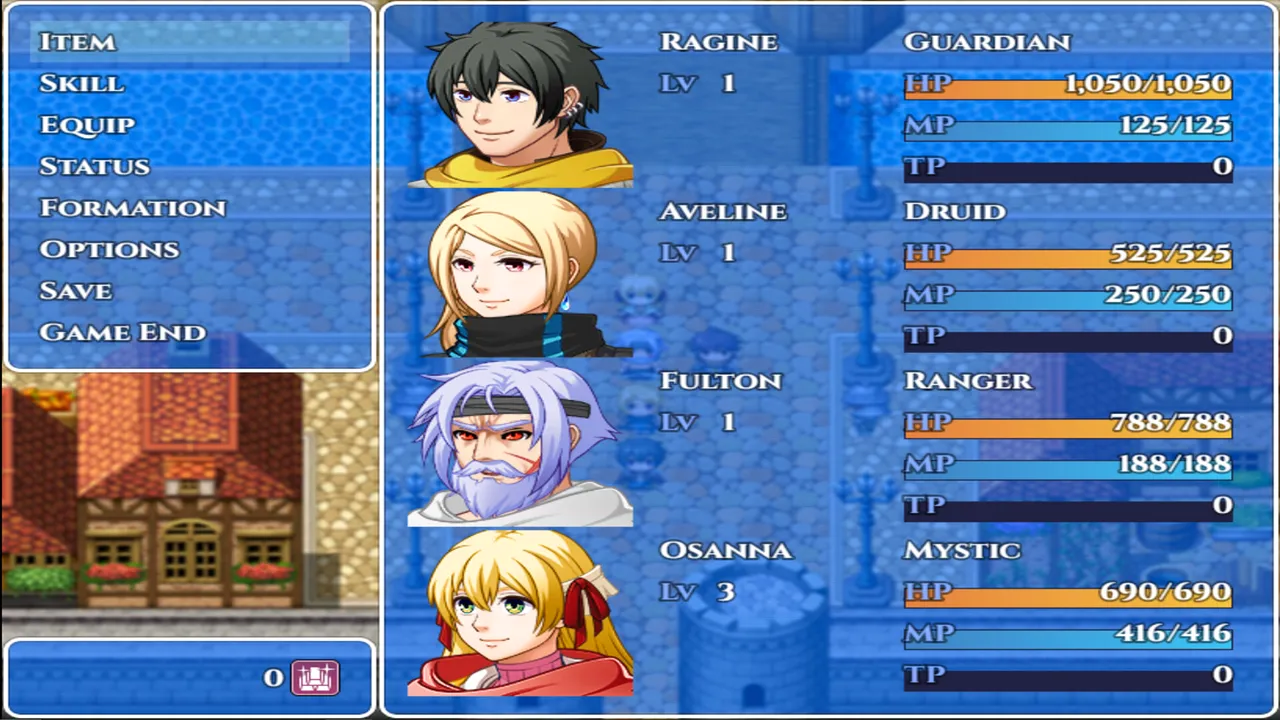
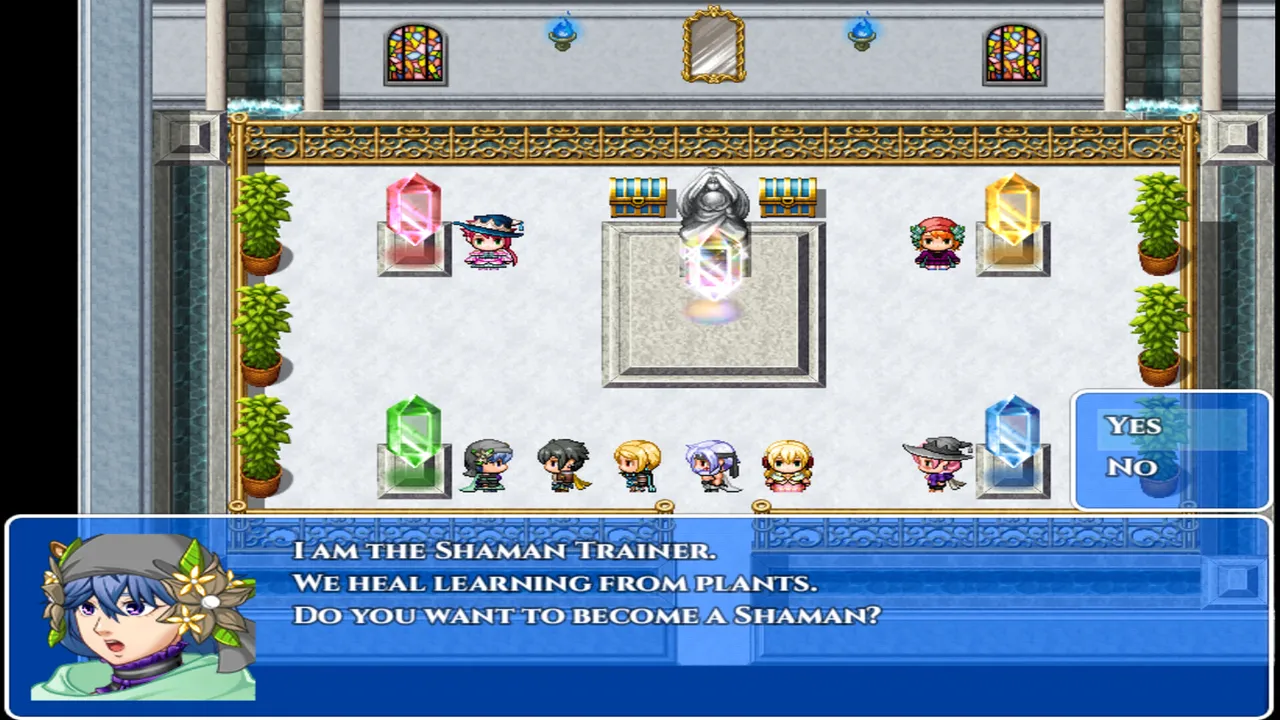
Destiny Unknown is a class-driven turn-based fantasy RPG where the core appeal hinges on party composition: you select four characters from a roster of 16 classes, each locked into a specific combat role, and that fixed lineup determines how every battle unfolds. The release date for Destiny Unknown is July 17, 2026 on PC.
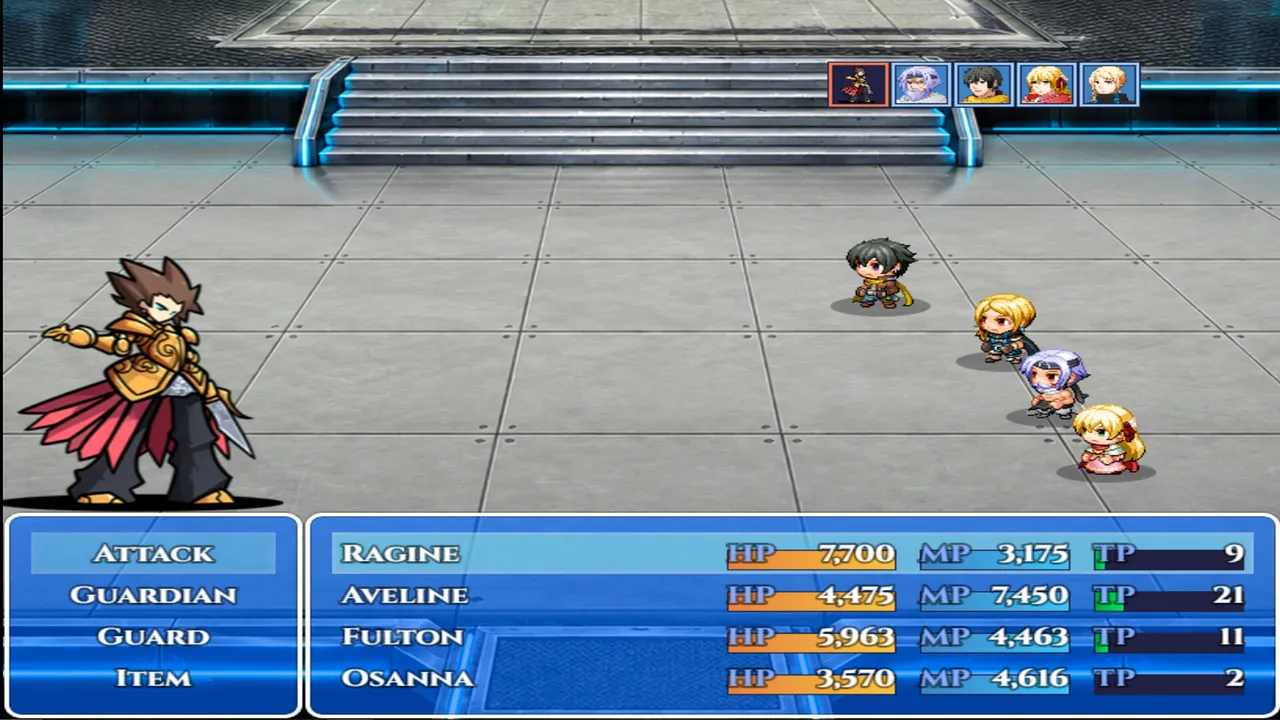
This is not a game about late-game respeccing or swapping builds mid-dungeon. The constraint is the mechanic. You commit to a tank, a physical attacker, a magic damage dealer, and a healer—or you stack redundancy and accept the gaps—and that decision gates what strategies are available to you for the rest of the playthrough. With roughly 230 skills distributed across those 16 classes, the depth comes not from individual flexibility but from the hundreds of party configurations and how each handles the 100-plus enemy types you will encounter. A party of three damage dealers and one healer plays fundamentally differently from a balanced squad, and both are viable; the game is asking you to know your team's weaknesses before you walk into a fight.
What the release date and scope signal
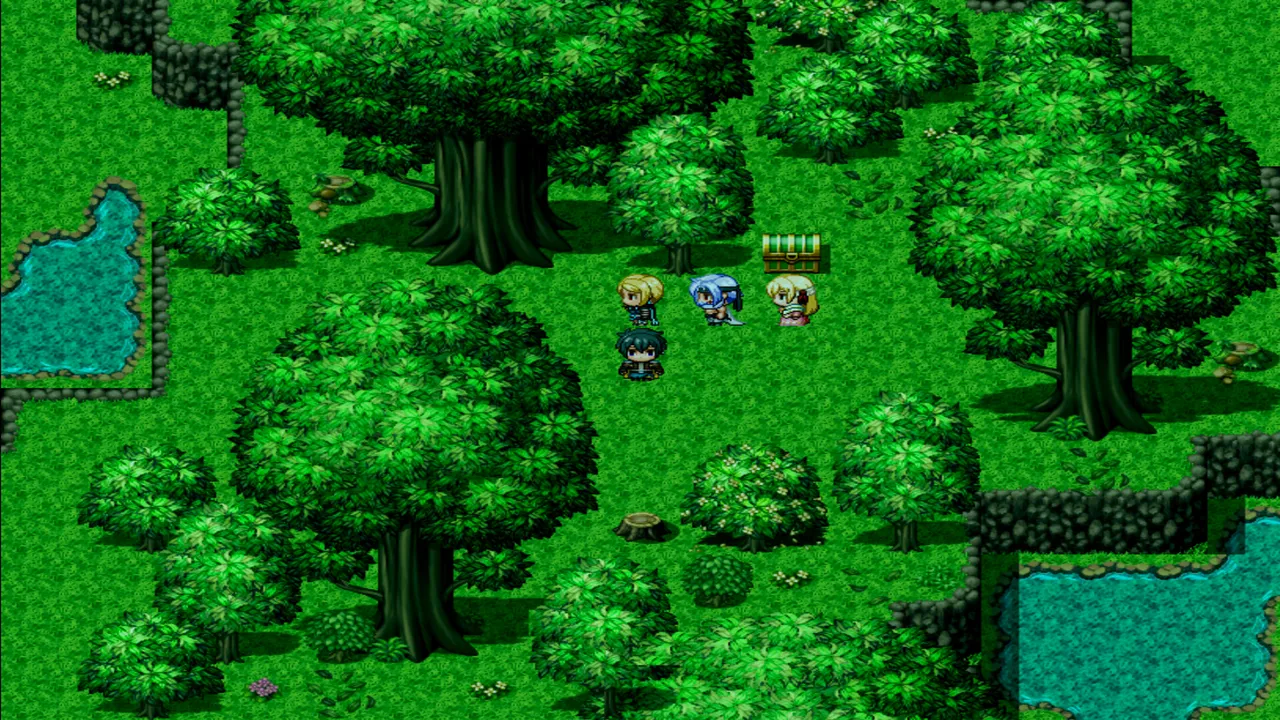
Eight regions and optional bosses suggest a game built for deliberate exploration rather than linear progression, and two possible endings hint at meaningful divergence late in the story. The indie studio size and solo developer credit point toward intentional restraint rather than feature bloat—this is a focused design, not a 120-hour epic. Turn-based combat in 2026, when real-time action dominates the RPG market, is a deliberate choice that rewards methodical players and punishes impatience.
The real gamble is whether the depth of class synergy and enemy variety sustains interest across the whole campaign, or whether party building resolves too quickly into an obvious optimal choice and subsequent fights become routine execution. For players who thrive on building teams and reading enemy patterns—think Fire Emblem without permadeath, or early Divinity: Original Sin's focus on status effects and positioning—this is exactly the kind of sandbox. Anyone expecting action combat, character retraining, or a story that dominates the mechanical layer should look elsewhere.
Wishlist if you loved traditional party-building RPGs and have the patience for turn-by-turn tactics; skip if you need real-time engagement or narrative-first storytelling.
Features
System requirements
Minimum
- OS
- Windows 10
- Processor
- Intel Core 2 Duo or equivalent
- Memory
- 4 MB RAM
- Graphics
- DirectX 9/OpenGL 4.1 capable GPU
- Storage
- 2 GB available space
- Sound Card
- DirectX compatible sound card
- Additional Notes
- Keyboard and mouse recommended.



No comments yet. Be the first to share your thoughts.