
Computer Revolution
About Computer Revolution
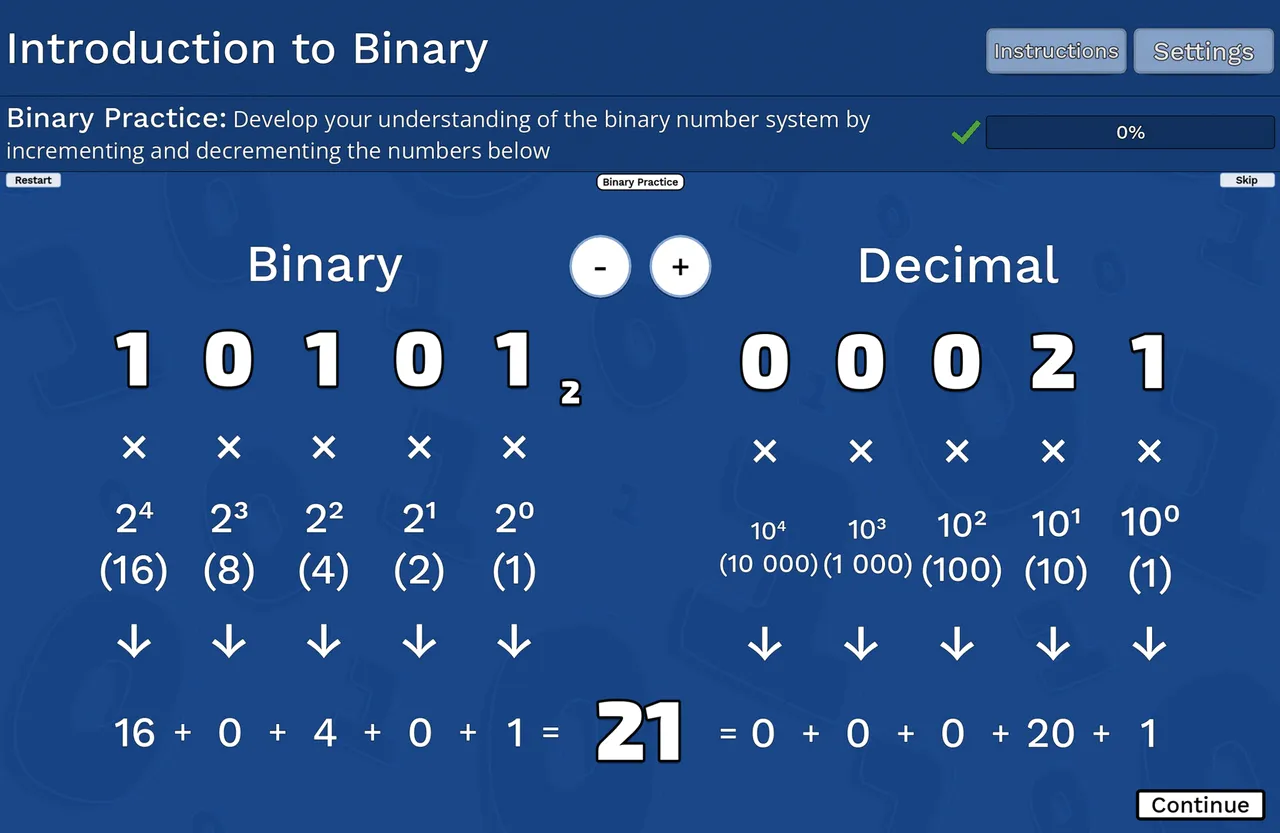
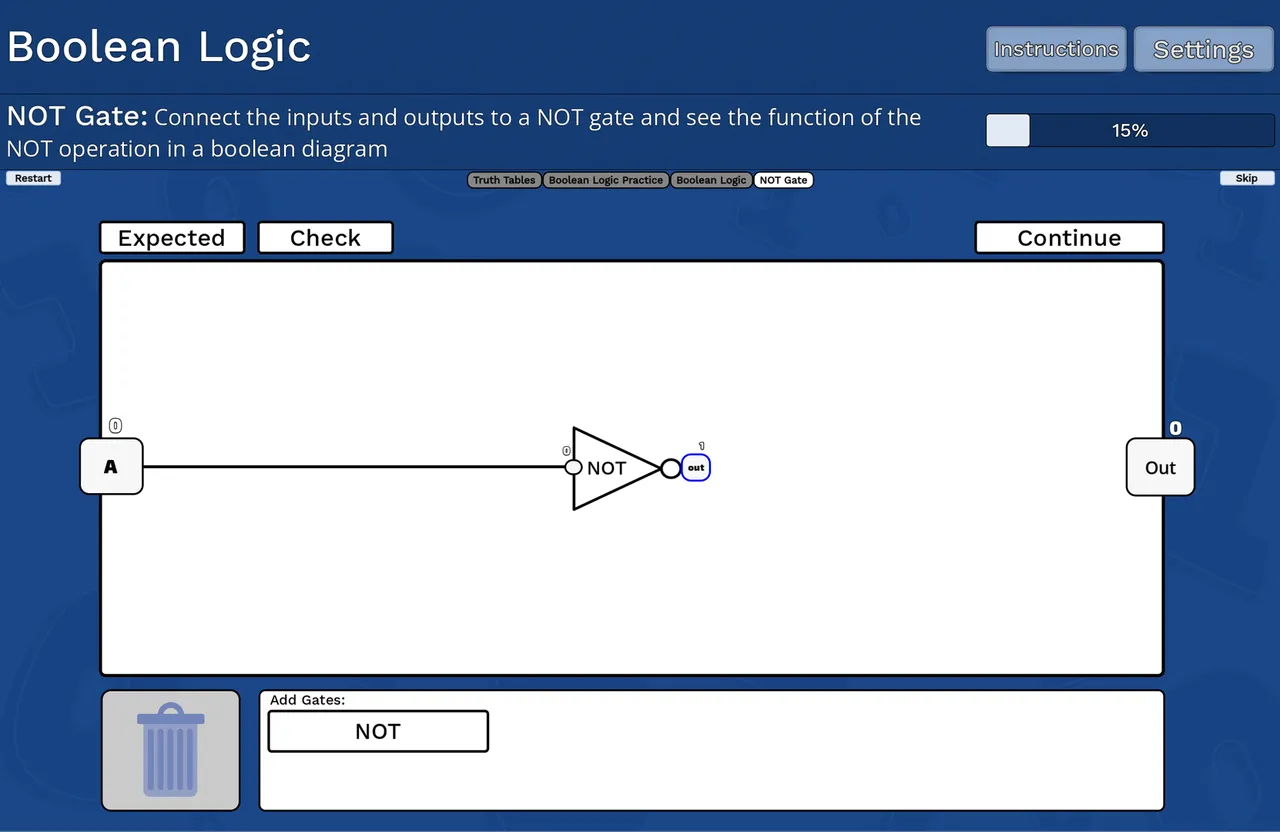
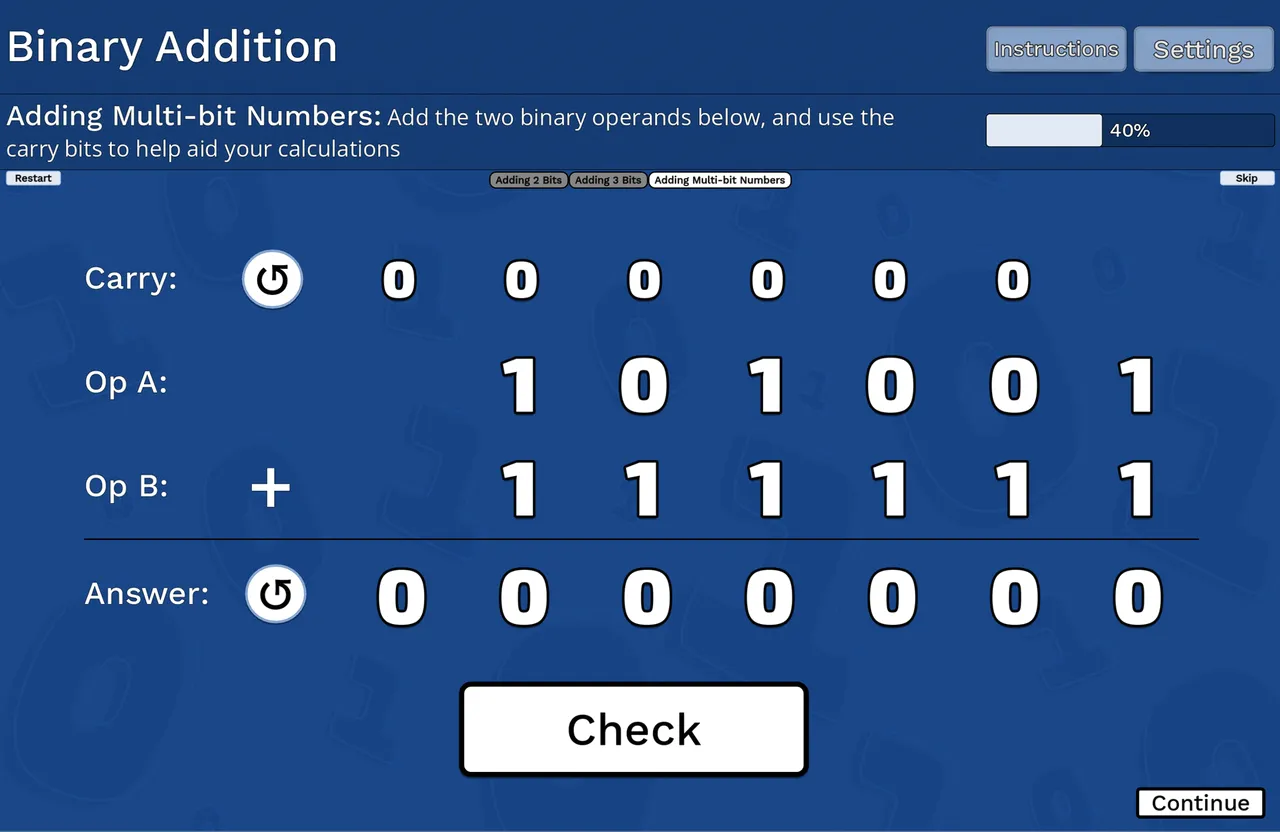
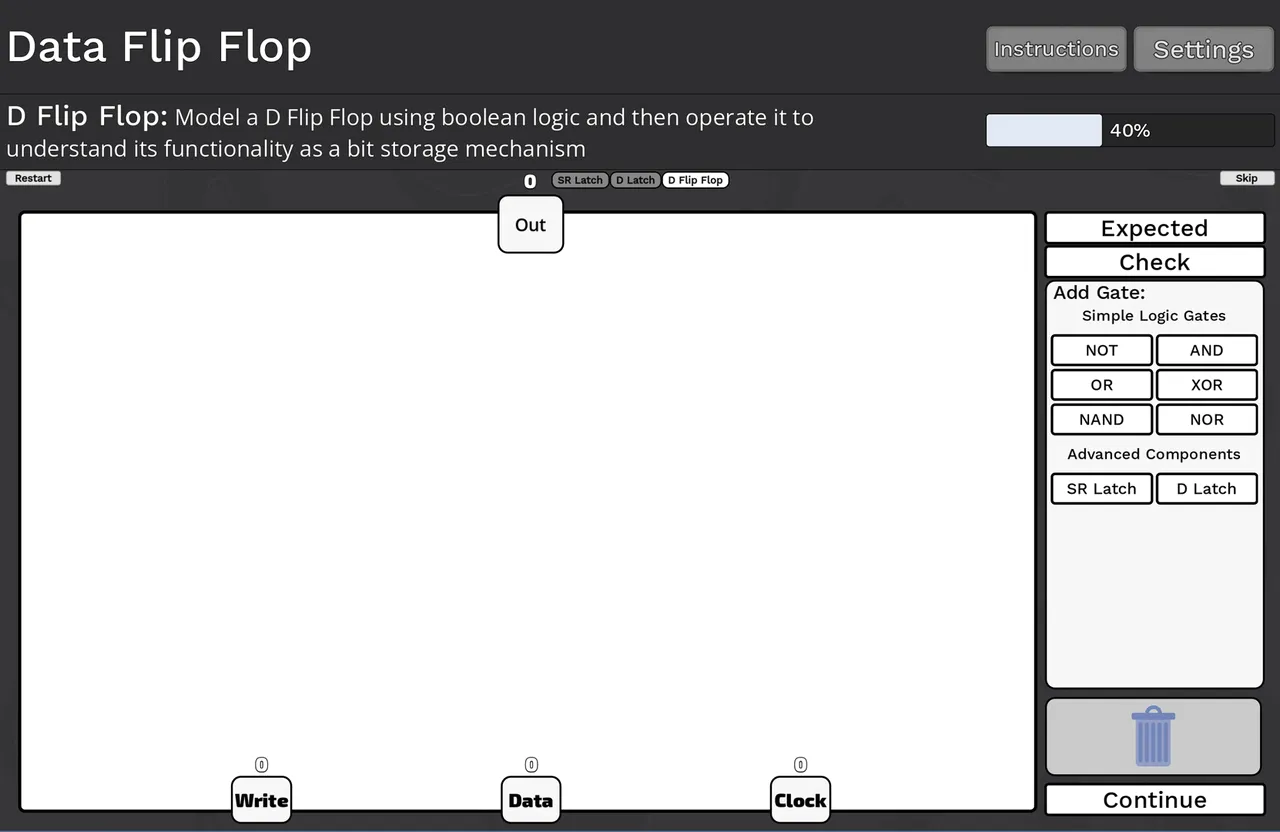
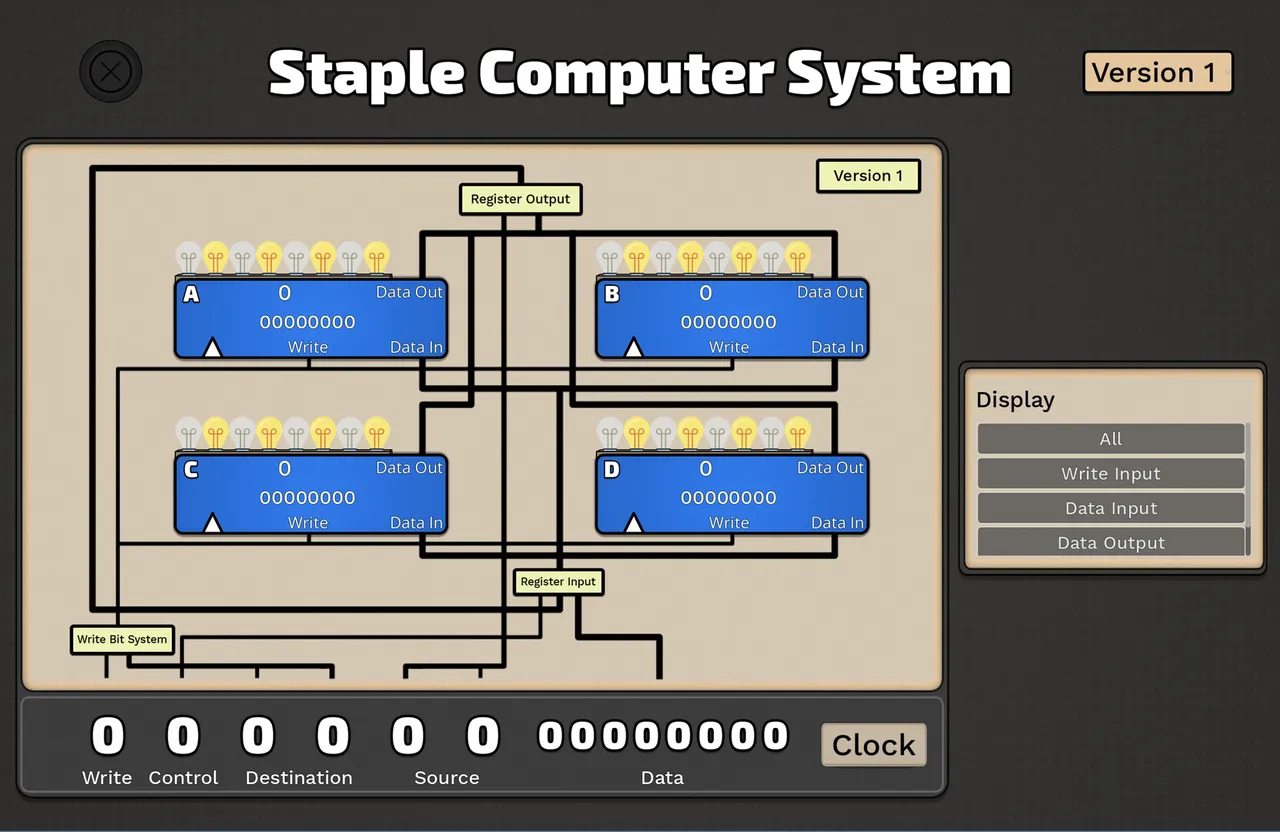
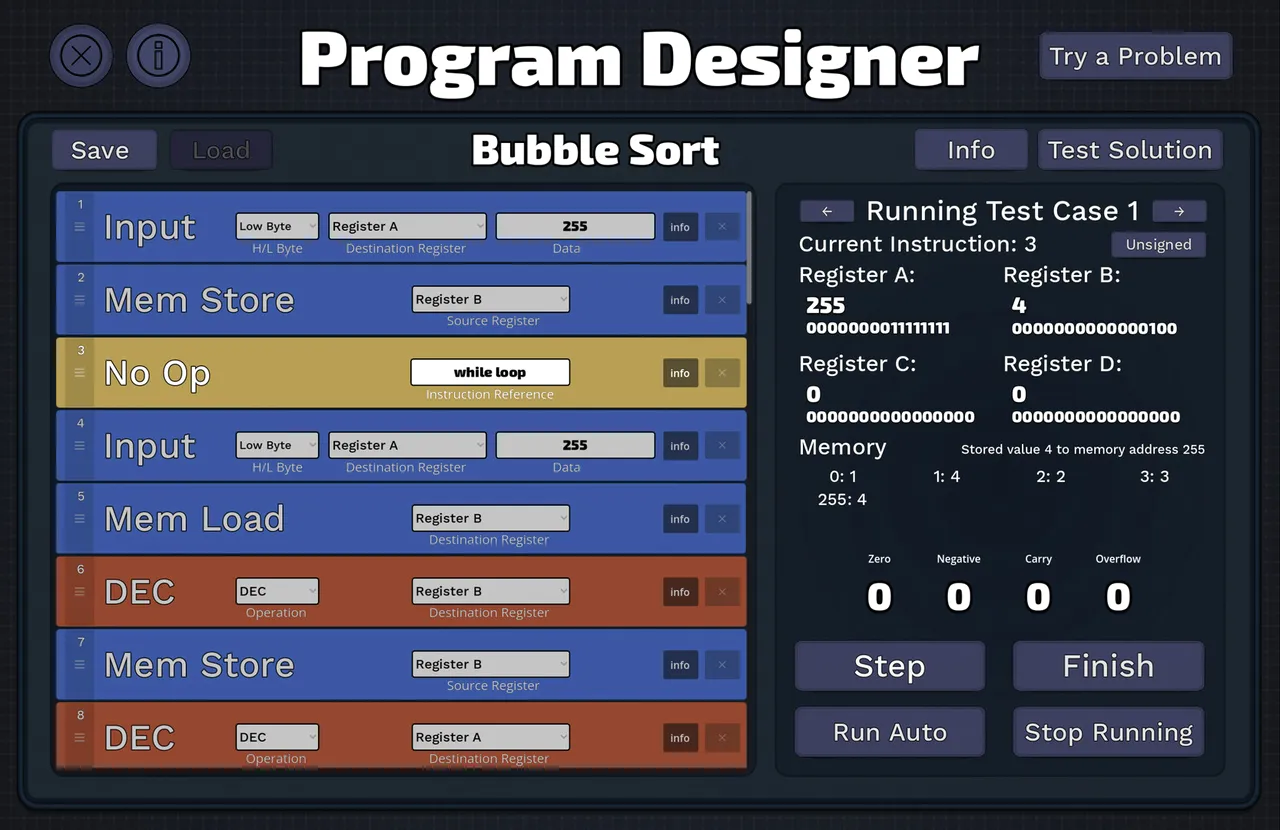
Computer Revolution is an educational introduction to computer science built around hands-on construction rather than passive learning. The release date for Computer Revolution is July 15, 2026 on PC. Instead of lecturing students through abstract theory, the course uses a problem-solving framework: each lesson presents a gap in knowledge, explains how to fill it, then asks learners to apply that knowledge by working through practical exercises. This structure means you move from understanding binary numbers and boolean logic into designing and programming a basic computer system, with each step building directly on what came before.
The current version contains 17 of 25 planned lessons, so you are getting a partial course at launch rather than a complete one. What exists follows a linear progression where lessons layer on each other in modular steps, avoiding the usual problem of jumping between disconnected topics. Each lesson pairs a narrative framing of why a concept matters, a roughly ten-minute video explanation, hands-on exercises, and additional learning tools. The entire release date structure places this as an ongoing educational project with more content coming, rather than a finished textbook.
Who this suits and what to expect
This is aimed at anyone starting to learn computer science with no background required, whether a casual learner or a serious student. It sits between a conventional online course and interactive software, leaning heavily on the hands-on building aspect to create understanding rather than memorisation. The pedagogical bet is that solving problems yourself, after seeing why they matter, teaches deeper than watching explanations alone. Whether that approach sustains engagement across 25 lessons once the foundational material becomes more abstract is the real question the full course will have to answer.
If you learn best from doing rather than watching, or if you have wanted to understand how computers actually work at a fundamental level without getting lost in a university course, this targets exactly that need. Skip it if you prefer traditional textbooks or if you are already comfortable with computer architecture and programming.
System requirements
Minimum
- OS
- Windows 10
- Processor
- 2.0 GHz
- Memory
- 1 GB RAM
- Graphics
- OpenGL 3.3 compatible GPU
- Storage
- 3 GB available space





No comments yet. Be the first to share your thoughts.