



About What Awaits, Aleksey?
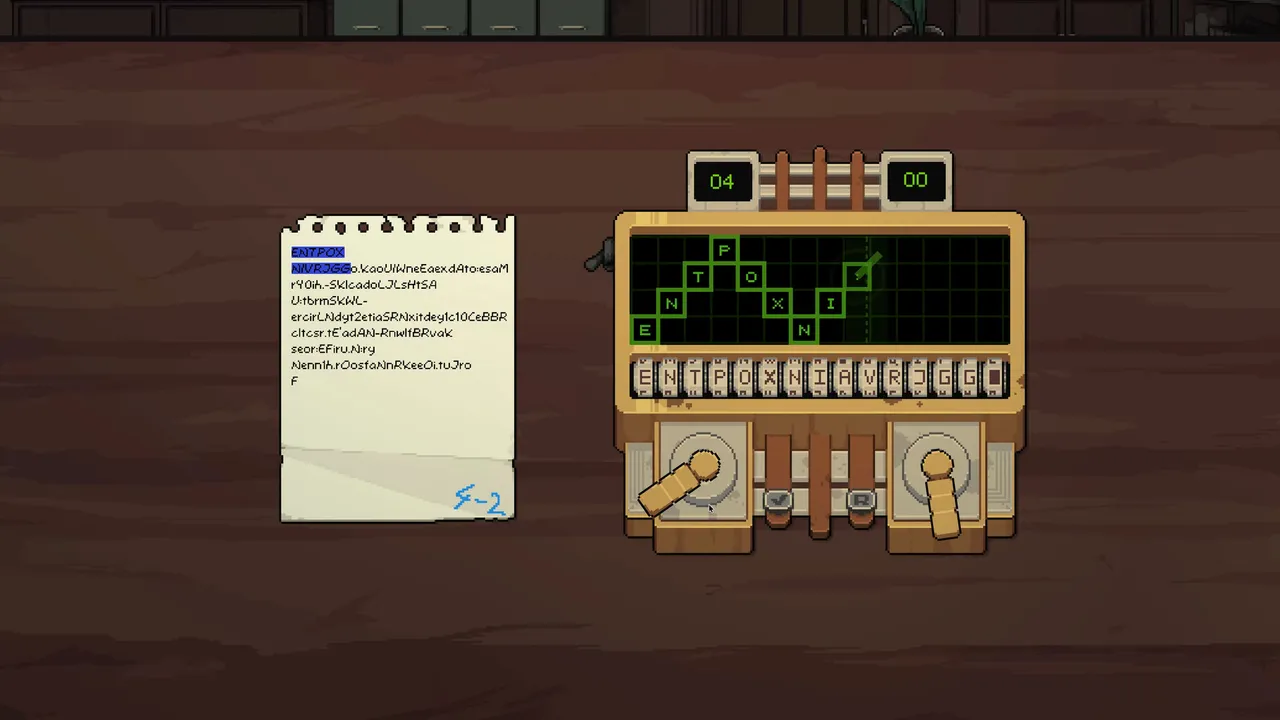
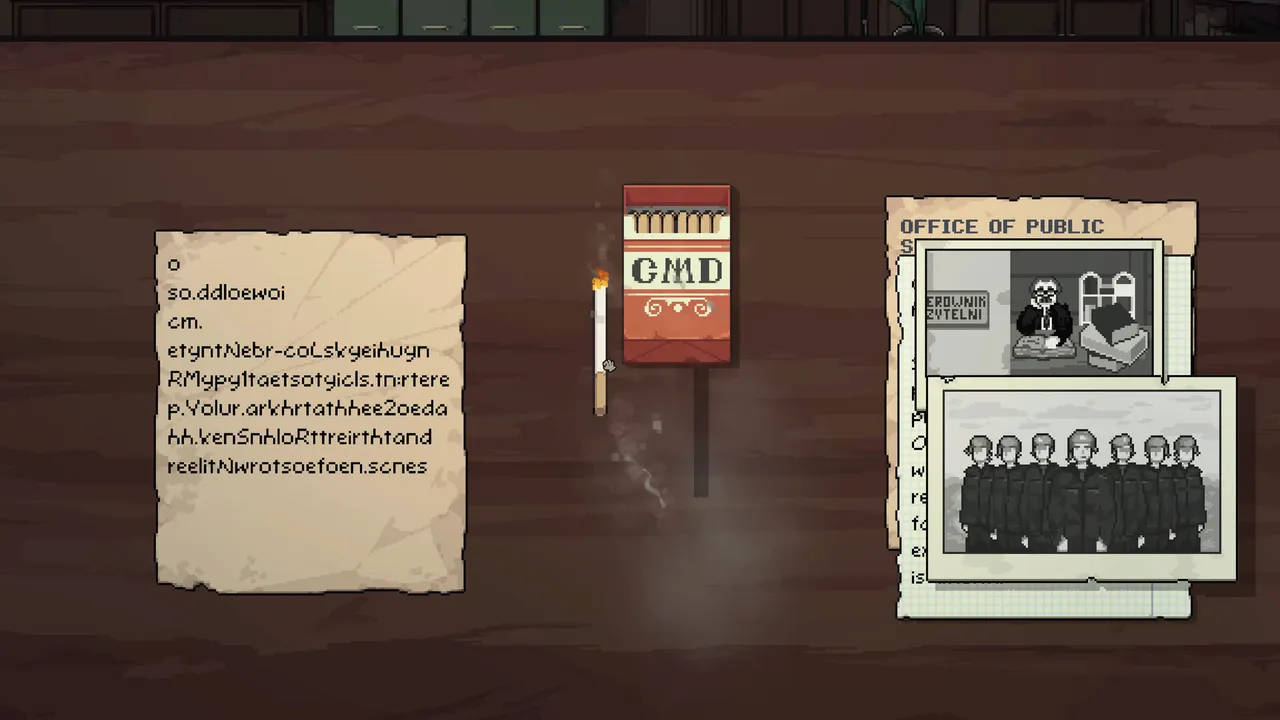
What Awaits, Aleksey? is a document-analysis game that treats espionage work as a puzzle of information assembly. You play a junior cryptology analyst in a fictional 1970 communist state, receiving daily packages of evidence—intercepted letters, coded messages, wiretap recordings, photographs—and tasked with extracting a coherent picture of suspected subversive networks from fragments that refuse to connect at first glance.
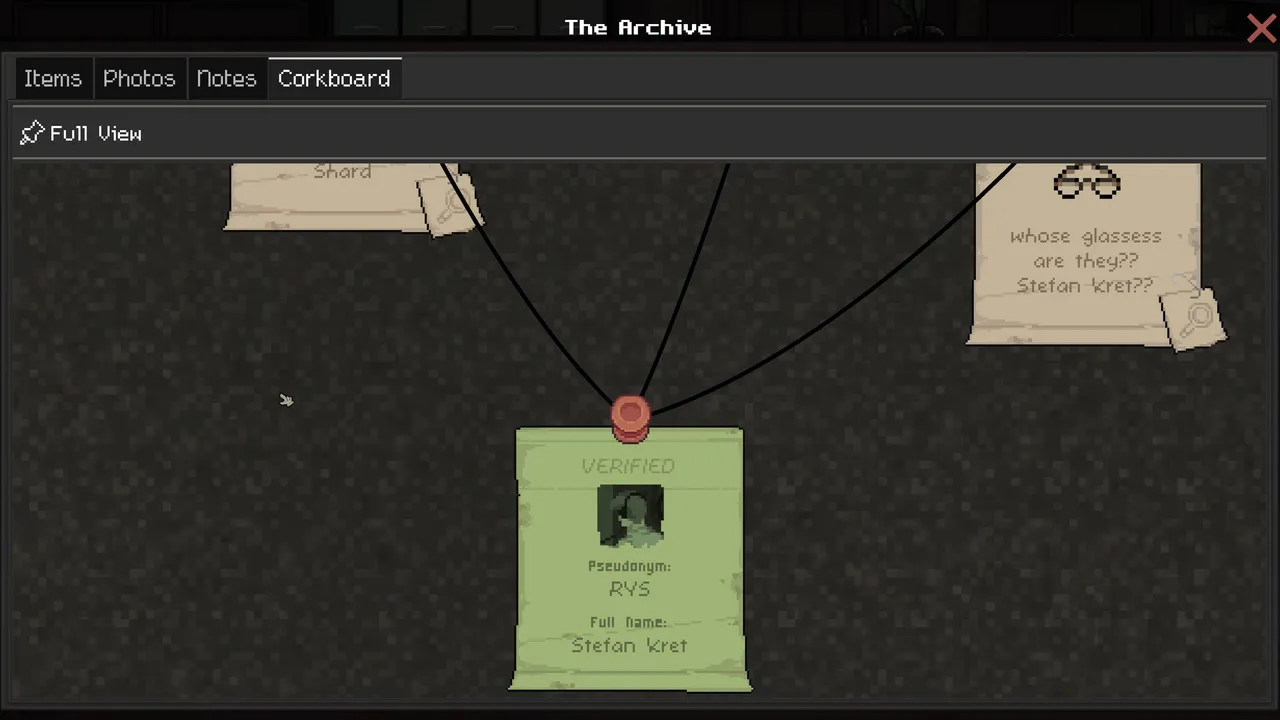
The core loop is methodical matching: photographs arrive without names, reports mention aliases with no faces attached, and most connections only solidify days or weeks into your case files. The game's central tension hinges on whether you can maintain focus through incremental, non-obvious progress. Unlike narrative adventures where plot points arrive on schedule, or roguelikes where randomness guarantees variety, this is a game about patience and pattern recognition under the pressure of a state apparatus demanding results. That is a narrower proposition than it initially appears.
Investigation as Constraint
The release date for What Awaits, Aleksey? is July 17, 2026 on PC. The design philosophy appears to reject handholding entirely—you are given evidence and told nothing more. No tutorial walks you through file cross-referencing, no system explains whether a connection is solid or speculative, no feedback tells you if you are building the right network or chasing phantom links. That restraint is both the game's appeal and its risk. For players who thrive in dense information spaces, who enjoy spreadsheet-like deduction or who found the bureaucratic sections of Return of the Obra Dinn more compelling than its supernatural mystery, this offers something rare: the work of investigation without the narrative scaffolding.
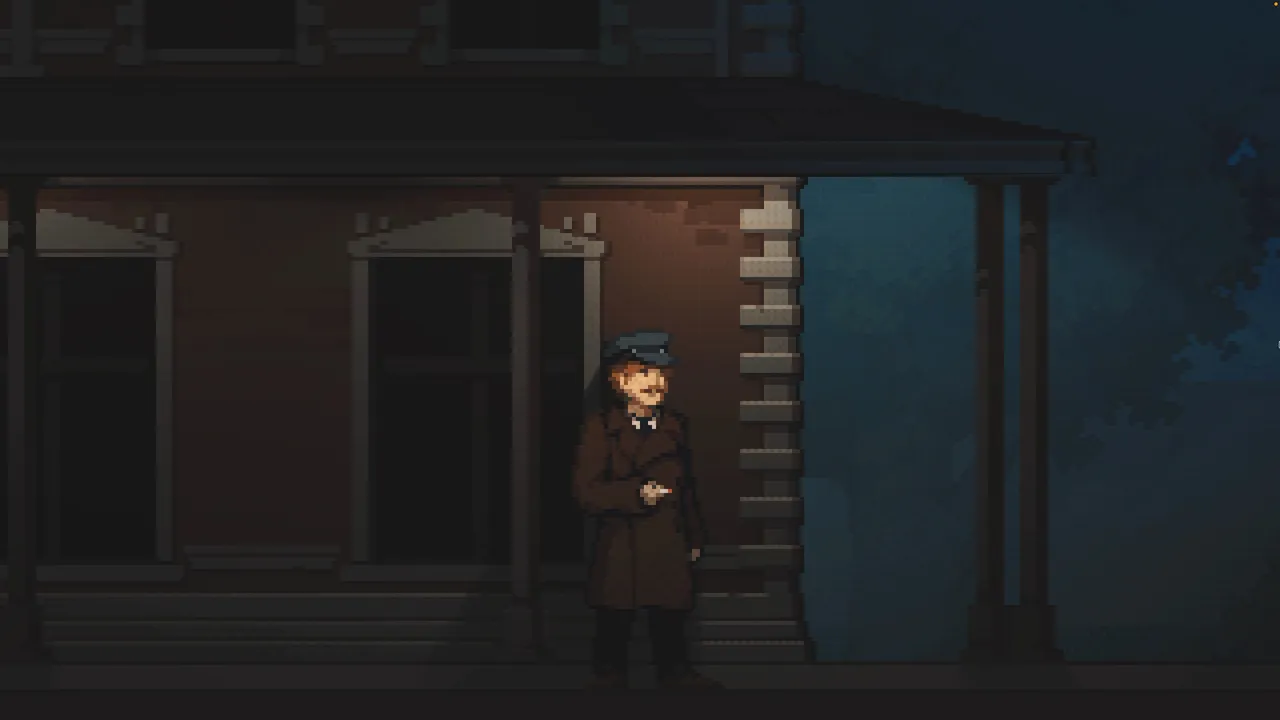
The fictional 1970s communist setting is not cosmetic. The tone—zealous pressure to identify enemies, the assumption of guilt, the language of Service to the Motherland—frames your analytical work inside an authoritarian system. That framing carries moral weight. You are not solving a neutral puzzle; you are feeding a machine designed to suppress. The game does not appear to force a moral stance, but the setting guarantees that every connection you draw has ideological texture. Whether the game's design sustains that tension, or whether it collapses into mechanical routine once the novelty of the setting wears off, remains the open question.
Who This Serves
This game is for players comfortable with slow information accumulation and willing to maintain private notes, spreadsheets or mental models across weeks of play. It is not for anyone seeking narrative payoff or emotional investment in characters. The appeal lies almost entirely in the satisfaction of a pattern finally resolving, and in how the setting transforms that satisfaction into something morally fraught. If you found Papers, Please's daily routine meditative rather than tedious, or if you spent hours cross-referencing clues in detective games, this is targeted at you. If you need external motivation, dialogue, or narrative landmarks to sustain engagement, this will feel like work.
Themes
Features
System requirements
Minimum
- OS
- Windows 10
- Processor
- Intel® Core™ i5-8400
- Memory
- 8 GB RAM
- Graphics
- Nvidia GeForce GTX970
- Storage
- 2 GB available space





No comments yet. Be the first to share your thoughts.