
Truxton Extreme
About Truxton Extreme
Truxton Extreme arrives July 29, 2026 on PC as a full 3D rebuild of Tatsujin's foundational arcade shooter, keeping the core loop intact while abandoning the 2D constraints that defined the original. The release date marks a significant moment: a franchise dormant since the early 1990s returns not as a remaster but as a modern reimagining that respects what made Truxton work in the first place.
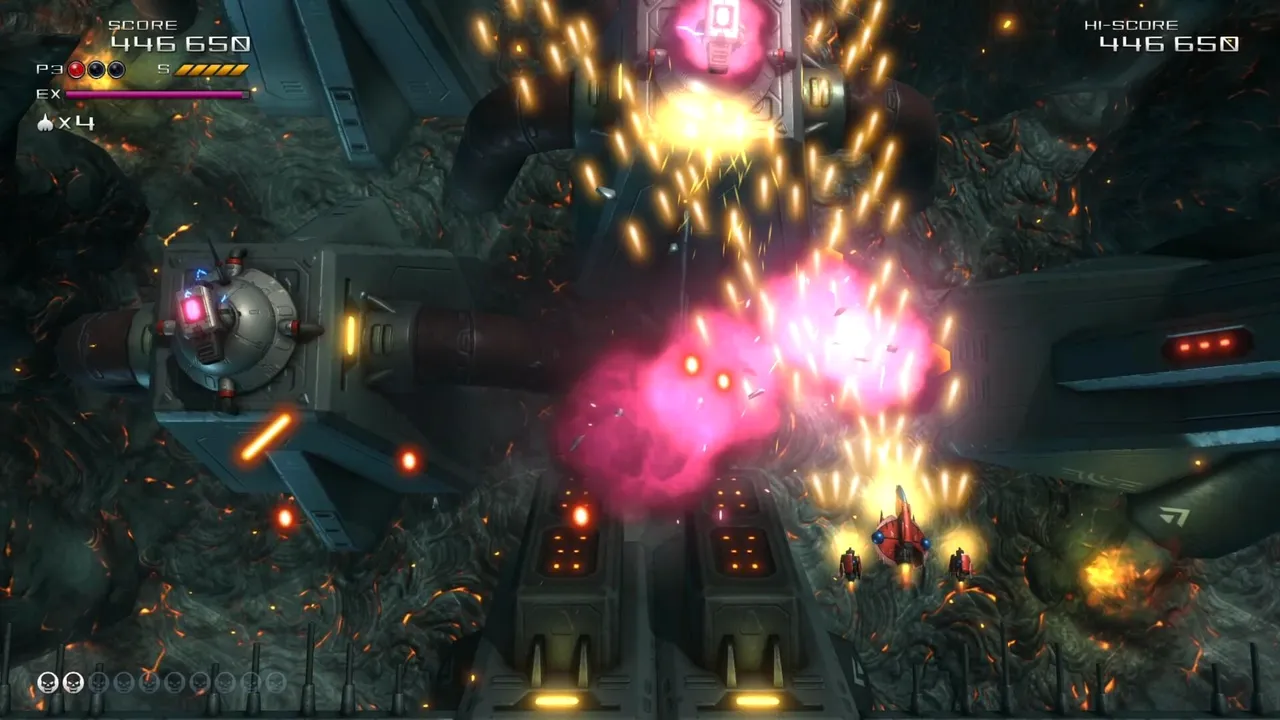
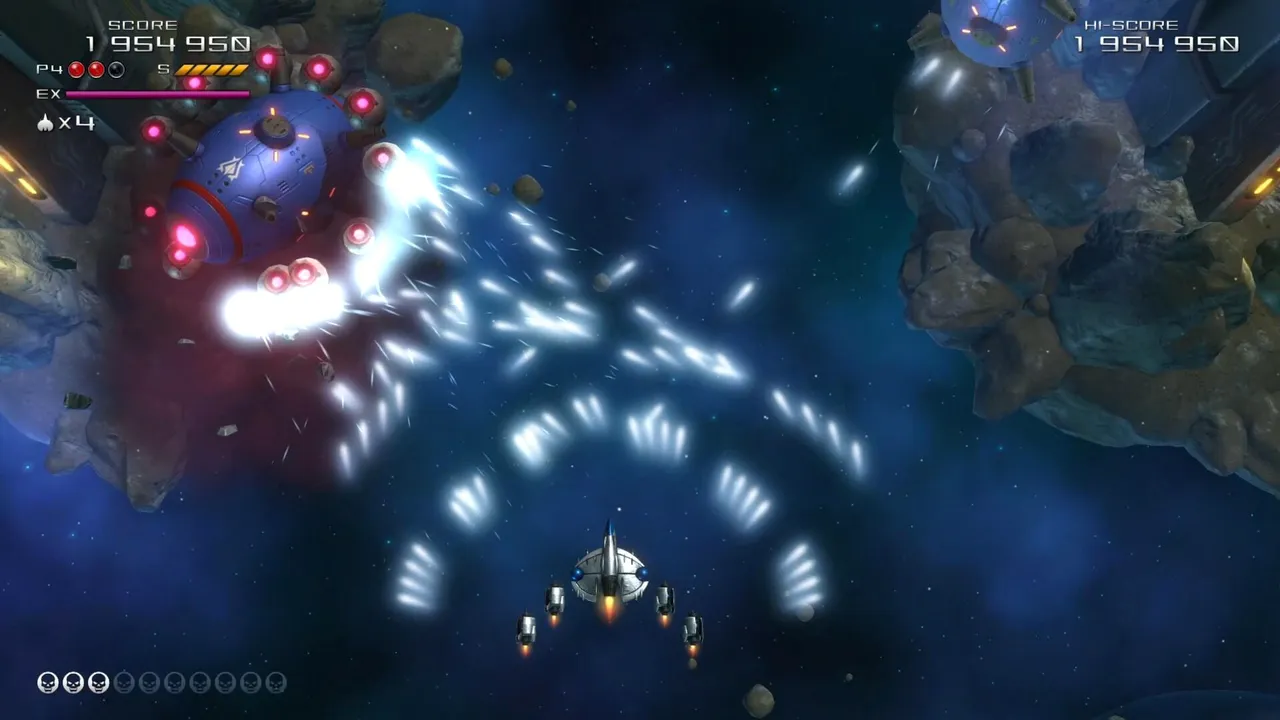
The central tension here is whether a 1980s arcade shooter can scale meaningfully into 3D without losing the precision and rhythm that made dodging feel fair. Truxton was always about reading bullet patterns, holding a line, and knowing when to push forward or fall back. The shift to three-dimensional space multiplies the complexity—enemies can attack from any angle, and visual clarity, already a concern in dense bullet-hell shooters, becomes the make-or-break variable. Masahiro Yuge, the original composer, returns with a new soundtrack built around remixed versions of the classic themes, which suggests the studio is thinking about continuity as much as innovation.
Two modes, two audiences
Truxton Extreme splits its audience deliberately: a Story mode that follows three characters across a manga-styled narrative with progression and leveling, and a traditional Arcade mode for players who want the raw pattern-matching experience unchanged. This is a direct answer to a common problem in retro revivals, the tension between depth and purity. By offering both, the game accepts that the audience for a shoot-em-up in 2026 is fragmented—some players want character arcs and mechanical progression, others want nothing between themselves and the bullet patterns.
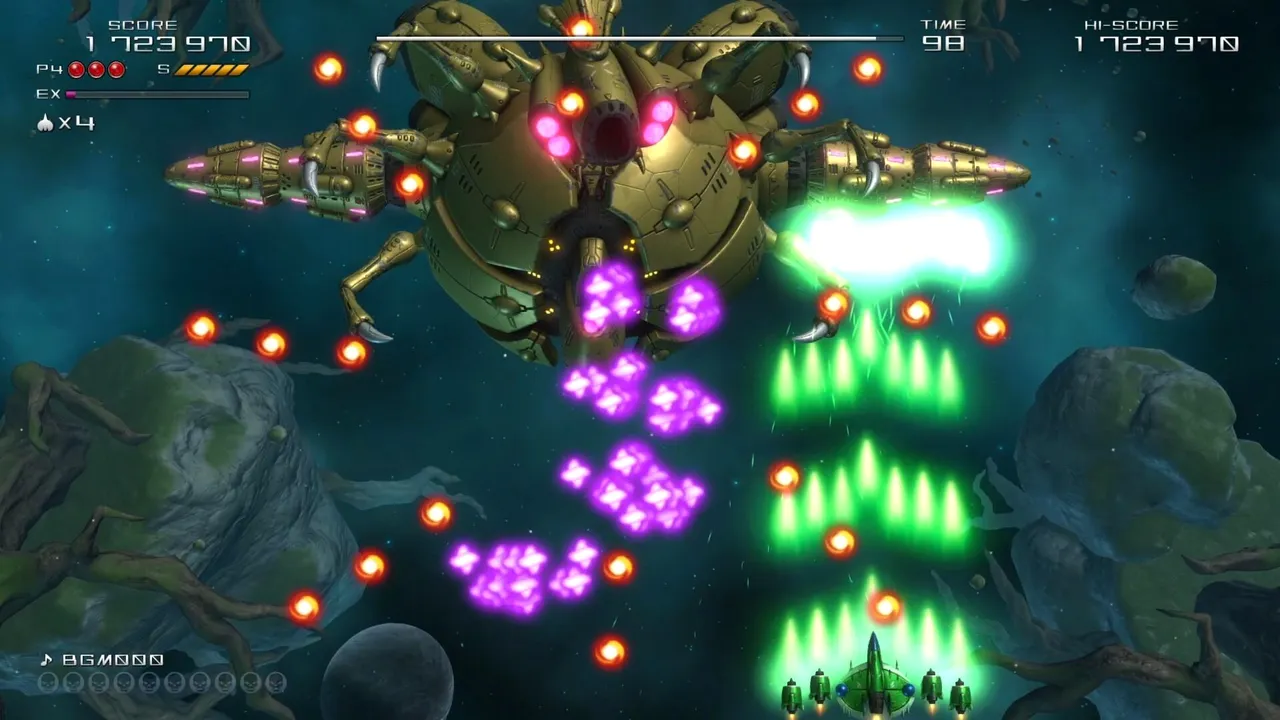
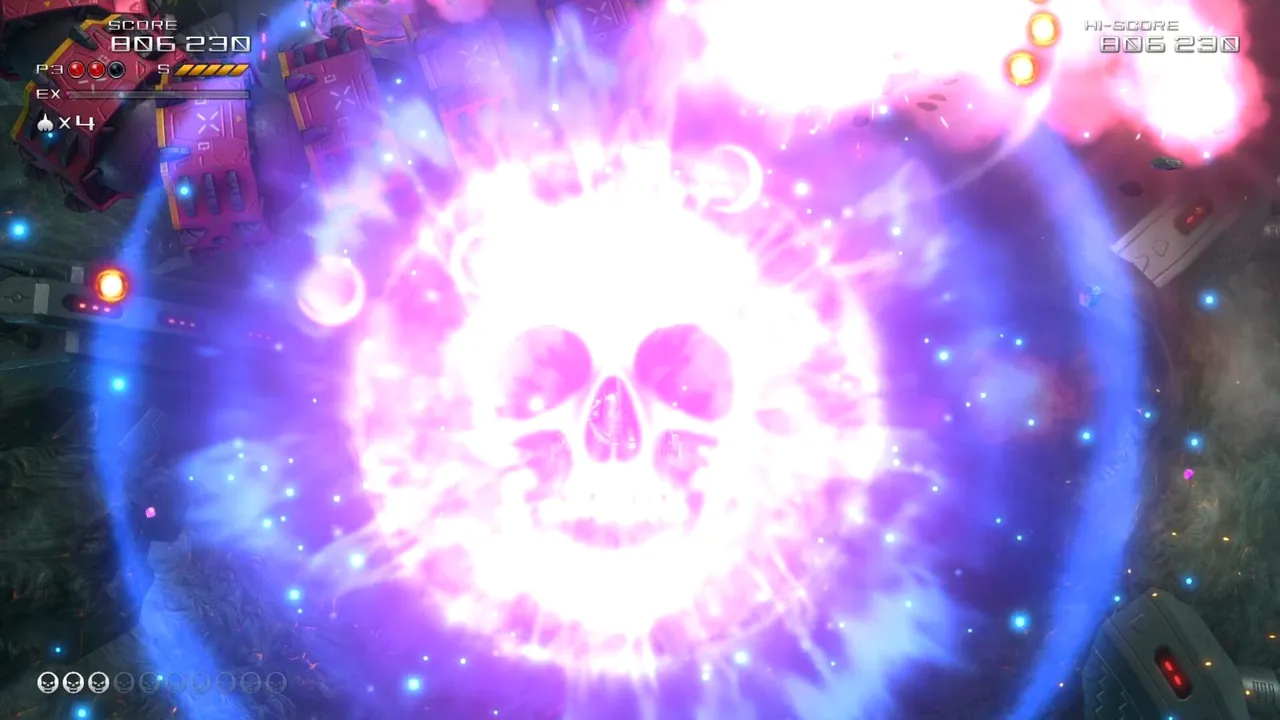
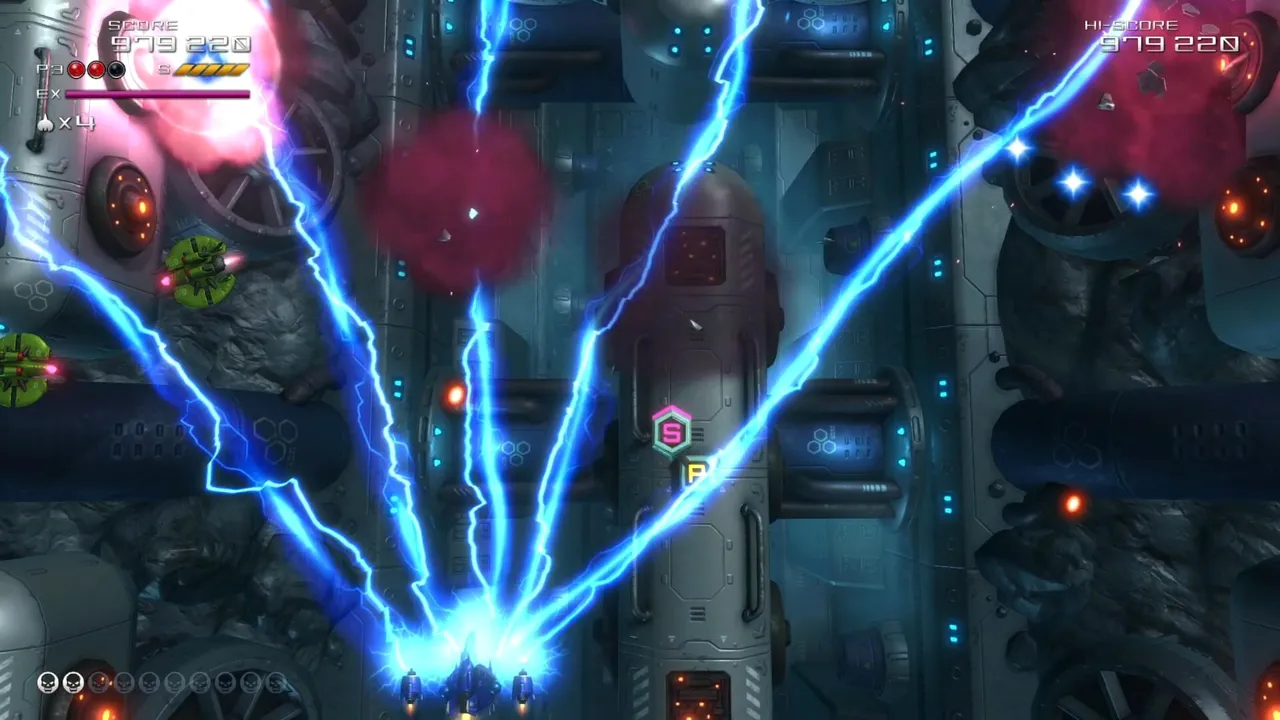
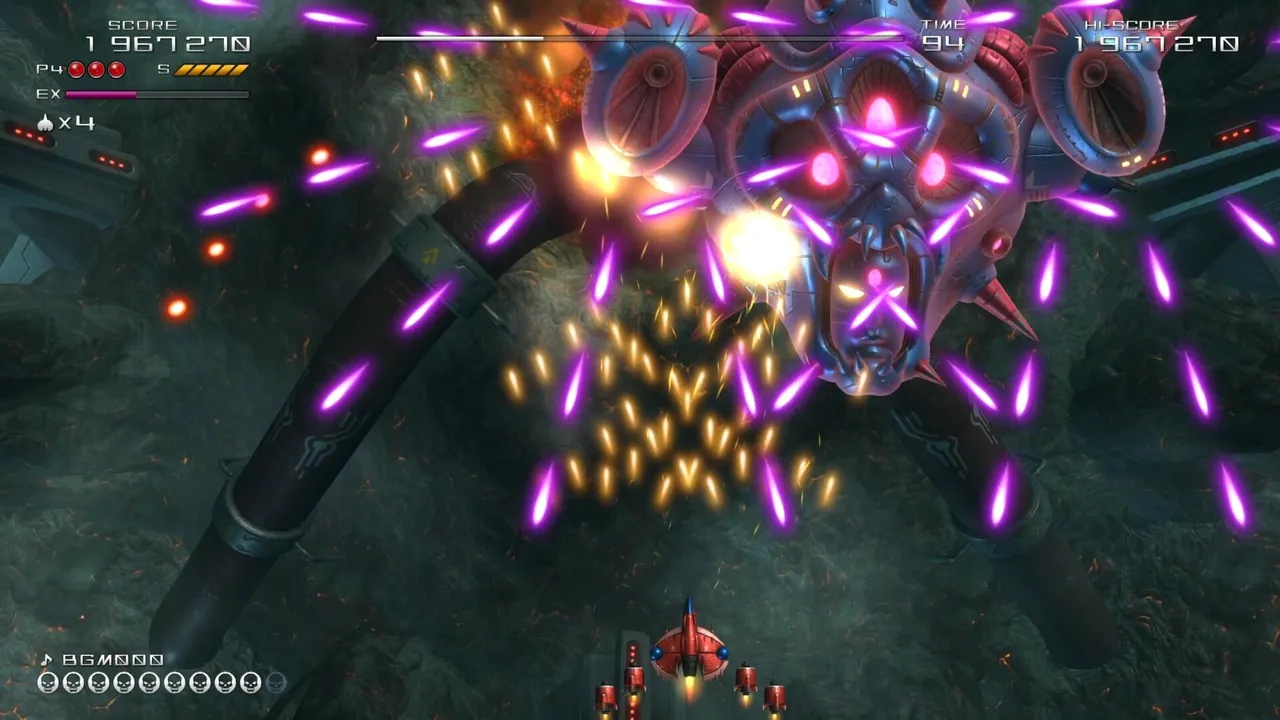
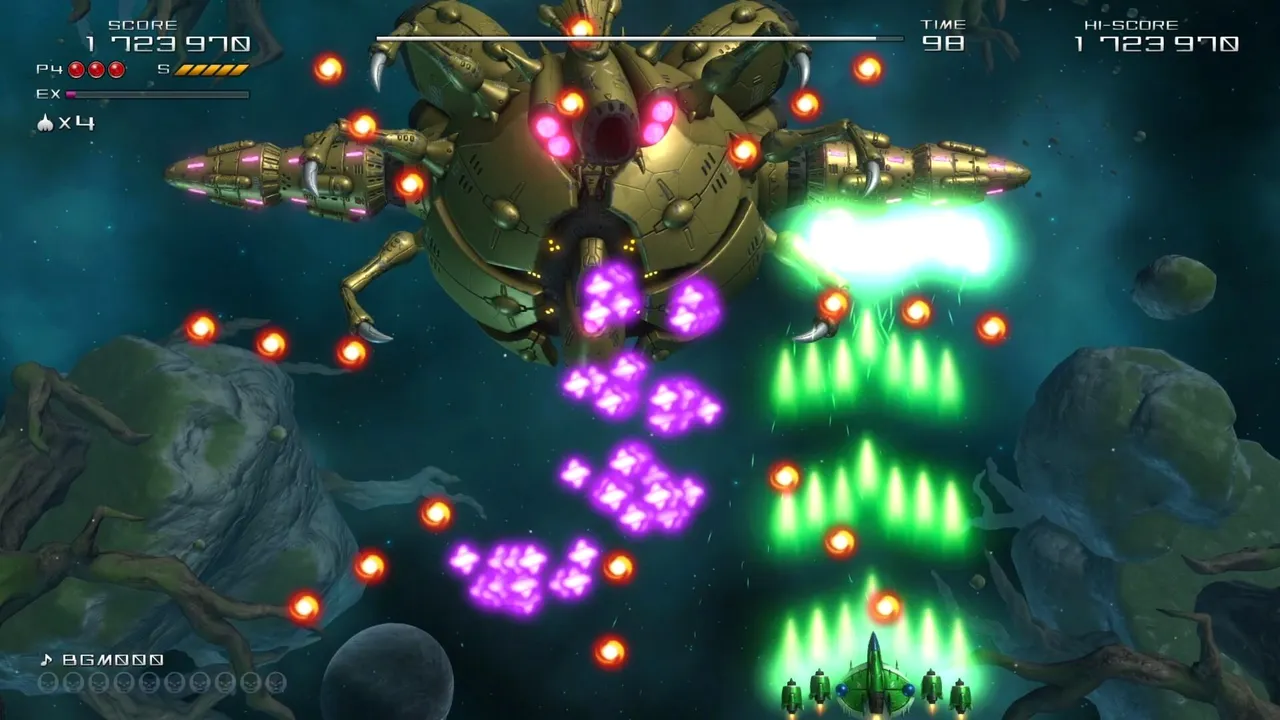
Your weapon arsenal (Power Shot, Truxton Beam, Thunder Laser, Homing Shot) anchors the tactical layer, and the design will likely hinge on how differently each one handles the 3D space and whether switching between them rewards skill or reduces everything to a dominant choice. Boss encounters, described as gigantic encounters that force the player to manage breathing and positioning, are where the 3D shift either validates itself or reveals itself as decoration.
The visual and sonic stakes
The visual identity has been rebuilt around organic-mechanical hybrids—insectoid creatures, undulating metal tentacles, serpentine machines, luminous eyes and spikes—all rendered in 3D but designed to avoid the clean, safe look that kills the original's unsettling appeal. This is a genuine risk. Truxton was menacing partly because its sprites were abstract enough to unsettle; full 3D rendering can either deepen that or kitsch it into something harmless.
Skip this if you need a gentle onboarding to shooting games or if you expect a cinematic reboot. Buy in at launch if you've played the original and trust Yuge's audio instincts and Tatsujin's restraint with the visual translation. Wishlist now if shoot-em-ups matter to you but you want to see how the 3D systems actually play before committing.
No comments yet. Be the first to share your thoughts.