

About Touhou: Divine Land -Majesty in Game-
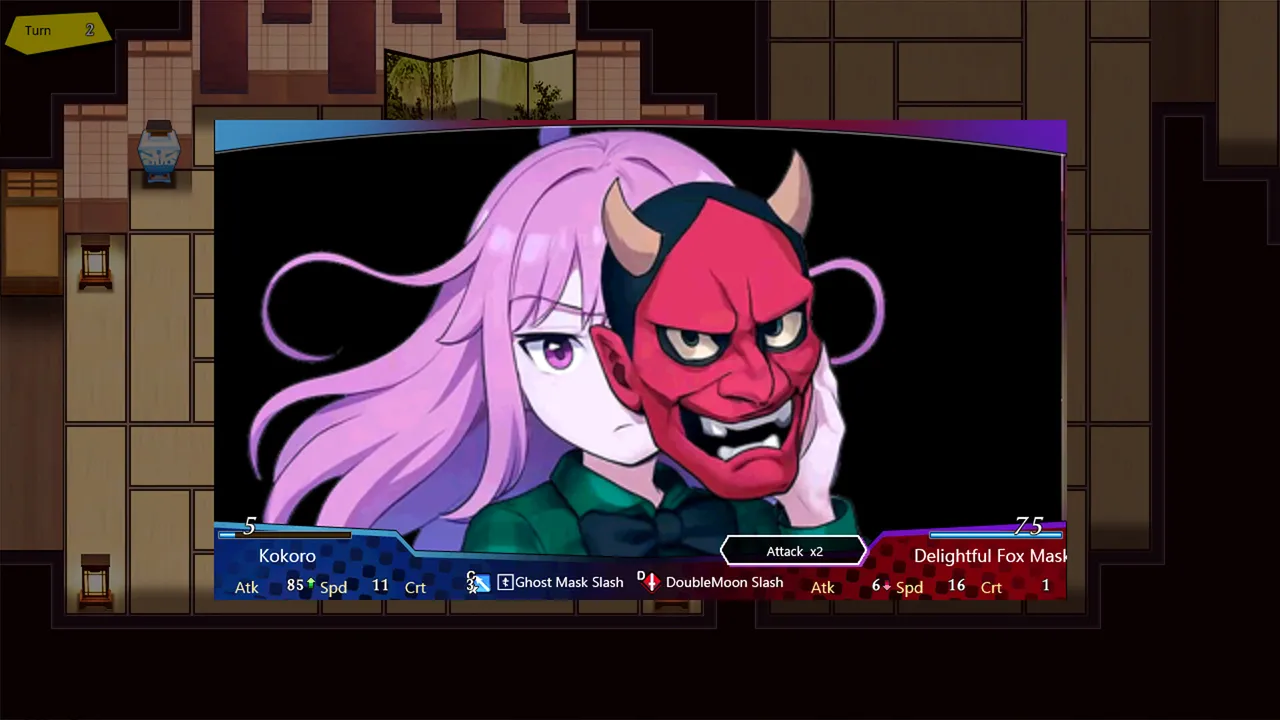
Touhou: Divine Land -Majesty in Game- releases July 16, 2026 on PC as an indie strategy RPG built around unit customisation and narrative progression through Gensokyo. The game leans heavily into mechanical depth: you construct characters by layering class choices, talent trees, accessories and spell card loadouts, with the ability to equip spellcards from other units to break expected role boundaries. The release date marks the start of a staggered story rollout, with the first 10 chapters arriving at launch and the final three chapters arriving as free updates post-release.
Campaign, customisation and the pull of incremental power
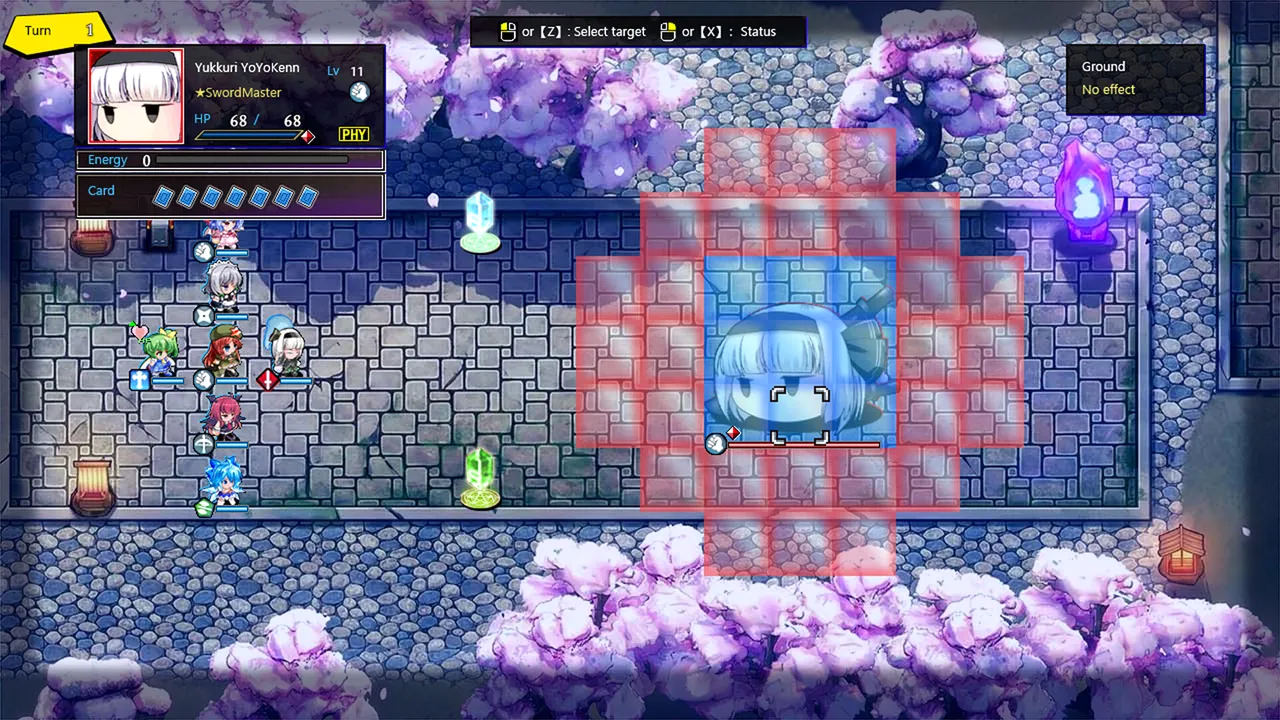
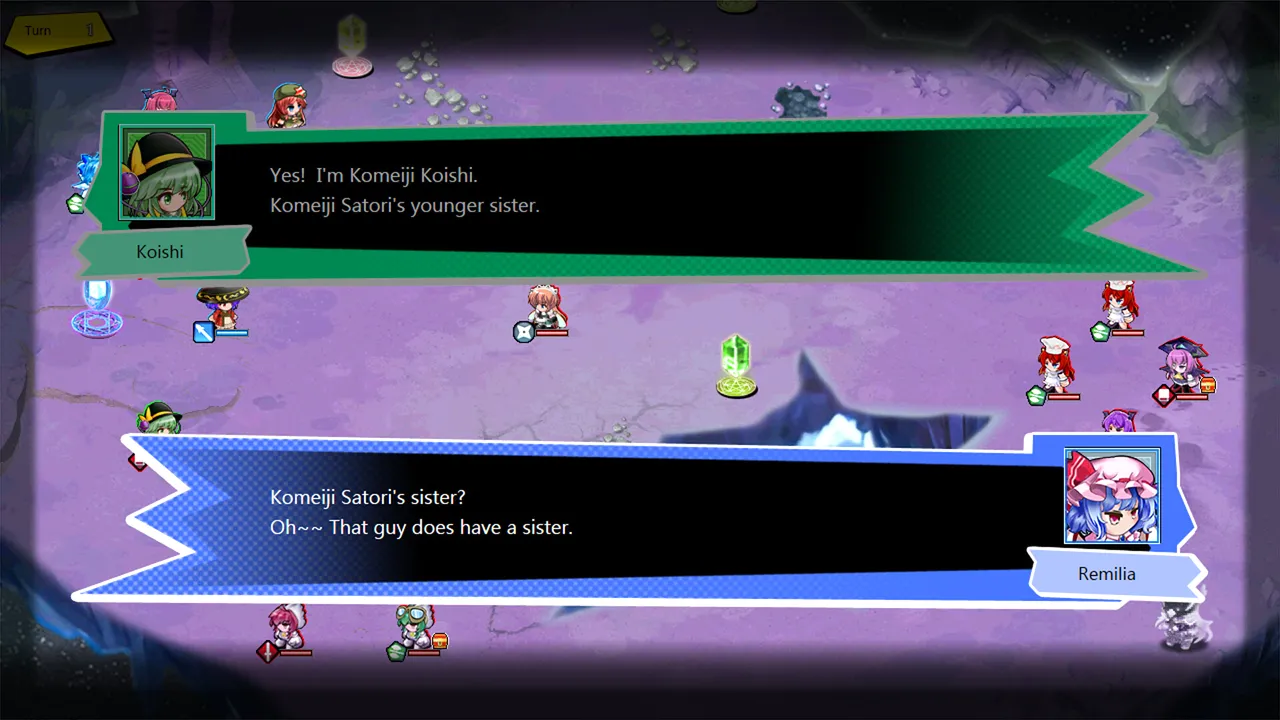
The campaign spans more than 30 playable characters across a main story that unfolds in chapters of 5 to 6 stages each, supplemented by side, challenge and special stages that reward repeated engagement. The premise—Remilia seizing Nitori's online game as an opportunity for glory without leaving her mansion—is a thin narrative wrapper, but the structure matters: progression gates new characters into your roster, which forces players to adapt their squad composition and rediscover synergies as the roster expands. This pulls against the usual SRPG temptation to build one perfect squad and coast; the game appears to force rotation and experimentation.
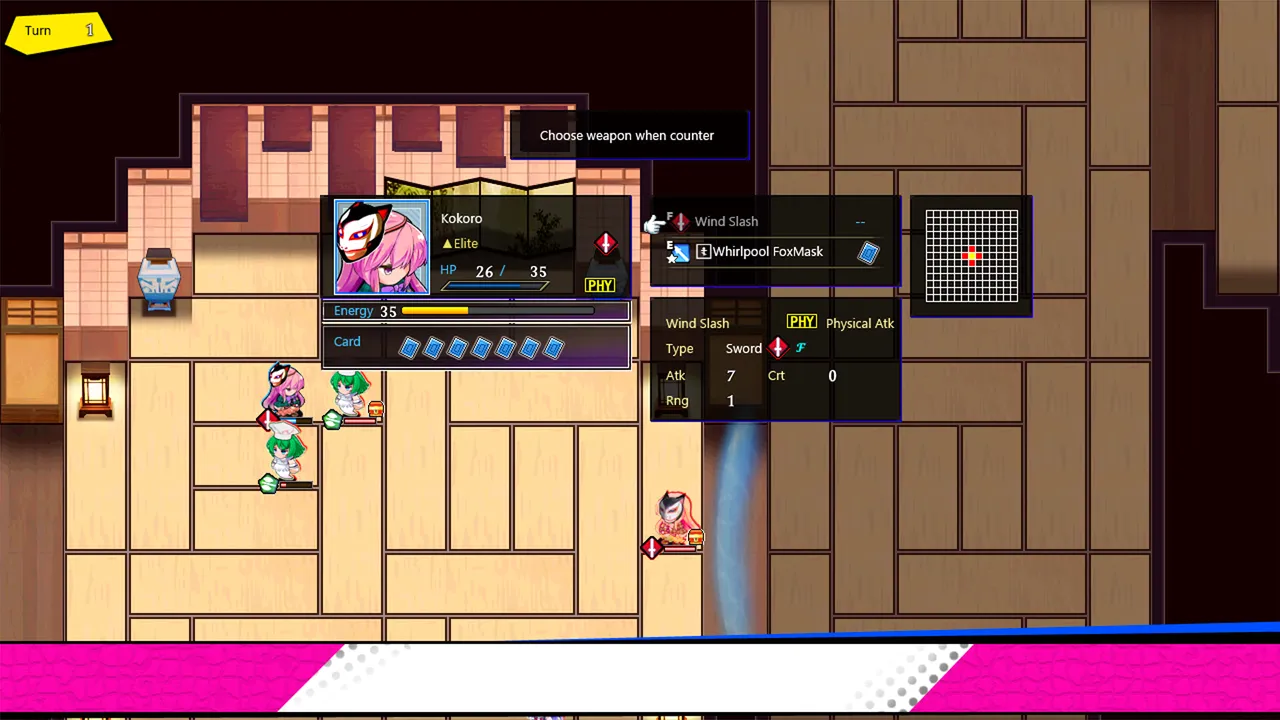
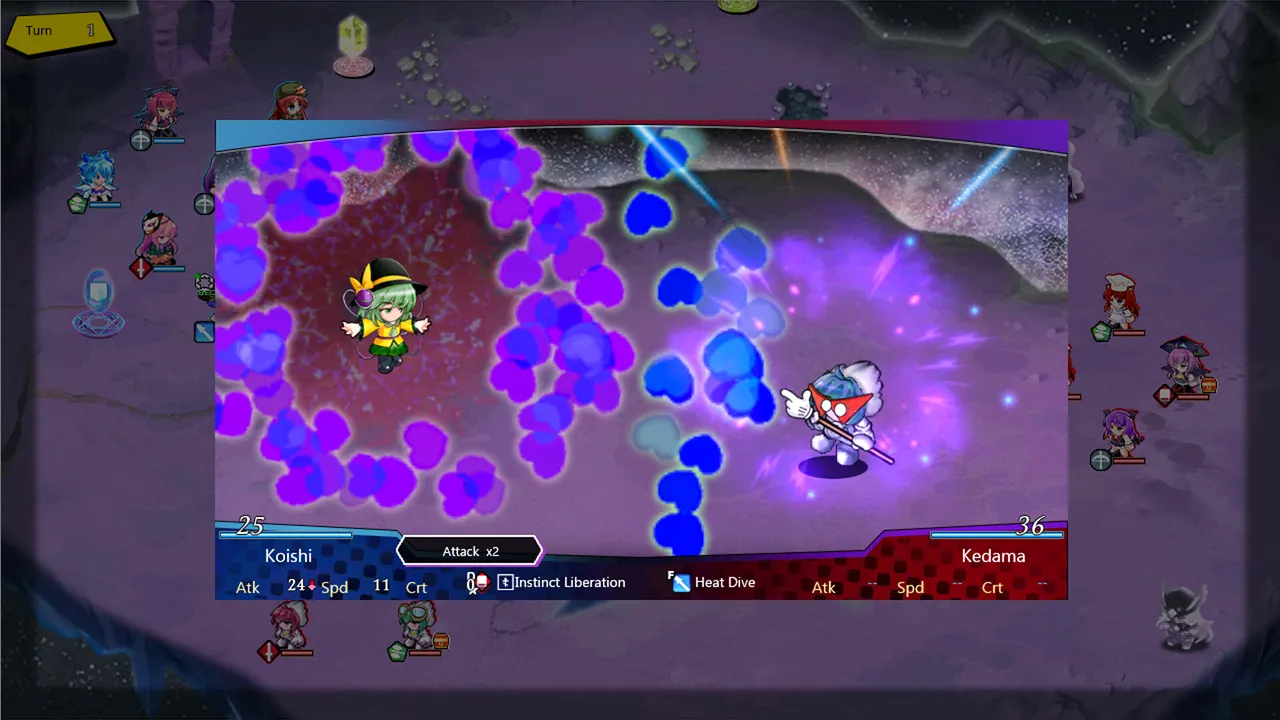
Character growth is granular. You level individuals, advance proficiencies, unlock talents and enhance weapons separately, then combine those layers with class branches and spell card selections to shape each unit's actual role in battle. With 100 classes available, the theoretical combinations explode quickly, and the game trusts players to find unexpected pairings—Koishi wielding another unit's signature spellcard, Final Spark, shifts her archetype entirely. Whether this freedom produces viable depth or paralysing option bloat depends entirely on how tightly Oct.Works has tuned the numbers.
Maps, moments and the systems that anchor engagement
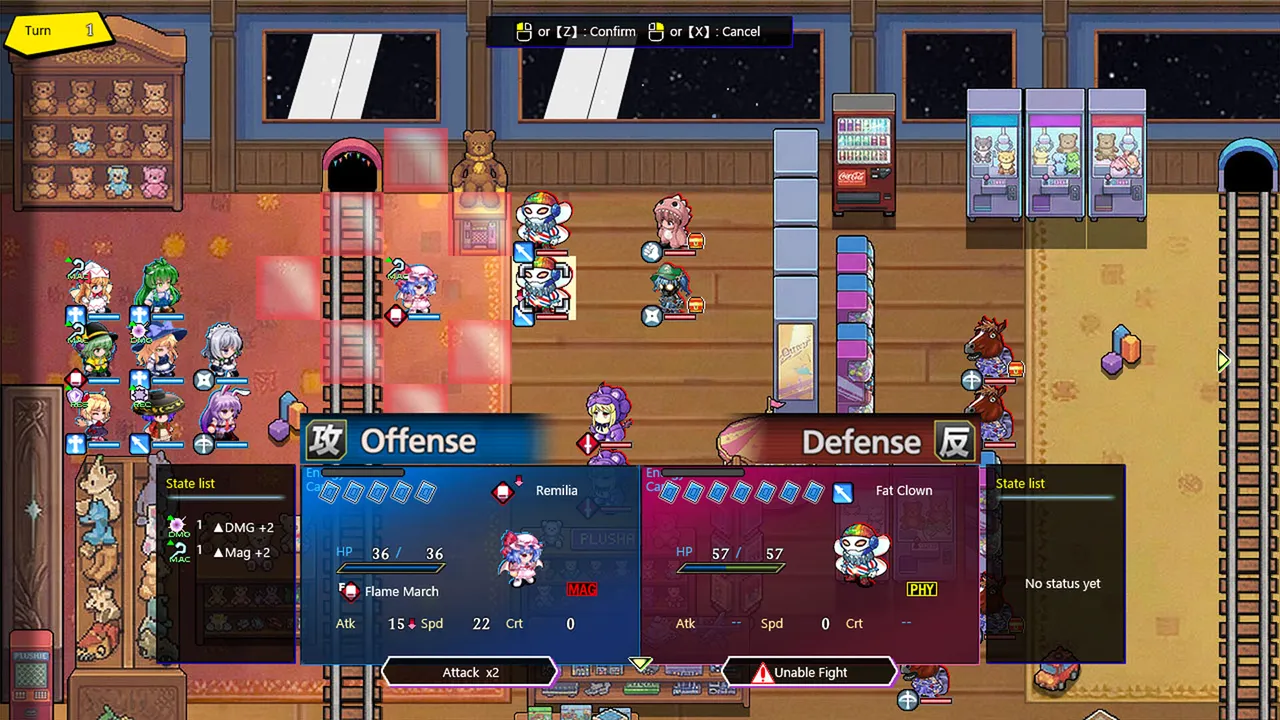
Battles sit on terrain with dozens of distinct types and passive effects, and each map carries skills, events and a tarot card system that layer variable conditions and rewards beyond raw combat. You also control a base between engagements, where infrastructure and subsequent gameplay choices branch—the reference is vague here, but suggests base building shapes later stage design and access. This layers management progression on top of squad progression, which can either deepen investment or dilute focus depending on pacing.
The core risk is scope: 100 classes, 100+ spellcards, 30+ units and dozens of map modifiers create a surface of overwhelming breadth. Whether all those systems reinforce each other or whether most sit dormant while a handful of dominant strategies dominate is the question the first weeks of play will answer. For players who thrive on incremental customisation and squad-building across a long campaign, the mechanical skeleton is here. Whether it holds interesting tension for 50+ hours is what matters next.
Features
System requirements
Minimum
- OS
- Windows10
- Processor
- Intel® Pentium® 4 2.0 GHz or higher processor
- Memory
- 1024 MB RAM
- Graphics
- Support 1280 x 720 or higher
- Storage
- 1 GB available space


No comments yet. Be the first to share your thoughts.