
The Remnants
About The Remnants
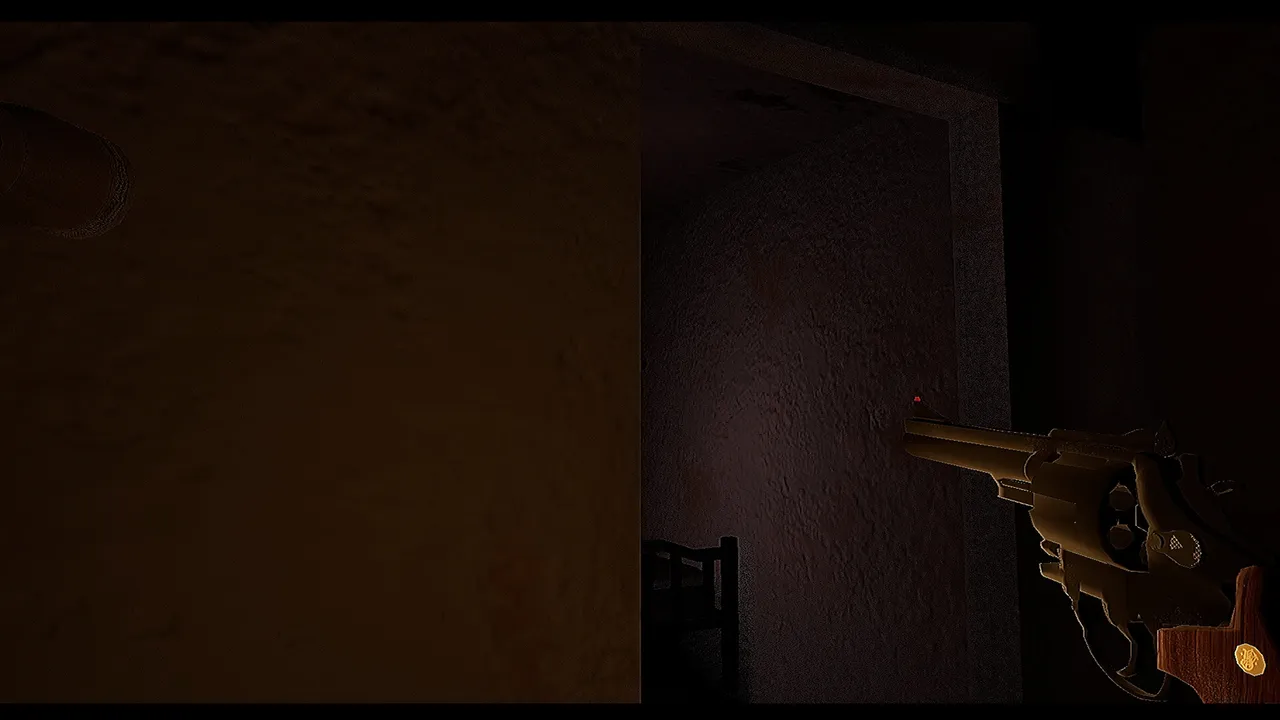
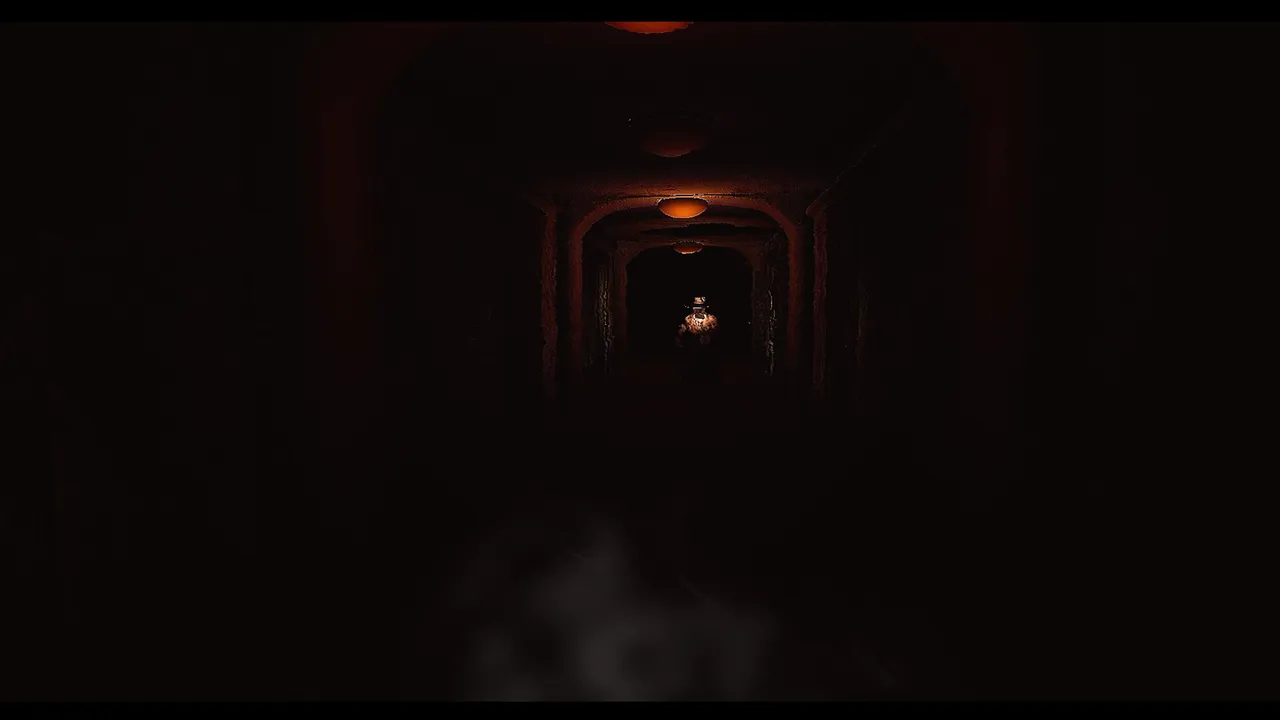
The Remnants is a first-person investigation game built on a single, uncompromising constraint: you cannot fight back. Released on PC on July 15, 2026, it trades combat encounters for a deeper mechanic—the space itself becomes hostile, and your only tools are observation, interpretation, and the ability to piece together truth from a fragmenting environment.
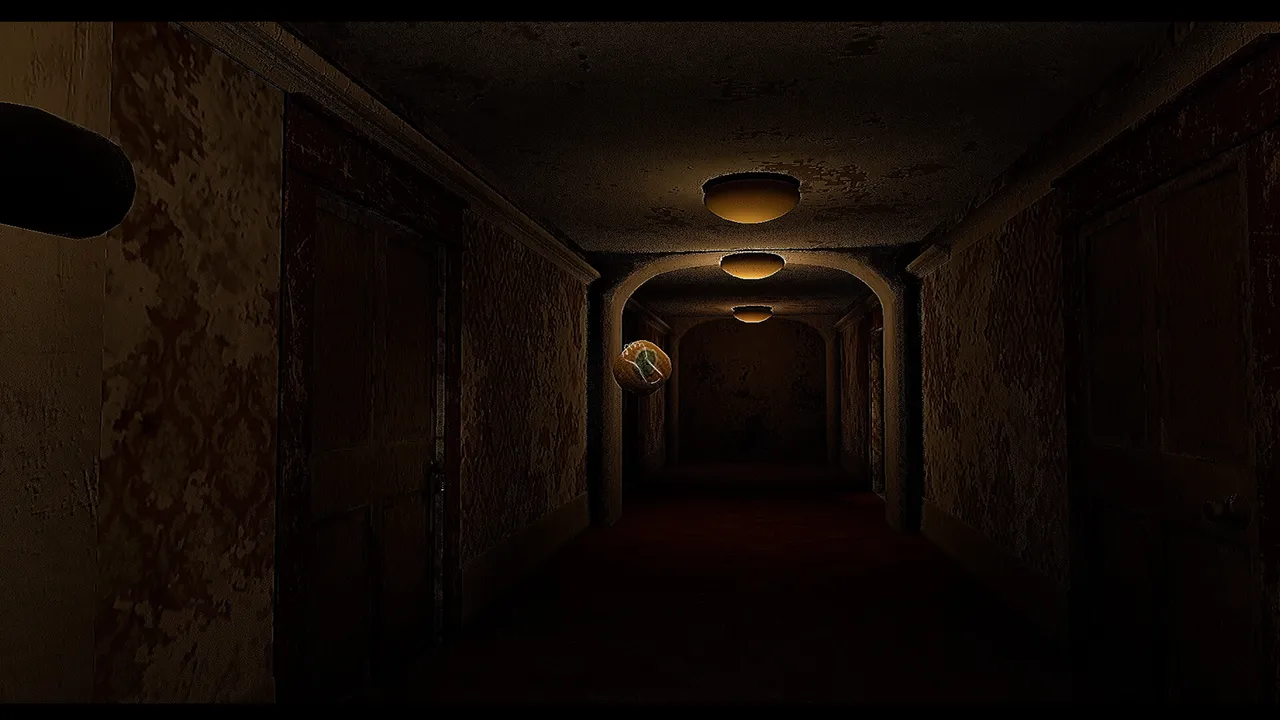
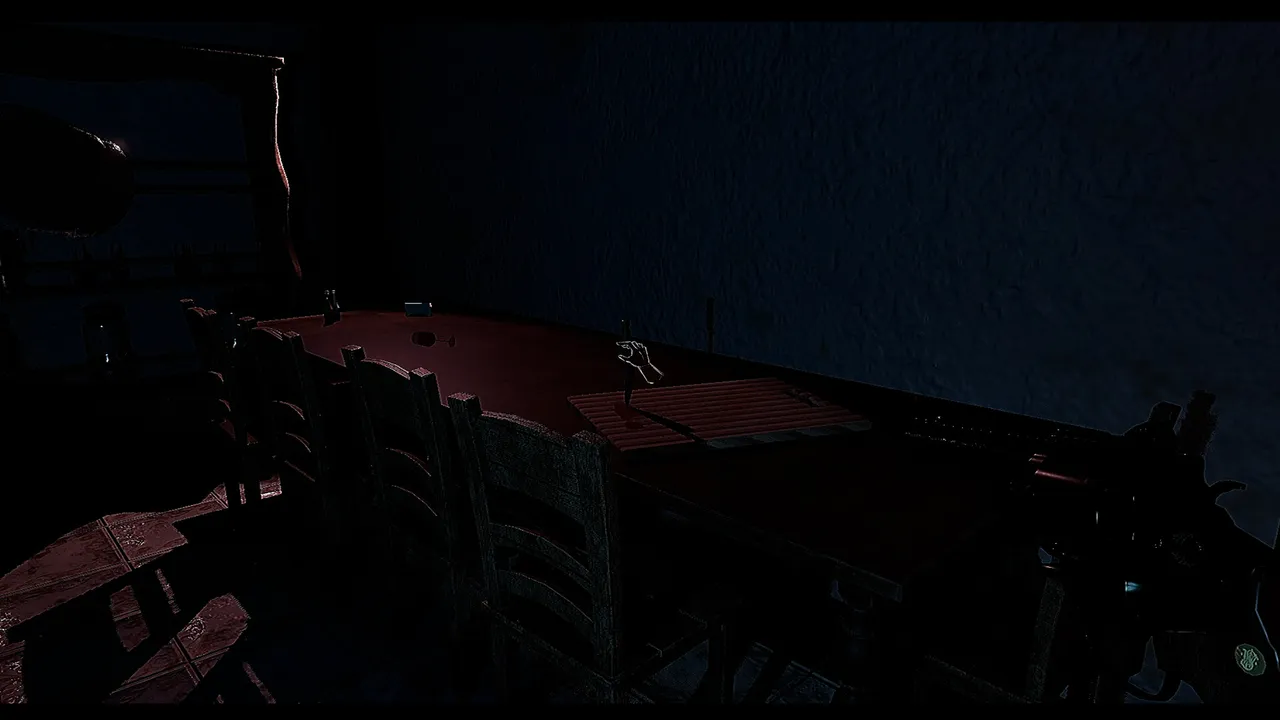
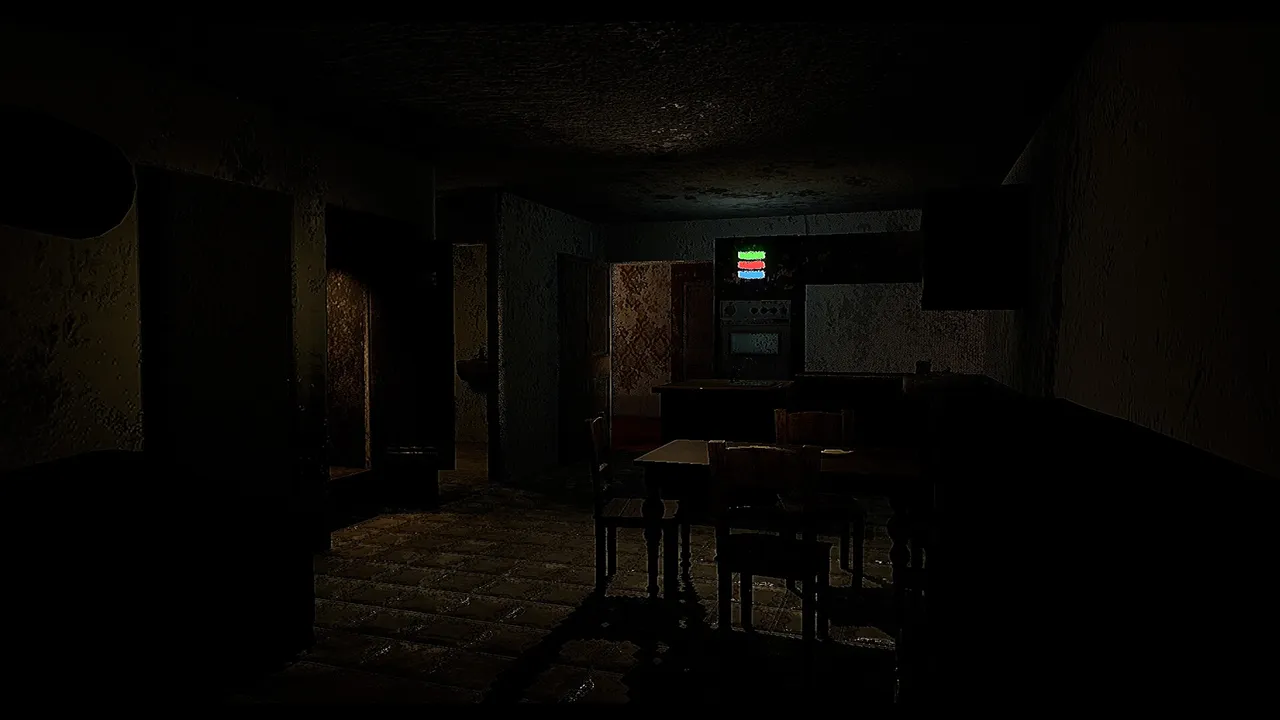
The core loop chains observation to progression. You move through Hawthorne Residences, a sealed complex on the Cunningham property where something has gone catastrophically wrong, and your investigation hinges on reading the environment with precision. Environmental storytelling, hidden narrative fragments scattered across interconnected rooms, and puzzles that demand you think about what you have seen—these are the systems that drive you forward. There is no inventory shortcut, no dialogue wheel, no combat skill tree. The game trusts that careful attention and logical reasoning will be enough.
Atmosphere as the Primary Adversary
Where most horror games use jump scares or enemy encounters to create tension, The Remnants leans on deterioration. The building itself warps and shifts as you progress. Perception breaks down. Sounds carry intentional weight. The psychological horror emerges not from what attacks you but from what stops making sense—walls that move, spaces that contradict themselves, the creeping realisation that your own observation might be unreliable. This is a design risk: sustaining unease for a full campaign without combat or respawn stakes requires the puzzle design and environmental shifts to remain genuinely fresh. Whether Team7 Studios can maintain that tension across a complete playthrough without falling into repetition is the central open question.
Release Date and What to Expect
The release date for The Remnants is July 15, 2026 on PC. This is not a co-op game, not a open-world title, and not a narrative adventure in the walking-simulator mould. It is a structured investigation where your mental model of the space—how you map, remember and interpret what you have seen—directly governs whether you solve the puzzles and uncover the truth. Progression is gated by understanding, not by resource collection or combat victory.
This is for players drawn to games like Outer Wilds or Return of the Obra Dinn, where the satisfaction comes from synthesis and deduction rather than mechanical mastery. It will alienate anyone expecting conventional horror pacing or anyone who needs combat systems to feel agency. For everyone else—players who crave unease that builds through implication and environmental language, who trust a game to let them fail by simply not understanding—this is a rare bet on atmosphere over action.
Features
System requirements
Minimum
- OS
- Windows 10 (64-bit)
- Processor
- Intel Core i5-6600K / AMD Ryzen 5 1600
- Memory
- 12 GB RAM
- Graphics
- NVIDIA GTX 1660 / AMD RX 5600 XT
- DirectX
- Version 12
- Storage
- 25 GB available space
- Sound Card
- DirectX Compatible Sound Card
Recommended
- OS
- Windows 10/11 (64-bit)
- Processor
- Intel Core i7-9700K / AMD Ryzen 7 3700X
- Memory
- 16 GB RAM
- Graphics
- NVIDIA RTX 2060 / AMD RX 5700 XT
- DirectX
- Version 12
- Storage
- 25 GB available space
- Sound Card
- DirectX Compatible Sound Card




No comments yet. Be the first to share your thoughts.