
About Rift Horizon
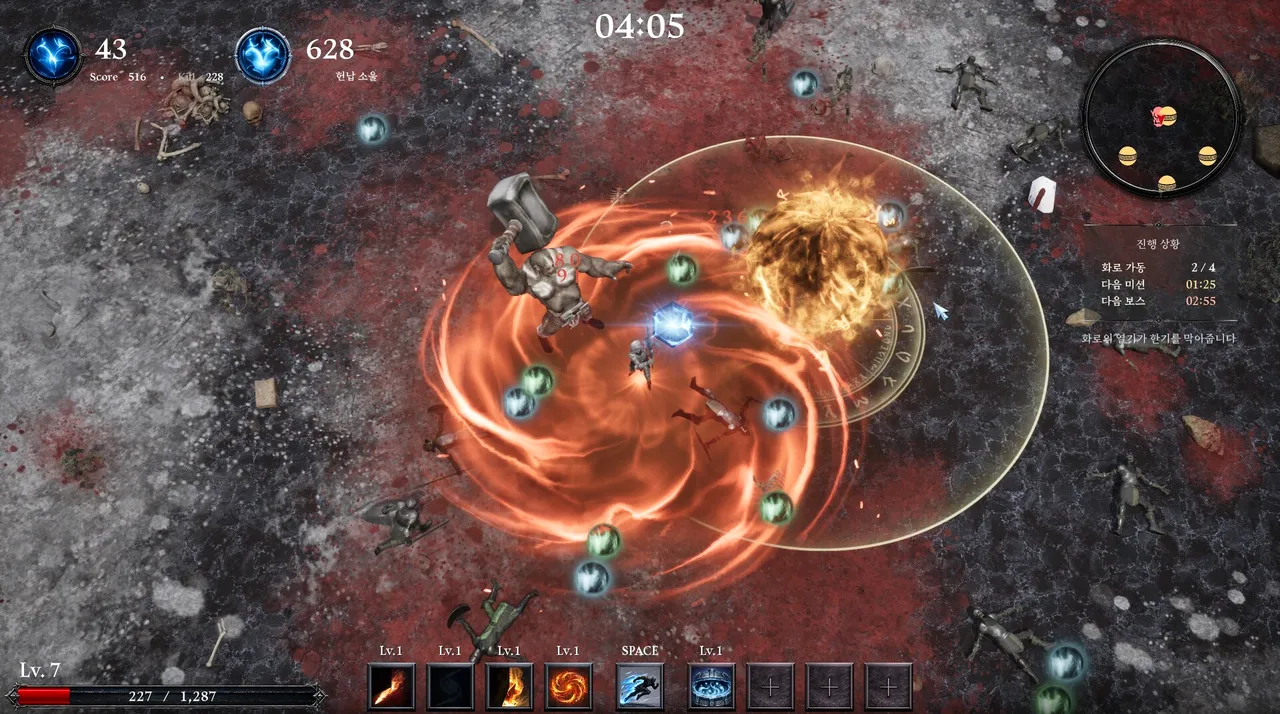
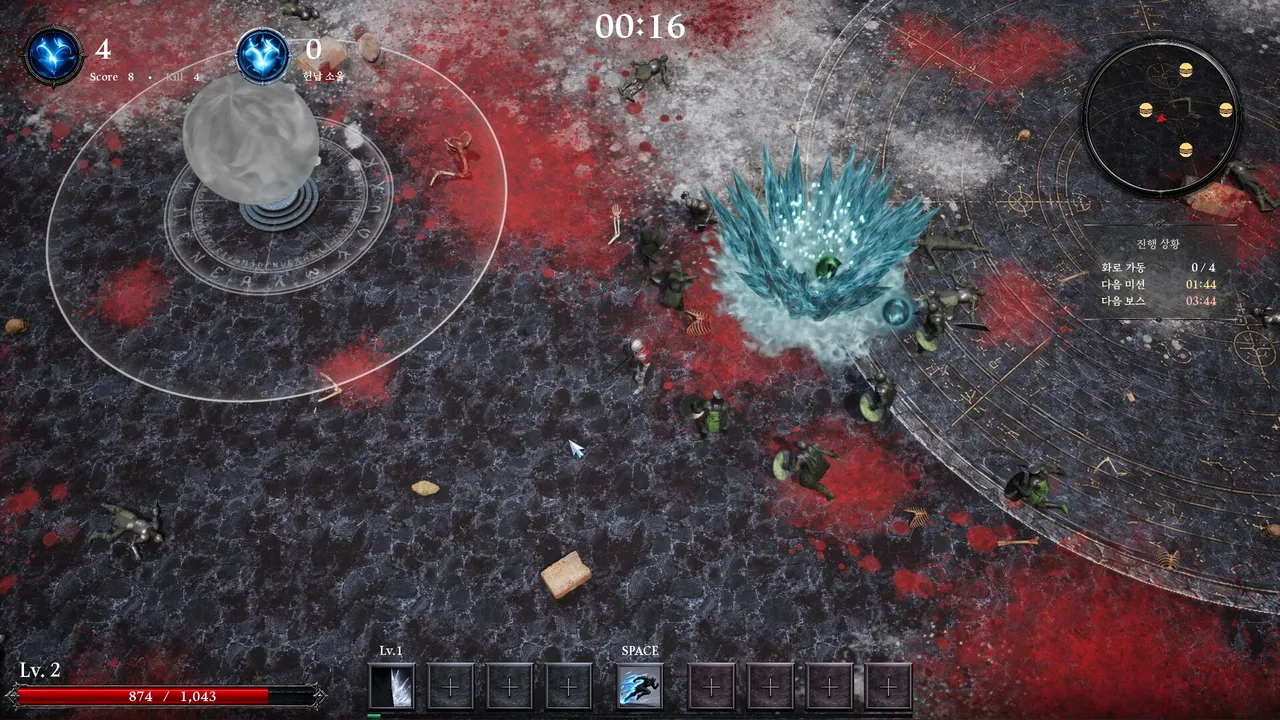
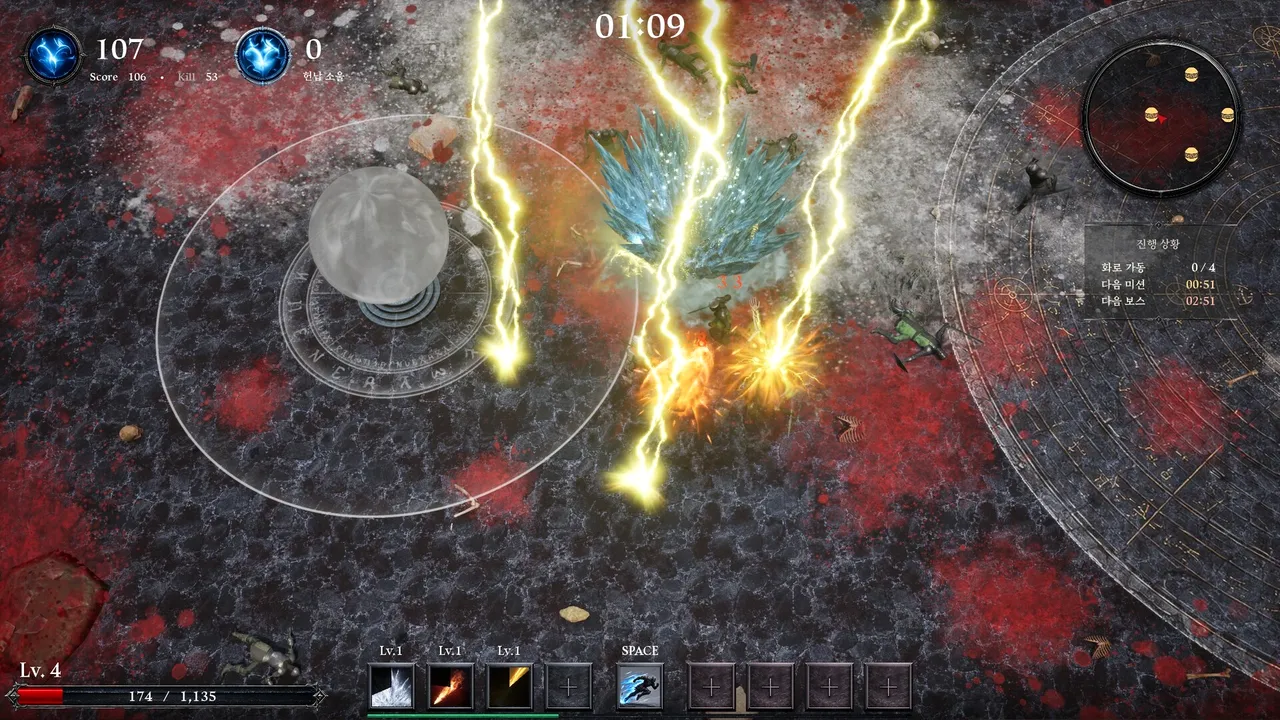
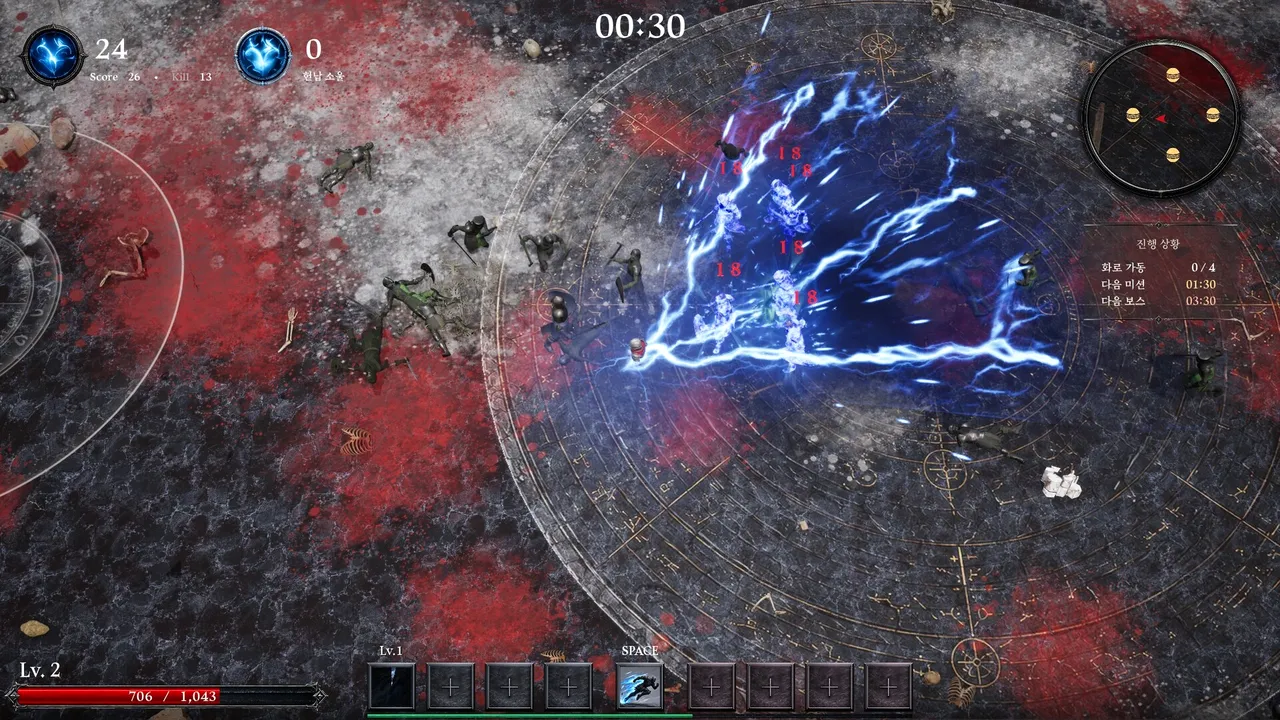
Rift Horizon is a survivors-like action roguelike arriving on PC on July 15, 2026, built around a deceptively simple loop: kill enemies to gather souls, feed those souls to altars scattered across the arena to unlock and upgrade passive abilities, and watch your power grow until you cannot hold back the tide. Each run lasts roughly twenty minutes, a window just long enough to feel like a complete arc of growth and collapse.
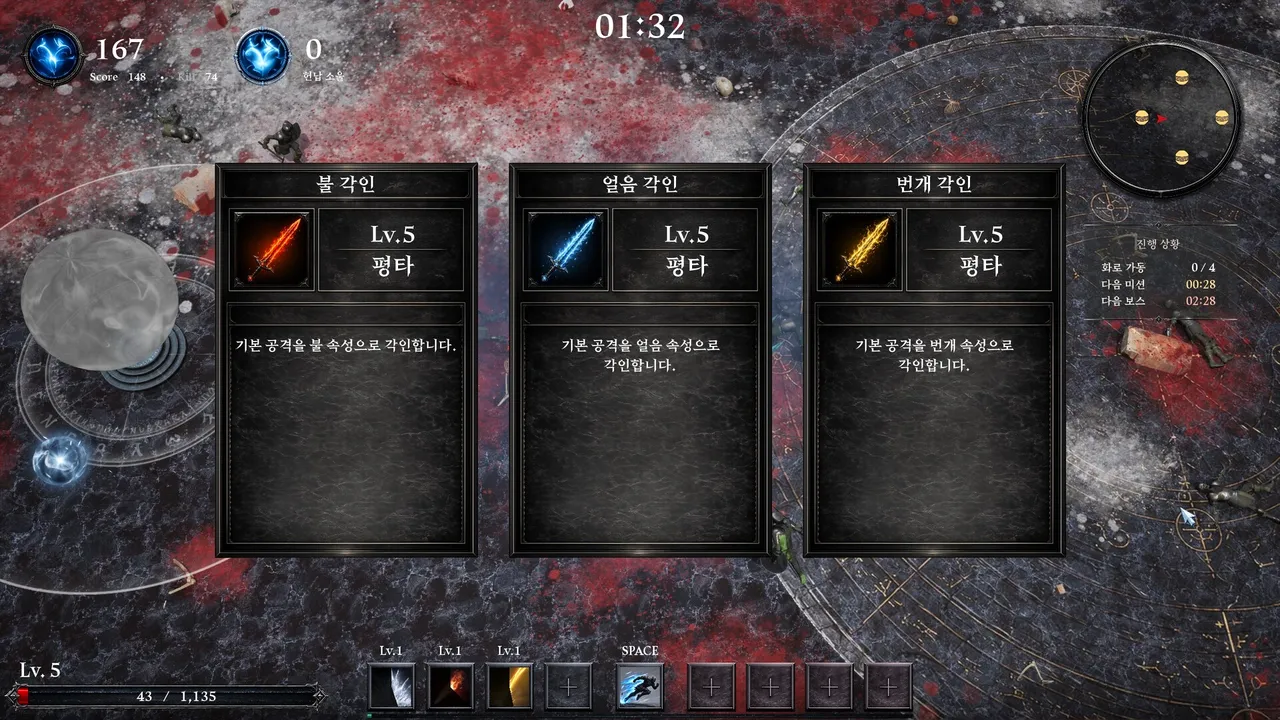
The core mechanic is straightforward but rigid in the right way. You stand your ground against an endless swarm using a greatsword, and every enemy that falls leaves behind a soul you can spend immediately at nearby altars. This creates a moment-to-moment tension: do you rush to an altar to unlock a new passive before the pressure becomes unbearable, or do you hoard your souls and upgrade one powerful ability to level five? The altar system forces commitment. Once you open a passive, you can keep feeding it to level it up, but switching your focus to a different altar means abandoning your first investment. These choices, played out over twenty minutes, are what shape each run.
Twenty Skill Slots, No Two Runs Alike
The game offers 25 skills to combine freely, and that depth is where Rift Horizon's replay value lives. You are not locked into a class or archetype; instead, you mix and match abilities to respond to what the map and altars offer. Some runs you might prioritize area damage to clear crowds efficiently, others you hunt for burst damage to delete priority targets, and still others you stack defensive passives to outlast the swarm. The interplay between your chosen skills and the passive abilities you unlock means two players facing identical enemy waves can have entirely different experiences.
What will matter most is whether those twenty-five skills feel distinct enough to sustain replayability across dozens of runs. If many of them overlap in function or feel incremental, the sense of building something new each time will flatten quickly. Survivors-likes live or die on variety, and Rift Horizon's claim rests on the depth of that skill roster and how meaningfully they change how combat flows.
The Escalation Question
The game's central system is escalation: the longer you survive, the more enemies swarm the screen and the harder they hit. This is the genre's core rhythm, and Rift Horizon commits to it fully. Your build either scales fast enough to keep pace or it buckles under the weight. The tension between completing your chosen power fantasy and the rising pressure of the swarm is supposed to feel like a race against time, where every decision about which altar to feed and which skill to slot matters.
Whether that tension stays fresh through a hundred runs, or whether the twenty-minute window becomes a familiar rhythm that loses urgency, is the one thing the game must prove. If the skill combinations and altar progressions create enough meaningful variation, Rift Horizon could anchor itself firmly in the survivors-like space. If runs start to feel like repetitions of the same climb and fall, the format's limits will show.
For players drawn to the survivors-like formula, especially anyone who found the tighter, more focused design of games in this mold appealing, Rift Horizon's July 15 release date offers a lean entry point. It is an indie effort from Rift Horizon Studio, and the focused scope—one arena, one weapon, a contained skill pool, short runs—suggests ambition aimed squarely at doing the core loop well rather than chasing breadth. If you thrive on moment-to-moment skill expression and the satisfaction of building differently each time, add it to your wishlist and watch for early reviews to confirm that the skill interactions hold up.
Features
System requirements
Minimum
- OS
- Windows 10 64-bit
- Processor
- Intel Core i5-8400 / AMD Ryzen 5 2600
- Memory
- 8192 MB RAM
- Graphics
- NVIDIA GTX 1060 / AMD RX 580
- DirectX
- Version 11
- Storage
- 10000 MB available space
- Sound Card
- DirectX compatible sound card
Recommended
- OS
- Windows 10/11 64-bit
- Processor
- Intel Core i7-8700 / AMD Ryzen 5 3600
- Memory
- 16384 MB RAM
- Graphics
- NVIDIA GTX 1080 / AMD RX 5700
- DirectX
- Version 12
- Storage
- 15000 MB available space
- Sound Card
- DirectX compatible sound card
No comments yet. Be the first to share your thoughts.