
About Padoria
Padoria is a roguelike strategy game that replaces traditional deck slots with poker hand formation, asking you to build two hands every turn—one to attack, one to defend—using cards that flip between a top and bottom face. The release date for Padoria is July 16, 2026 on PC, and the core mechanic that drives every decision is the tension between forming stronger poker hands and timing when to flip cards to react to what your opponent does.
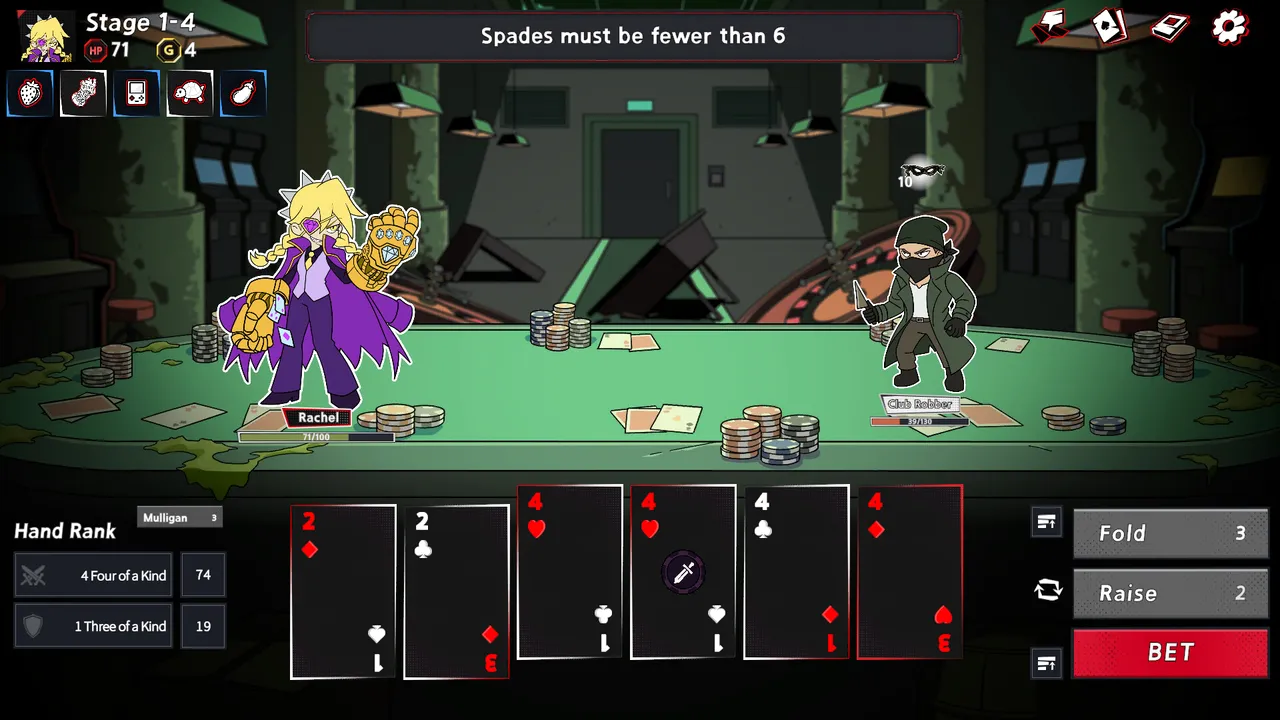
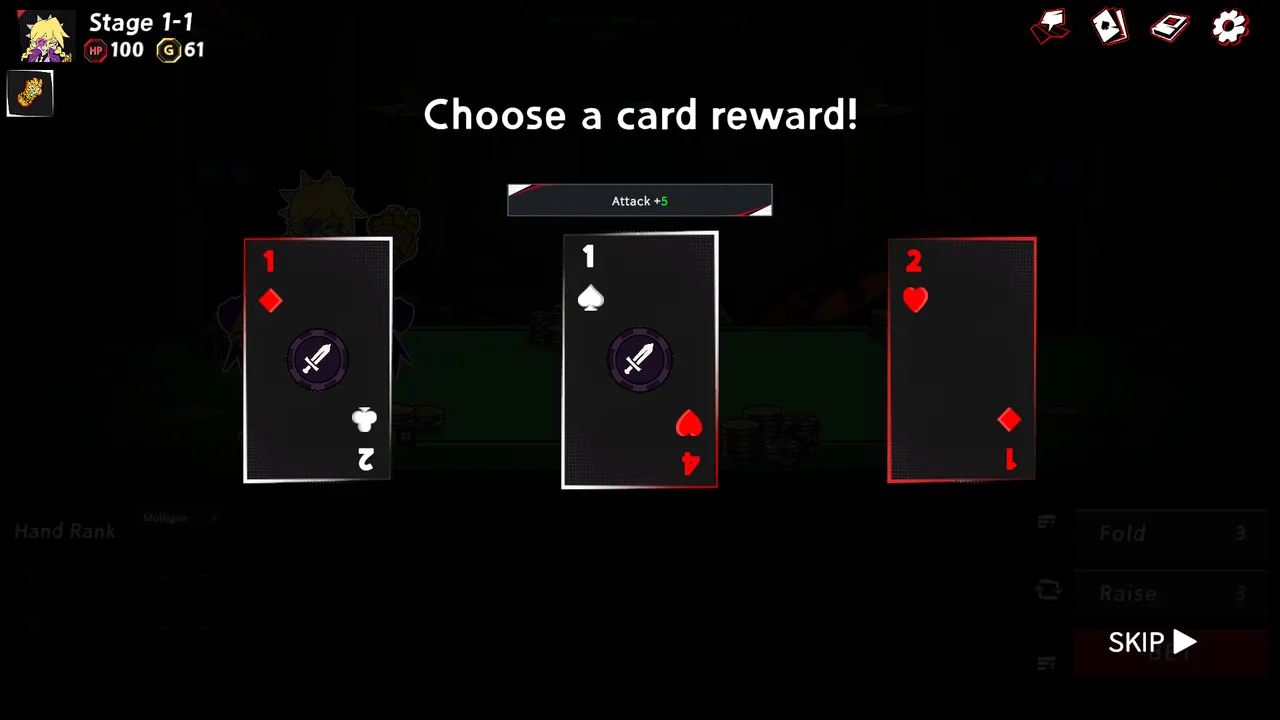
This is not a poker game that teaches you poker rules. Instead, it borrows poker's language—pairs, straights, flushes—as a shorthand for hand strength and synergy, then builds turn-based combat around the puzzle of forming two hands simultaneously while managing a dual-faced deck. Each turn you choose which cards show their top face (dealing damage) and which show their bottom face (providing defence), and the cards themselves carry different values and combinations depending on how they land. That asymmetry means every card pull shapes the puzzle differently, and unlike traditional deckbuilders where you assemble a list before combat starts, here your deck emerges in real time as you discover new cards and jokers across runs.
The Joker Multiplier and Build Variety
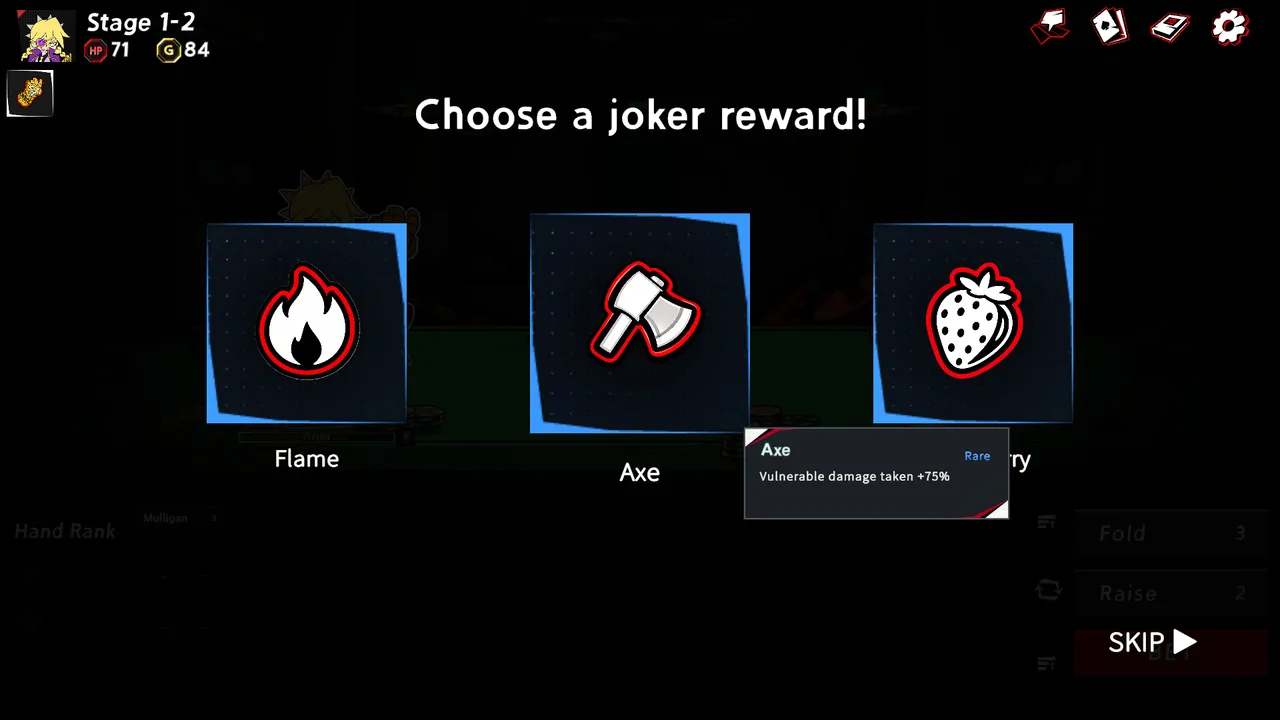
Where Padoria distinguishes itself is through jokers—special cards that modify how poker hands work or how cards behave. Some relax the stringent requirements of forming a flush or straight, others amplify specific card combinations, and each joker you unlock reshapes what a viable build looks like. This is the system's answer to replayability; a joker that strengthens pairs plays fundamentally differently from one that powers up high cards, so the same base pool of cards produces radically different runs. The question the game must answer is whether joker variety runs deep enough to sustain a roguelike across multiple playthroughs, or whether the novelty of dual-faced poker hands settles into a predictable rhythm.
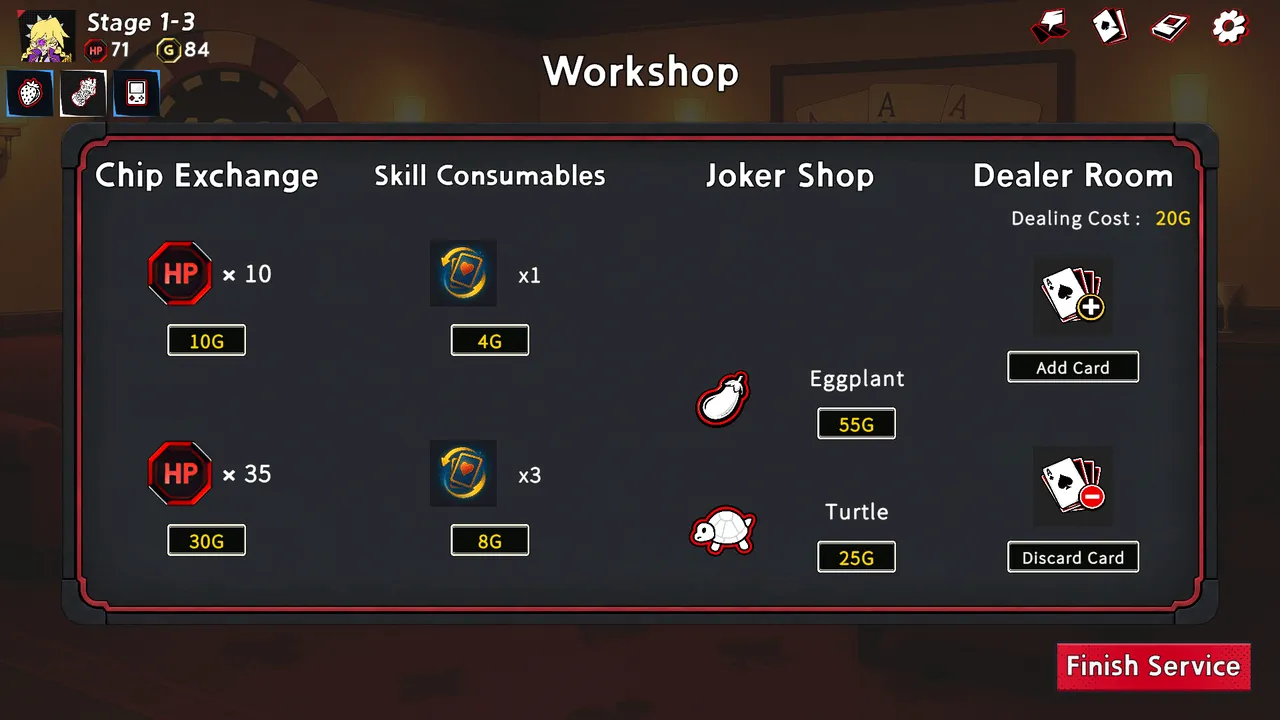
Equipment slots further personalise your approach, letting you layer modifiers on top of joker synergies and base hand strength. The interplay between these three systems—dual-faced cards, jokers, and equipment—suggests that Padoria is banking on combinatorial depth rather than a sprawling card pool, a design choice that either creates elegant, discoverable interactions or forces you to brute-force your way through shallow option sets. For players who loved the layered deckbuilding of Slay the Spire but found its card volume exhausting, Padoria's tighter mechanical focus may click immediately. Those after a slower, more methodical roguelike should know that simultaneous hand-building introduces real-time pressure—you must decide and commit each turn—which narrows the window for deliberation.
Release Date and Platform
Padoria launches on July 16, 2026 exclusively on PC through DSgames, a small indie studio with no known prior releases, which means this is an untested debut. That raises the stakes; the studio's reputation rests entirely on whether the poker hand mechanics, joker synergies, and progression feel balanced and rewarding rather than punishing or obscure. The scope appears focused—no multiplayer, no campaign narrative framing, just the roguelike loop—which is a sensible decision for a small team launching a game built on a single mechanical idea.
Wishlist Padoria if you are drawn to roguelikes that prize decision-making over randomness, or if you want a deckbuilder that plays unlike anything else in the genre. Wait for player feedback after launch if you need proof that joker variety sustains dozens of runs, or if you prefer established studios. Skip it only if simultaneous hand-building sounds like busywork rather than a puzzle.
Features
System requirements
Minimum
- OS
- Windows 10
- Processor
- 2.0 Ghz
- Memory
- 4 GB RAM
- Graphics
- Integrated graphics (Intel HD Graphics 4000 or better)
- DirectX
- Version 10
- Storage
- 500 MB available space
- Sound Card
- Integrated sound card





No comments yet. Be the first to share your thoughts.