
Funge
About Funge
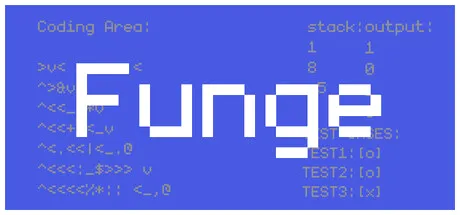
Funge takes the two-dimensional grid structure and unconventional execution flow of Befunge, an esoteric programming language most developers have never touched, and repackages it as a pure logic puzzle game. The release date for Funge is July 19, 2026 on PC. What makes this approach interesting is not that it teaches programming—it does not—but that it strips Befunge down to its spatial and algorithmic core and asks you to solve it like a maze, a lock puzzle, or a chess problem.
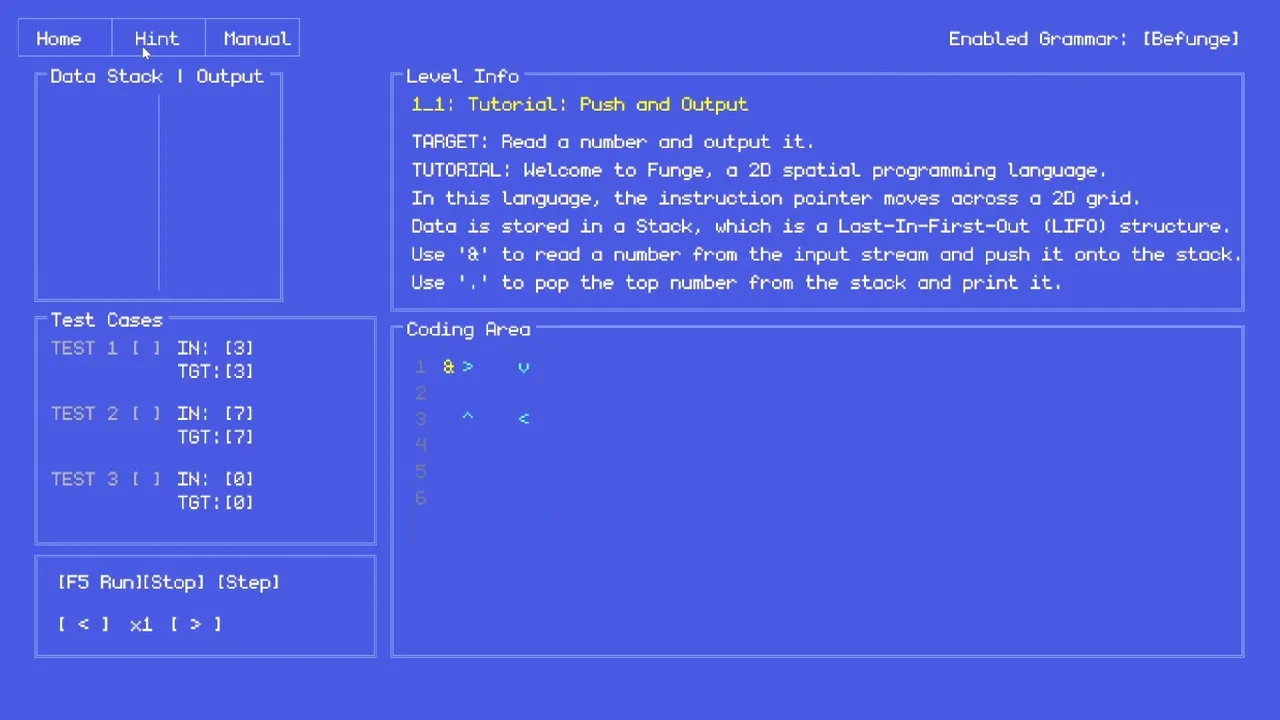
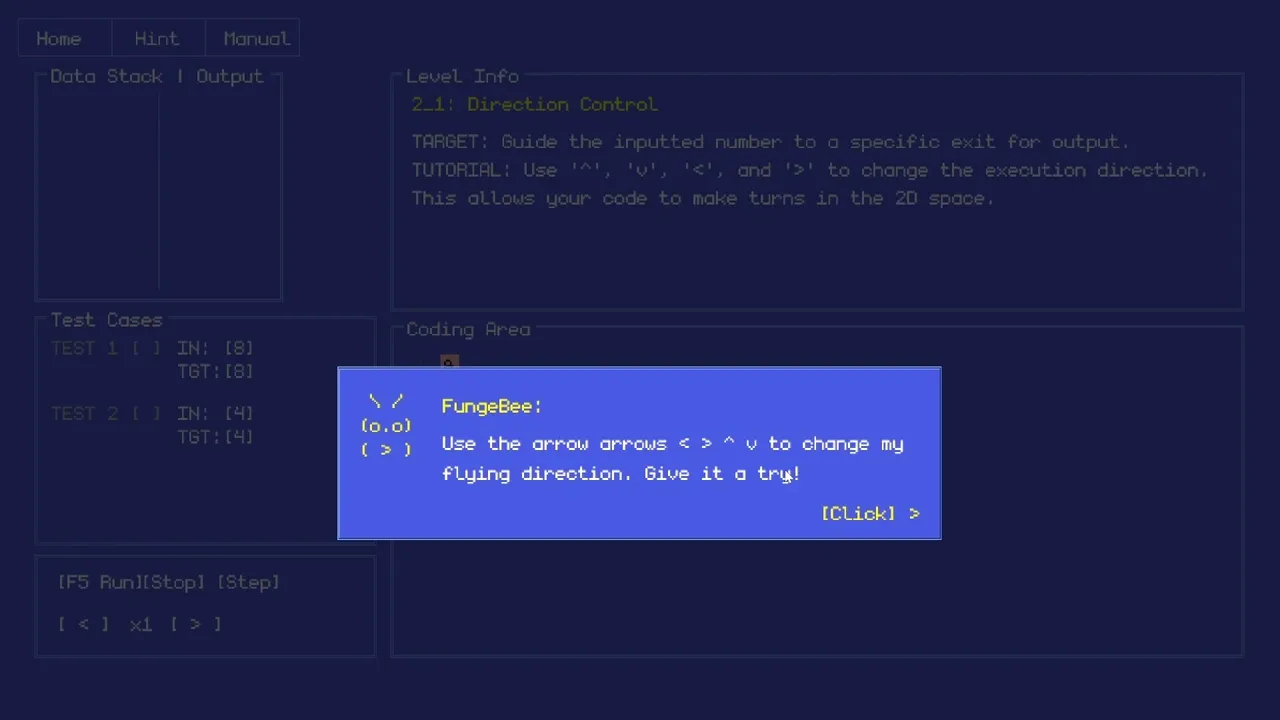
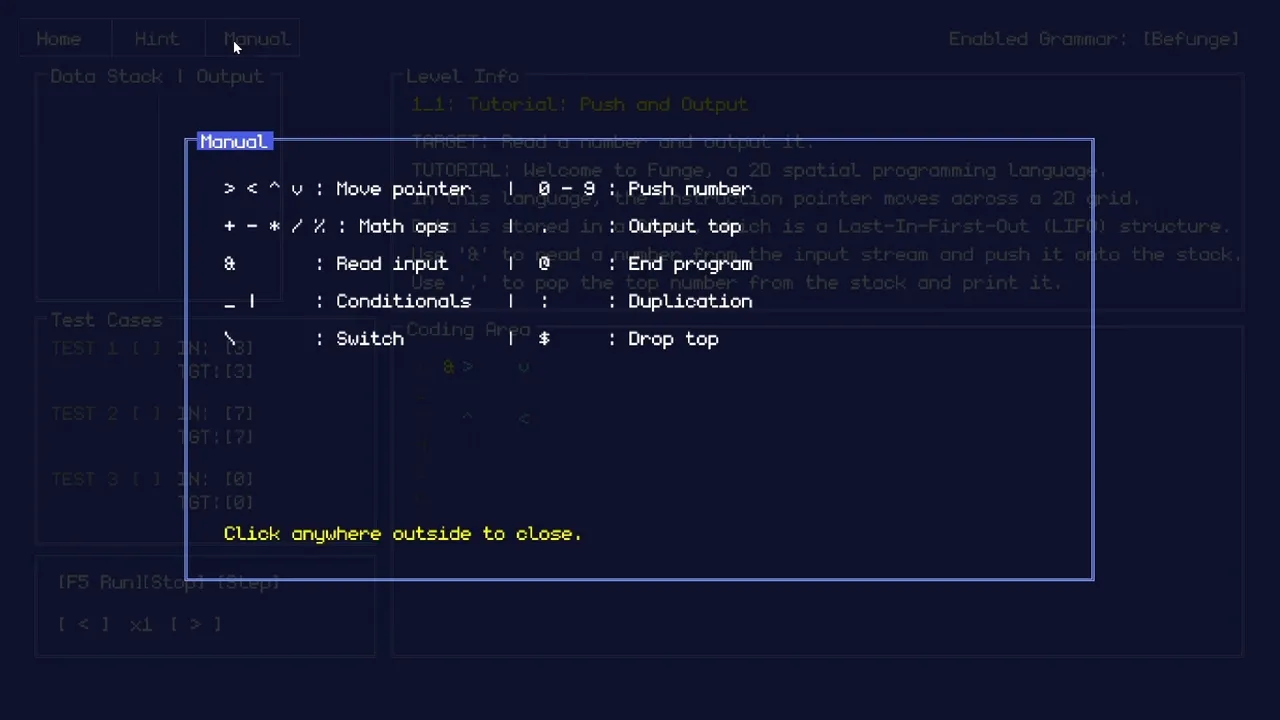
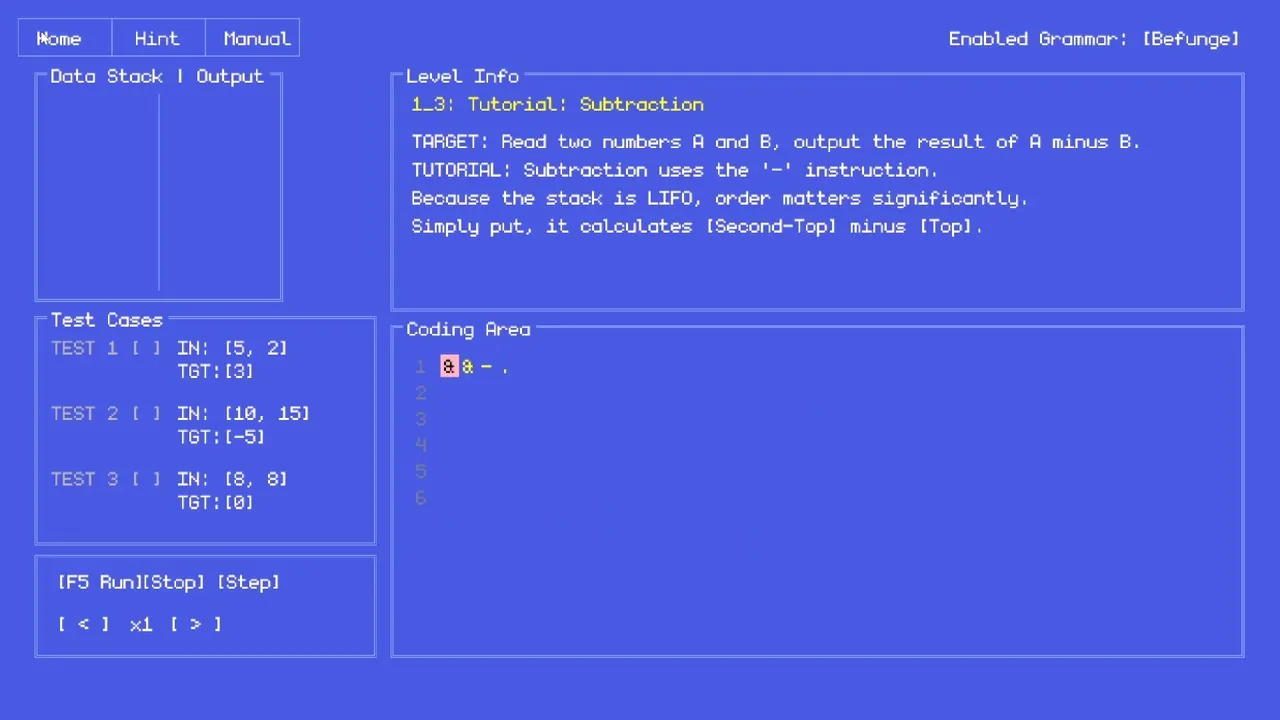
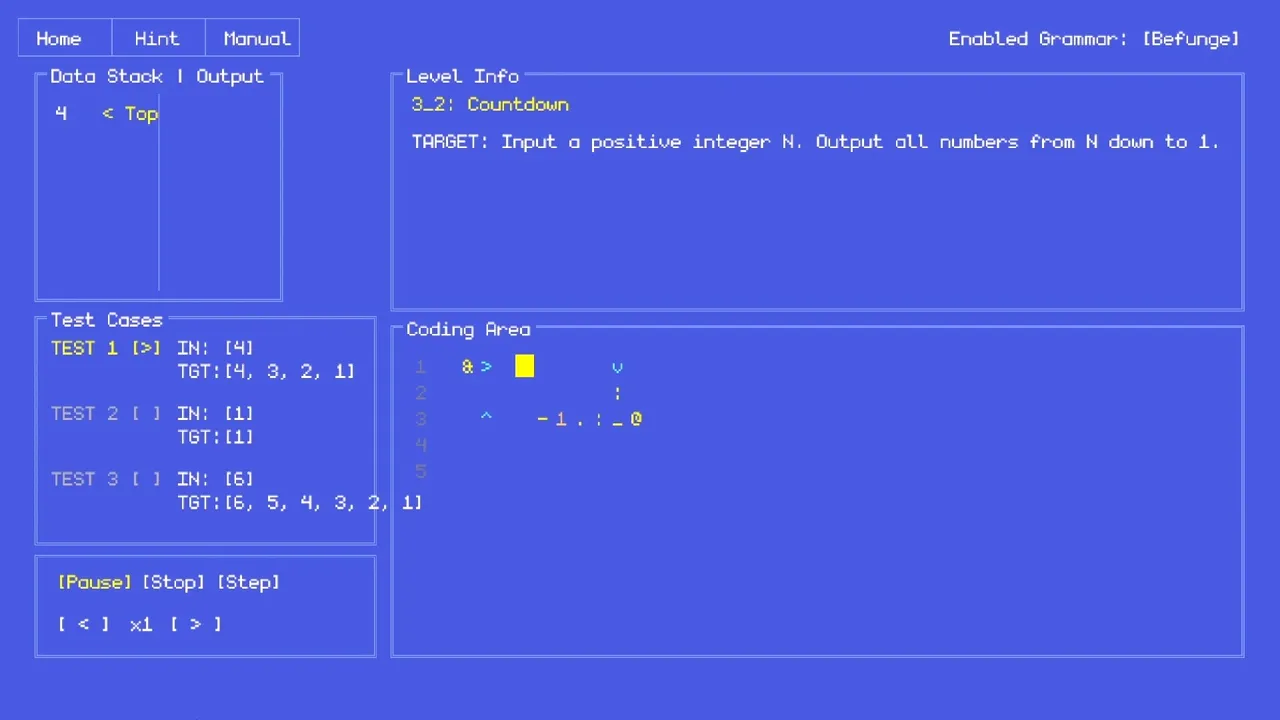
The central mechanic is writing code that flows through a two-dimensional grid, where the direction and path of execution are as much a part of the puzzle as the operations themselves. You are not debugging real software or learning practical skills; you are manipulating a logic system with rules unfamiliar enough to feel fresh, yet learnable enough to not become frustrating. The game teaches Befunge from the ground up through an interactive tutorial, so no prior knowledge of esoteric languages is required.
A Minimalist Take on Logic Puzzles
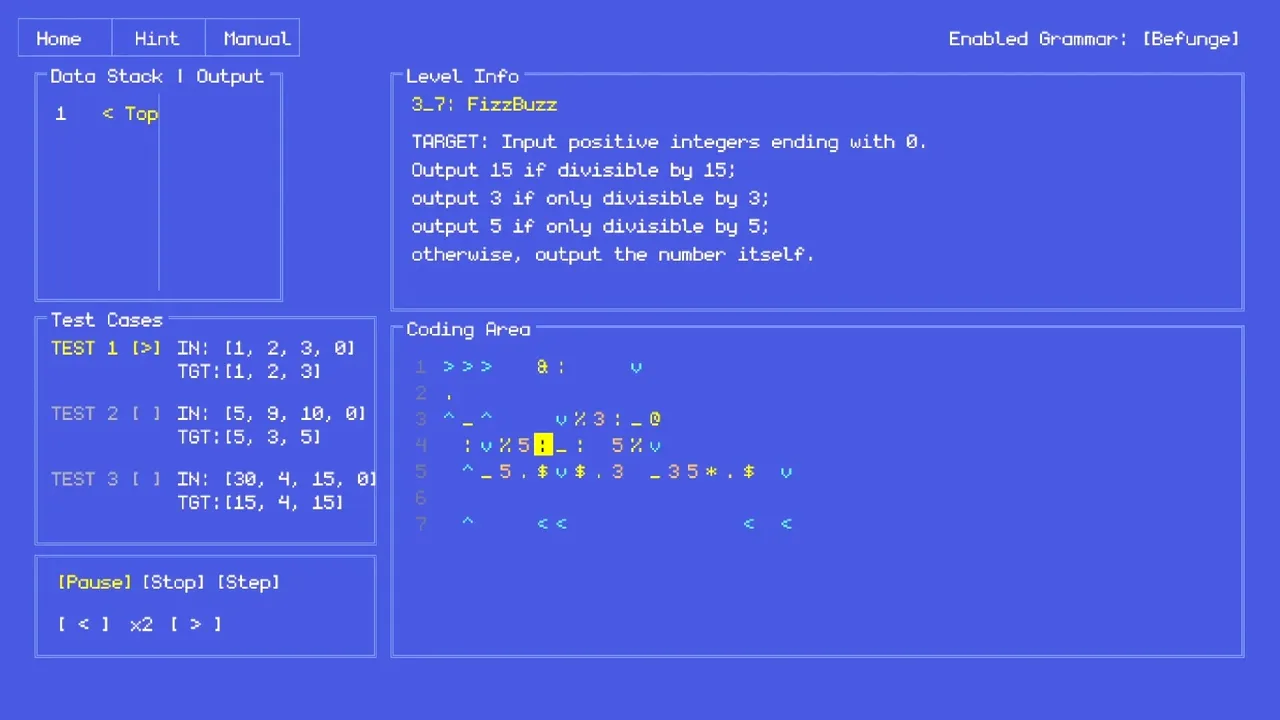
The visual execution model—watching your instructions flow through the grid in real time as you run them—transforms what could be abstract symbol manipulation into something readable and, crucially, debuggable. You can see exactly where your logic goes wrong. That immediate feedback loop is the difference between a puzzle that teaches and a puzzle that frustrates. The minimalist aesthetic reinforces this: no distraction, no narrative wrapper, just you, the grid, and the problem.
The design risk is pacing. Befunge's quirky rules are novel enough to keep the first few puzzles engaging, but whether the studio can keep that tension alive across an entire puzzle set without resorting to crushing difficulty or excessive busywork is the open question. Casual and indie puzzle games live or die on a rhythm of discovery and satisfaction, not on raw challenge, and a curated level progression matters more than raw volume.
Who This Is For
This is for puzzle enthusiasts comfortable with constraint-based thinking and curious about programming concepts without wanting to actually write software. Players who enjoyed games like Opus Magnum or TIS-100—puzzle games that teach you a system and then lock you in with it—will recognize the same DNA here. If you prefer puzzle games with story, character, or narrative stakes, or if you want the game to explain why the puzzle matters beyond the logic itself, Funge will feel cold.
Add Funge to your wishlist if you are drawn to minimalist design and want a fresh take on logic challenges that avoids the usual grid, block, and match archetypes. The release date is confirmed, the concept is solid, and this is the kind of game that either clicks immediately or does not.
Themes
Features
System requirements
Minimum
- OS
- Windows7
- Processor
- Intel i3
- Memory
- 1 GB RAM
- Graphics
- GTX 260
- Storage
- 100 MB available space
- Sound Card
- Any
Recommended
- OS
- Windows11
- Processor
- Intel i5
- Memory
- 16 GB RAM
- Graphics
- RTX 4060
- Storage
- 100 MB available space
- Sound Card
- Any






No comments yet. Be the first to share your thoughts.