
About Orbit: Last Shot
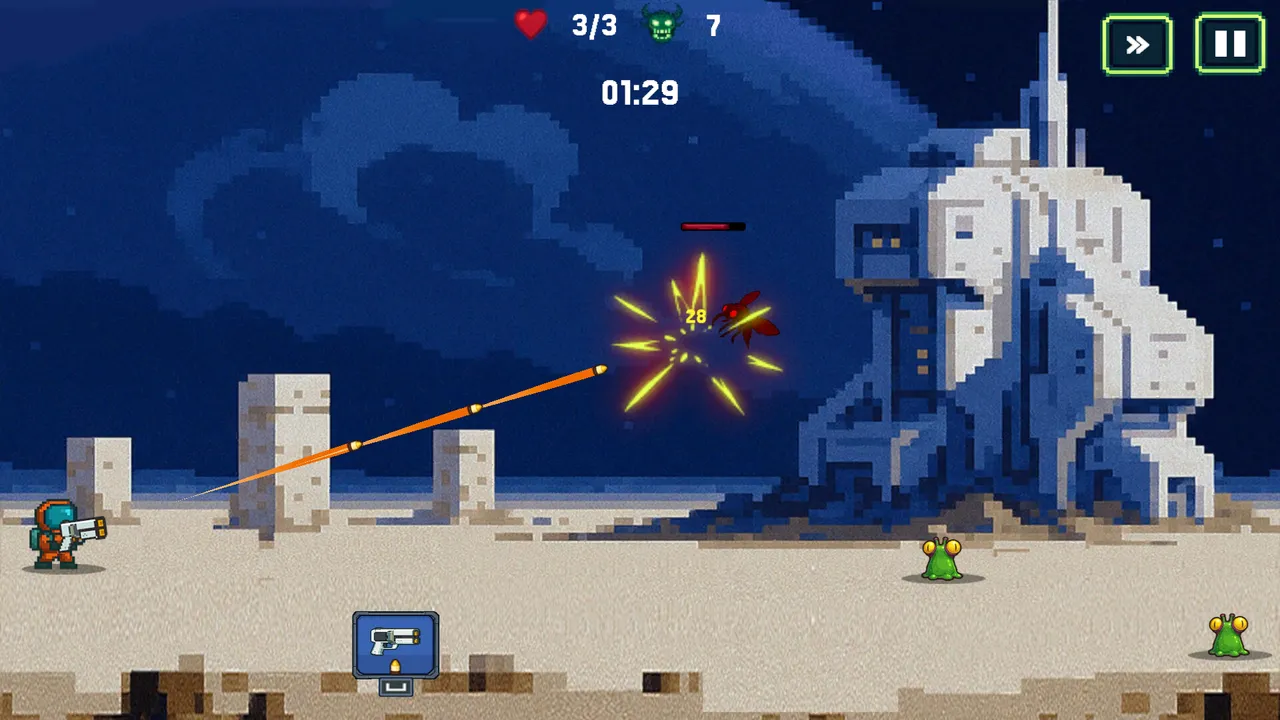
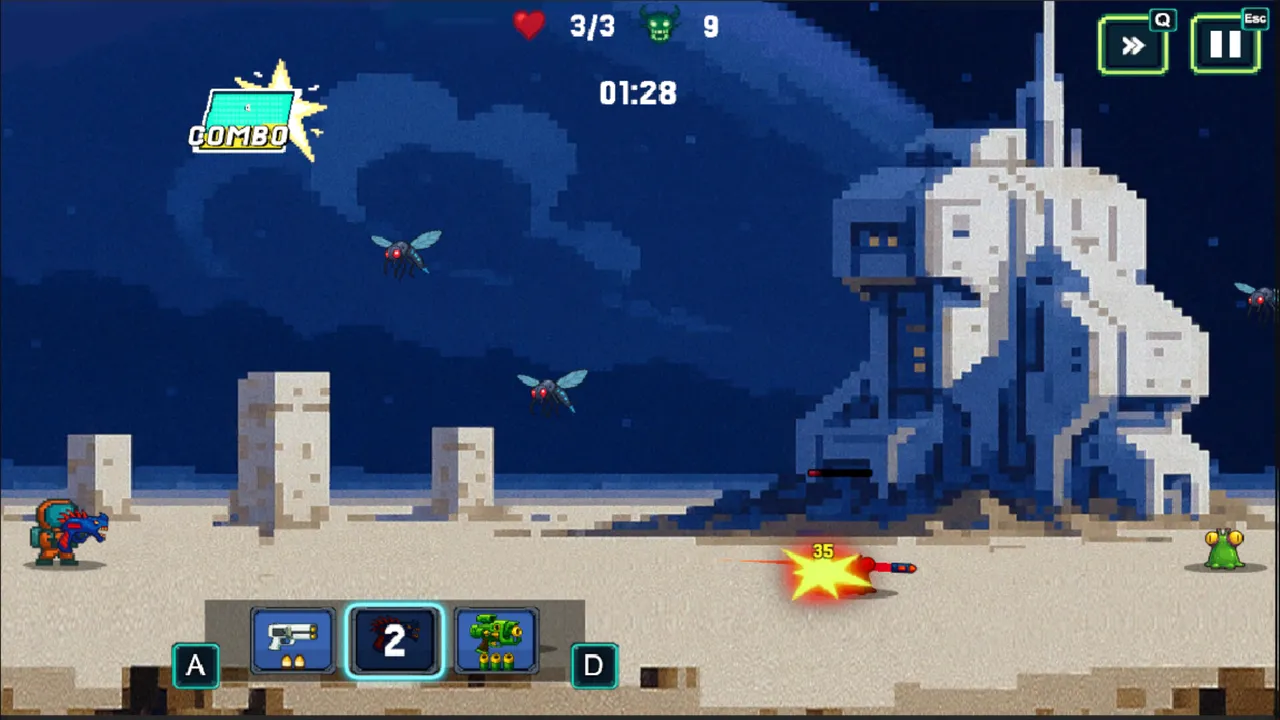
Orbit: Last Shot stakes everything on a single mechanic: using slingshot physics to bounce across arenas as your primary movement and attack vector. Rather than a traditional action RPG where you walk and swing, you are constantly firing weapons to ricochet yourself into enemies and across the battlefield. This is not a side feature—it is the spine of combat, and the entire game is built to make that loop feel fluid and purposeful enough to sustain ninety minutes or more.
The release date for Orbit: Last Shot is July 17, 2026, exclusively on PC. Taifrog Games is handling both development and publishing, a small studio bet on a very specific design. The risk is clear: slingshot combat is inherently strange, and it either becomes second nature and addictive or it feels awkward every time. Whether the studio can keep the physics intuitive enough that players spend more time mastering ricochet angles than fighting the controls is the central tension the whole game rests on.
Slingshot as Core Loop
Materials drop from defeated enemies and feed directly into a crafting and upgrade economy. You do not hunt for gear; you synthesize it from what combat gives you. This creates a tightly closed loop: bounce, fight, gather, craft, return stronger. It is a common pattern in action RPGs—loot drives progression—but here the link between killing and upgrading is immediate and visible, which should make the feedback loop snappier than games where inventory management sits between you and power growth.
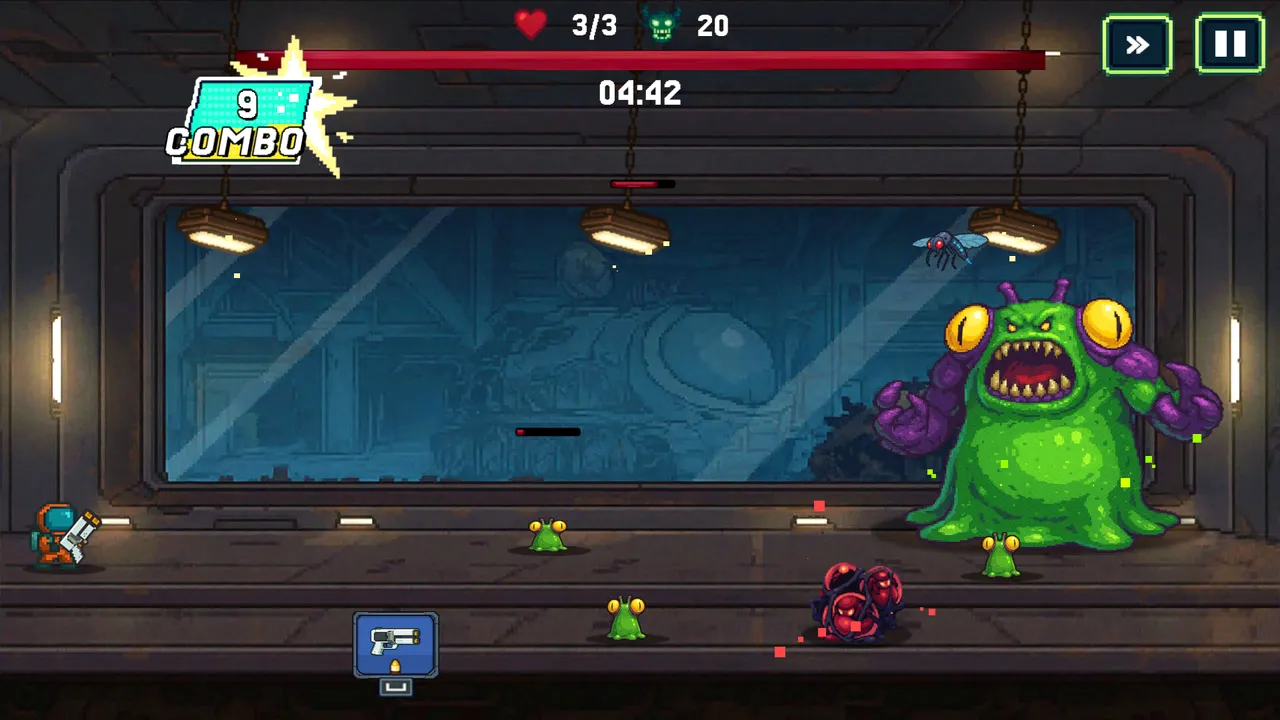
Enemy design spans sci-fi creatures, fantasy archetypes, and zodiac-themed incarnations, suggesting the studio is building visual variety to mask potential combat repetition. If slingshot physics work at the level Taifrog is aiming for, that variety matters less; if they do not, repetition will set in faster.
Who Should Play, Who Should Wait
This is for players drawn to mechanics-first design and small-studio experiments willing to take risks on control schemes. Anyone who found joy in momentum-based movement or physics-heavy platformers, or who loved the deckbuilding-into-combat loop of games like Monster Train, will recognize the DNA here. Skip it if you need traditional WASD movement, or if slingshot-style bounce felt awkward in earlier games you have tried. Given the release date sits in mid-July with no pre-release coverage visible, waiting for player feedback is reasonable—this is exactly the kind of game where hands-on early impressions will settle whether the core loop works.
Features
System requirements
Minimum
- OS
- Windows 10 (64-bit)
- Processor
- Intel Core i3 / AMD Ryzen 3 or equivalent dual-core processor
- Memory
- 4 GB RAM
- Graphics
- Intel HD Graphics 4000 or any graphics card compatible with DirectX 11
- DirectX
- Version 11
- Storage
- 500 MB available space
Recommended
- OS
- Windows 10 / 11 (64-bit)
- Processor
- Intel Core i5 / AMD Ryzen 5 or higher
- Memory
- 8 GB RAM
- Graphics
- NVIDIA GeForce GTX 1050 / AMD Radeon RX 560 or better
- DirectX
- Version 11
- Storage
- 500 MB available space



No comments yet. Be the first to share your thoughts.