



Merry’s Seven Wishes
About Merry’s Seven Wishes
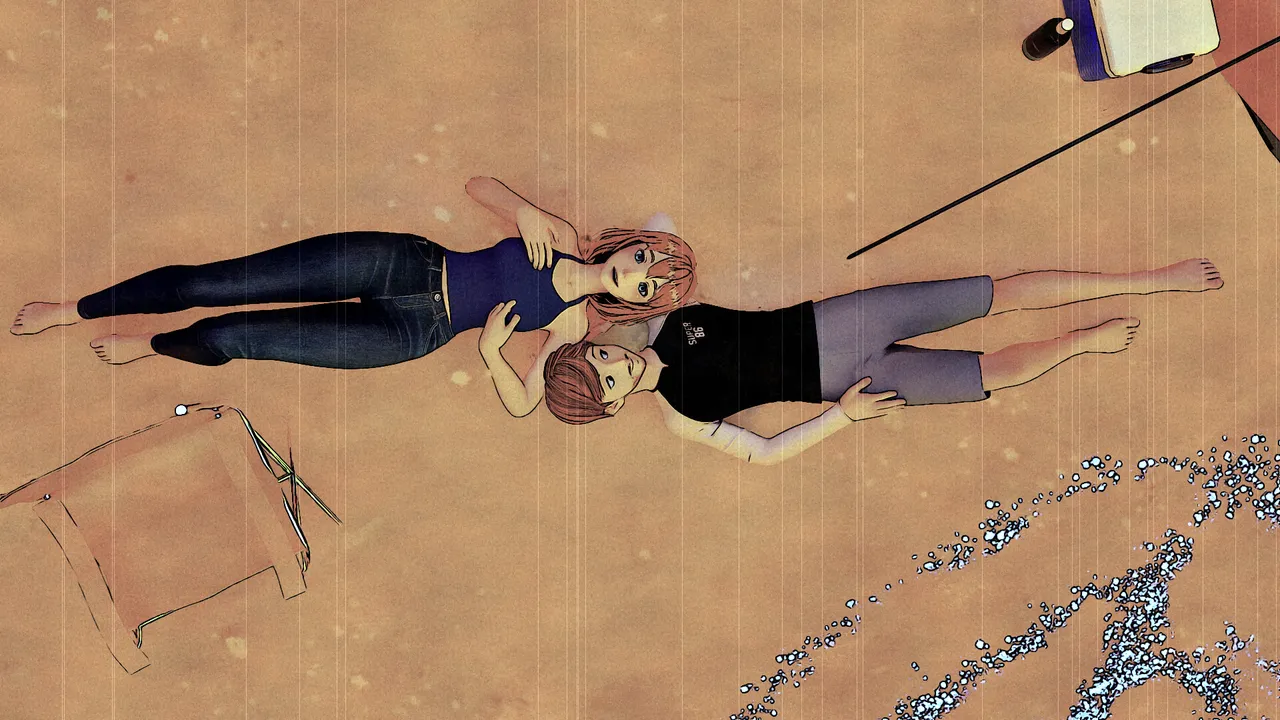
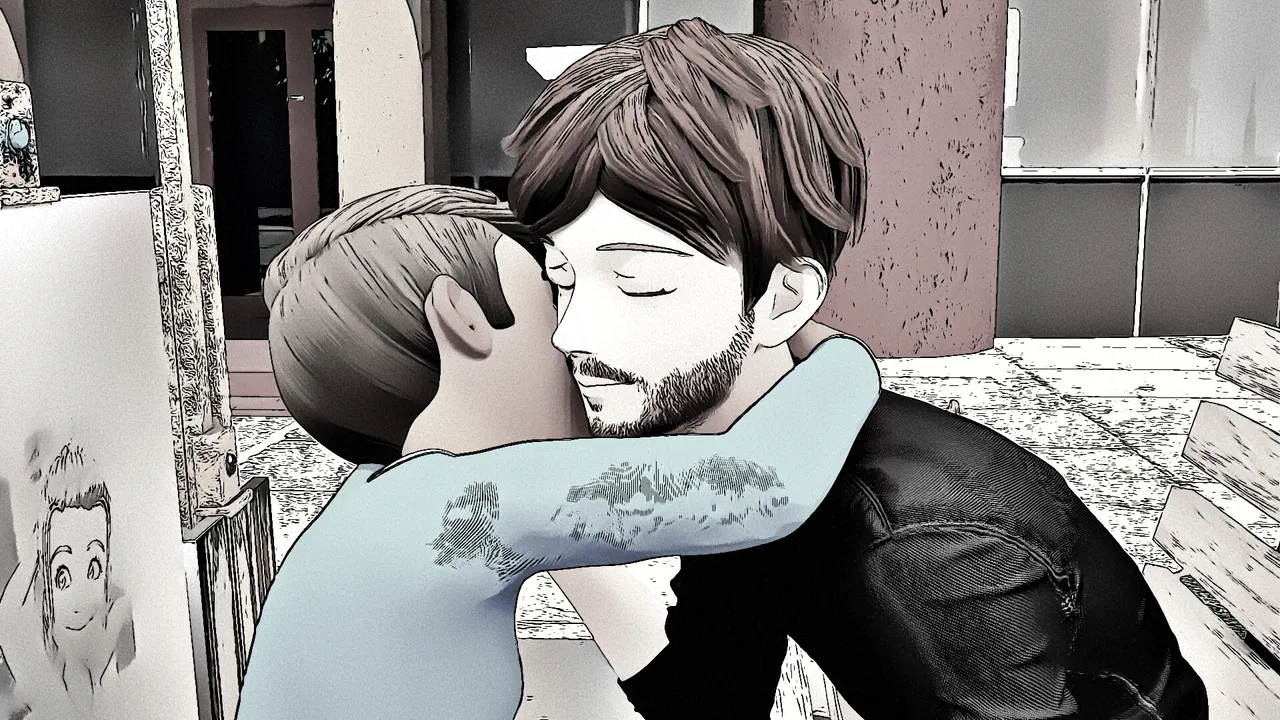
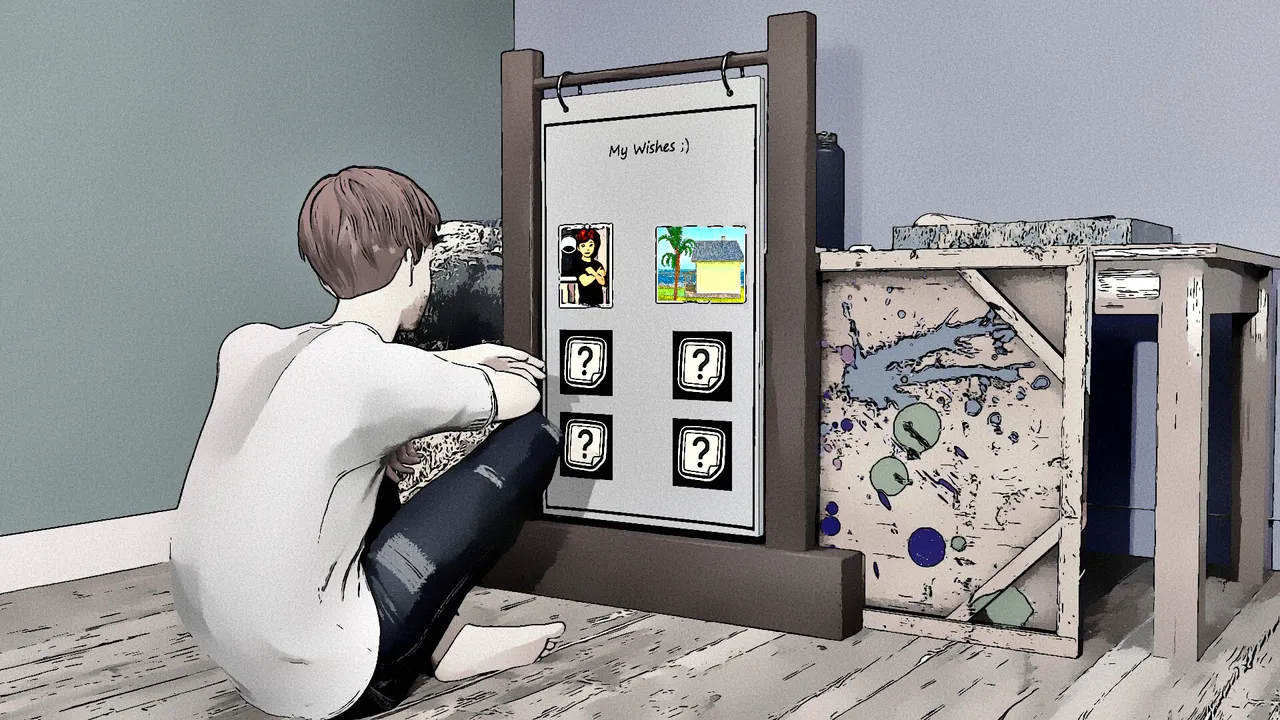
Merry's Seven Wishes is a visual novel built entirely around a single, deceptively simple mechanic: completing the numbered wishes left behind by a dead woman to restore color to the world of her grieving widower. The release date for Merry's Seven Wishes is July 20, 2026 on PC.
The game's central metaphor—a world drained to grayscale by loss, then gradually repainted by acts of remembrance—is not decoration. It is the core loop. Each of the seven wishes functions as a discrete chapter that combines dialogue, mini-games, and narrative beats to inch the world toward color. This is not a branching narrative where choices fork the plot, nor an open-world exploration game. It is a linear, authored sequence where the player's active role is to participate in mini-games and respond to story beats as a way of honoring Merry's final requests. The design trades player agency for emotional clarity: there is one path, and the tension comes not from uncertainty about what happens next, but from whether Richard—and through him, the player—can genuinely connect with the meaning behind each wish.
A visual novel framed around grief and restoration
The game positions itself as a response to a specific kind of story: one where loss is the starting point, not a plot twist or a climax. Most games treat grief as something to overcome and move past. Merry's Seven Wishes instead treats it as the landscape the entire experience inhabits. By tying emotional progress directly to visual restoration—the world's color meter rising with each completed wish—the game is betting that players will feel the metaphor as they play. Whether that emotional resonance lands depends almost entirely on the quality of the writing, the music, and the coherence of the wishes themselves. A poorly chosen wish, or dialogue that feels manipulative rather than genuine, breaks the spell.
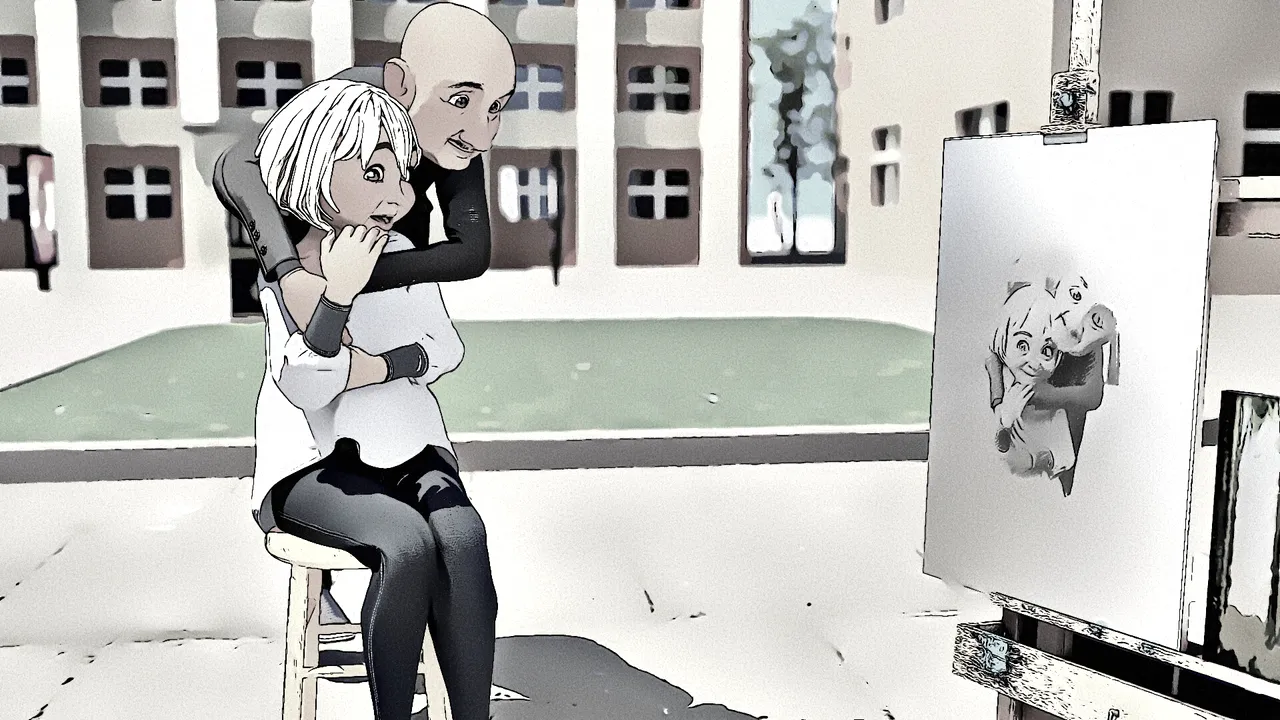
The use of mini-games to fulfill the wishes is a deliberate choice to make the player an active participant in remembrance rather than a passive observer. This is where the game risks stumbling: mini-games tied to narrative meaning can feel either earned or tacked-on, and the gap between them is narrow. The presence of multiple mini-games, each distinct enough to feel contextual rather than repetitive, suggests the studio understood this, but confirmation will depend on execution.
Release date and design scope
Midnight Shift Games describes this as a short experience, a relevant detail because scope shapes expectation. A concentrated, tightly written seven-chapter story has a better chance of maintaining emotional consistency than a sprawling game that dilutes its themes. The release date of July 20, 2026 arrives with no announcement of multiple playthroughs or branching epilogues, suggesting the studio is confident in its core narrative and willing to let it end cleanly.
The game is localized into eight languages with full interface and subtitle support, a signal of intent to reach beyond a single regional audience with what is fundamentally a story about universal human experience.
This is for players who value narrative coherence and emotional authenticity over mechanical depth or player choice. Anyone after a slower, more introspective experience built around a single strong idea, rather than a game that tries to be all things, should add this to their wishlist. Skip it only if you find grief-centered narratives manipulative or if you need mechanical variety to stay engaged. The honest question is whether seven wishes and a grayscale-to-color arc can sustain ninety minutes without becoming sentimental.
Features
System requirements
Minimum
- OS *
- Windows 7 or above
- Processor
- Intel Core i3 (2.0 GHz) or equivalent
- Memory
- 4 GB RAM
- Graphics
- Intel HD Graphics 4000 or equivalent (DirectX 11 compatible)
- Storage
- 720 MB available space

No comments yet. Be the first to share your thoughts.