
The Door at the End of the Hall
About The Door at the End of the Hall
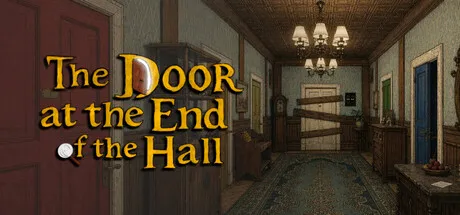
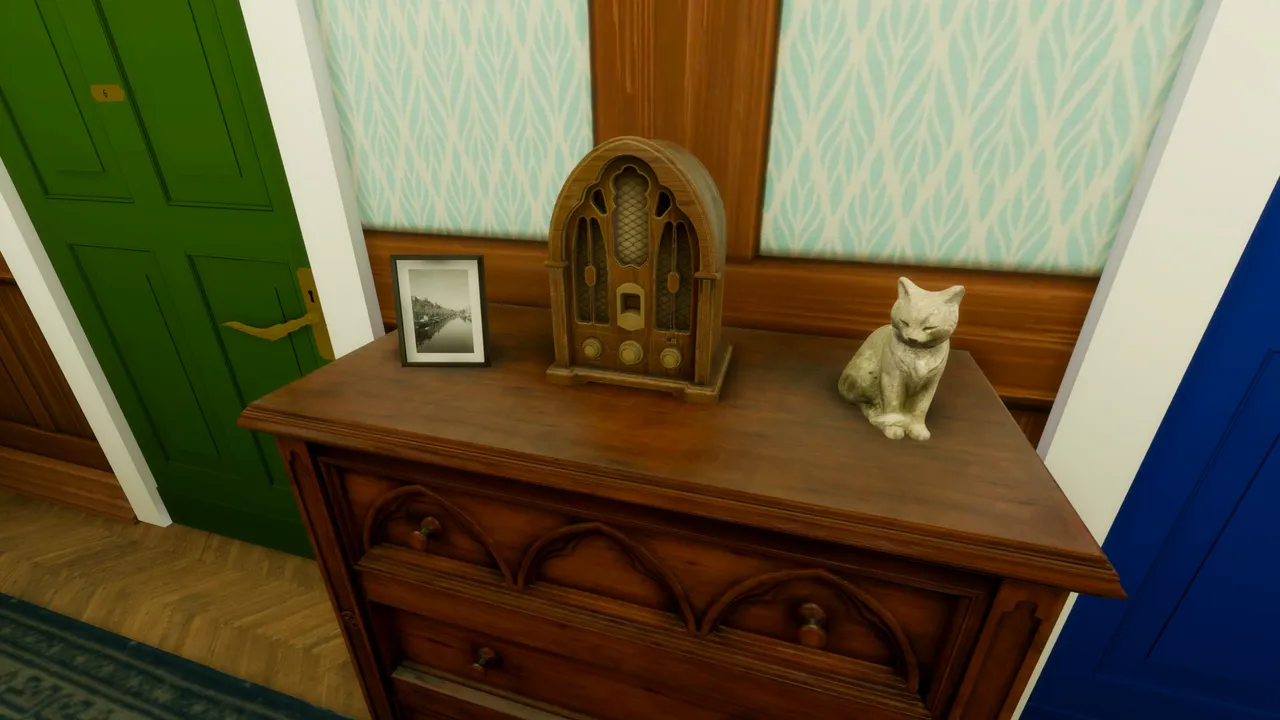
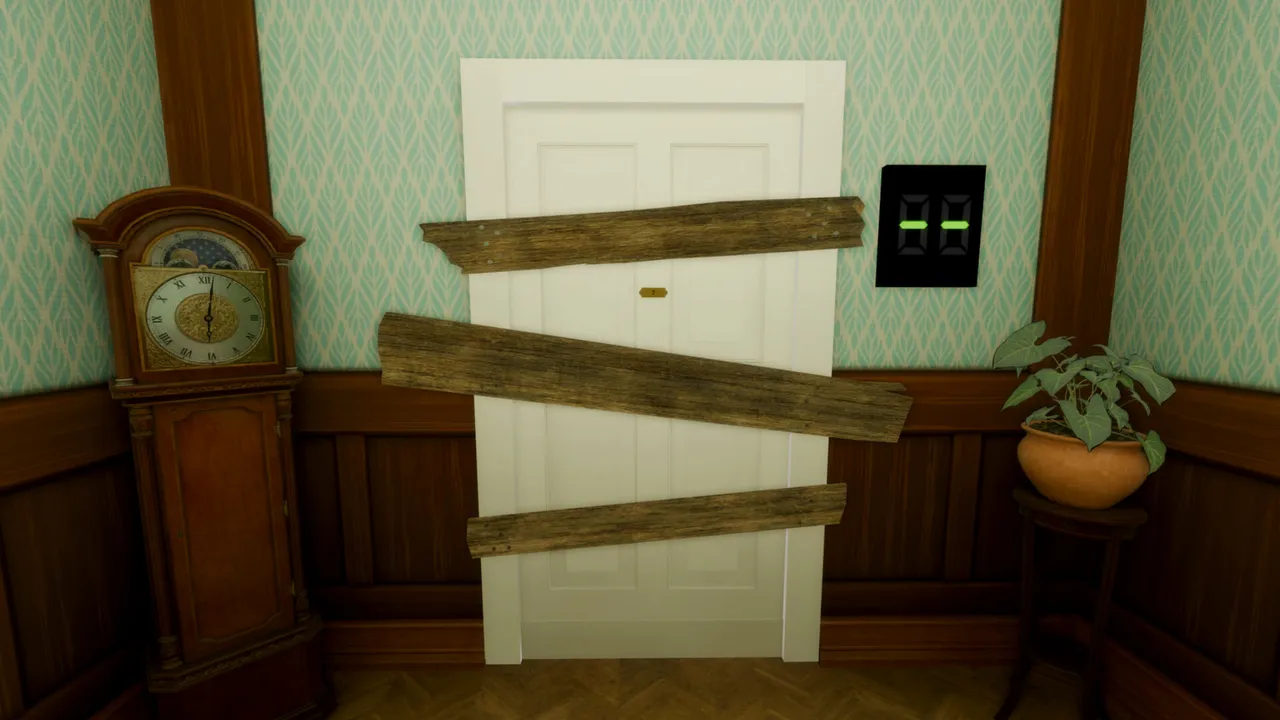
The Door at the End of the Hall is a first-person observation game built on a deceptively simple premise: you are trapped in a corridor that resets with each door you choose, and only by noticing what has changed each time can you find the exit. The release date for The Door at the End of the Hall is July 20, 2026 on PC, and the game's entire design rests on whether players can sustain focus and pattern-recognition over a series of deliberate loops.
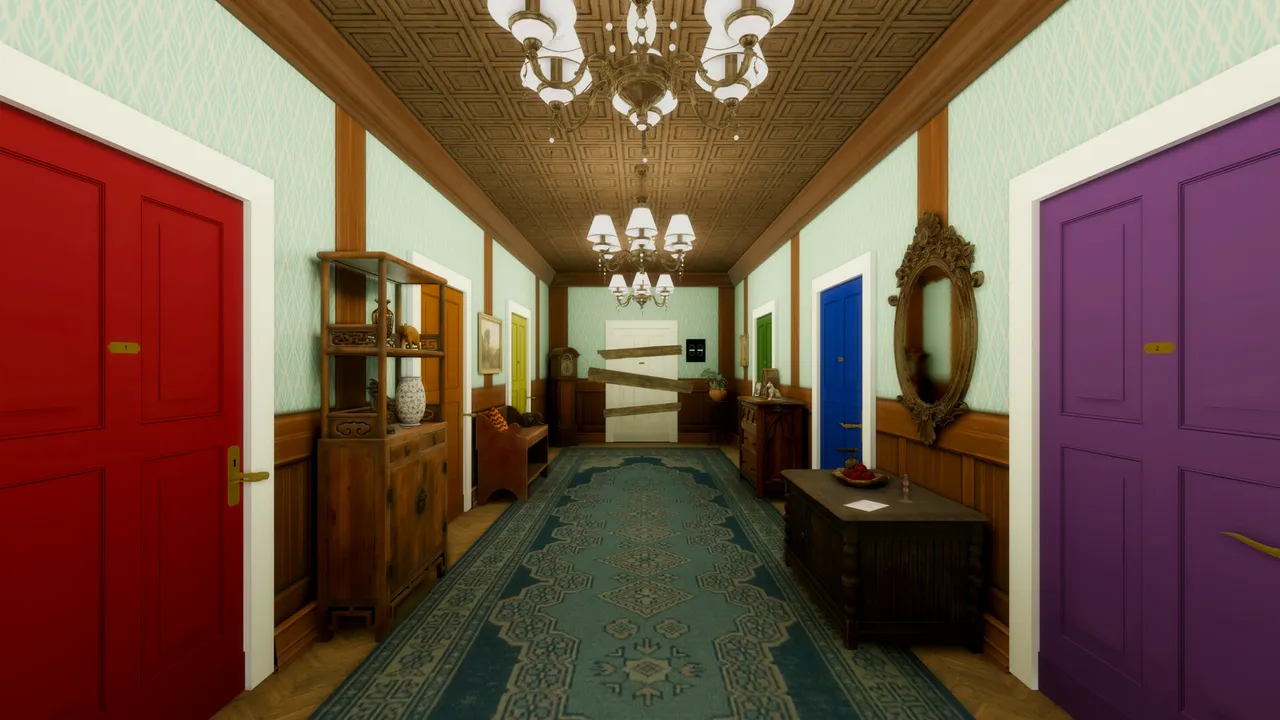
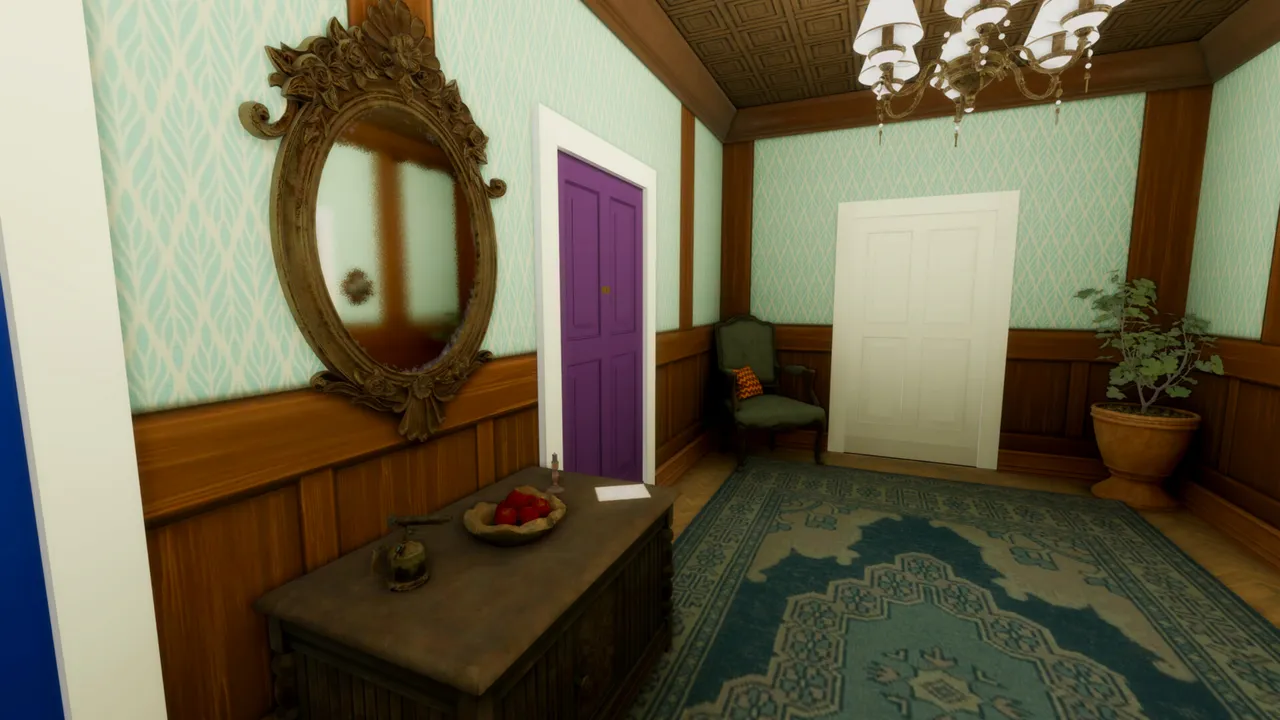
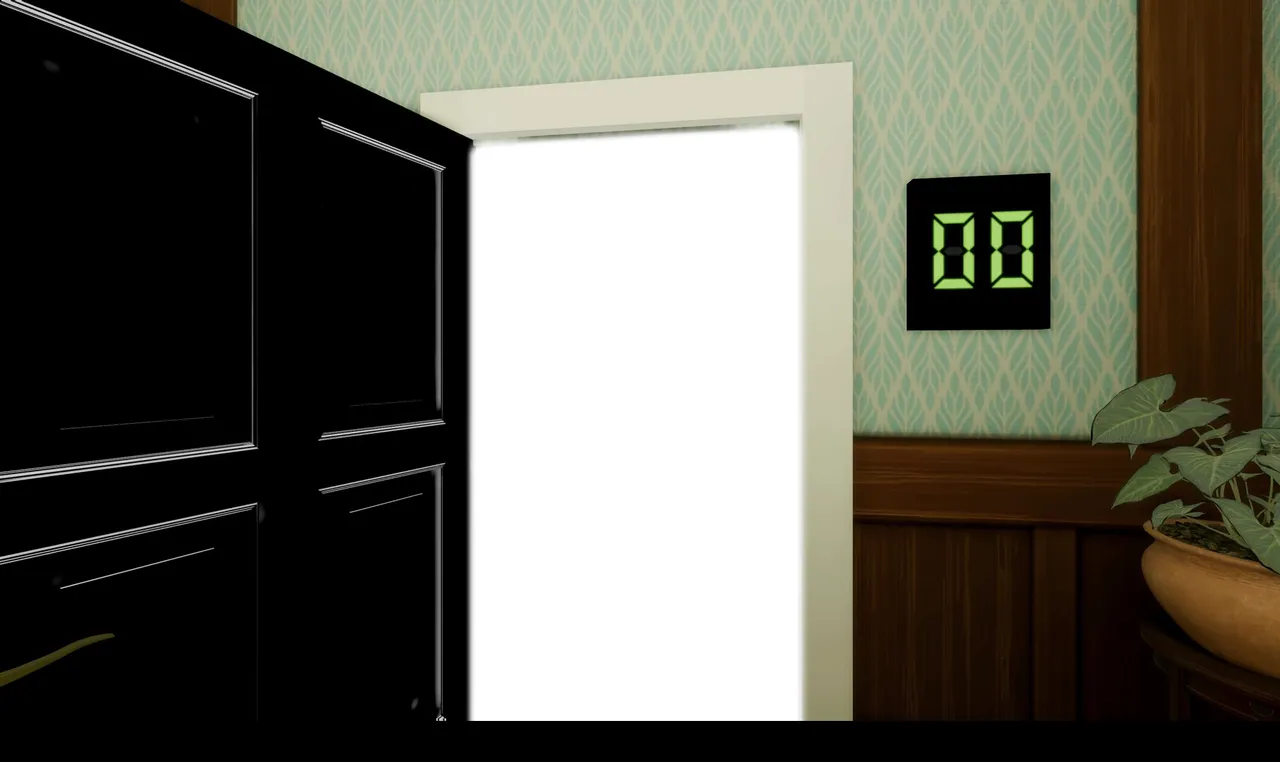
The core mechanic is deterministic anomaly-spotting. You move through the hallway, observe the environment, choose a door, reset, and repeat. Each loop introduces a deliberate change—an item shifted, a detail misplaced, a spatial inconsistency—and your task is to decode these alterations to understand the rules governing each passage. There is no randomness; every shift is intentional and solvable. This means the game is not testing luck or reflexes but memory, attention, and your ability to build a mental map of what should be and what is wrong.
Observation as the Only Tool
The design philosophy here is austere. No combat, no inventory puzzles, no dialogue branching. Your sole resource is observation, and the game's success hinges on whether the visual feedback from each change feels meaningful enough to sustain engagement across multiple loops. The risk is clear: if the alterations are too subtle, players will miss them and spiral into frustration; if too obvious, the puzzle collapses into trivial guesswork within two or three cycles. A game like this lives or dies on the calibration of its environmental design.
The tone suggests a psychological edge—the hallway watches you, noticing things feels eerie rather than playful—which frames observation as something slightly unsettling. This is not a relaxed, wandering experience but one that rewards vigilance and punishes assumptions. For players accustomed to action-driven games or narrative-heavy adventures, the rhythm will feel alien and claustrophobic.
The Open Question
Whether the core loop can stay engaging beyond the first handful of repetitions is the pivot point. A short, tightly-designed puzzle where each reset peels back one new layer of pattern could be brilliant; a game that relies on dozens of subtle permutations without clear feedback on progress could exhaust patience before reaching the door.
This is for players drawn to atmospheric puzzle-solving and willing to engage deeply with environmental detail, the kind who enjoyed titles that reward pure observation over mechanical skill. Anyone hunting for narrative payoff or varied gameplay should hold off until reviews confirm the pacing sustains. Wishlist this if you value atmosphere and lateral thinking; wait for early feedback if you need reassurance the design delivers on its promise of elegant, solvable loops.
Features
System requirements
Minimum
- OS
- Windows 10 (64-bit)
- Processor
- Intel Core i5-4460 / AMD FX-6300
- Memory
- 8 GB RAM
- Graphics
- NVIDIA GTX 750 Ti / AMD Radeon R7 260X / Intel UHD 630
- DirectX
- Version 11
- Storage
- 1 GB available space
Recommended
- OS
- Windows 10 / 11 (64-bit)
- Processor
- Intel Core i5-8600K / AMD Ryzen 5 2600
- Memory
- 16 GB RAM
- Graphics
- NVIDIA GTX 1060 / AMD RX 580
- DirectX
- Version 11
- Storage
- 1 GB available space




No comments yet. Be the first to share your thoughts.