
Late Night Fears
About Late Night Fears
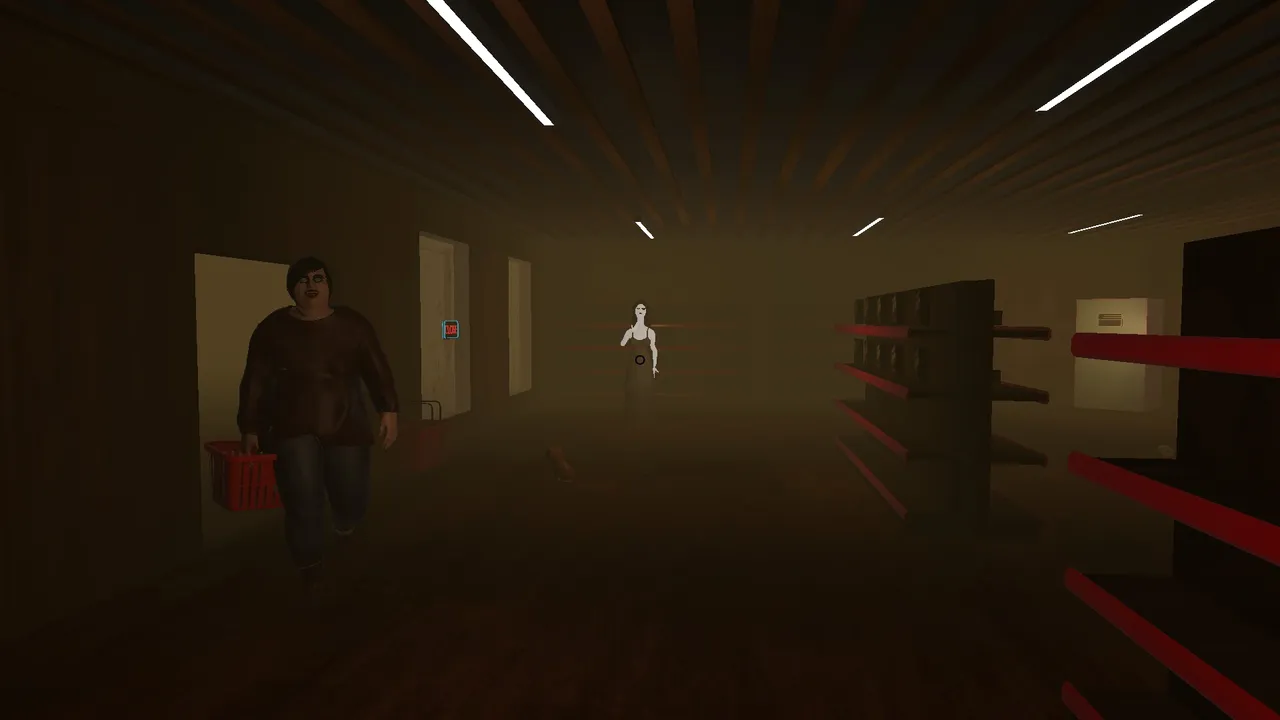
Late Night Fears is built on a simple but effective premise: horror through the mundane. Rather than a single campaign, the game packages three separate scenarios, each stripping away combat and spectacle to leave you alone in a confined space where something is deeply, quietly wrong. The release date for Late Night Fears is July 17, 2026, and it arrives exclusively on PC.
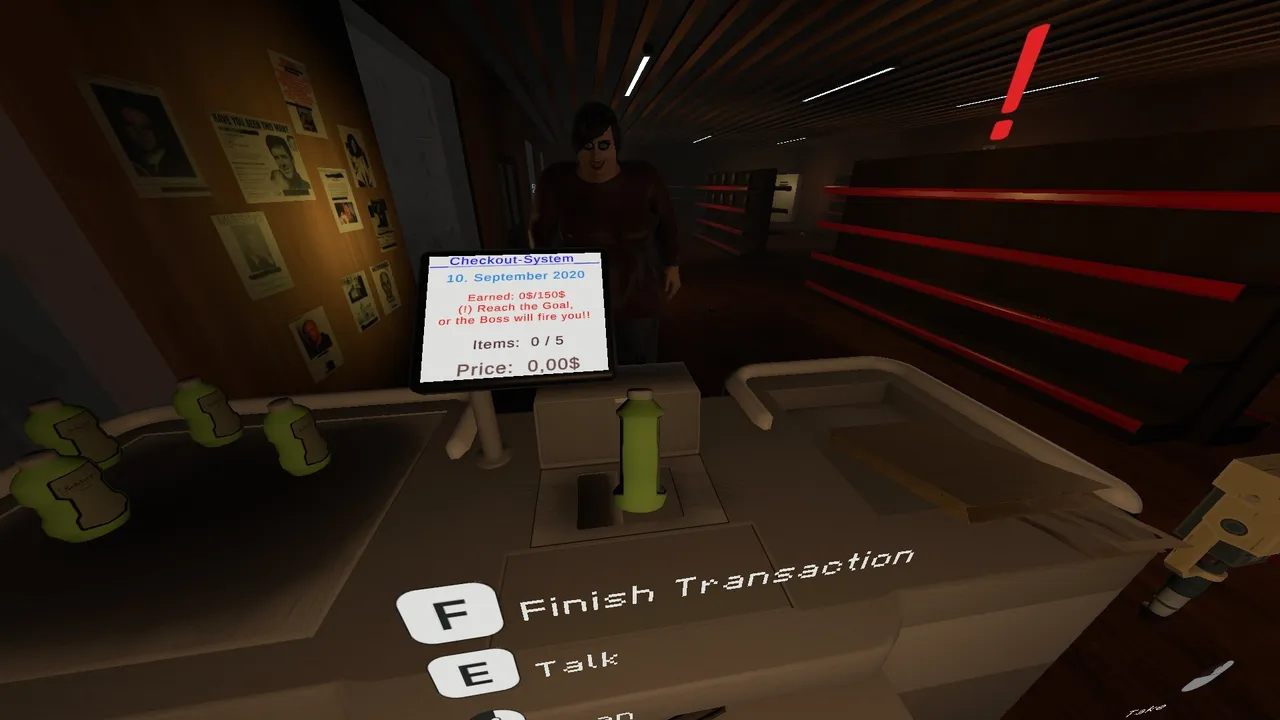
The core design trades jump scares and action for sustained unease in everyday settings. You work a register during a pandemic, cook fast food for increasingly wrong customers, or hunt for anomalies on a bus trapped in a loop. Each scenario leans on a different mechanic—customer observation, order fulfillment, spot-the-difference—but the spine is the same: survive the shift by detecting what does not belong. This puts the tension squarely on attention and pattern recognition rather than reflexes, a narrower but deeper kind of horror that depends entirely on whether the game can make ordinary moments feel genuinely off.
Three Contained Scenarios, Three Tones
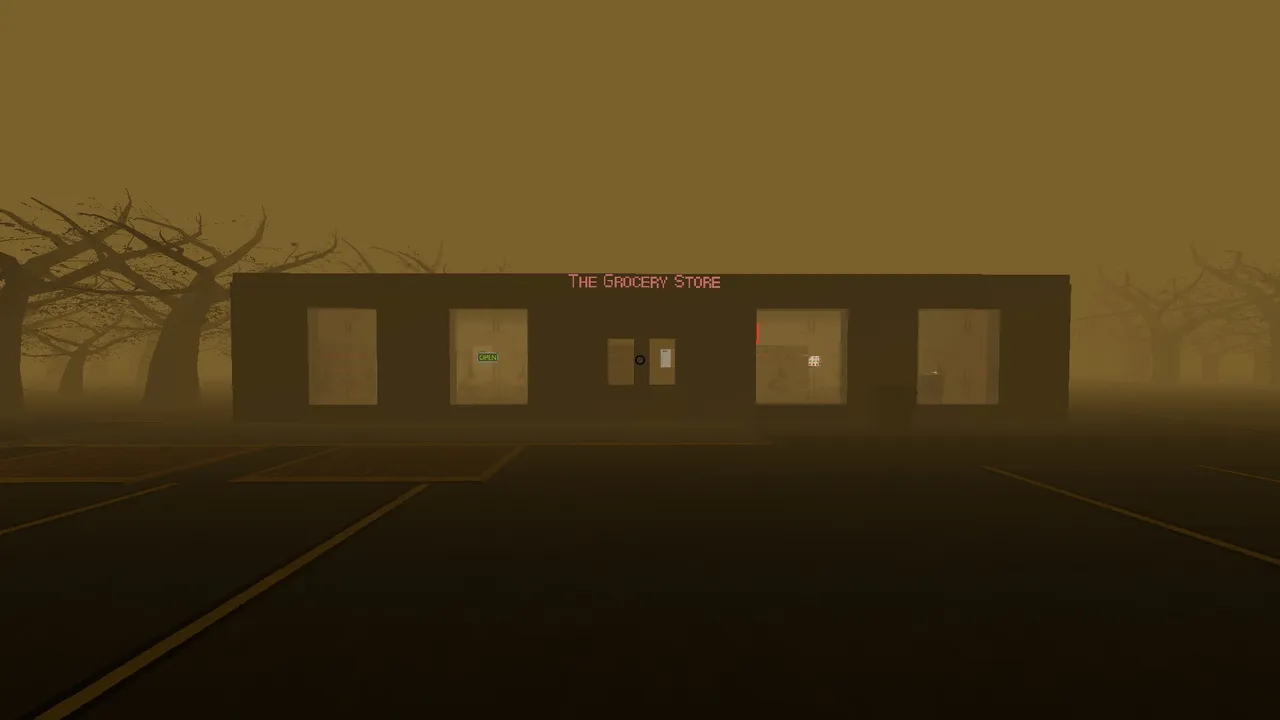
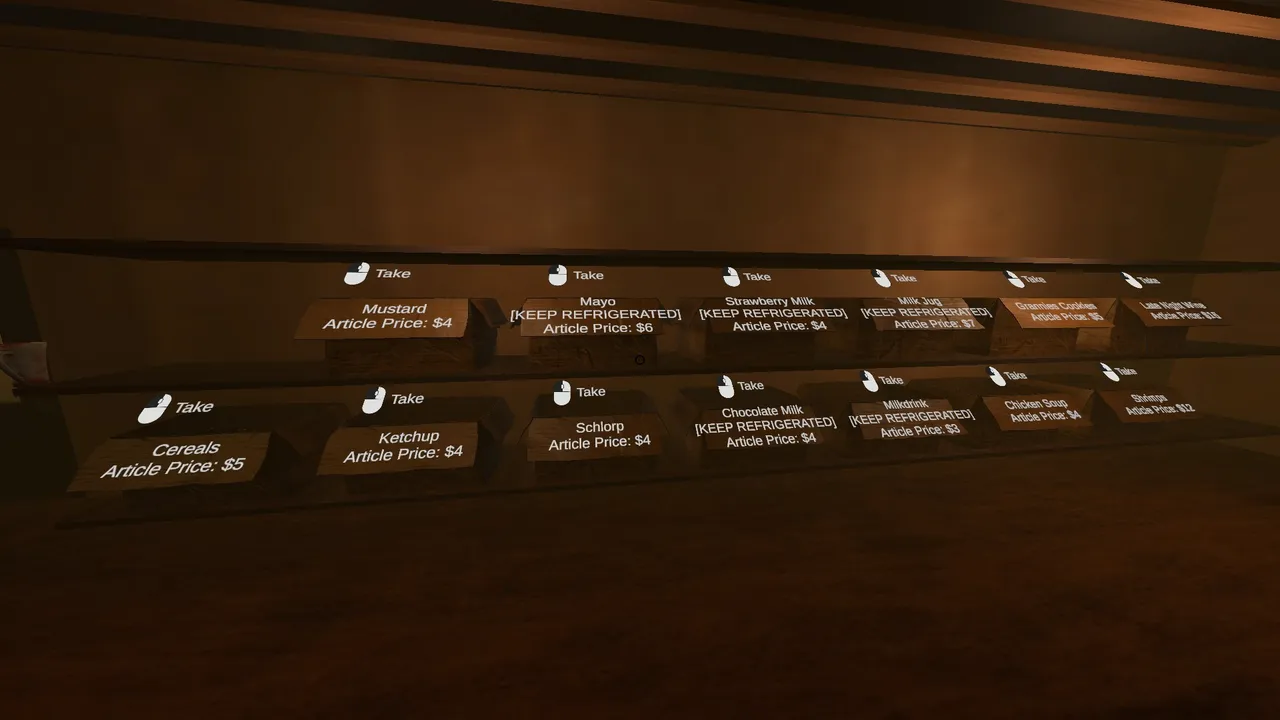
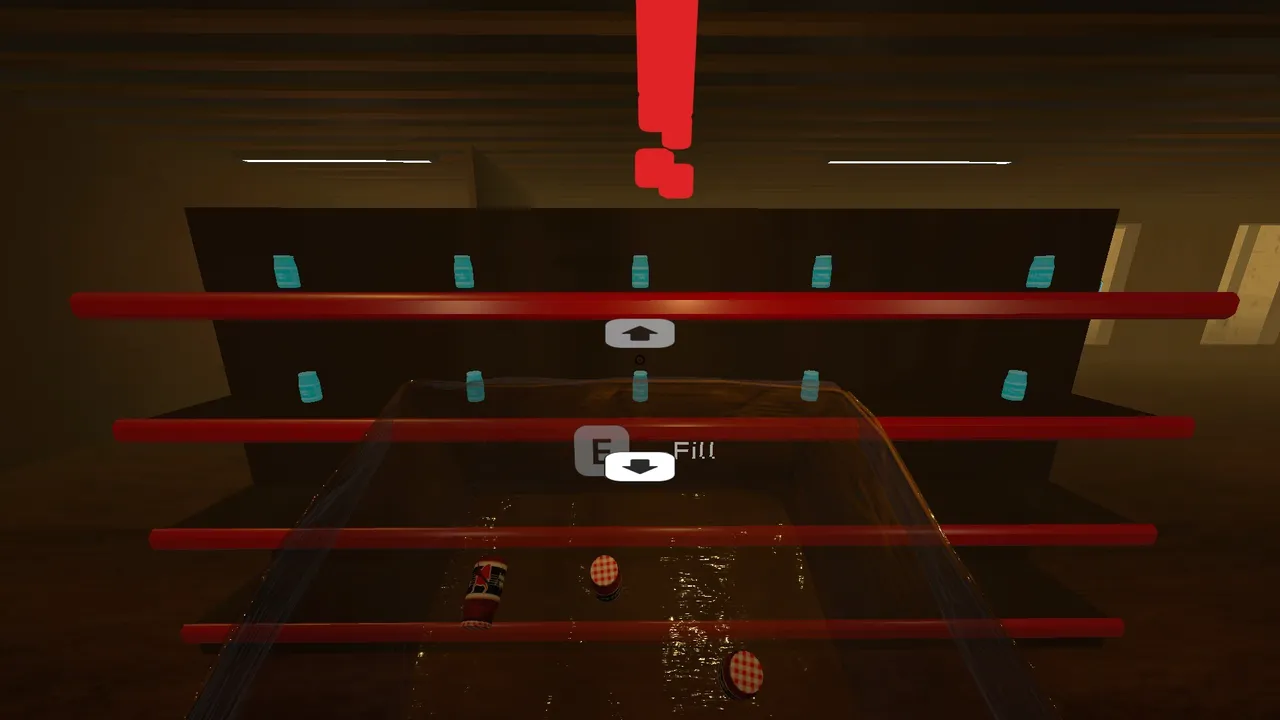
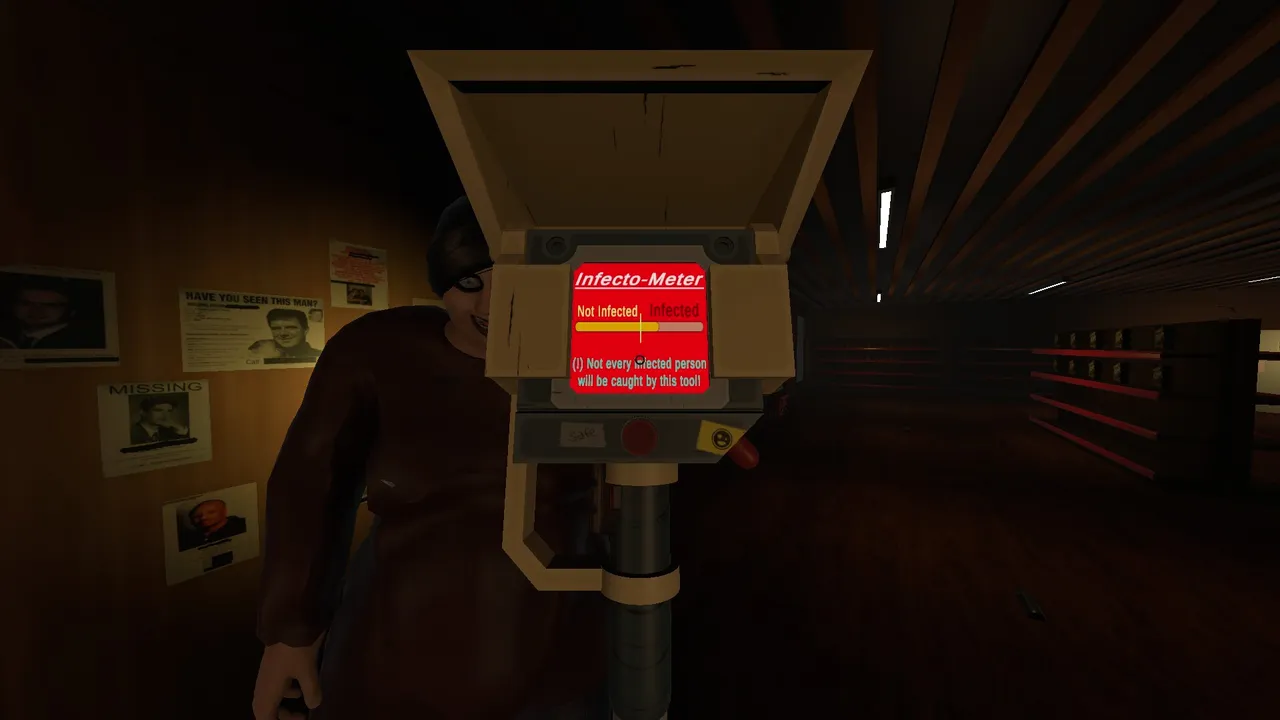
The supermarket scenario asks you to identify which customers are infected, a straightforward but brittle mechanic: spot the wrong person, lose the scenario. The food kiosk frames horror as service, cooking for customers whose behavior escalates as you prepare their orders. The bus station inverts the pattern, asking you to spot environmental anomalies rather than people, and loops back if you board the wrong vehicle. Each map is designed as a short session, likely fifteen to thirty minutes per scenario, so the release date structure suits episodic play—jump in, survive one scenario, quit.
Local co-op for two players on splitscreen is listed, which reframes some of the tension into collaboration or distraction, a rare feature in modern horror that could either deepen the social awkwardness or dilute the isolation. That choice will depend on how the game uses the second player; if they are truly useful rather than decorative, co-op becomes a balancing act between solving the puzzle together and covering more ground.
The Central Risk
The open question is whether anomaly spotting stays tense across three distinct scenarios. The first scenario may land the horror of pandemic paranoia; the second and third must find new angles or risk feeling like variations on the same mechanic. If the anomalies become predictable or the scenarios feel like reskinned puzzles rather than distinct situations, the tight runtime works against the game—there is no campaign momentum to carry you through a weak third act.
Buy this on release if you want short, contained horror experiences that trust atmosphere over action, and if you are drawn to the specific friction of customer service, cooking, or environmental observation under pressure. Skip it if you need story depth, progression systems, or sustained gameplay beyond a few hours total. This is a game built to be played once, perhaps twice with a friend.
Features
System requirements
Minimum
- OS
- Windows 10 / 11
- Processor
- Intel(R) Core(TM) i5-6400 CPU @ 2.70GHz 2.70 GHz
- Memory
- 4 GB RAM
- Graphics
- NVIDIA GeForce GTX 650
- Sound Card
- N/A
Recommended
- OS
- Windows 10
- Processor
- Intel(R) Core(TM) i5-6400 CPU @ 2.70GHz 2.70 GHz
- Memory
- 8 GB RAM
- Graphics
- NVIDIA GeForce GTX 1050 Ti (4 GB)
- Sound Card
- N/A

No comments yet. Be the first to share your thoughts.