
About Hold the Core
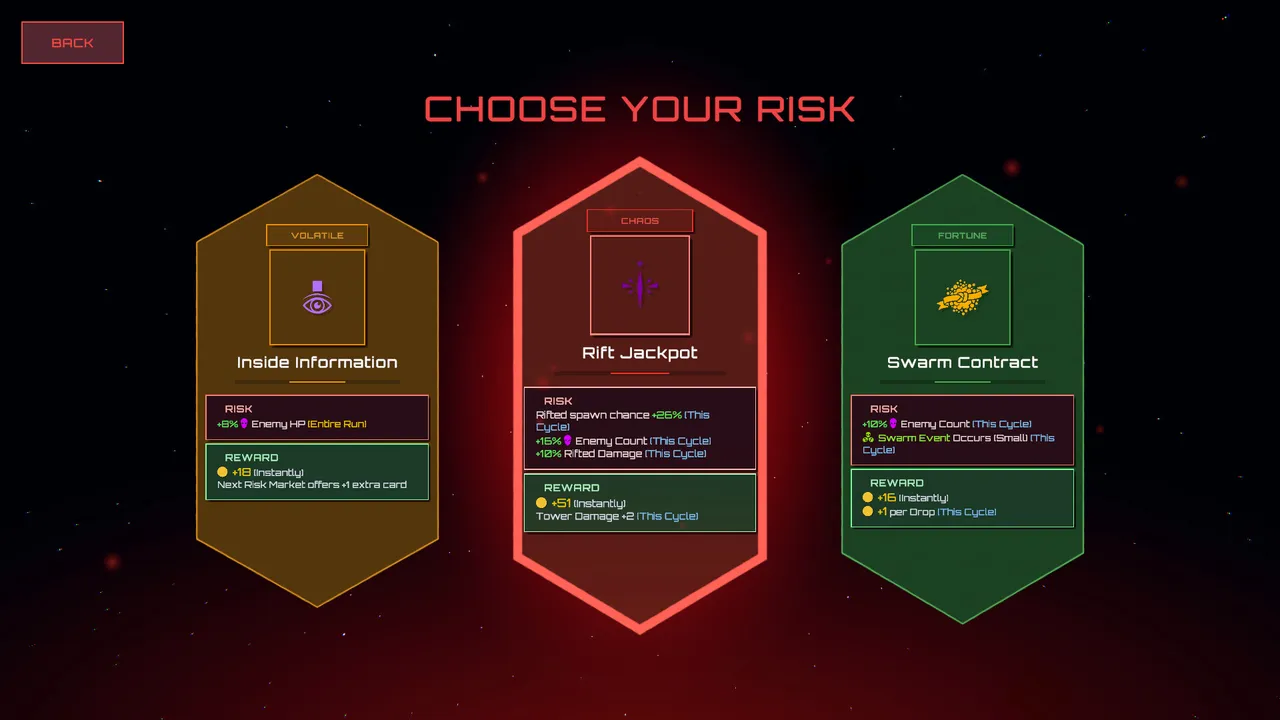
Hold the Core inverts the tower defense formula by making survival a choice you actively gamble away. The release date for Hold the Core is July 16, 2026, on PC. Rather than grinding toward perfect defense, you draft Risk Cards between waves to deliberately amplify enemy pressure in exchange for better loot and gold, forcing a constant negotiation between playing it safe and pushing toward a catastrophic collapse.
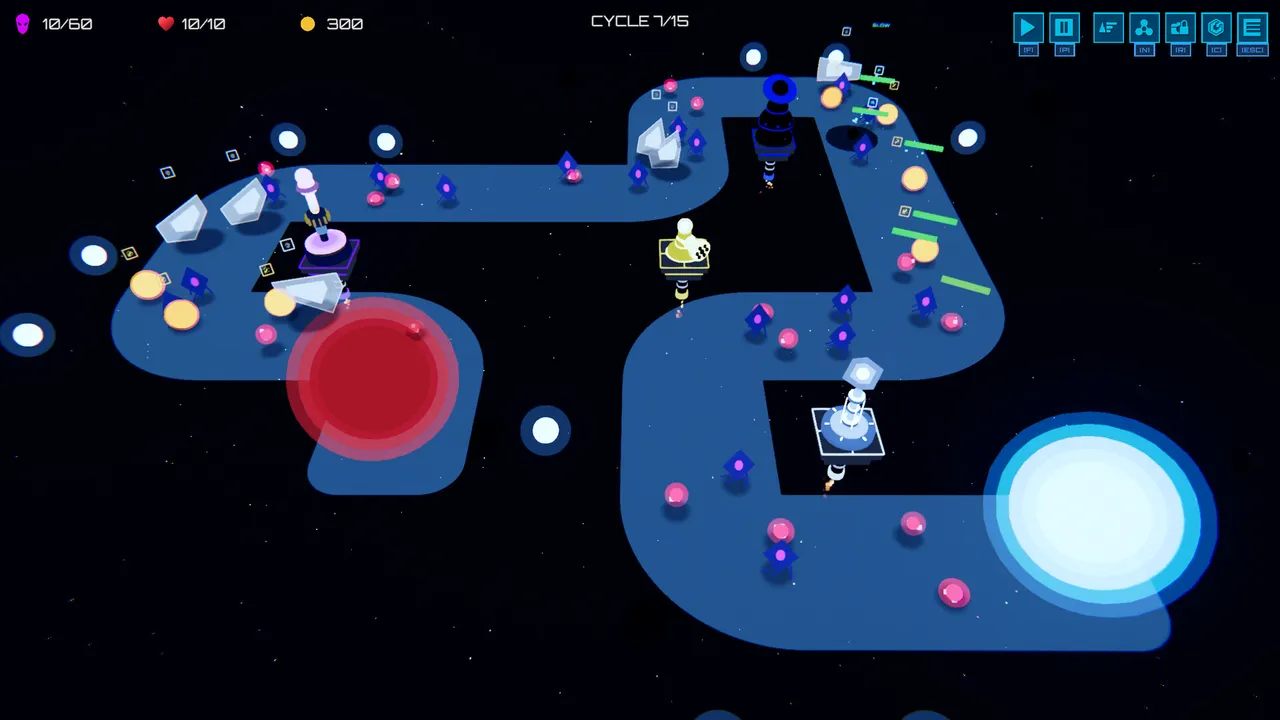
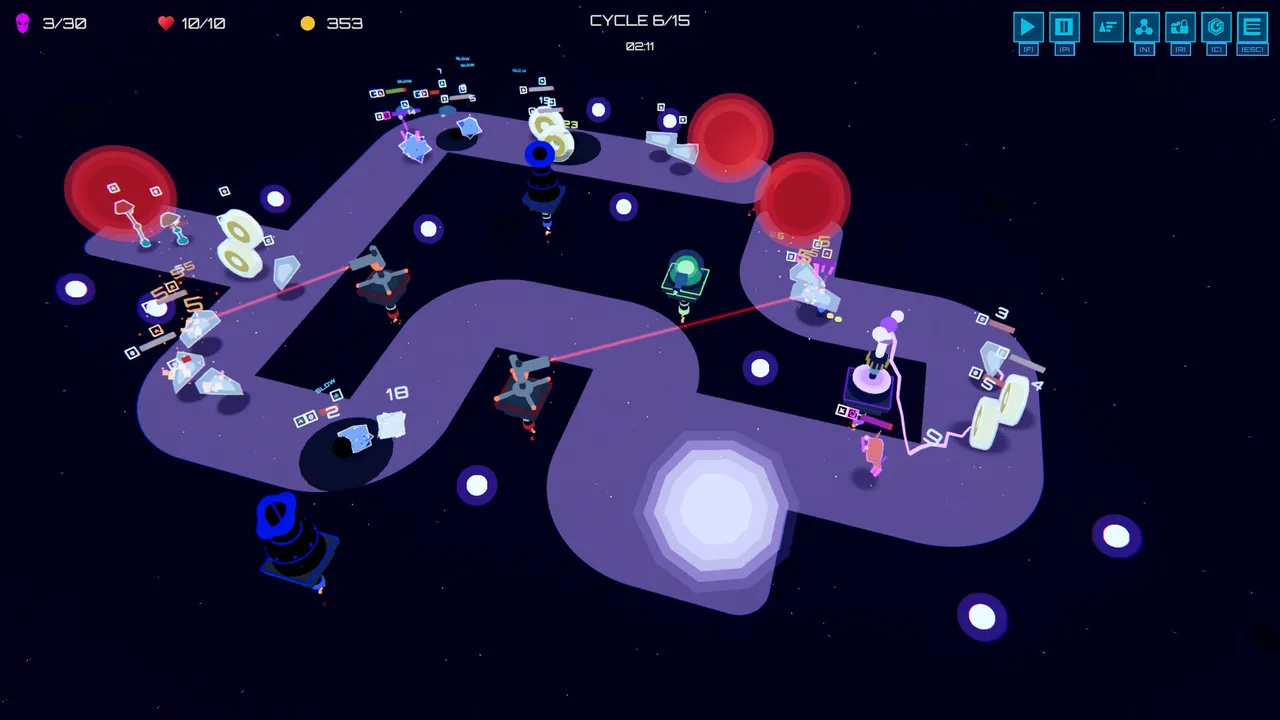
This core mechanic reshapes what tower defense means. Most games in the genre ask you to optimize a single stable setup and execute it flawlessly. Hold the Core makes instability the engine of progression. Every Risk Card you take is a calculated debt, a promise that your towers and positioning can handle the next tier of threat. The game's second pillar—enemy route manipulation—turns the map itself into a strategic layer. You are not passively watching enemies follow a fixed path; you actively reshape it by placing walls and choke points, building the geometry your defenses depend on. This means a weak tower setup can sometimes be salvaged by clever routing, and conversely, a careless detour can undo an otherwise solid defense.
How escalation and tower specialization drive runs
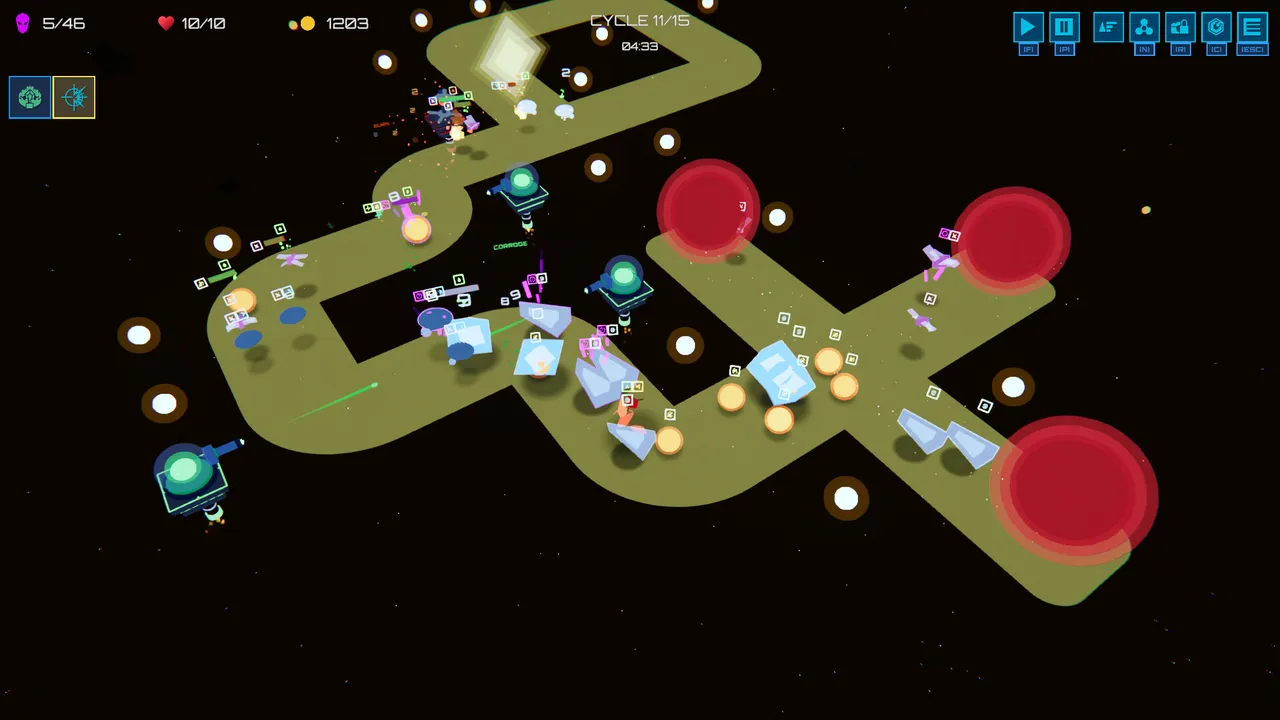
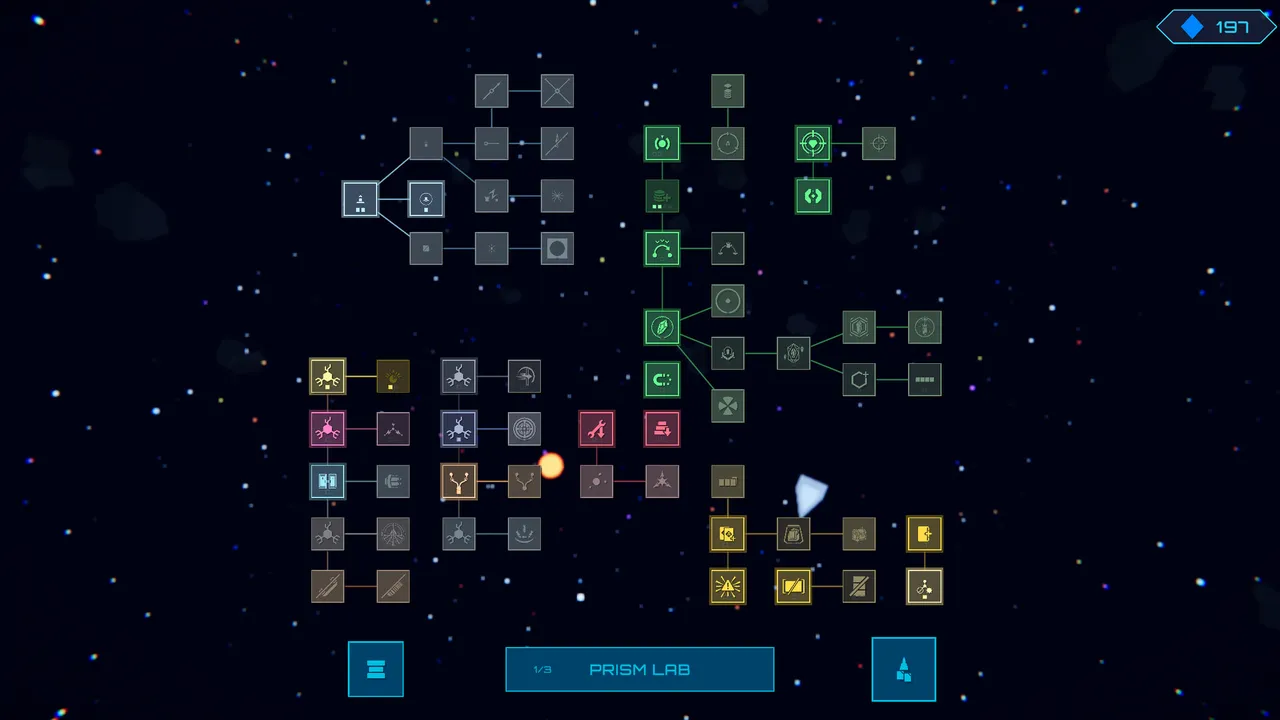
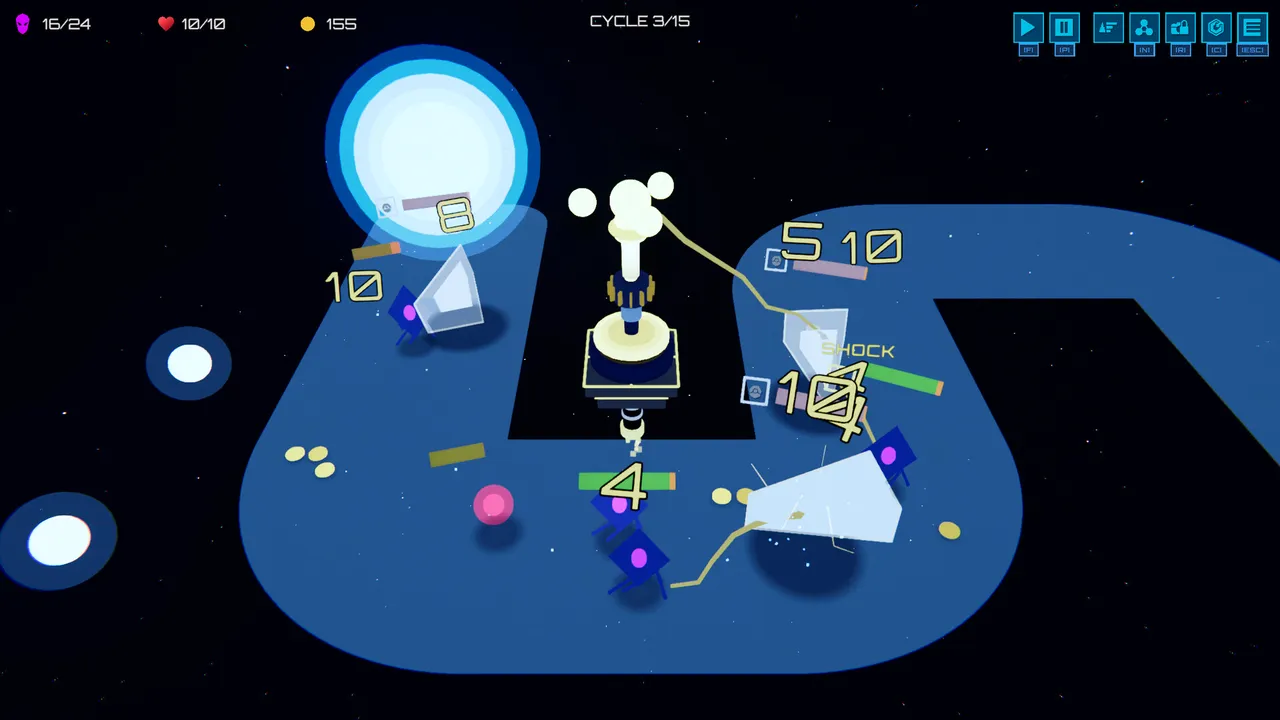
Each tower evolves into a specialized weapon type rather than a generic damage dealer, pushing you toward thematic builds instead of simply stacking the strongest unit. A control tower chains enemies in place, a burst tower deletes a single target, a ranged tower covers wide ground, and a sustain tower grinds foes down over time. The enemy roster mirrors this diversity: fast runners bypass choke points, shields soak burst, splitters multiply into swarms, support units buff allies, and Rifted variants twist the rules altogether. This mutual specialization means no single tower solves every problem, and runs naturally evolve based on which enemy types the bosses throw at you and which relics drop as rewards. Relics act as powerful one-off combat modifiers that can unlock entirely new build directions when they land at the right moment in a run.
The honest tension here is whether the risk-card scaling stays genuinely threatening across a full run, or whether the power curve—both from evolving towers and from accumulated relics—eventually trivializes the pressure. If Risk Cards become too easy to overcome once your defenses mature, the core loop loses its teeth. If they stay lethal but feel arbitrary, the game becomes frustrating instead of thrilling. The release date of July 16, 2026 will show whether Faven Games has balanced that edge.
Hold the Core is built for players who found traditional tower defense too predictable and who welcome the tension of deliberately choosing harder versions of what they just completed. Anyone after a relaxed, puzzle-like optimization session should look elsewhere. This is a game about acceptable failure and deliberate risk, not about mastering a perfect build and executing it without error.
Features
System requirements
Minimum
- OS
- Windows 10 (64-bit)
- Processor
- Intel Core i3-6100 / AMD Ryzen 3 1200
- Memory
- 4096 MB RAM
- Graphics
- Intel UHD 620 / Iris Xe or NVIDIA GT 1030 / GTX 750 Ti or AMD RX 460
- DirectX
- Version 11
- Storage
- 2048 MB available space
- Sound Card
- DirectX compatible sound card
Recommended
- OS
- Windows 10/11 (64-bit)
- Processor
- Intel Core i5-8400 / AMD Ryzen 5 2600 or better
- Memory
- 8192 MB RAM MB RAM
- Graphics
- NVIDIA GTX 1060 / AMD RX 580 / Intel Iris Xe Graphics
- DirectX
- Version 11
- Storage
- 2048 MB available space
- Sound Card
- DirectX compatible sound card





No comments yet. Be the first to share your thoughts.