

About Don't Play Their Game
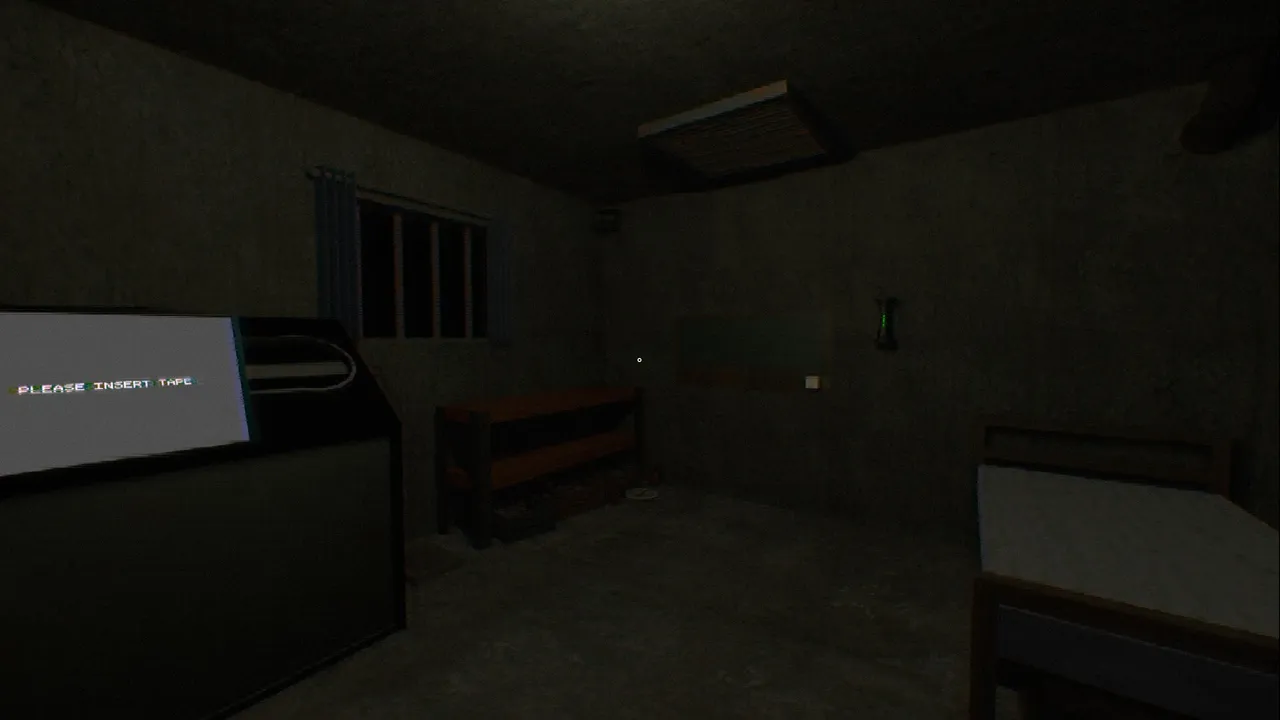
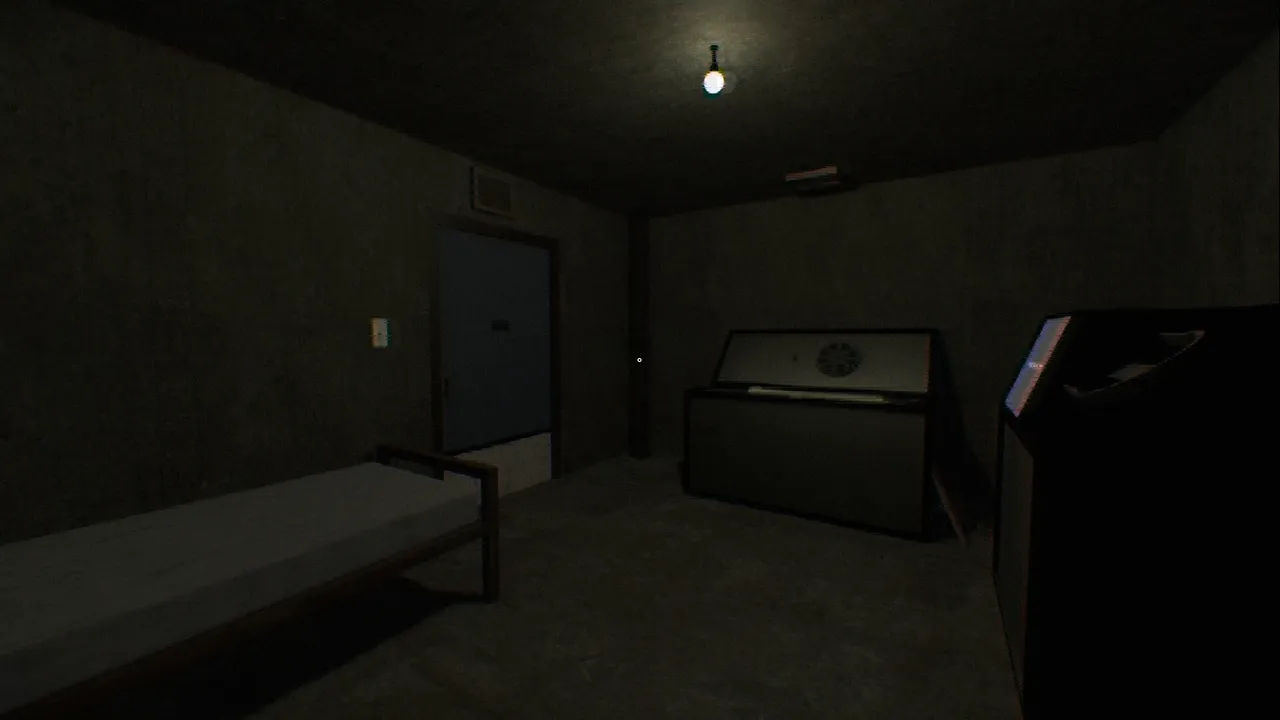
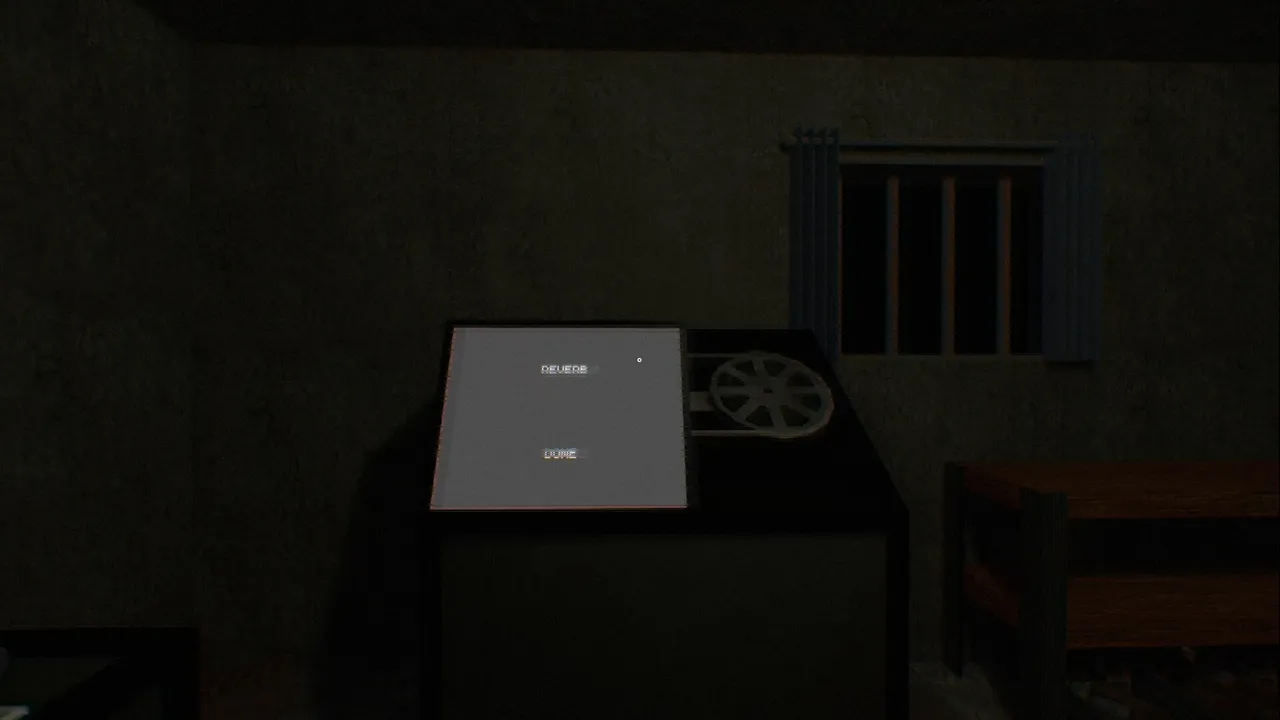
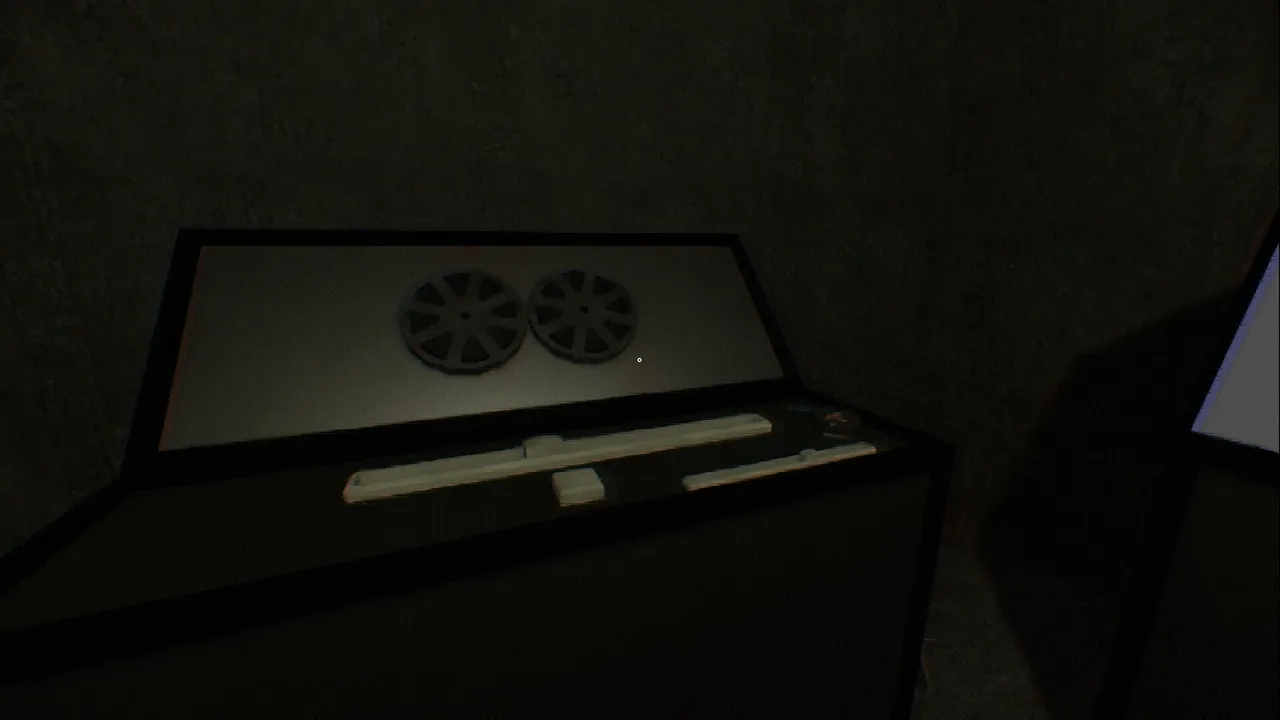
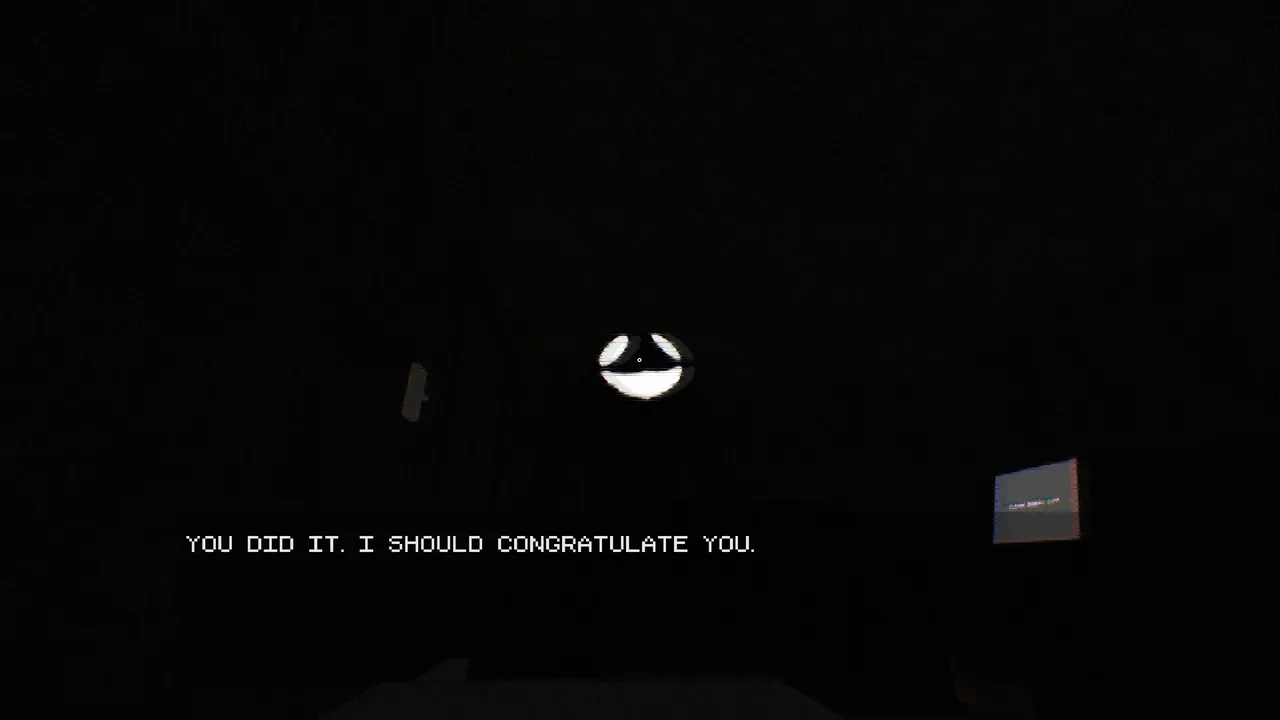
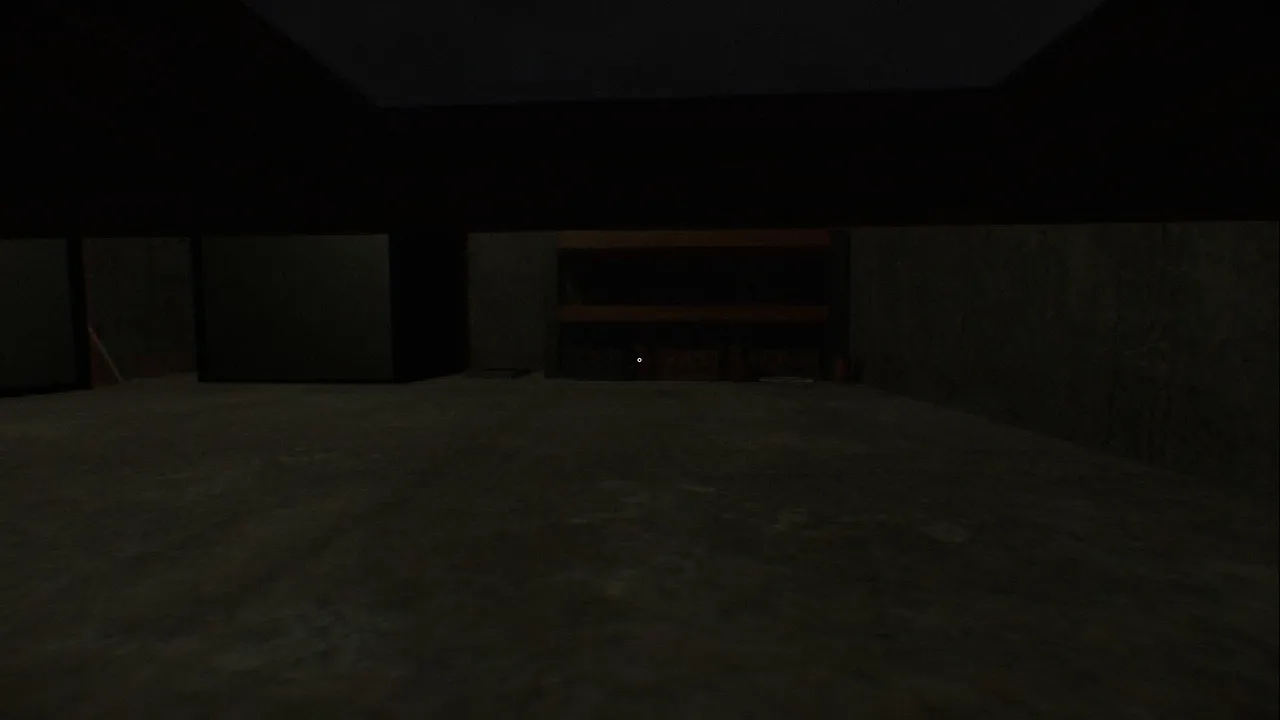
Don't Play Their Game strips away the typical survival-horror toolkit and replaces it with something narrower and more focused: your job is to listen, identify patterns in audio, and obey rules that creatures enforce through escalating pressure. The game's release date is July 20, 2026 on PC, and it asks you to do something most horror games avoid—stay still, stay quiet, and keep working while the threat builds in real time around you.
The core loop is deceptively simple at first. You analyze tapes, flag anomalies, and complete your shift. But each creature operates by its own laws. One demands you listen for specific knocks; another watches vents; another requires you to hide at precisely the right moment. The game introduces these rules one at a time across successive days, and crucially, it does not discard old rules when new ones arrive. By the final shift you are juggling multiple overlapping threat patterns, each with its own tell and its own punishment for failure. This is where the tension lives—not in jump scares or combat, but in the cognitive load of holding five or six competing systems in your head while your hands move across an audio interface and your eyes dart between monitoring tools.
Escalation Without Replacement
The design philosophy here is arithmetic rather than exponential. Most games that claim rising difficulty either ramp the numbers (more enemies, faster spawns) or replace old challenges with new ones. Don't Play Their Game does neither. It adds. By day five or six you are managing the knock pattern, the vent watch, the hiding mechanic, the audio analysis, and whatever new wrinkle the studio has devised, all at once. The difficulty is not that any single rule is hard; it is that you cannot stop thinking about any of them. Your attention is the scarcest resource.
After finishing the campaign, the game offers remixed modes that shuffle and recombine these mechanics, suggesting there is a genuine puzzle to mastering the ruleset rather than simply surviving it. Whether the studio can keep this tension taut for the full runtime without the escalation feeling arbitrary or the rules themselves becoming tedious is the open question. Audio-based horror is already a narrow category; layering five rule systems on top of it demands that each one feel distinct enough that you do not confuse them under stress, and that the game communicates failure clearly enough that you learn from it rather than feeling cheated.
Don't Play Their Game's release date lands it in a quiet part of the indie calendar, and it is built for a specific audience: players who thrive on systems-heavy puzzle pressure rather than combat or exploration, and who are comfortable with horror that works through unease and consequence rather than spectacle. If you burned out on Five Nights at Freddy's but liked the core idea of tracking multiple threats through audio and visual cues, or if you want a horror game that trusts you to figure out its rules through careful observation, this is worth adding to your wishlist now.
Features
System requirements
Minimum
- OS
- Windows 11
- Processor
- AMD Ryzen 5 3400G or higher/equivalent
- Memory
- 8 GB RAM
- Graphics
- Nvidia Geforce GTX 1050 ti or higher/equivalent
- Storage
- 300 MB available space




No comments yet. Be the first to share your thoughts.