

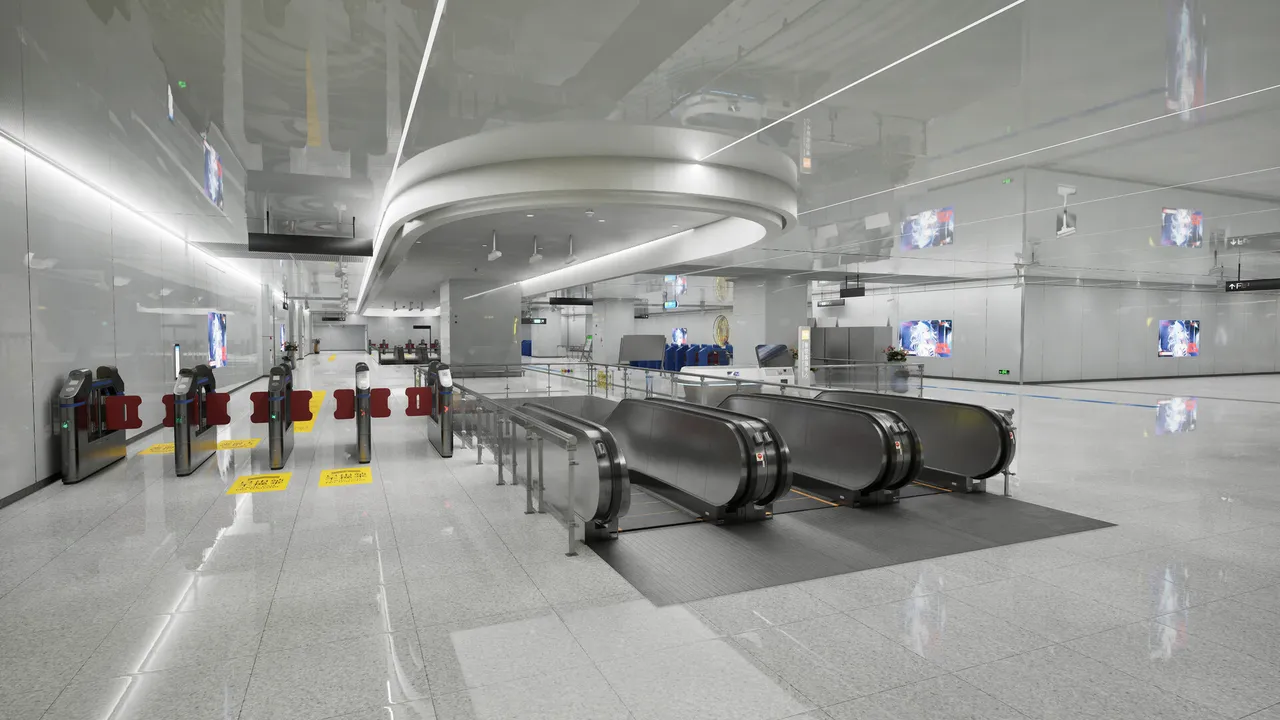

Bodycam Onrecord
About Bodycam Onrecord
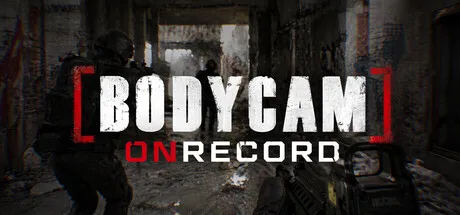
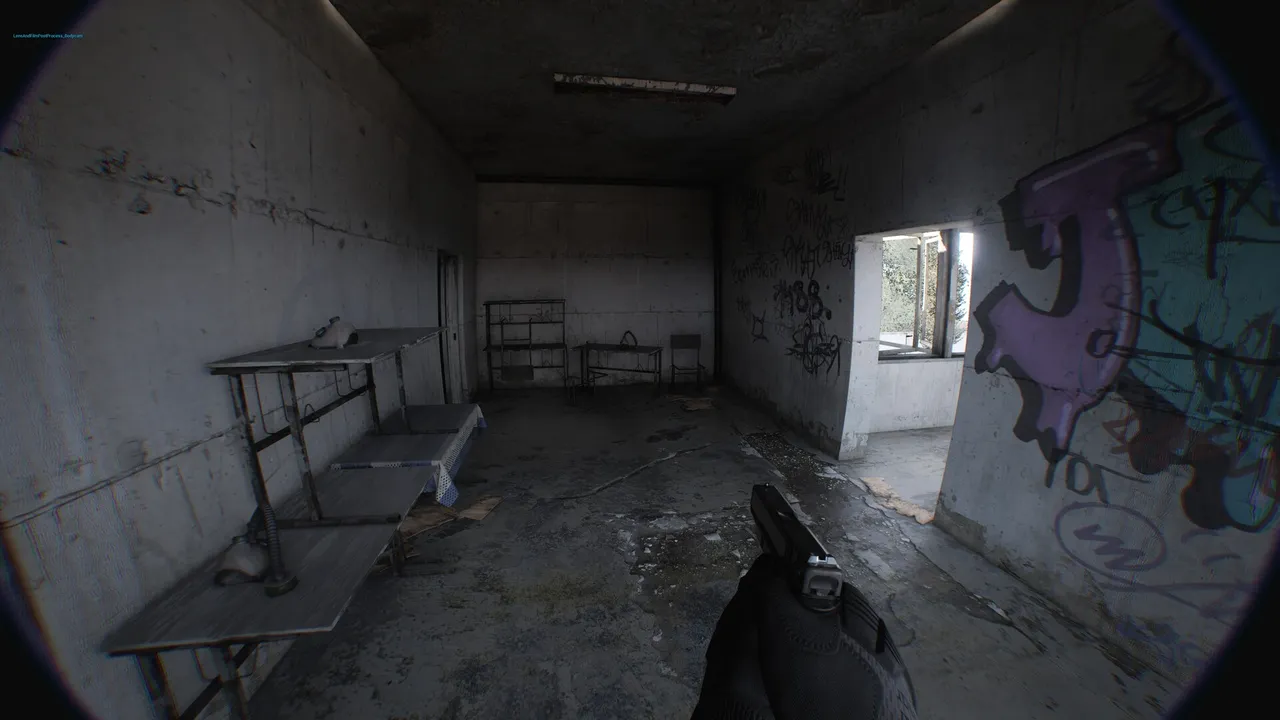
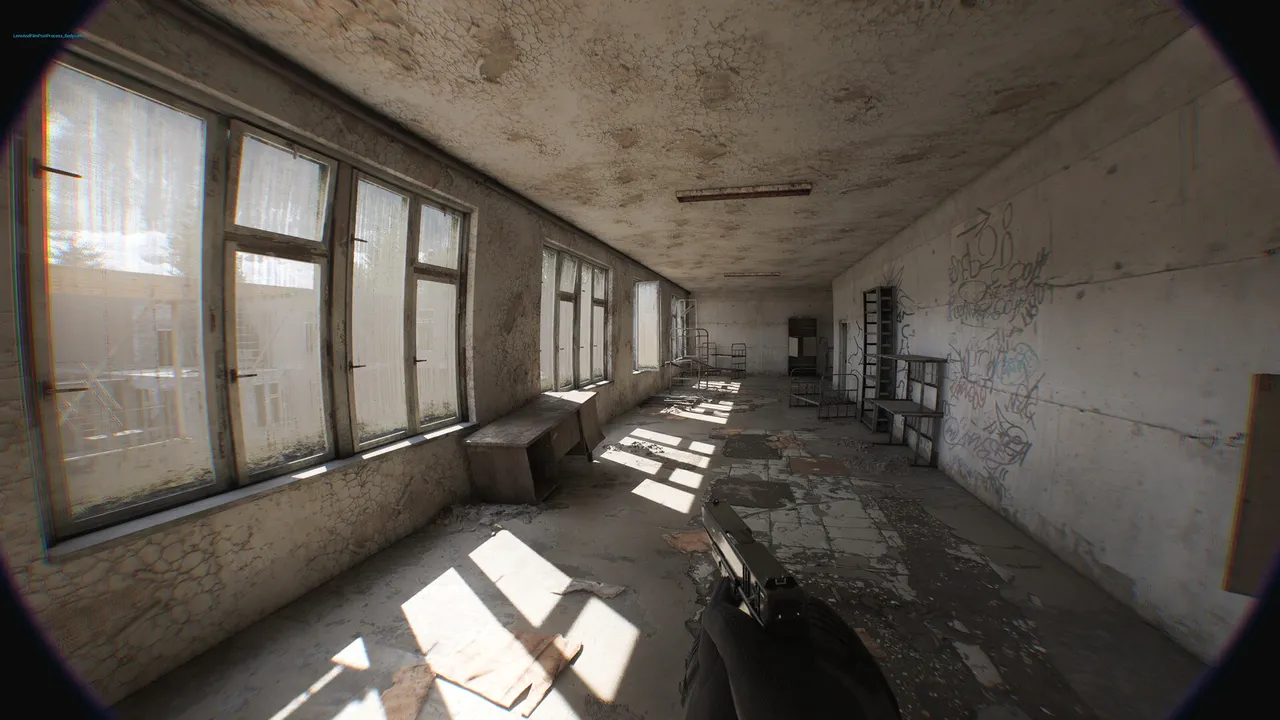
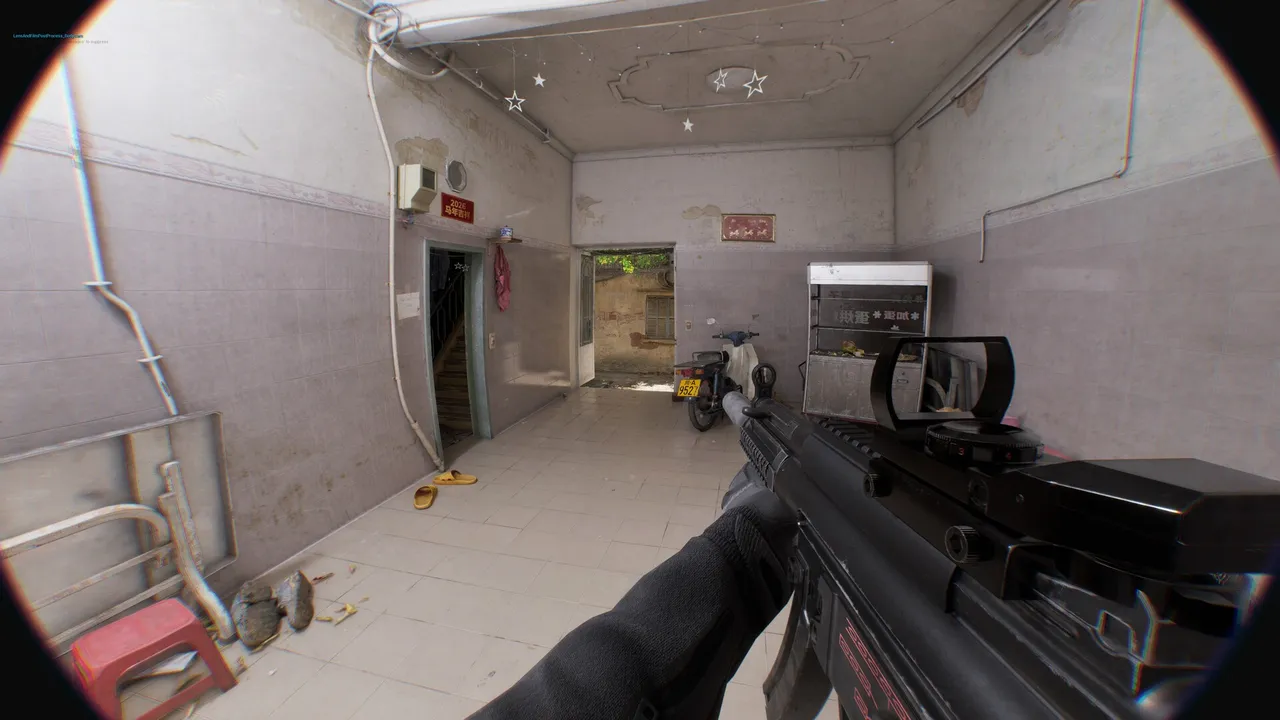
Bodycam Onrecord stakes its identity on a single perspective choice: you play an entire tactical shooter through a chest-mounted camera lens. The release date is July 17, 2026 on PC. This bodycam perspective is not window dressing, it reshapes how the game communicates threat, feedback and urgency. Every gunshot, reload and teammate movement is filtered through the frame of a physical device, and that constraint becomes the core appeal for players willing to trade traditional first-person flexibility for the locked, centered immersion of footage that looks like it could exist as evidence.
The central design tension is immediate: hyper-realistic bodycam footage tends toward sluggish, restrictive controls that exhaust players quickly, while responsive tactical shooters break immersion the moment you drift to the fringes of the screen or snap-turn with arcade smoothness. Bodycam Onrecord claims to solve this by leaning equally into both, optimising the control system to feel fluid and precise while keeping the visual language and audio design grounded in realism. Whether this balance actually holds depends entirely on execution. A bodycam locked to your chest means you cannot quickdraw or strafe without your whole body moving, and that alone is a game design choice with teeth. It forces different positioning, different approach angles, different timing than conventional shooters, or it forces frustration.
What the release date brings: modes and variety
Three distinct modes suggest the developers are hedging their bet on the bodycam perspective alone. Classic PVP competition, co-op missions and horror scenarios each ask different things of the camera lens. In PVP the bodycam becomes a shared perspective tool, every kill and death filtered through footage that could theoretically be replayed and analysed. Co-op presumably lets you coordinate with teammates while maintaining that immersive constraint. Horror mode, though, is the outlier: a bodycam in a horror scenario is a found-footage play, and if the studio leans into that, it could be the strongest mode of the three. A purely reactive first-person camera in darkness and ambush tends to amplify dread far faster than a traditional shooter's wider field of view.
The real test is whether the bodycam mechanic sustains engagement beyond novelty. Tactical shooters live on moment-to-moment decision-making and millisecond precision; a locked camera lens could either intensify those moments by narrowing your awareness to what matters most, or constrain them into tedium. The developer's claim to fluid, intuitive controls is not provably true yet, and that is the single genuine risk the game must answer before launch.
Bodycam Onrecord is for players drawn to immersion-first design and those curious whether a single bold restraint can reshape how a tactical shooter feels. Skip it if you need the full visual control and flexibility that define modern shooters, or if the bodycam perspective sounds more gimmick than gameplay to you.
Features
System requirements
Minimum
- OS
- windows10
- Processor
- Intel Core i5-4710
- Memory
- 8 GB RAM
- Graphics
- GTX 1060
- Storage
- 10 GB available space
Recommended
- OS
- windows10
- Processor
- Intel Core i7-7700
- Memory
- 16 GB RAM
- Graphics
- RTX 3060
- Network
- Broadband Internet connection
- Storage
- 10 GB available space





No comments yet. Be the first to share your thoughts.