
About The Impossible Waterboy
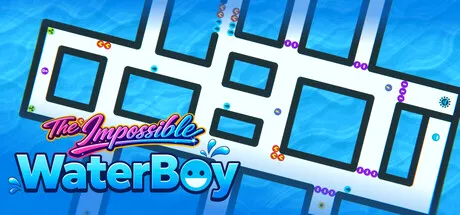
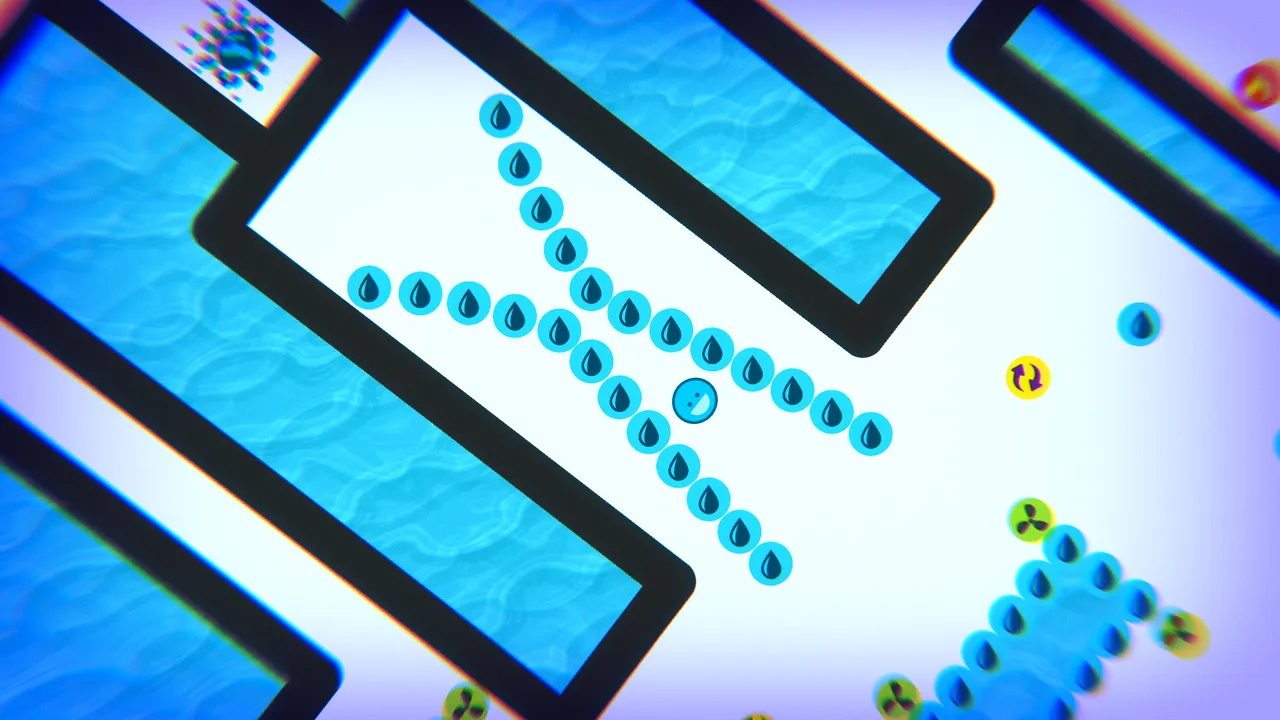
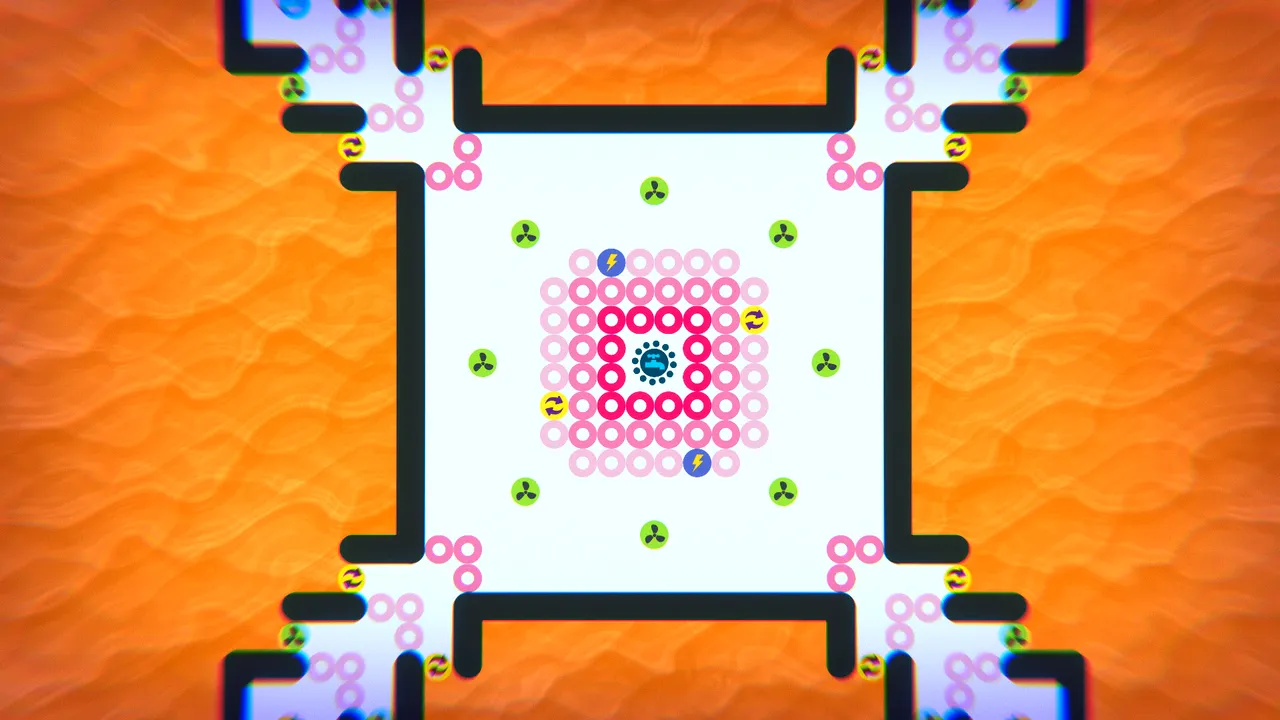
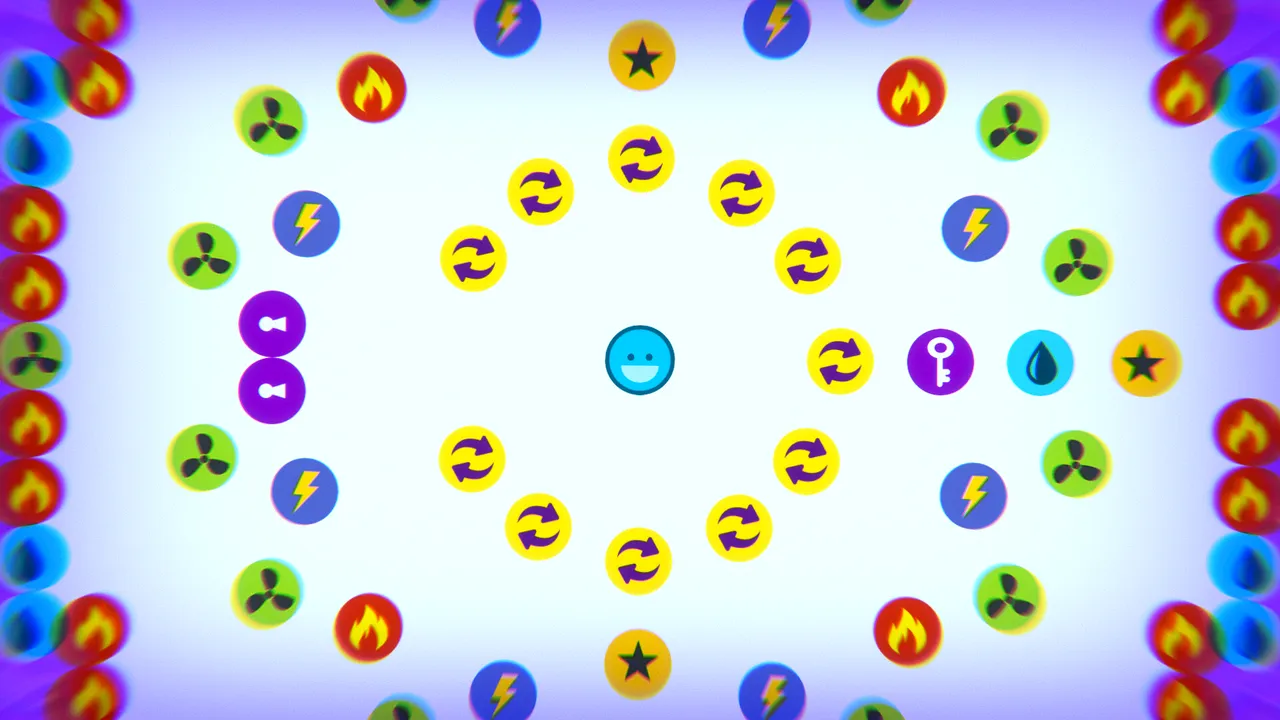
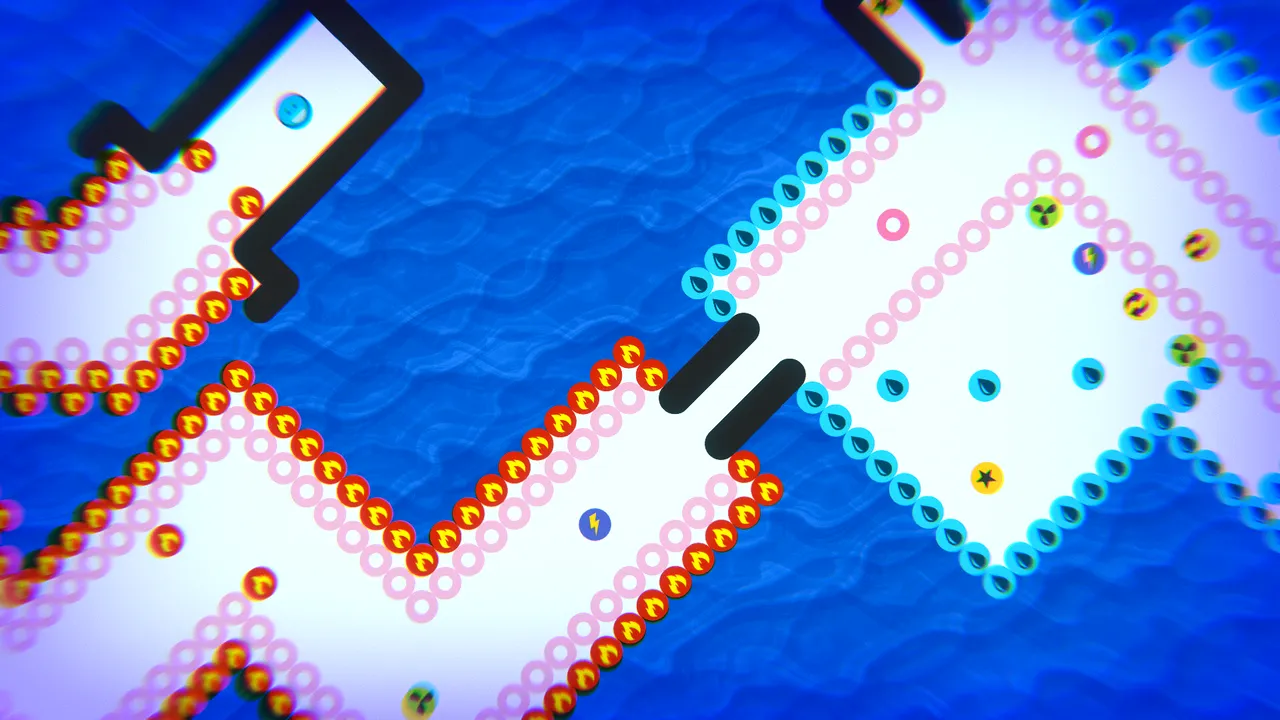
The Impossible Waterboy hinges on a single, elegant idea: the level itself rotates. Not the camera, not the perspective, but the physical stage, transforming floors into walls mid-jump, walls into ceilings, and safe routes into instant hazards. The release date for The Impossible Waterboy is July 16, 2026 on PC, and the game's entire identity rests on whether that one mechanic can sustain tension and discovery across 90 handcrafted levels.
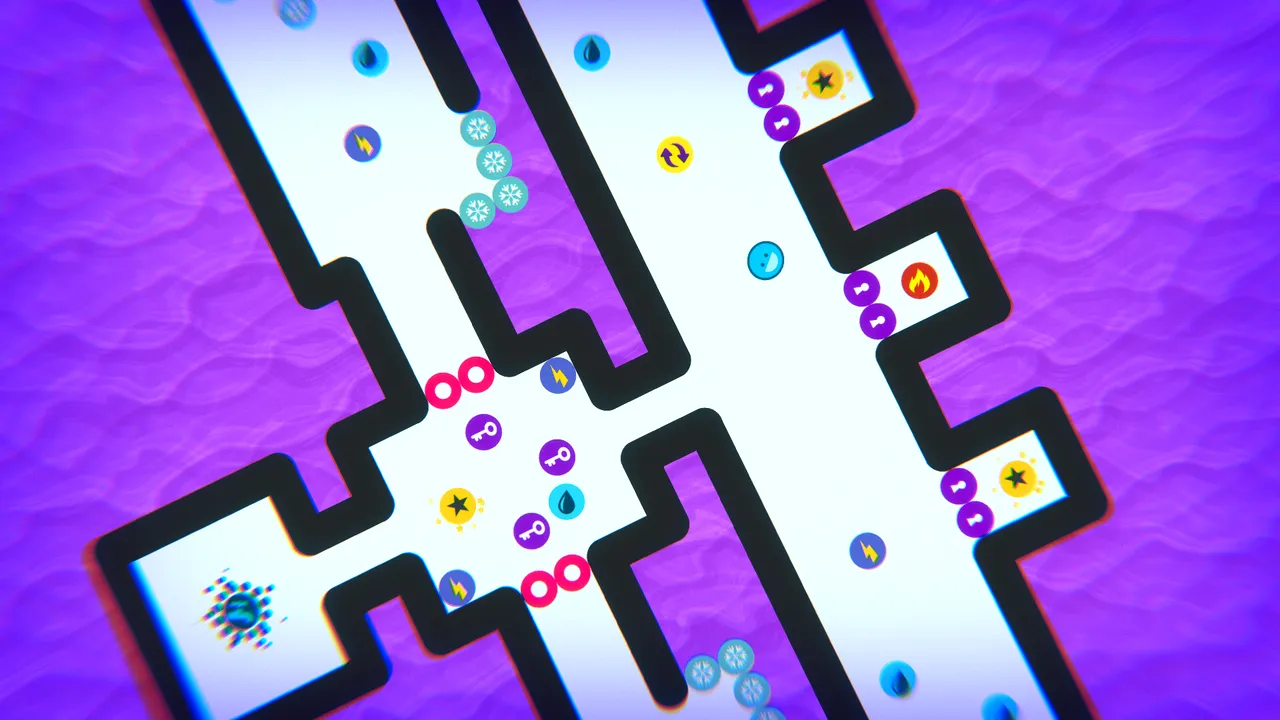
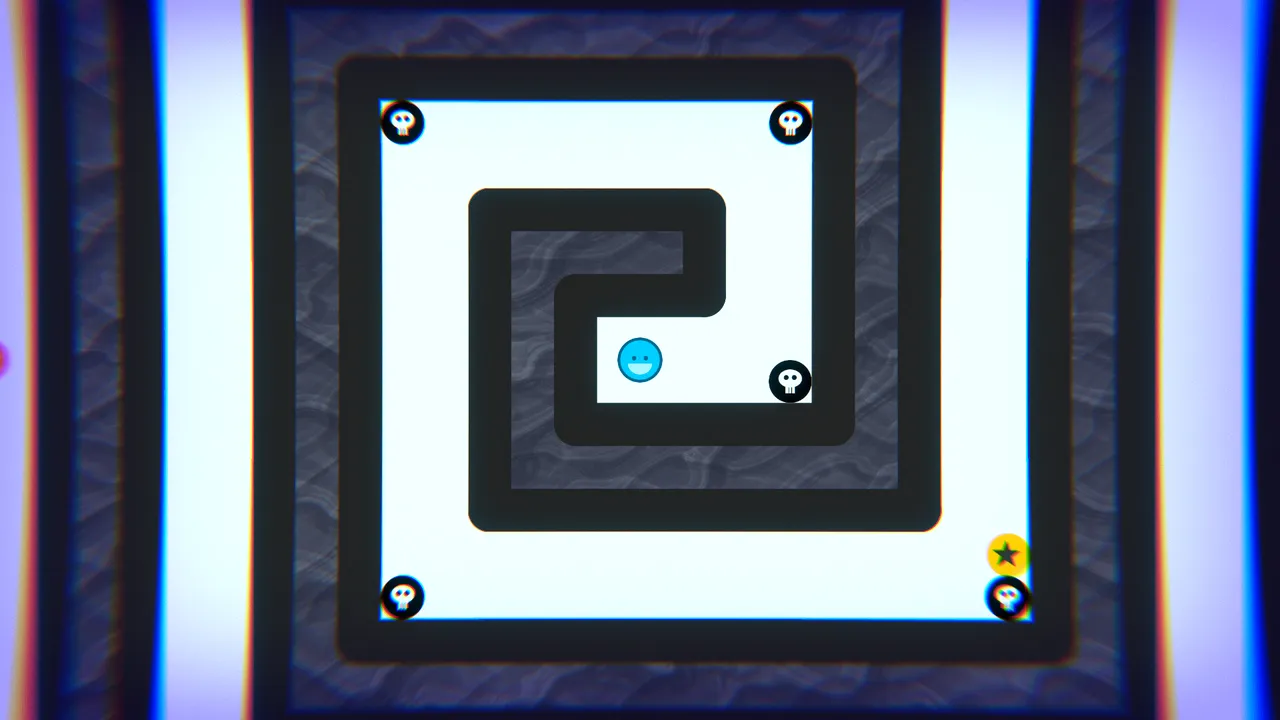
The core loop is deceptively simple. You move, you jump, you reach an exit. The complication is that the world rotates around you, and your success depends entirely on understanding how a 90-degree spin reshapes the geometry you just memorised. This is not a game about reflexes alone or puzzle-solving alone; it is about internalising how rotation warps spatial logic and timing your actions to exploit that warping. Early levels teach the mechanic in isolation. Later ones layer traps, narrow passages, and physics elements that interact unpredictably with rotation, forcing you to think ahead through multiple spins.
Precision, Patience, and the Cost of Mistakes
The design philosophy is explicit: every mistake teaches, every retry builds understanding, and every completed level feels earned rather than lucky. This is the language of a game built to respect player effort and punish carelessness equally. With more than 90 levels to work through, the question is not whether the studio understands difficulty design, but whether rotating levels can stay genuinely surprising after you have grasped the mechanic. Variety becomes essential—some levels demanding tactical thinking, others pure reflex, still others demanding you stay composed when the solution is visible but fragile.
The release date sits on a small indie studio making a mechanically narrow game with no announced difficulty settings, accessibility options or narrative scaffolding. That narrowness is a strength if execution is tight and level design is inventive enough to explore the space thoroughly. It is a weakness if the novelty of rotation wears faster than the design can refresh it. Zeeppo is betting that 90 well-made challenges around one core idea can hold a player longer than a sprawling game with ten half-explored systems.
If you thrive in games that demand precision, patience and mastery of a single system—if you loved games built around one mechanically pure hook refined across dozens of levels—this is worth wishlisting. If you need narrative hooks, accessibility support or the option to dial back difficulty when stuck, you should wait for reviews or footage to confirm whether the design sustains engagement. For everyone else, this is a skip.
Features
System requirements
Minimum
- OS
- Windows 10 64-bit
- Processor
- Dual Core 2.0 GHz
- Memory
- 4 GB RAM
- Graphics
- Intel HD Graphics 4000 or equivalent
- DirectX
- Version 11
- Storage
- 500 MB available space
- Sound Card
- Any
Recommended
- OS
- Windows 10/11 64-bit
- Processor
- Dual Core 2.5 GHz or better
- Memory
- 8 GB RAM
- Graphics
- Intel UHD Graphics or dedicated GPU
- DirectX
- Version 11
- Storage
- 500 MB available space
- Sound Card
- Any


No comments yet. Be the first to share your thoughts.