
Uptime: A Cloud Provider Sim
About Uptime: A Cloud Provider Sim
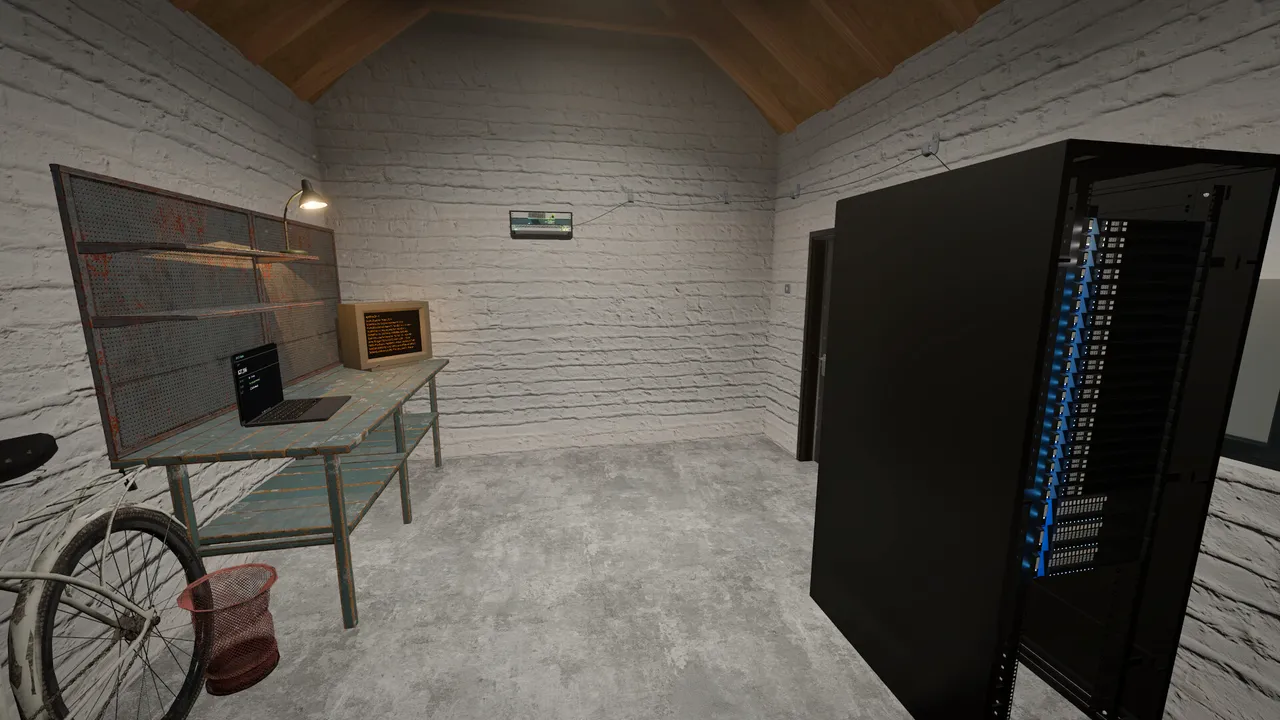
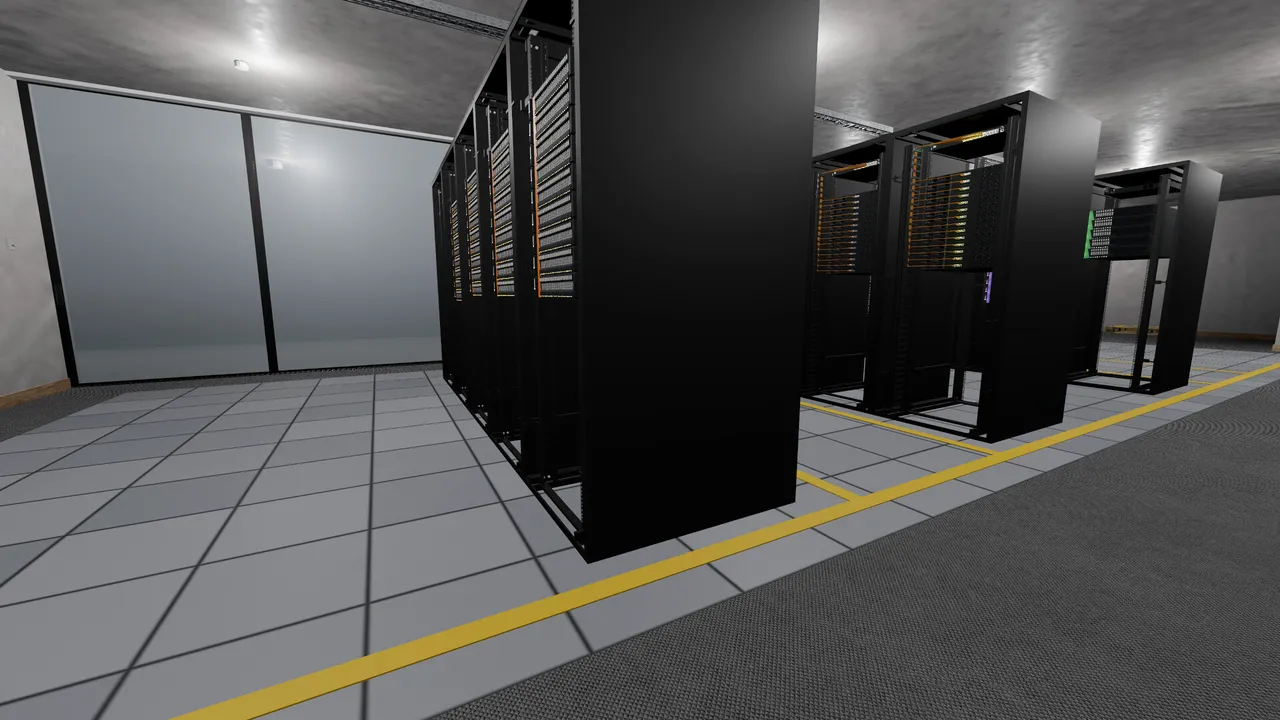
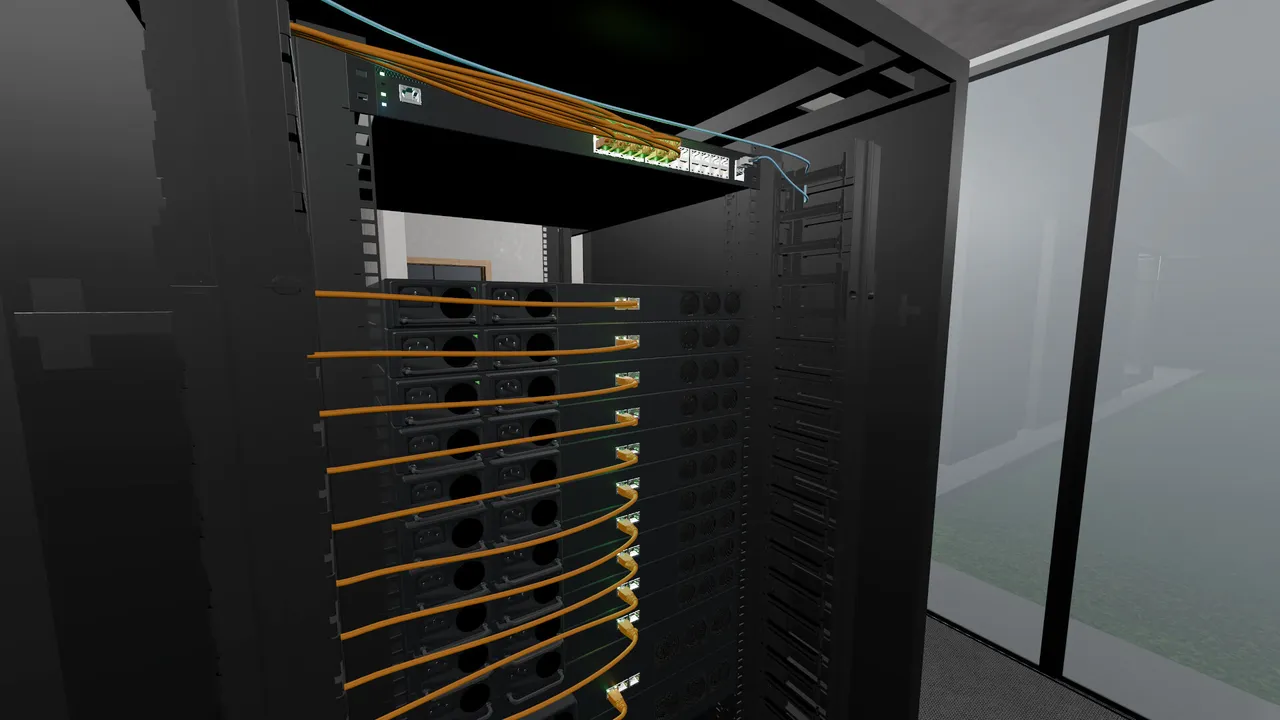
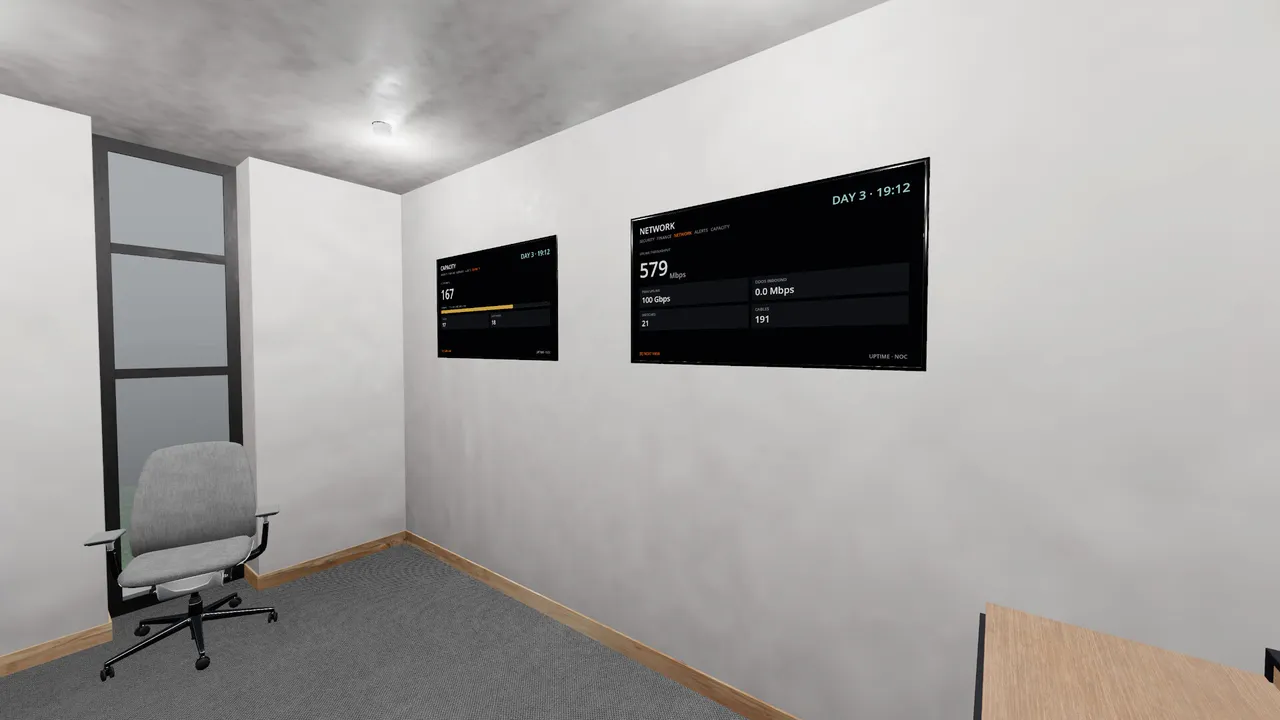
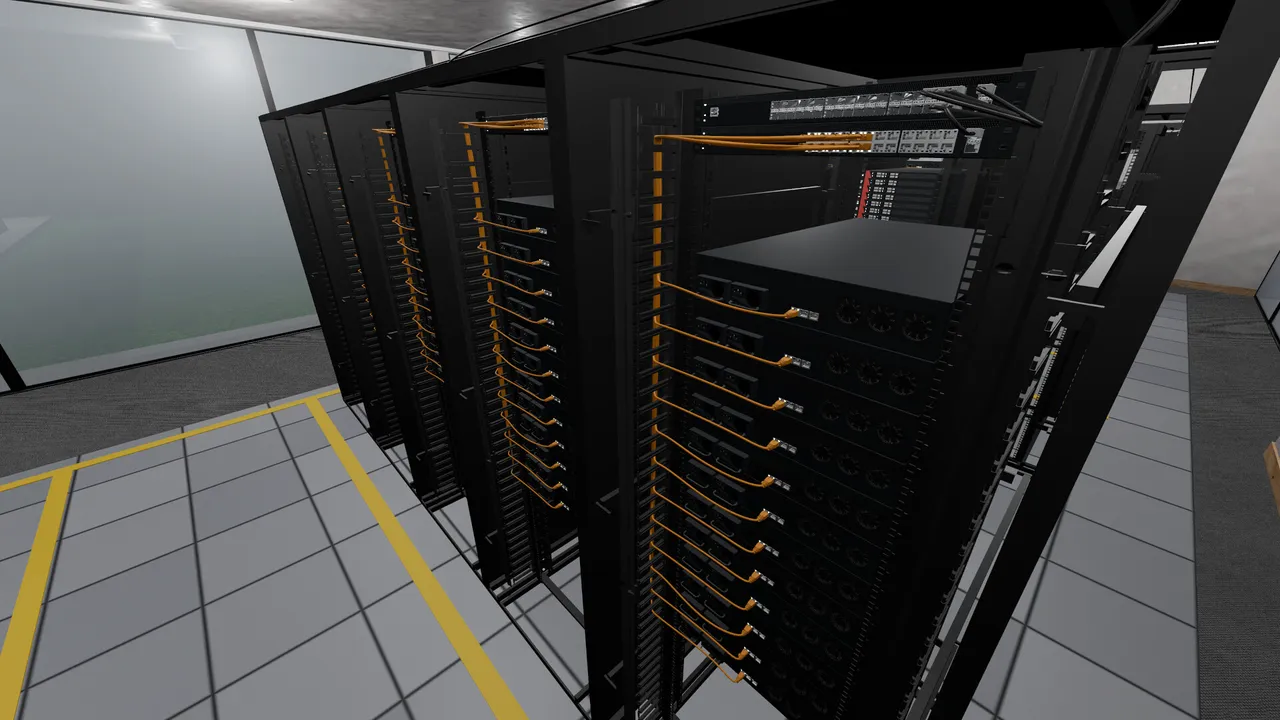
Uptime: A Cloud Provider Sim launches July 17, 2026 on PC as a first-person infrastructure simulation that treats the systems of a real data center not as decoration but as the engine of the game itself. Rather than managing servers through menus and spreadsheets, you physically build your cloud provider—carrying hardware to racks, running cables by hand, configuring networks and power budgets—while underneath, a deterministic simulation runs the actual workings of switches, routing protocols, thermal management and fault domains.
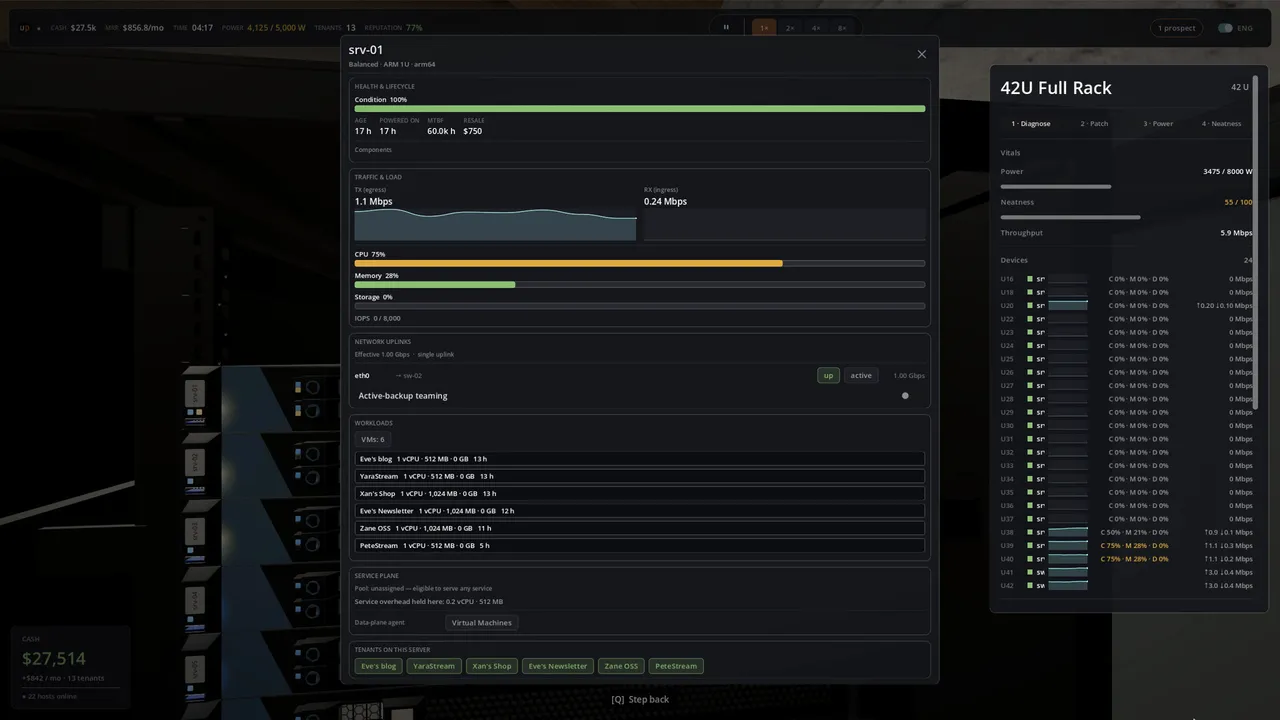
The core design gamble is that hands-on, embodied infrastructure work can be engaging and that players will care about systems like BGP and RSTP not because the game explains their narrative significance but because they actually determine whether your network stays online. You buy servers, install them, power them, bring services online, acquire customers, and then keep those customers' traffic flowing through a network you built and own entirely. The simulation does not fake it: capacity fills real hardware, power is a finite resource, cooling matters, and when something fails it fails because the model determined it should, leaving you to diagnose and fix it the way an engineer actually would.
Hands-On Building and Real Network Simulation
Walking through your own data center in first-person and pulling cables off spools is the hook that separates Uptime from the spreadsheet tycoons that dominate the sim genre. But the release date and platforms matter less than what happens when you plug everything in: the game then hands control over to a model that respects the intelligence of players who actually work in cloud infrastructure while remaining intelligible to newcomers. Every cable run, every port connection, every power draw, every routing decision has a consequence that propagates through the simulation. Broken hardware does not vanish into a repair timer; it sits there inert until you diagnose why, swap it, or reroute around it. The network actually switches traffic according to the rules you configure, meaning a misconfigured BGP announcement does not trigger a cutscene but rather quietly reroutes your customers' packets away from your infrastructure and into the void.
The risk the game is taking is whether that authenticity holds engagement over ninety-plus minutes of play. A simulation dense enough to satisfy engineers may overwhelm casual players; a game simplified enough to feel accessible to newcomers may insult the experts it is courting. RubyRack Games appears to be betting that readability for beginners and honesty for seasoned infrastructure workers are not opposing forces but the same discipline: clarity of cause and effect, no hidden mechanics, systems that behave the way they actually do.
Release Date and Audience Fit
The release date for Uptime is July 17, 2026 on PC. This is a game for players who have either built networks or harbored deep curiosity about how cloud providers actually work—people who have wondered what it feels like to be responsible for the metal, the protocols and the customers all at once. It will also pull anyone captivated by simulation depth itself, the category of player who loves Factorio or Transport Tycoon because they reward systems thinking and punish carelessness. Skip it if you want narrative or spectacle; this is infrastructure as the story itself, and the drama lives in whether your network stays up when you have optimized everything wrong.
Features
System requirements
Minimum
- OS
- Windows 10 64-bit (1909+)
- Processor
- Quad-core — Core i5-8400 / Ryzen 3 3100
- Memory
- 8 GB RAM
- Graphics
- 4 GB VRAM, Direct3D 12 / Vulkan 1.2 - NVIDIA GTX 1650 / AMD RX 570 / Intel Arc A380
- DirectX
- Version 12
- Storage
- 3 GB available space
- Additional Notes
- Requires a GPU with Direct3D 12 or Vulkan 1.2 support
Recommended
- OS
- Windows 11 64-bit
- Processor
- 6-core Intel Core i5 (10th gen+) or AMD Ryzen 5
- Memory
- 16 GB RAM
- Graphics
- 6-8 GB VRAM - NVIDIA RTX 2060 / RTX 3060 / AMD RX 6600
- DirectX
- Version 12
- Storage
- 5 GB available space
- Additional Notes
- Vulkan-capable GPU required. SSD recommended.






No comments yet. Be the first to share your thoughts.