
About Ritter & Rotwein
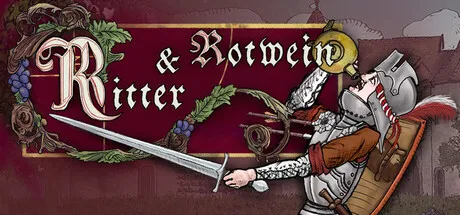
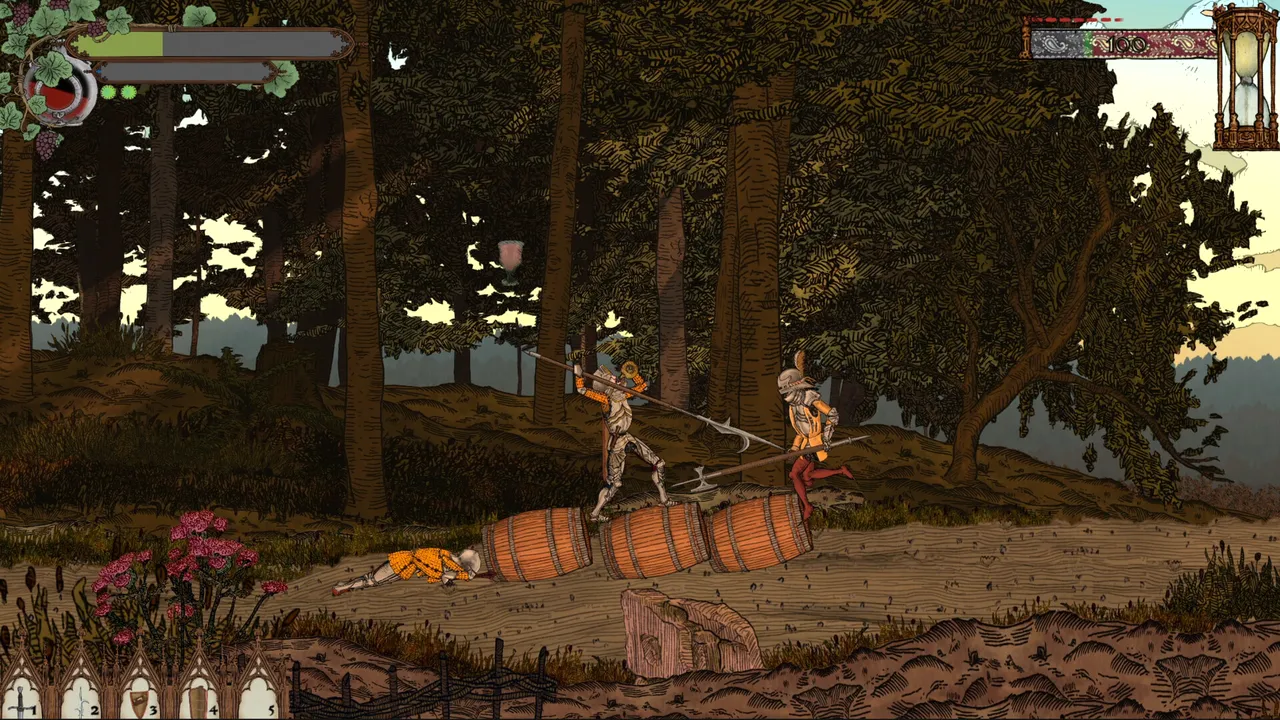
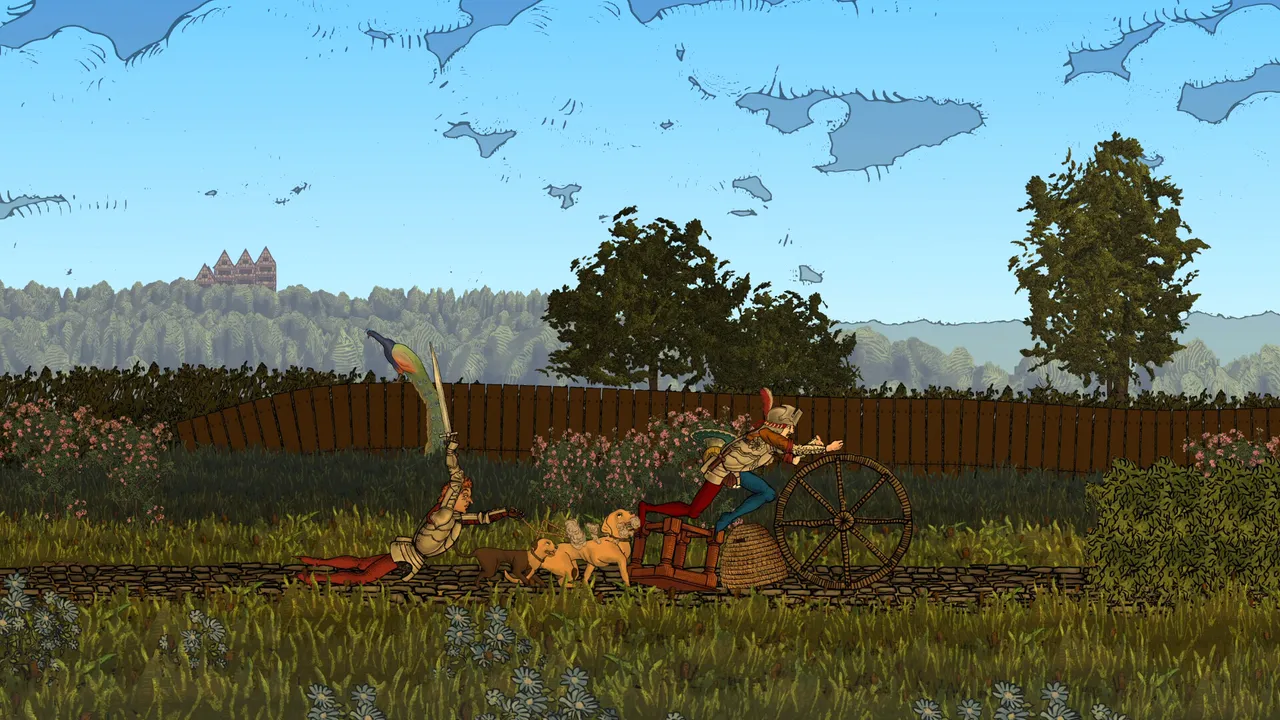
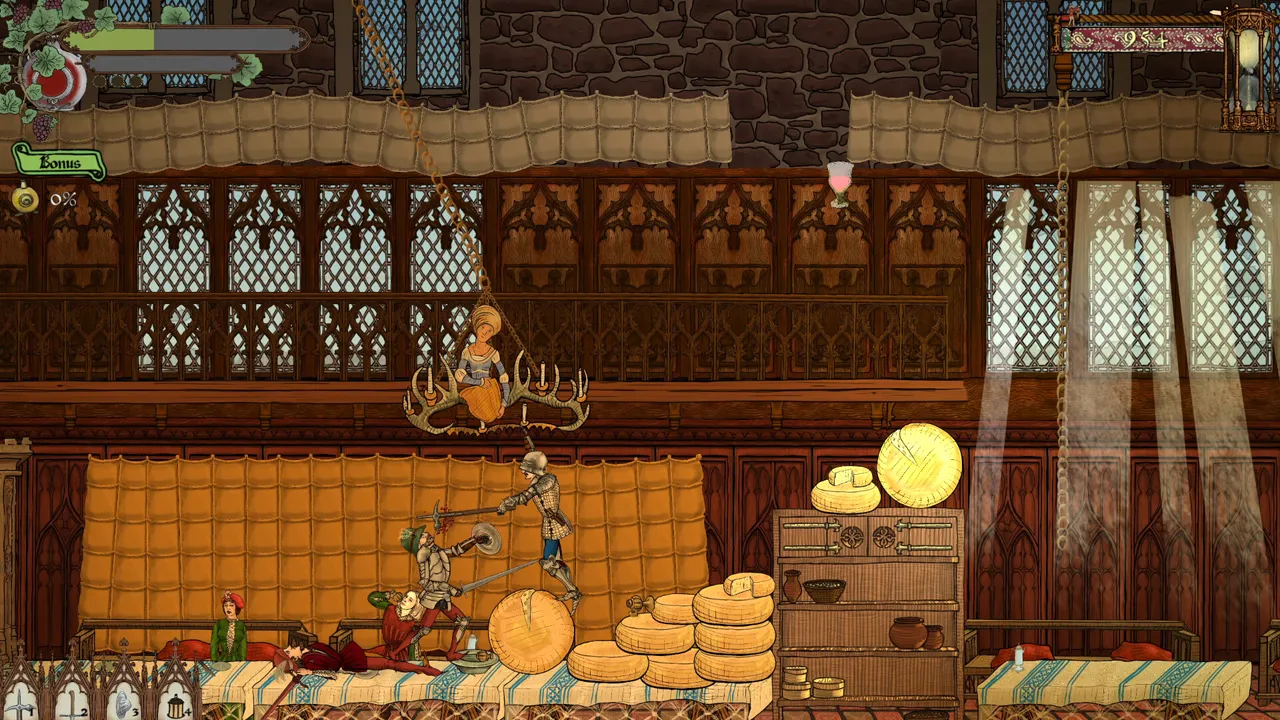
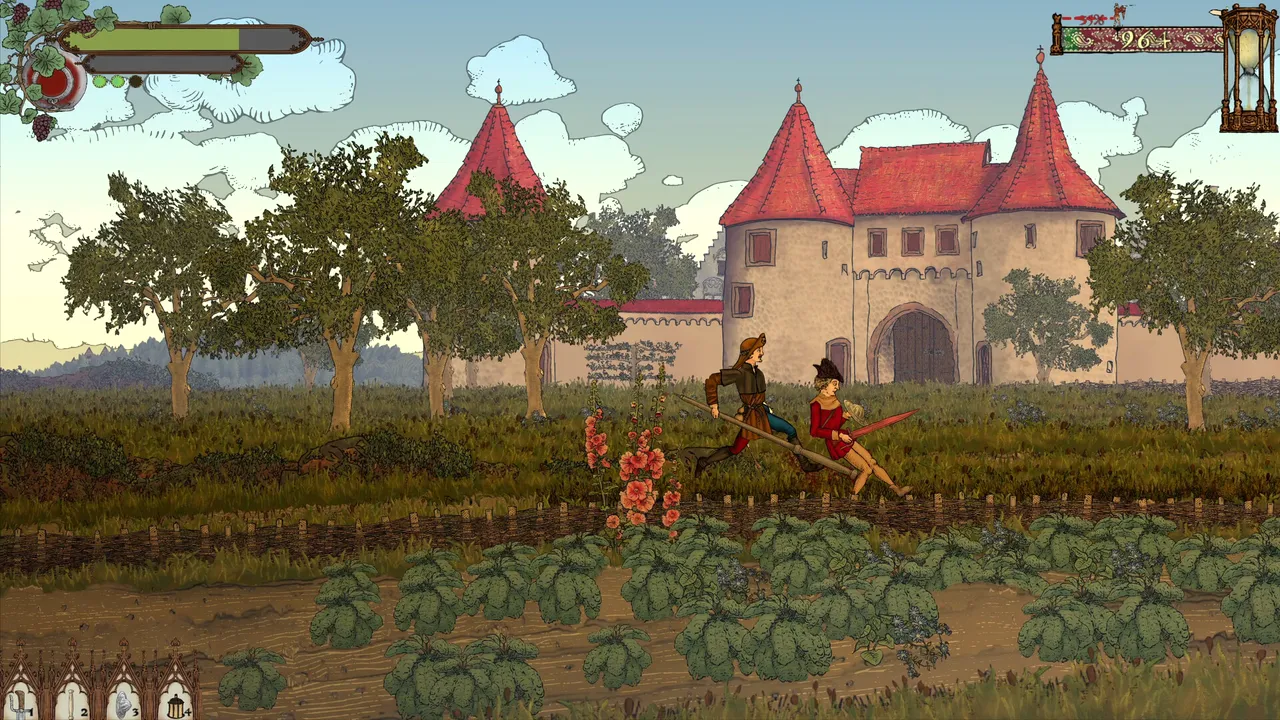
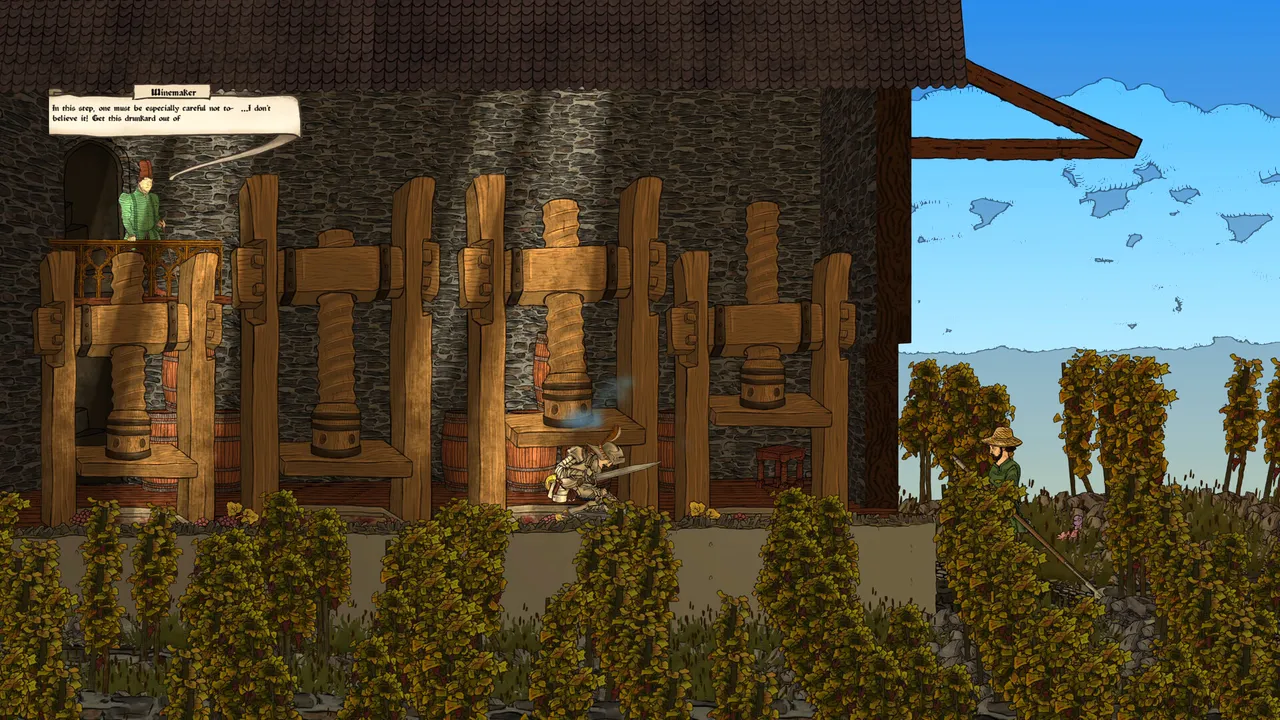
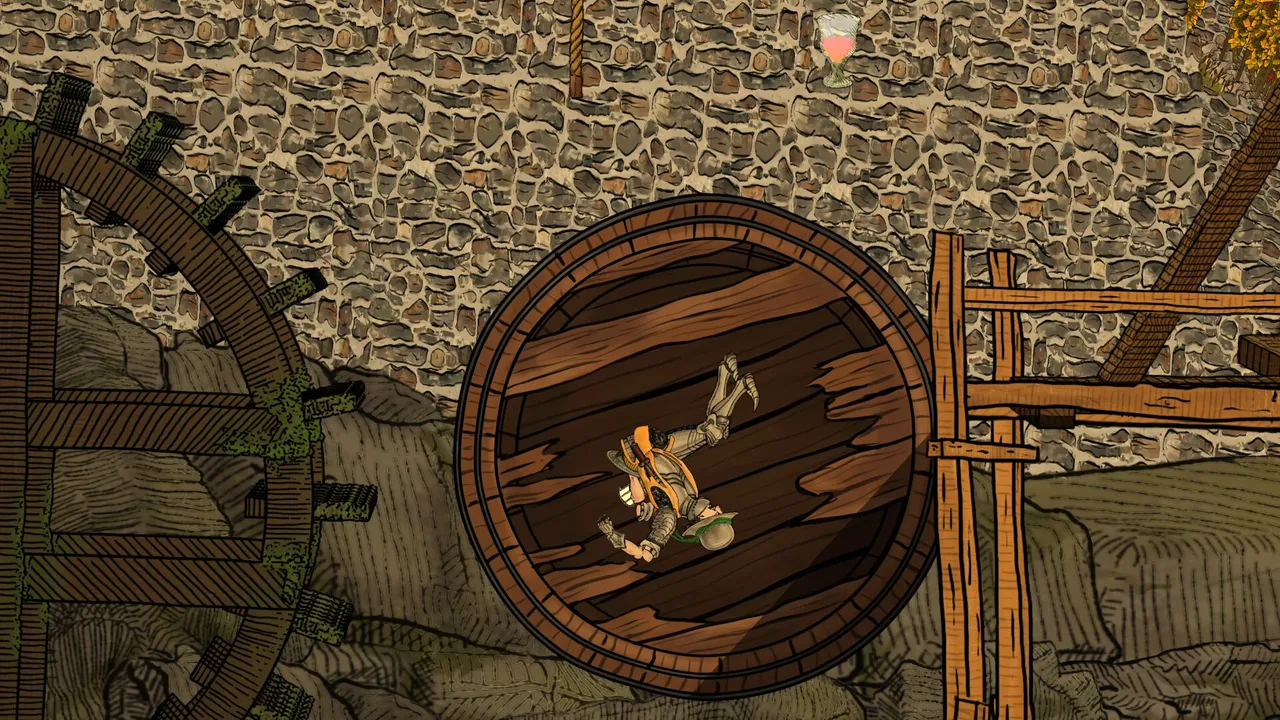
Ritter & Rotwein is built around a single core constraint: you are drunk, and your body knows it. The release date for this physics-driven action game is July 20, 2026 on PC, and the central design is deceptively simple—navigate 15th-century levels as a ragdoll knight whose limbs respond to weight, momentum and poor balance, all while armed with period weapons and an ever-present bottle of wine.
The game's hook is that drunkenness is not flavour, it is the entire mechanical problem you must solve. Every jump, dodge, climb and sword swing is shaped by your character's inability to stand straight. Wine heals you but worsens stability, creating a tension between survival and the very tool that keeps you alive. This is not a standard action game with a drinking animation bolted on—the physics engine appears to be the game itself, and mastery means learning how ragdoll momentum, weapon weight and armor load interact with your stumbling frame.
Campaign and multiplayer shape two different skill curves
The single-player campaign tasks you with reaching the finish line as quickly and unscathed as possible, collecting honor through knightly virtues as you progress through increasingly difficult levels. This is a race-and-survival loop where the challenge is not just beating a level but beating it clean, which suggests the game is built around speedrun and optimization rather than combat sequence difficulty. In contrast, PVP strips away the time pressure and lets you choose your loadout freely—weapons, armor, ragdoll type—to duel other players locally or via Steam Remote Play, pivoting the skill expression toward reading and exploiting how different builds interact with drunk physics.
Whether Hurdy-Gurdy Games can sustain tension across a full campaign using ragdoll wobbliness and wine-management as the primary obstacles is the pivotal question. Physics-based games often peak early in novelty and flatten fast if progression does not layer in new mechanics, level design or build variety to keep the core loop tense. A single mechanic, however clever, must carry at least ninety minutes.
Buy at launch if you enjoy physics-driven movement puzzles, speedrun design, and the specific humor of medieval knights who are genuinely terrible at standing. Hold off if you need traditional combat feedback or stable, responsive controls; this game deliberately rejects both.
Features
System requirements
Minimum
- OS
- windows 10
- Processor
- ryzen 5 3600
- Memory
- 8 GB RAM
- Graphics
- nvidia GeForce gtx 1660
- Storage
- 5 GB available space
Recommended
- OS
- windows 10
- Processor
- ryzen 5 3600
- Memory
- 8 MB RAM
- Graphics
- nvidia GeForce gtx 1660
- Storage
- 5 GB available space


No comments yet. Be the first to share your thoughts.