

K-pop Idol Stories: Road to Debut
About K-pop Idol Stories: Road to Debut
K-pop Idol Stories: Road to Debut release date is July 16, 2026 on PC. The game splits its focus between two systems that rarely sit comfortably together: the hard resource management of a music industry sim and the soft, consequence-heavy relationship dynamics of a life sim. That tension is what the whole experience hinges on.
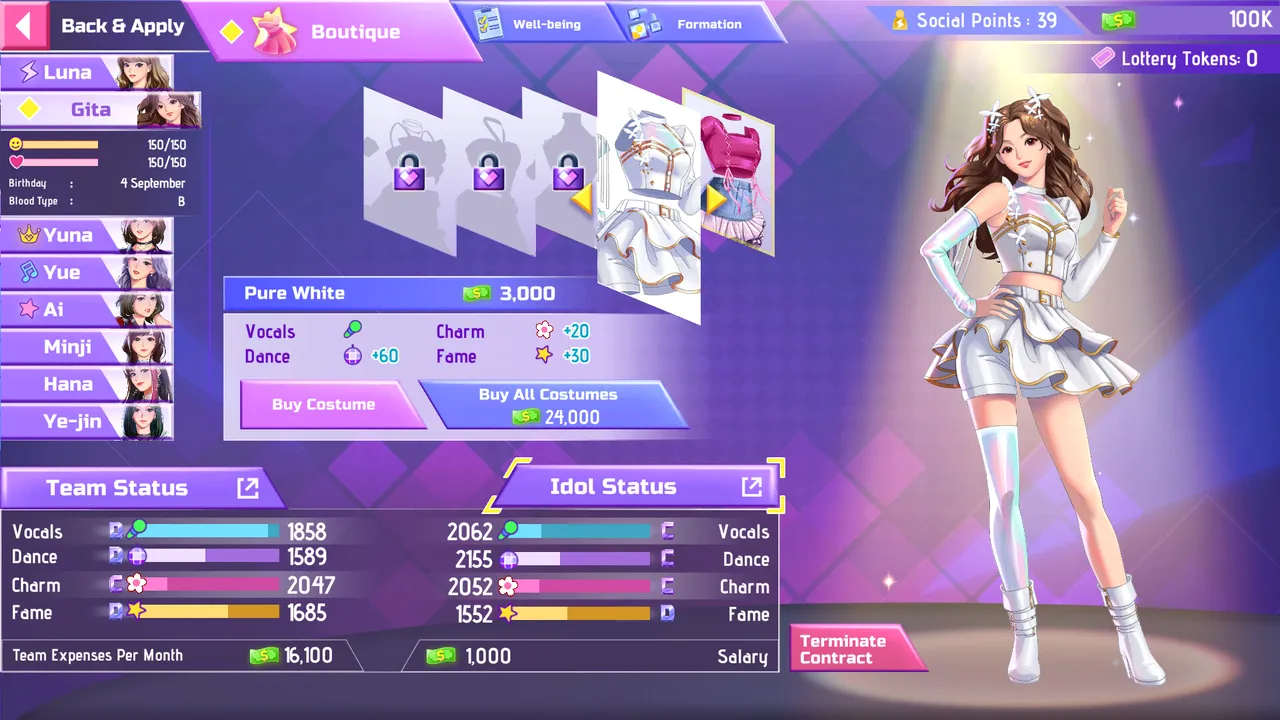
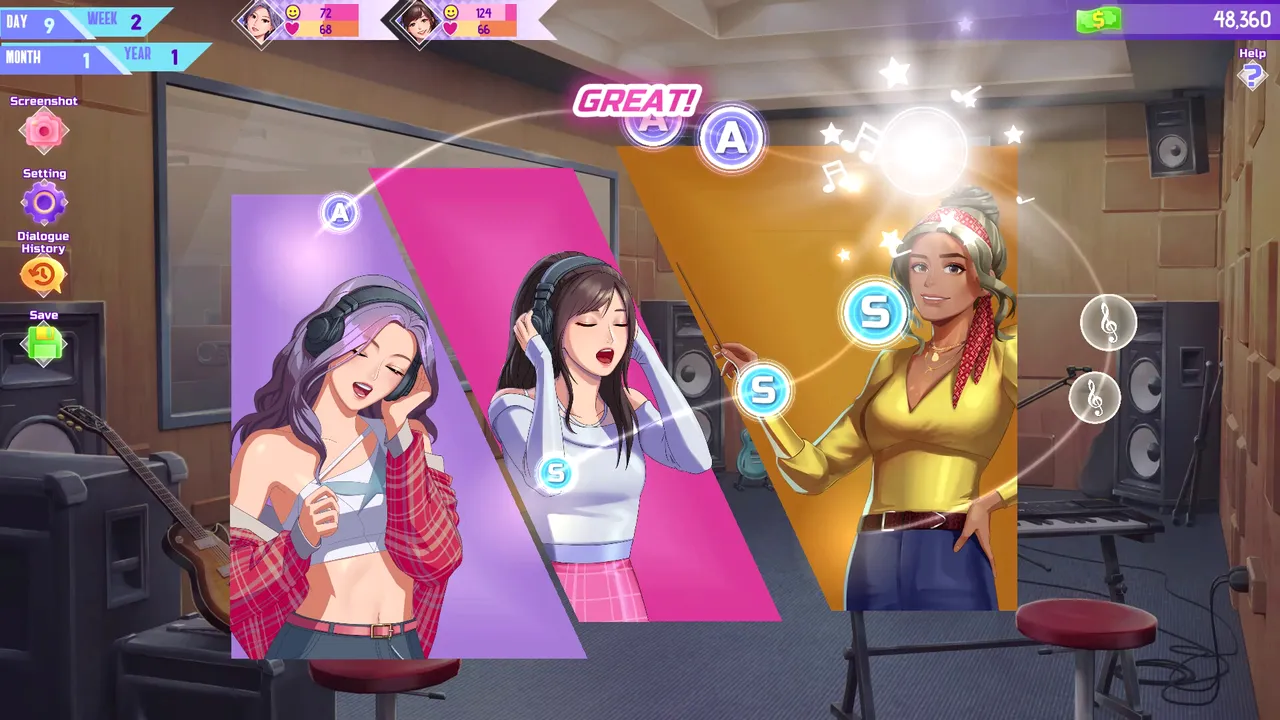
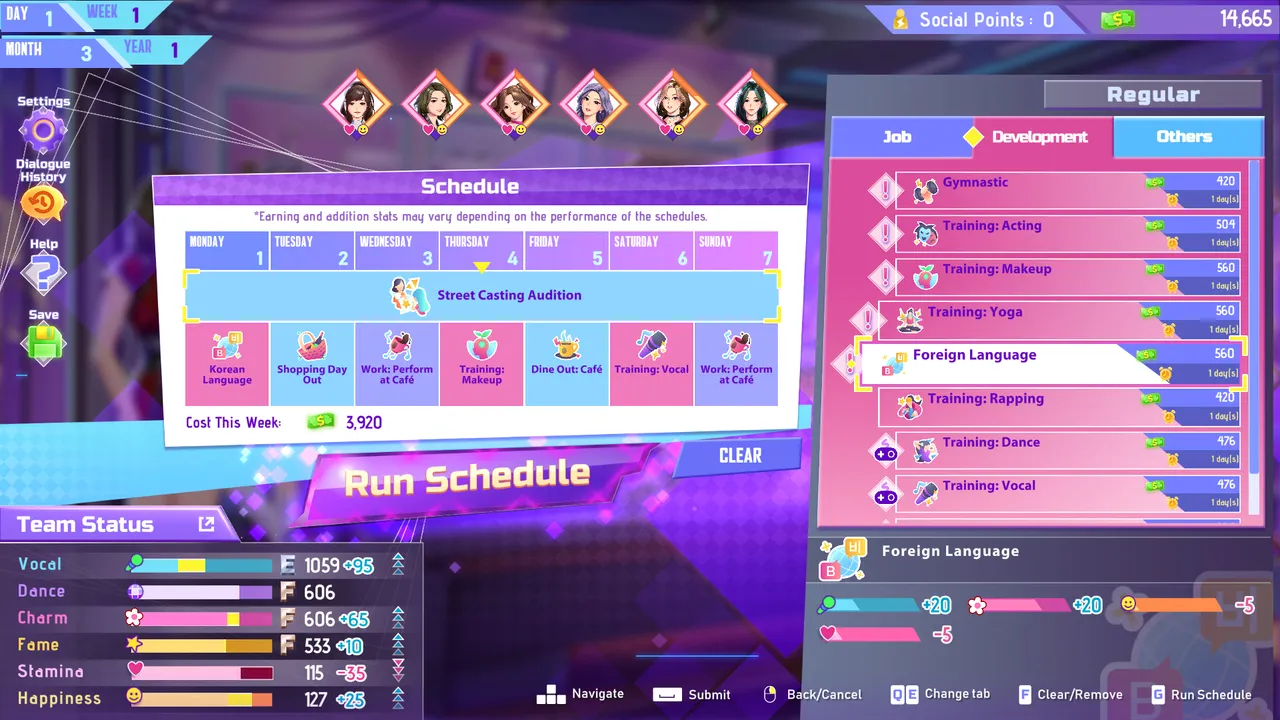
You are the manager, not the idol. That detail matters. Rather than following a single character's rise, you scout talent, assemble a roster, and juggle their weekly schedules, training loads, and downtime in pursuit of a debut that satisfies both your idols and your ambitions. The appeal is in the spreadsheet-like satisfaction of fitting puzzle pieces: balancing a trainee's vocal practice against the mental toll of overwork, or timing a social media post to capitalize on momentum without burning out your stars. It is a domestic management game, not a rhythm action or performance title.
Managing the Unpredictable
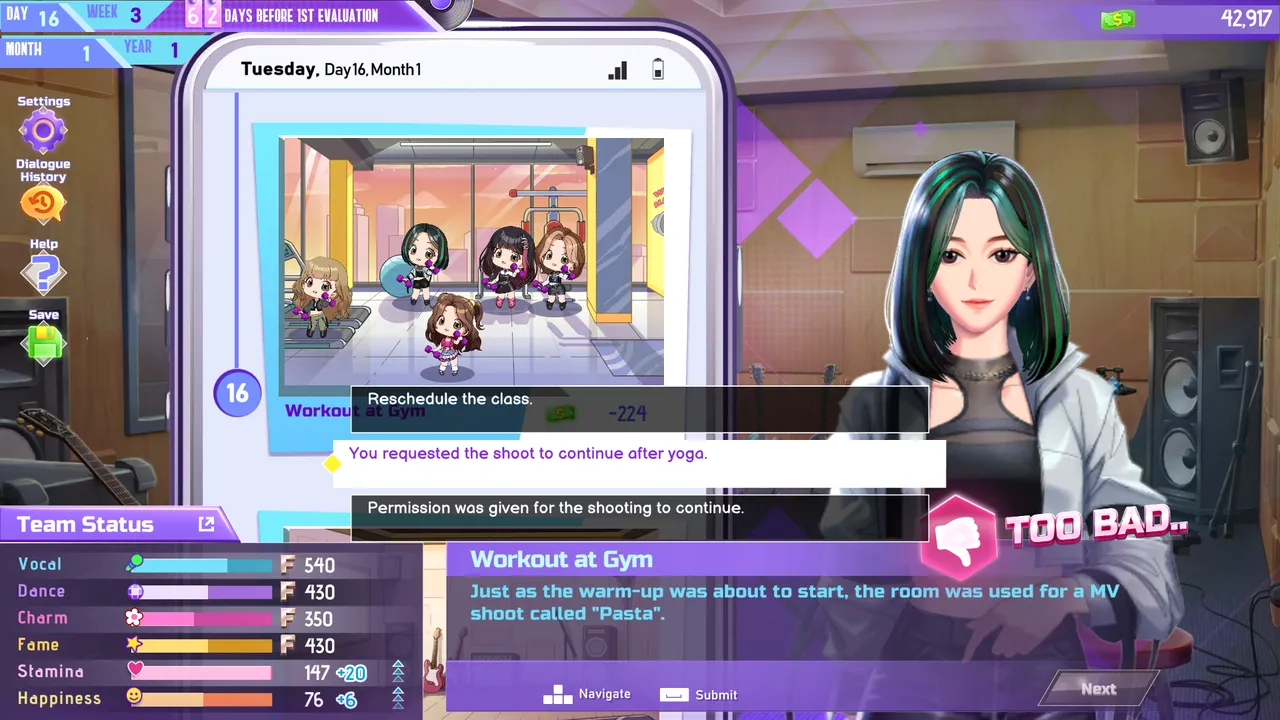
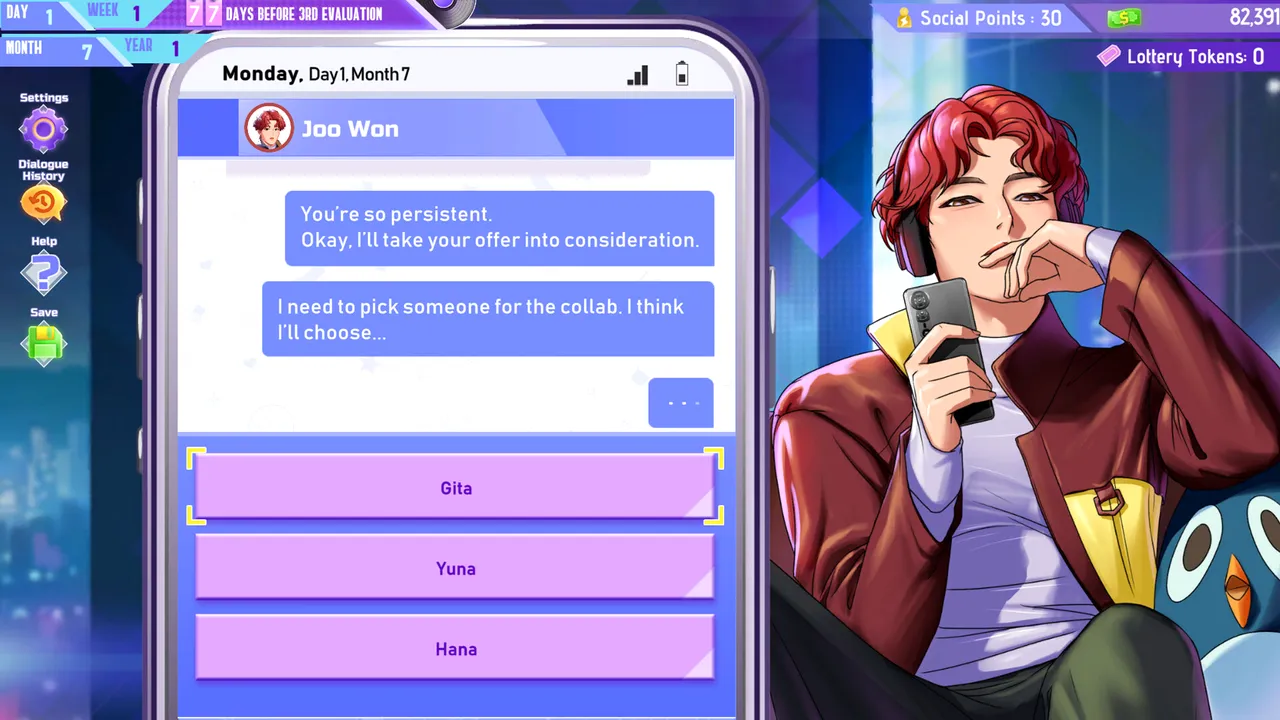
Where the design becomes distinctive is in how randomized events intrude on your plans. Life simulation mechanics—rivalries, relationship shifts, unexpected personal crises—force you to respond tactically rather than execute a prepared strategy. A trainee might develop a conflict with another member mid-week, or public sentiment could swing based on your album choice. The release date for the game sits far enough out that the exact balance between deterministic planning and chaotic intervention remains unproven, but the systems suggest the game is betting on that friction to sustain tension across a campaign.
The roster mechanic shapes everything. You cannot simply replace a failing trainee; the relationships and group chemistry you have built matter. This pushes progression toward long-term investment and specialization rather than constant roster turnover, a meaningful constraint for a management game that could otherwise flatten into optimizing stats. Whether that creates lasting engagement or settles into routine repetition is the open question.
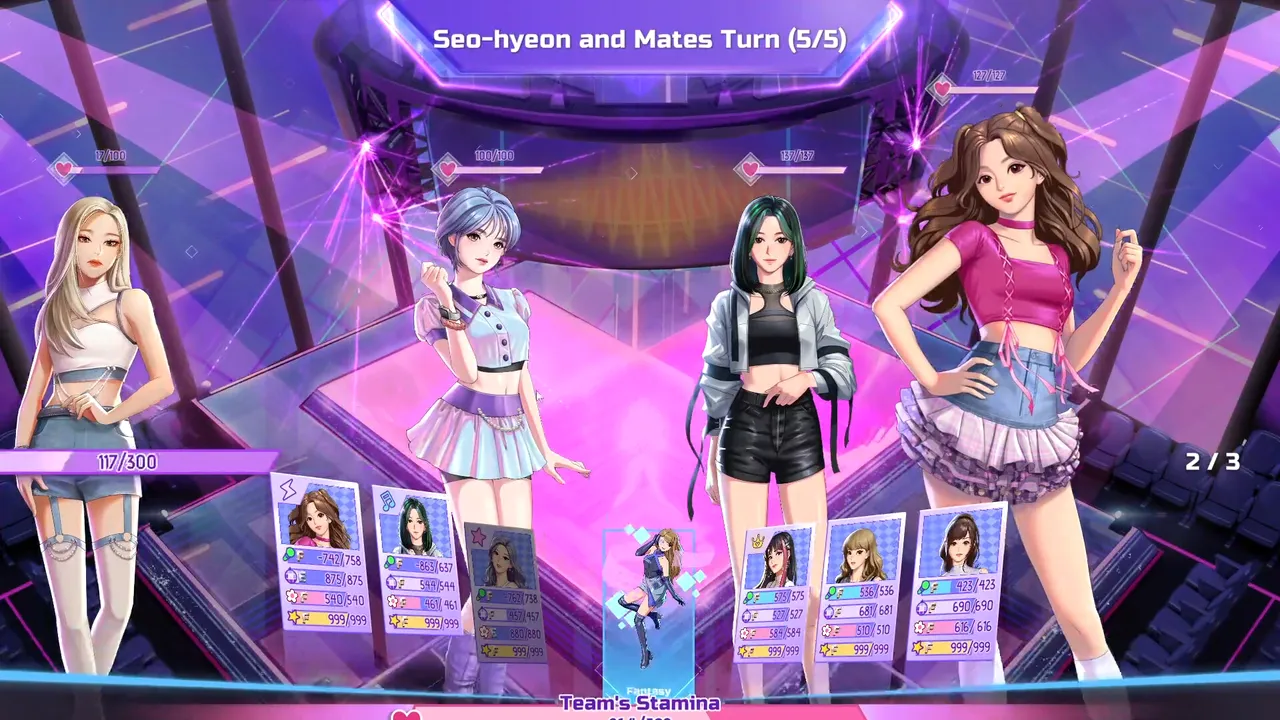
This is for players who enjoy the deliberate pacing of games like Two Point Hospital or Unpacking, who care more about the consequence of a decision than the spectacle of executing it, and who find the real drama in how people respond to pressure rather than in public triumph. Anyone seeking idol performance gameplay, concert sequences, or real-time rhythm mechanics should look elsewhere.
Features
System requirements
Minimum
- OS
- Windows 10 or higher
- Processor
- 1.8 GHz with 64-bit processor and operating system
- Memory
- 4 GB RAM
- Graphics
- 512 MB display memory
- DirectX
- Version 9.0c
- Storage
- 8 GB available space
- Sound Card
- Any





No comments yet. Be the first to share your thoughts.