
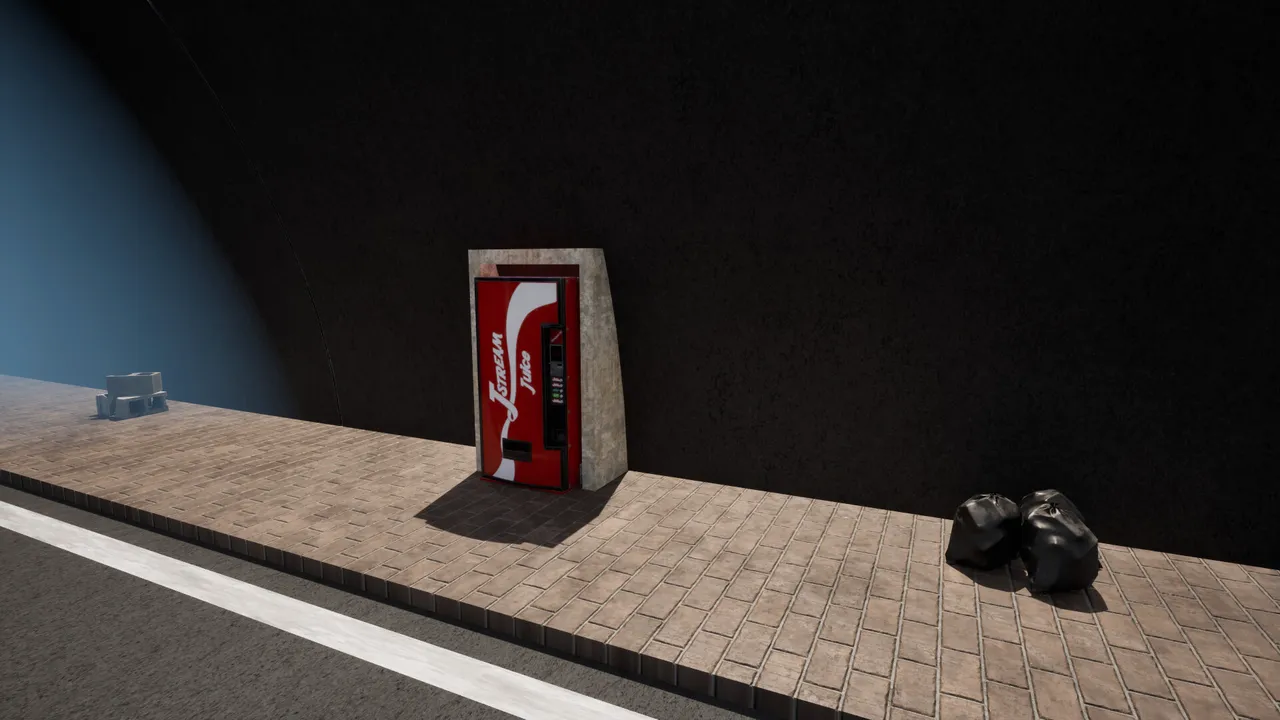

Doesn't this tunnel go on forever?
About Doesn't this tunnel go on forever?
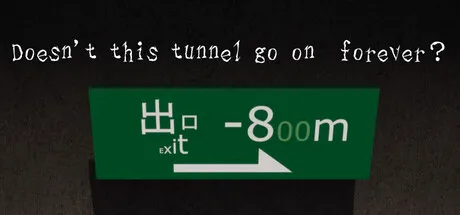
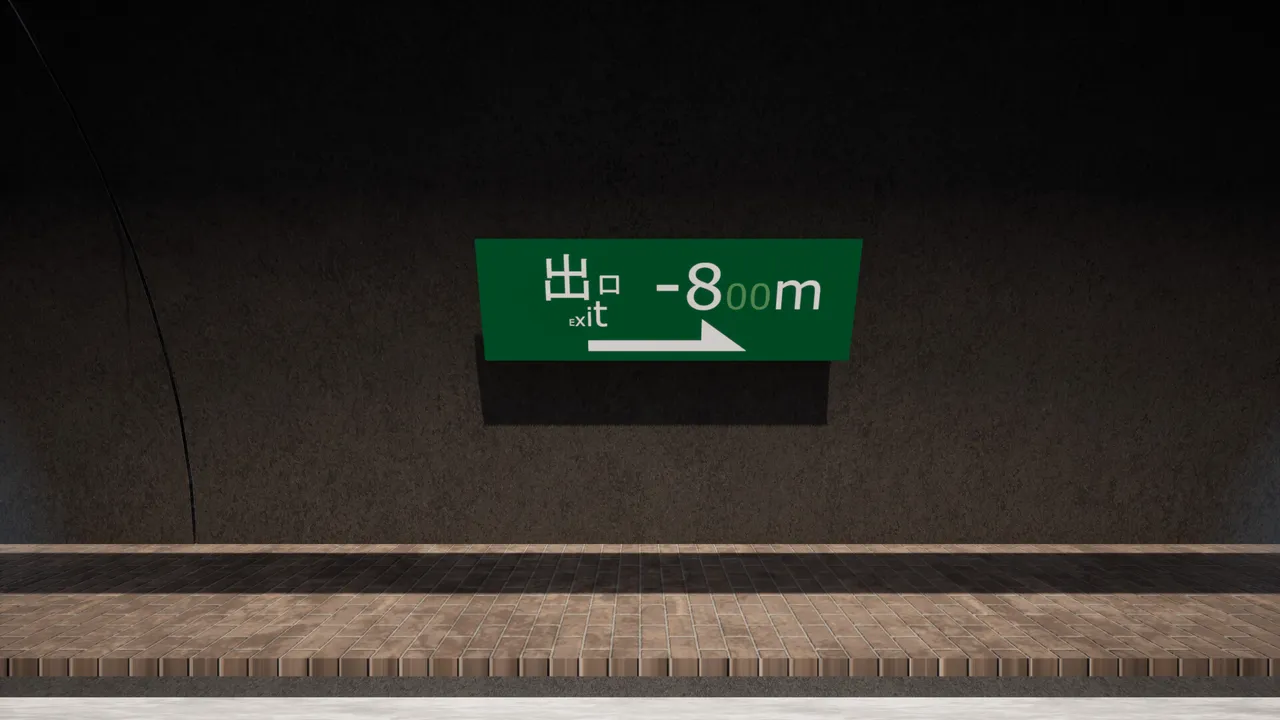
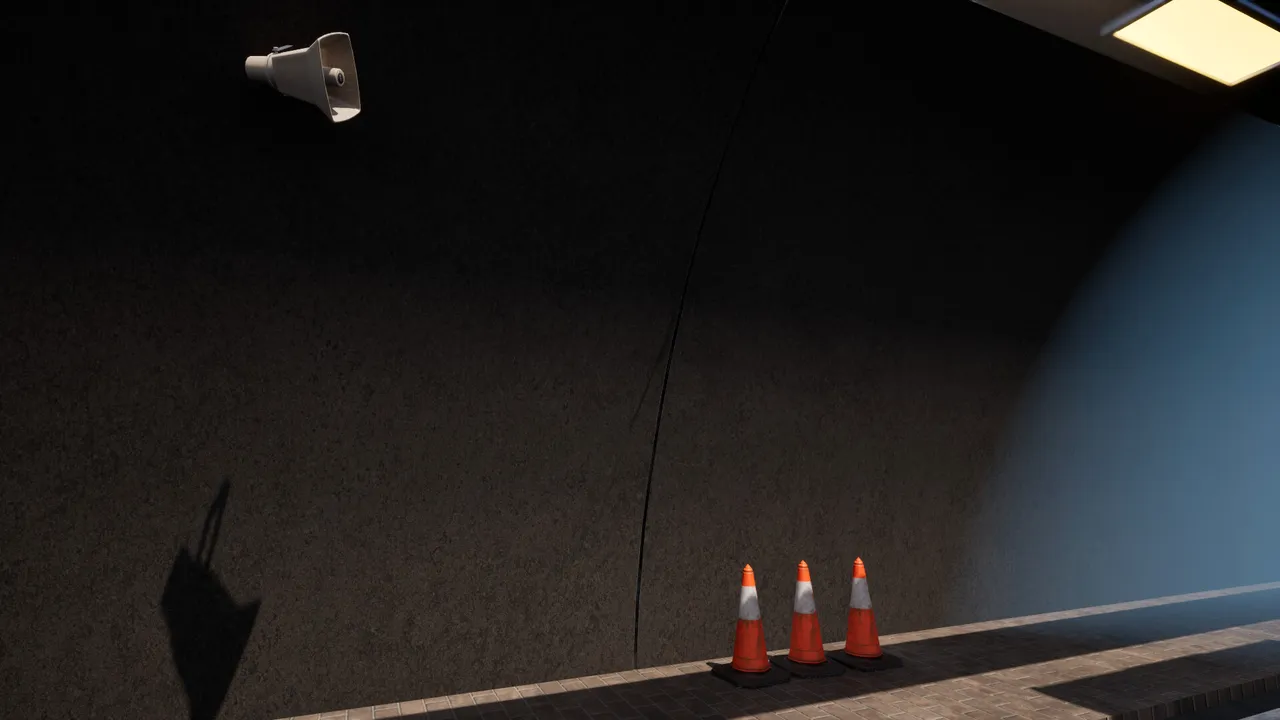
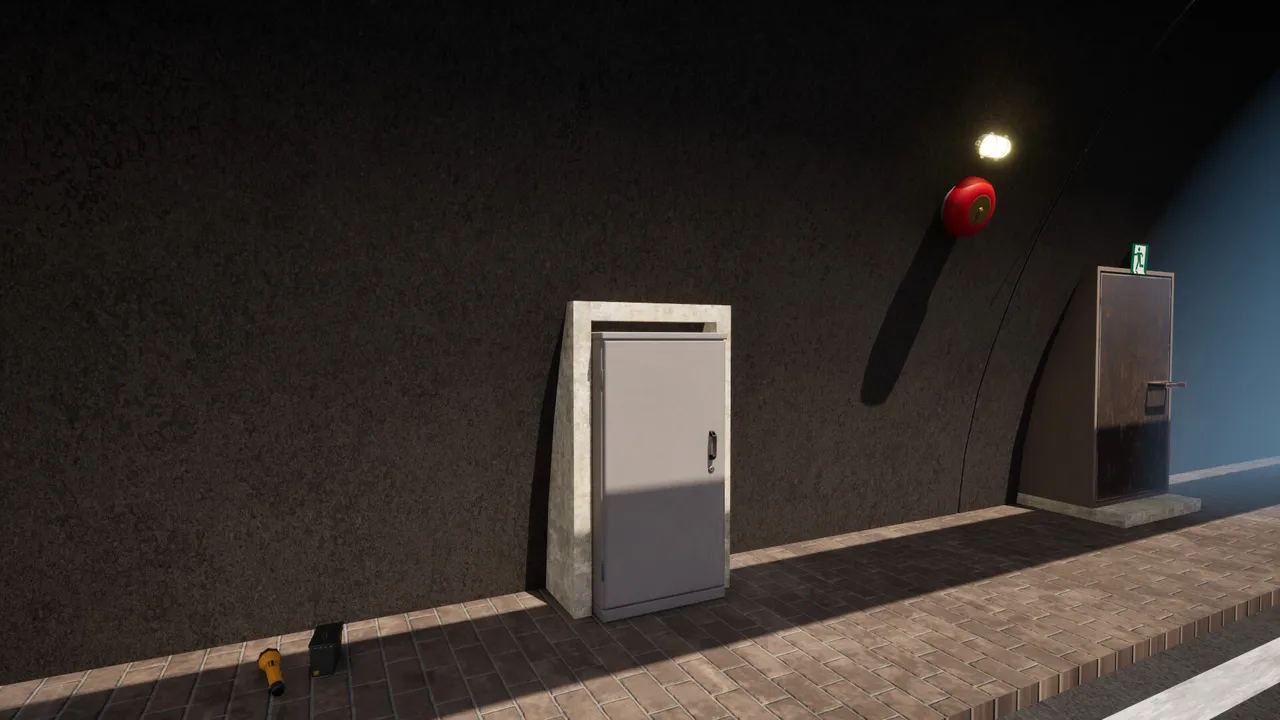
Doesn't this tunnel go on forever? releases July 17, 2026 on PC as a brief, observation-focused walking simulator built entirely around a single tension: move forward or retreat based on what you notice. The game traps you in a corridor that appears infinite and forces a binary choice at regular intervals—continue following the directional sign if the passage looks normal, or turn back if you spot something wrong. There is no combat, no inventory, no dialogue. Just you, the tunnel, and the question of whether what you are seeing is a genuine threat or a trick of the mind.
The release date for Doesn't this tunnel go on forever? lands it as a spiritual successor to The Exit 8, a 2022 viral walking simulator that proved audiences hunger for short, high-tension observation games. That game's entire appeal was learning to spot the off by degrees—a door in the wrong place, a person who shouldn't exist, a tile colour that doesn't match. This new title appears to lean harder into that specific loop: your only agency is reading the environment and trusting your instinct. There is no skill test underneath, no pattern to decode once and exploit forever. The design is either elegant restraint or a thin premise stretched deliberately thin, depending on whether the anomalies stay genuinely unsettling across multiple passes.
What Makes It Different
Most walking simulators ask you to absorb narrative or atmosphere passively. Doesn't this tunnel go on forever? makes observation an active mechanic with real stakes. Wrong calls—false positives or missed details—send you backward, resetting progress and forcing you to re-examine what you thought you saw. The game promises 15 to 60 minutes of playtime, a window that suggests either variable difficulty, multiple branching paths, or simply that the core idea does not stretch much further than one or two hours. The compressed length is a strength if the anomalies remain fresh; it becomes a liability if the loop grows predictable after a third or fourth attempt.
The studio has declared the game fully streamable and monetizable under standard platform rules, a signal that replayability and viewer confusion about what is and is not an anomaly is part of the design. Watching someone else play and spot something you missed on your own run is part of the appeal. Whether the game can sustain tension across multiple playthroughs without leaning on jump scares or artificial difficulty is the pivot point.
Pick this up if you finished The Exit 8 and wanted more of that specific restraint, or if you are drawn to short, high-focus games that respect your time. Skip it if you need narrative meat, exploration freedom, or anything beyond pure observation and forward momentum.
Features
System requirements
Minimum
- OS
- Windows 11 64bit
- Processor
- intel Core i5-12400
- Memory
- 8 GB RAM
- Graphics
- Radeon RX 5700 XT
- DirectX
- Version 12
- Storage
- 6 GB available space






No comments yet. Be the first to share your thoughts.