
About Desktop Explorer
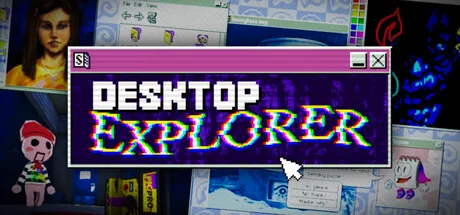
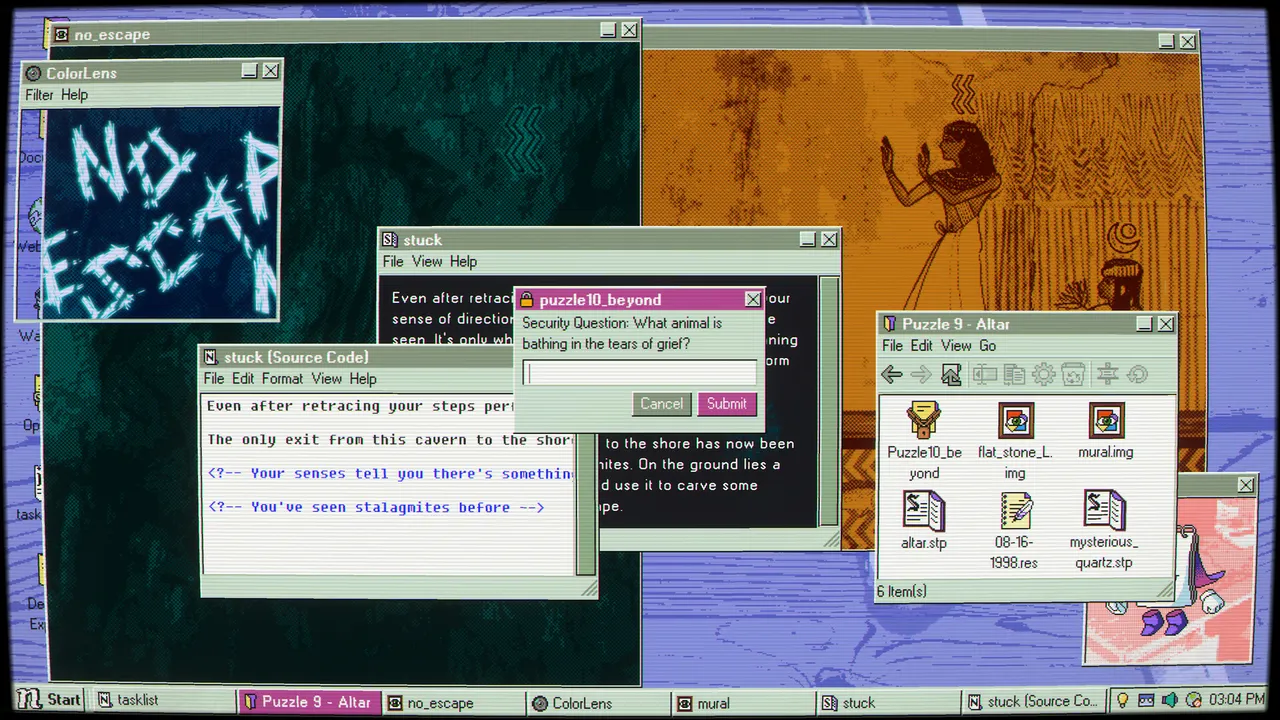
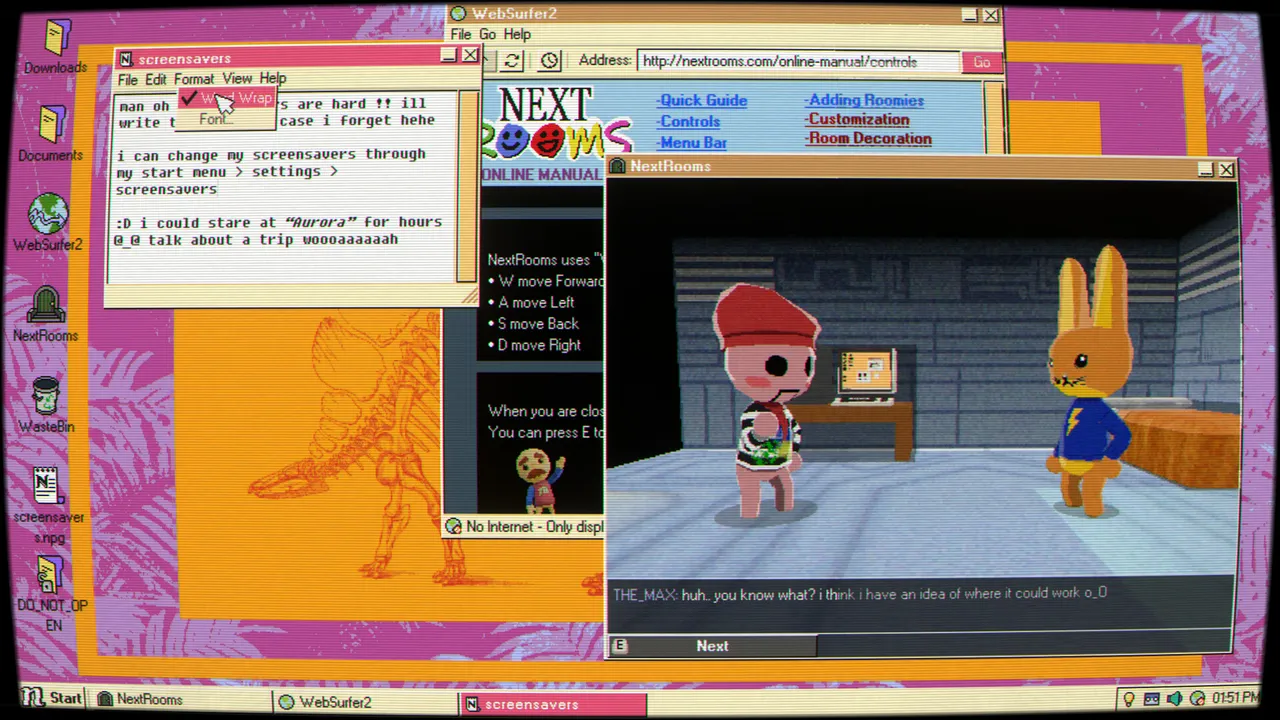
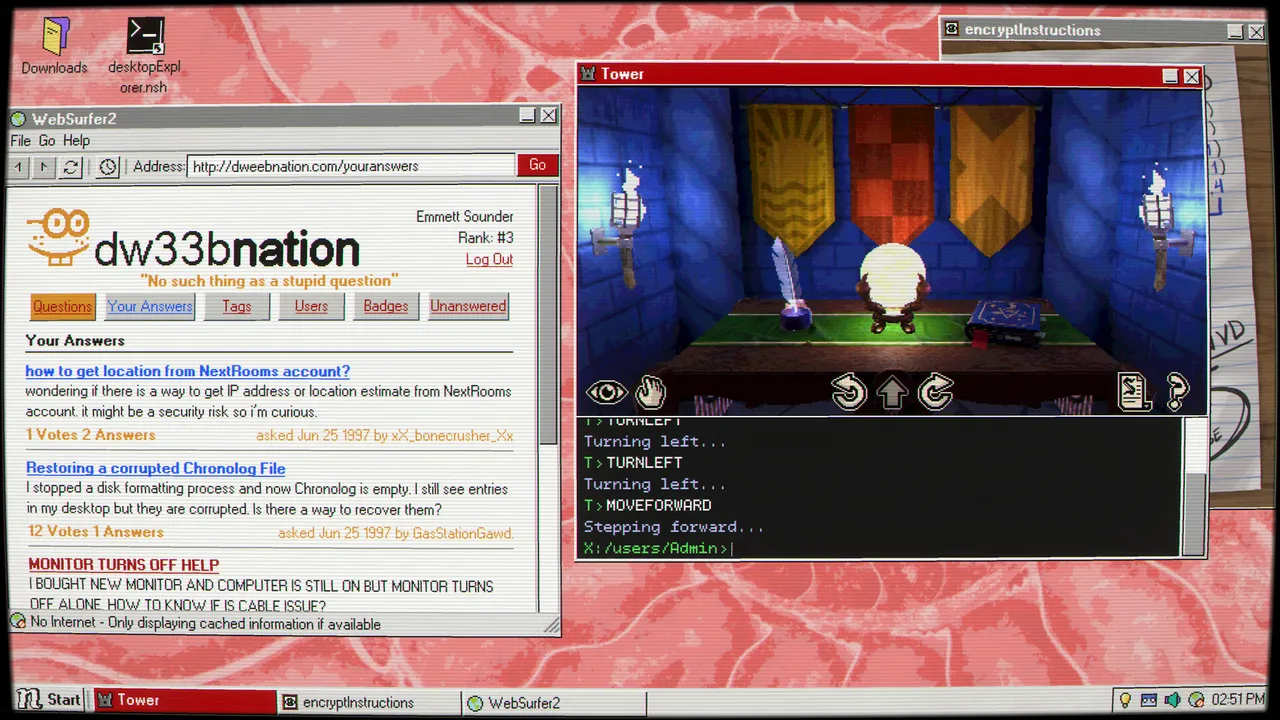
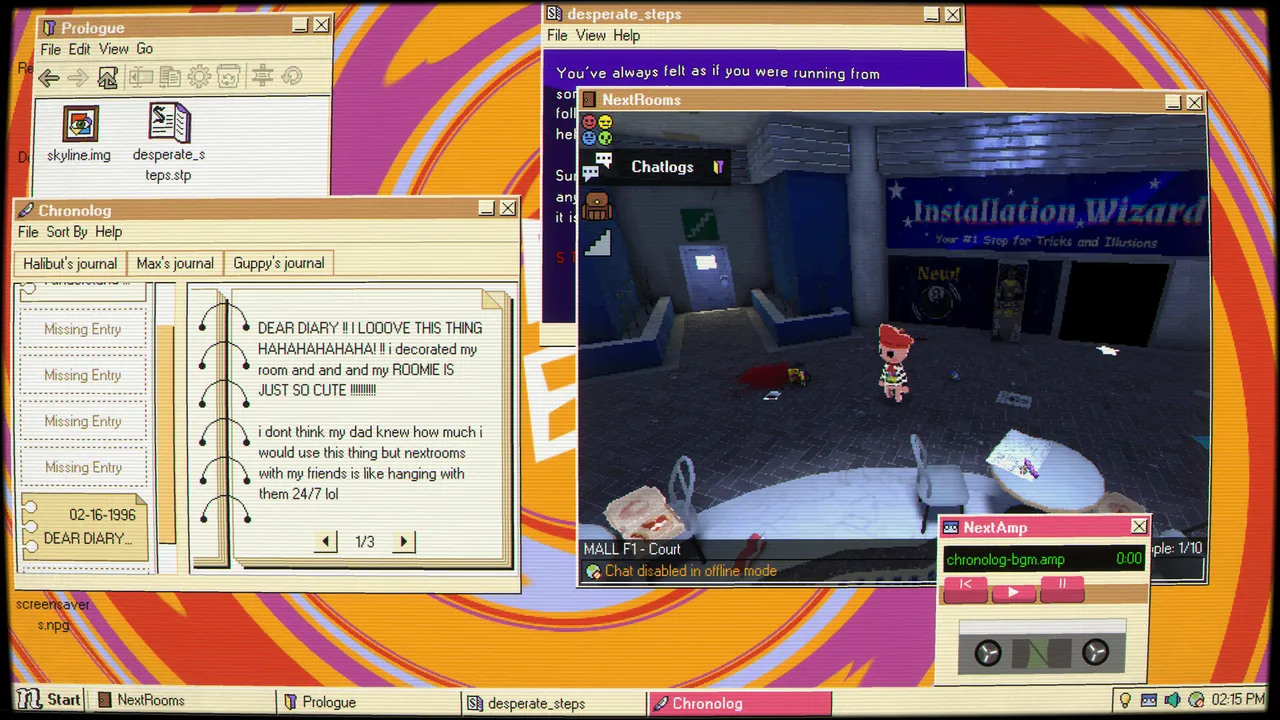
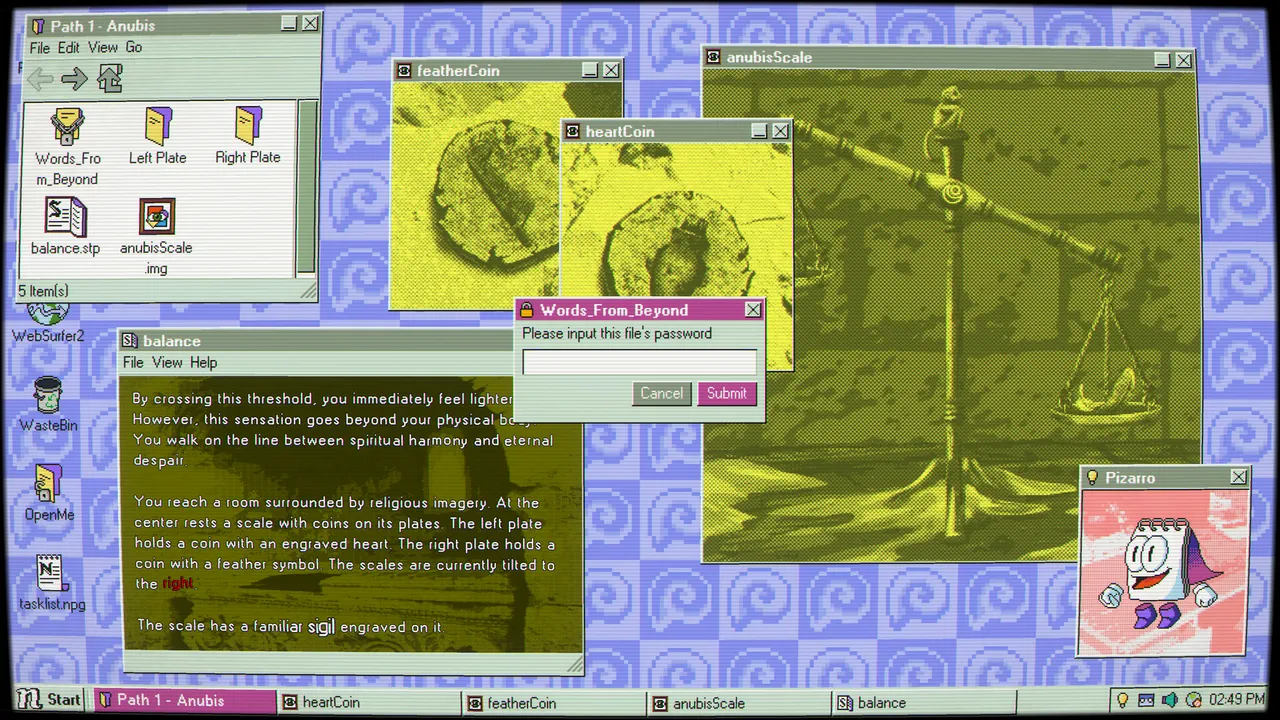
Desktop Explorer flips the detective-game formula by making the interface itself the crime scene. Instead of hunting clues in a lived-in world, you inherit your uncle's functional but haunted PC, and the investigation unfolds entirely through operating system windows, file browsers, chat logs and corrupted applications that fragment their own data as you dig deeper. The release date for Desktop Explorer is July 17, 2026, on PC.
The core loop hinges on treating mundane computer tools as forensic instruments. You don't click through a story; you reconstruct one by reading fragments scattered across a 90s desktop environment, each layer of investigation cracking open another layer of the machine itself. This is a puzzle game disguised as an adventure, one where the mystery's structure mirrors the architecture of an old hard drive, and every interface—every window, every dialog box—carries both narrative weight and a mechanical purpose. That convergence between story and systems is where the design lands its tension: you are always solving, always reading, always one folder away from understanding who this person was and what the Desktop Explorer program itself actually does.
A 90s Digital Mystery Built from Real Computing Dread
The 1990s aesthetic is not decoration here. Recurring Dream has built the release date around a deliberate commitment to retro-digital authenticity: pixelated file explorers, corrupted graphics, nostalgic system sounds layered into an original soundtrack. That choice matters because it makes abandonment readable. A modern sleek interface would flatten the eerie tone; these interfaces, designed to feel like stepping into an archived snapshot of someone's digital life, deepen the psychological horror. The game promises immersive 3D environments rendered in that same retro idiom, a technical push to make outdated aesthetics feel uncanny rather than charming.
One honest tension: whether the cryptic-interface puzzle loop can sustain momentum across a full investigation without veering into either monotonous clicking or frustration-inducing obscurity. The game's success hinges on keeping that balance sharp, letting players feel clever as they uncover clues through classic OS tools, not stuck or patronised. The photosensitivity warning signals that the developers are willing to lean into psychological discomfort—rapid screen effects, flashing imagery—which suggests they are committing to the horror premise rather than softening it for comfort.
Desktop Explorer is built for players who loved the investigative unease of titles like Her Story or Kentucky Route Zero, where narrative unfolds through constraint rather than cinematic direction. If you tire of games that demand you click through dialogue trees or follow breadcrumb markers, this one asks you to think like an archivist instead. Skip it if you need dynamic action, immediate feedback loops or conventional pacing. If you are drawn to mysteries that hide their answers inside the very medium you are exploring, this July 2026 release earns a wishlist spot.
Themes
Features
System requirements
Minimum
- OS *
- Windows 7 SP1+ (or later)
- Processor
- Intel or AMD Dual Core at 2 GHz or better
- Memory
- 2 GB RAM
- Graphics
- Intel Graphics 4400 or better
- DirectX
- Version 11
- Storage
- 400 MB available space






No comments yet. Be the first to share your thoughts.