
About DATA BREACH
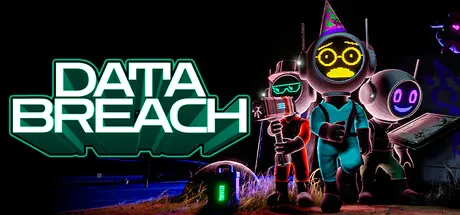
Data Breach is a co-op horror game built on a single, defining pressure: you are expendable, your crew shares one wallet, and the train leaves whether you are ready or not. The release date is July 21, 2026, and it launches on PC. What makes this stand out is not the setting—corporate-owned robots in dead facilities is a solid premise—but the collision between extraction-run tension and the security system that hands you power over your dying crew.
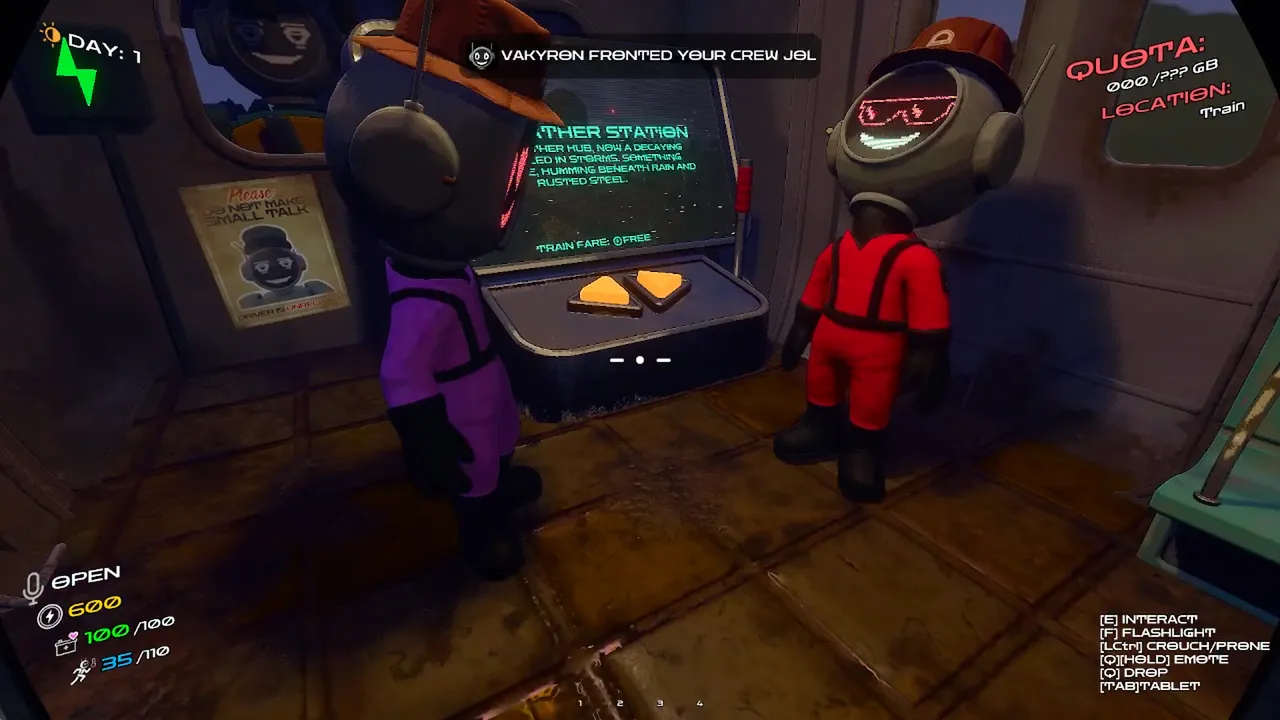
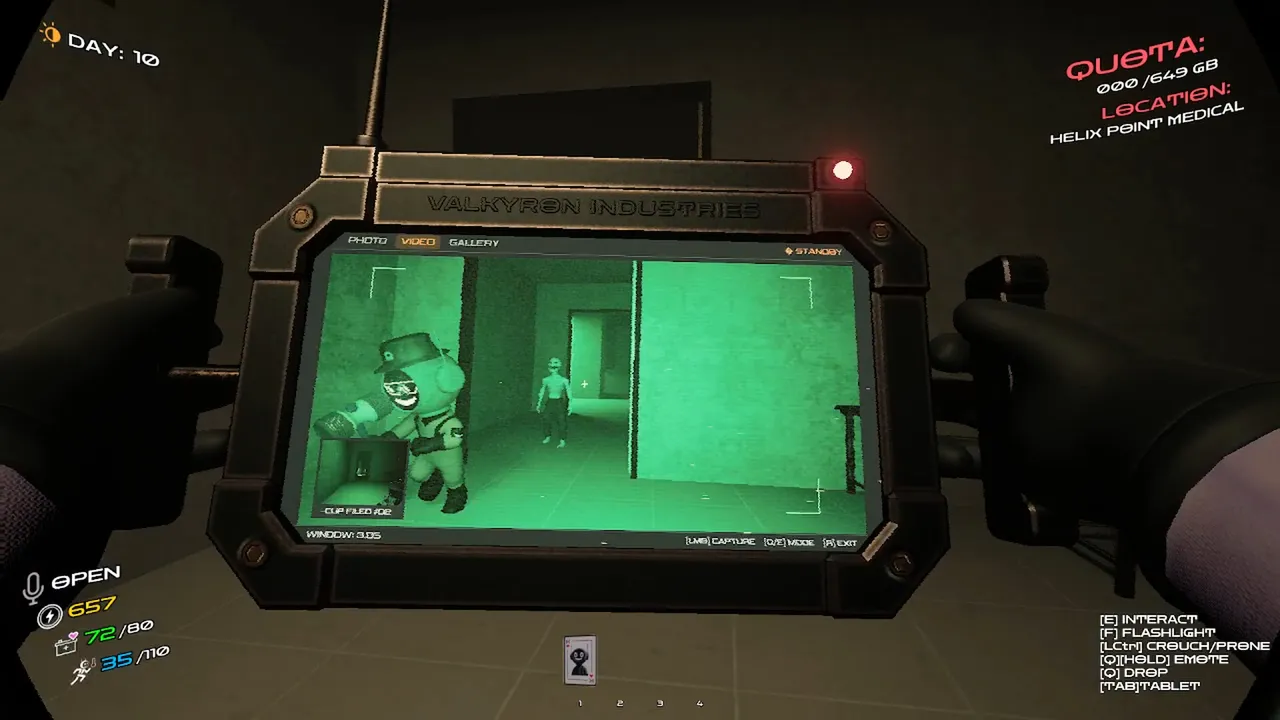
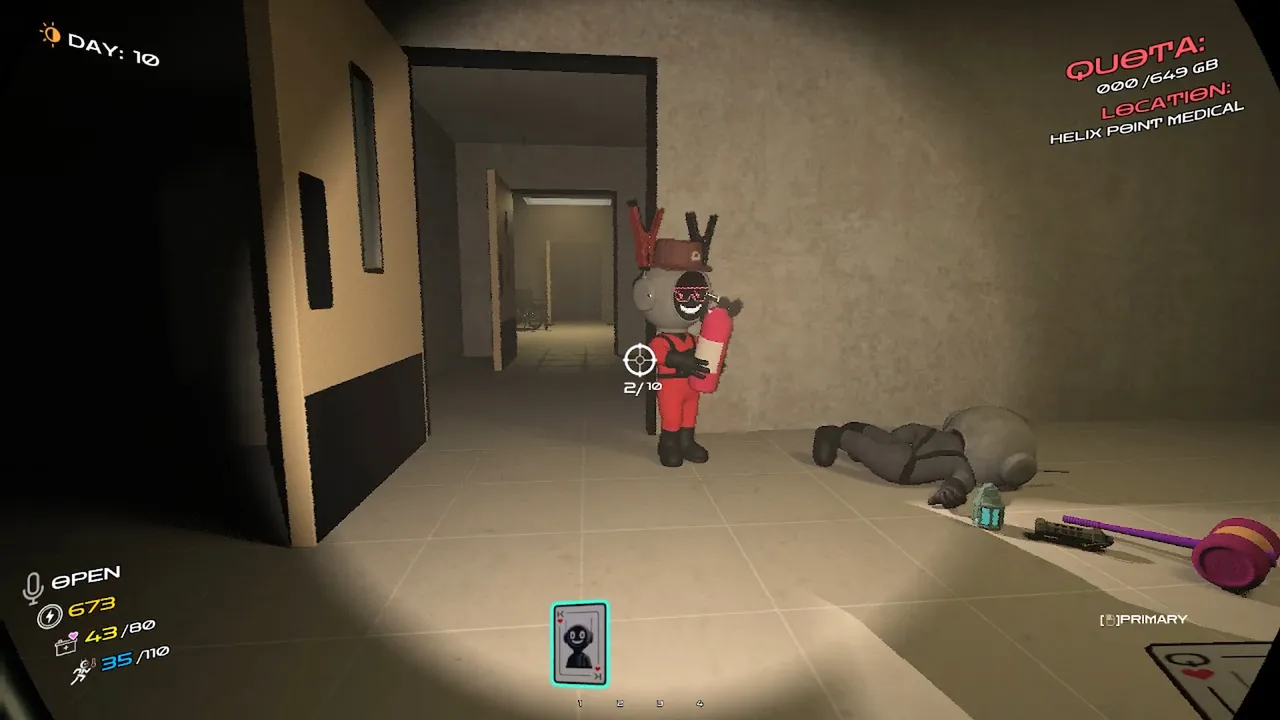
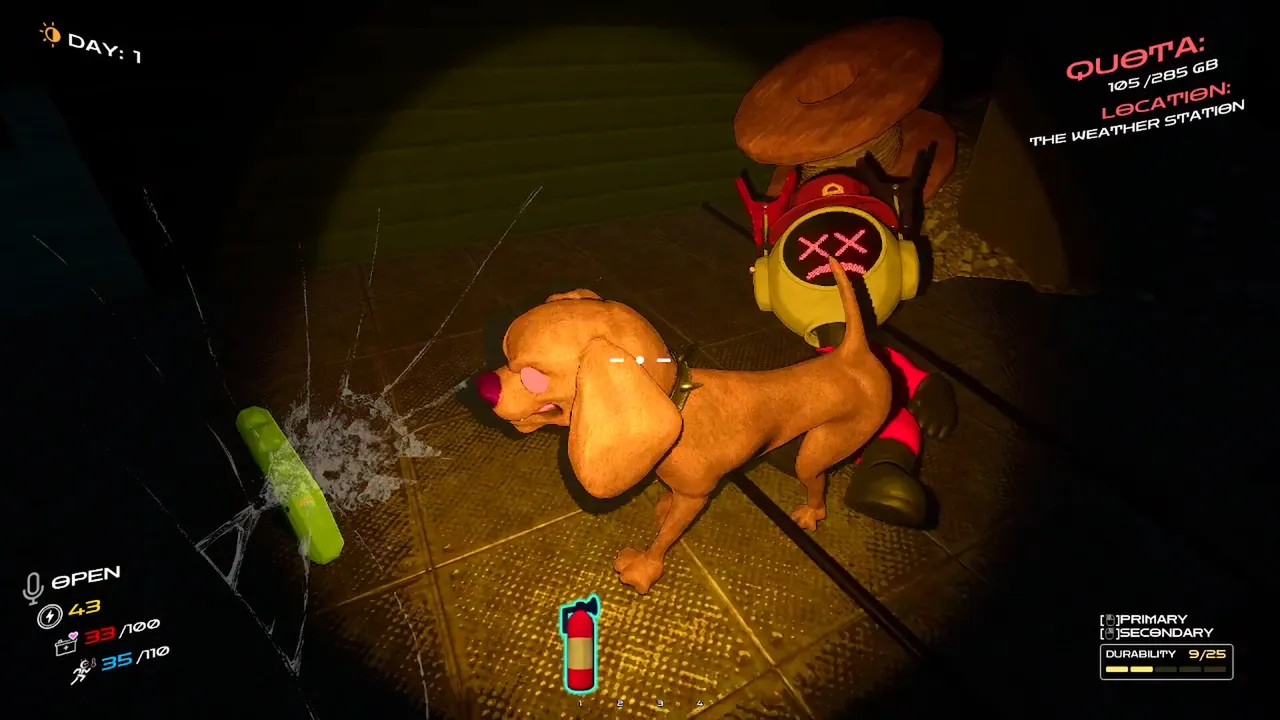
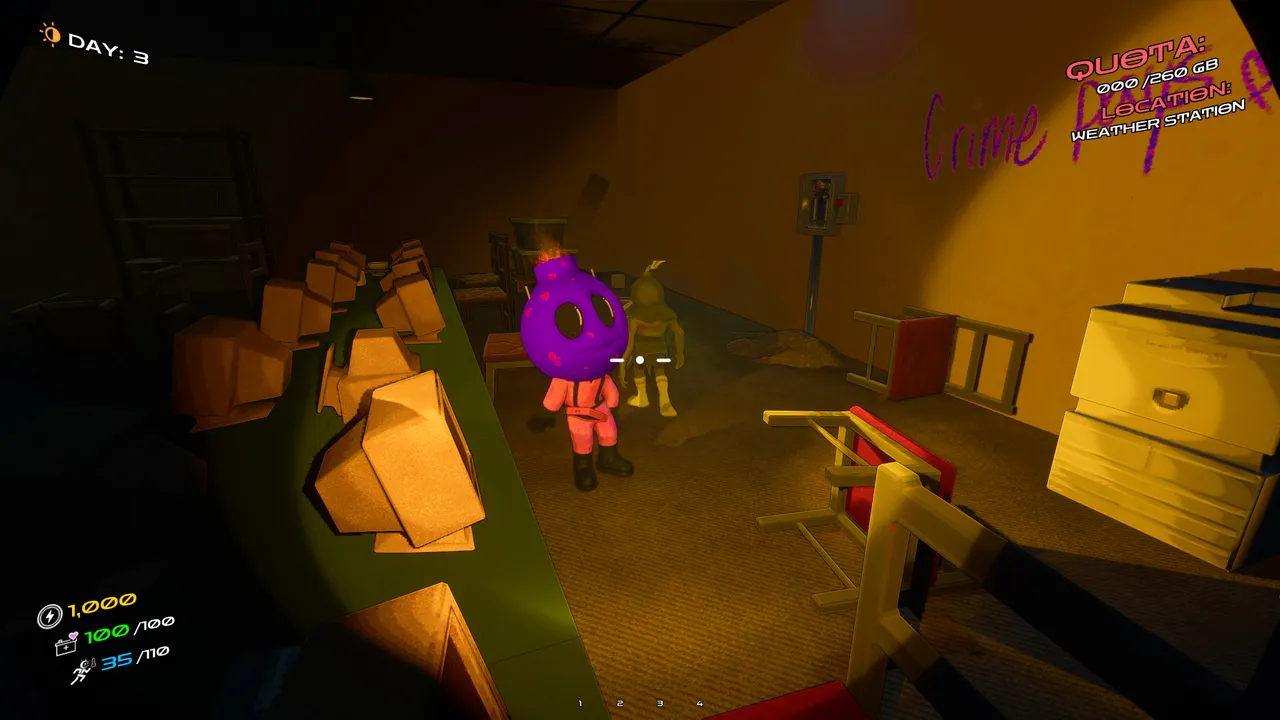
The core loop is deceptively simple: enter a facility, photograph hostile entities to learn their weaknesses and mark them as completed quota, cash earnings in Jolts, buy gear or upgrades from a shopkeeper, and catch the train home before it departs. Miss the quota or the departure, and Valkyron recycles everyone. The genius is the train itself, which acts as a hard timer that grows more lucrative the longer you stay but leaves on schedule. That creates a genuine dilemma every run: push for richer loot and risk being locked out, or play conservatively and watch opportunities pass. In a solo game this is manageable tension. In a four-player run, it becomes a question of whether your crew can agree on greed.
Death and leverage in the security system
The game's second pillar is what happens when you die. Instead of a restart, you drop into the facility's security system as a ghost or override, able to help your crew unlock doors, disable traps, or sabotage them outright. This is not a punishment—it is a tool, and its design assumes players will sometimes choose chaos over cooperation. For solo players, it is a second-wind mechanic that keeps momentum alive. For co-op, it is a pressure point. A squad that trusts each other uses the fallen player as a tactical asset. A squad that does not has just handed one person the power to ruin the run. Whether that tension becomes fun friction or actual friction depends entirely on your group, and the game seems aware of this and unbothered by it.
Release date and co-op scaling
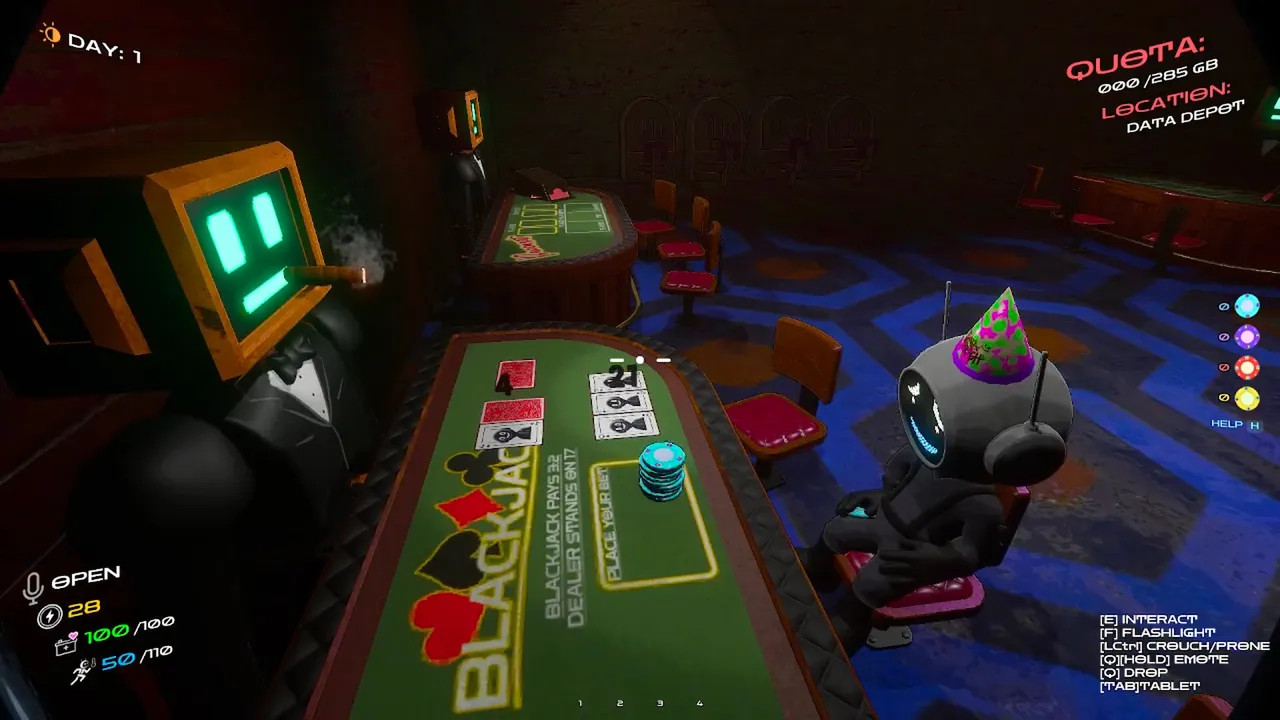
Data Breach supports 1 to 4 players online, and scales its difficulty and chaos accordingly. A solo run is methodical—you manage the timer, map the entity types, and optimize your route. Four players is controlled chaos, with shared Jolts forcing a constant negotiation over whether to spend on gear now or gamble in the shop's casino. The release date of July 21, 2026 for PC gives the developer a clear window to hit, and the core systems sound locked in enough that feature creep is unlikely to shift it. The shopkeeper mechanic, where spending on upgrades requires trust that others will not blow the bankroll on a casino bet, turns even the economy into a co-op friction point.
This is explicitly a game about expendability and crew dynamics, not individual heroics. If you are playing solo, you get a tight extraction-run experience with photography as the core objective mechanic. If you are playing in a group that communicates and has compatible risk tolerance, it is a space for either trust or betrayal, depending on your mood. If your squad cannot agree on whether to stay one more wave for bigger payouts, you will discover that very quickly. The build assumes this tension is the point, not a bug to be patched away. That bet will land for some groups and backfire for others, and the game does not try to split the difference.
Themes
Features
System requirements
Minimum
- OS
- Windows 10 64-bit
- Processor
- Intel i5-8400 / Ryzen 3 3100
- Memory
- 8 GB GB RAM
- Graphics
- GTX 1060 6 GB / RX 580 8 GB (DX12)
- Network
- Broadband Internet connection
- Storage
- 5 GB available space
Recommended
- OS
- Windows 10/11 64-bit
- Processor
- Intel i5-12400 / Ryzen 5 5600
- Graphics
- RTX 2060 Super / RTX 3060 / RX 6600 XT (8 GB VRAM)
- Network
- Broadband Internet connection
- Storage
- 5 GB available space


No comments yet. Be the first to share your thoughts.