

About ChessBase'26 SE
ChessBase '26 SE releases on July 20, 2026 for PC as the latest iteration of the dominant chess database platform. The core premise remains unchanged: a searchable, annotatable repository of millions of games that serves as the industry standard from world champions down to club players. What shifts in this edition is how the software surfaces opening knowledge, moving away from the assumption that a single success rate tells the whole story.
Opening Report and Skill-Level Breakdown
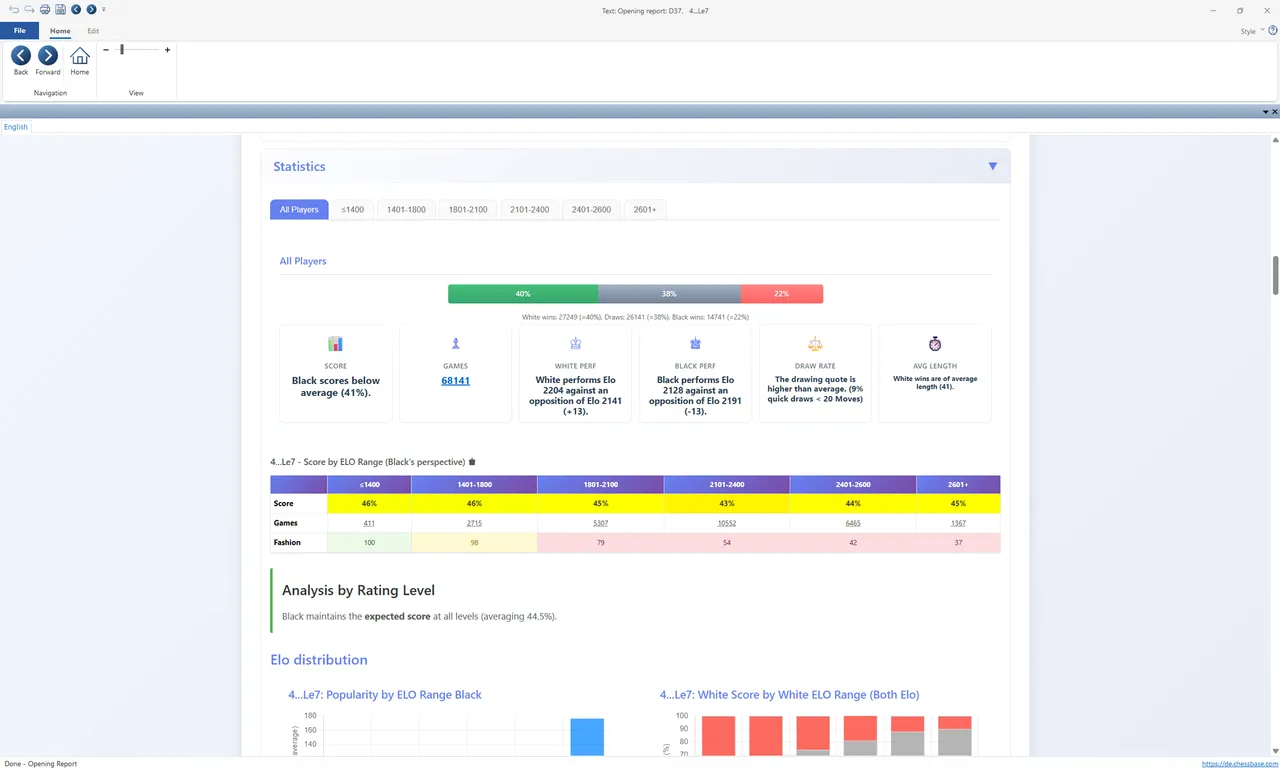
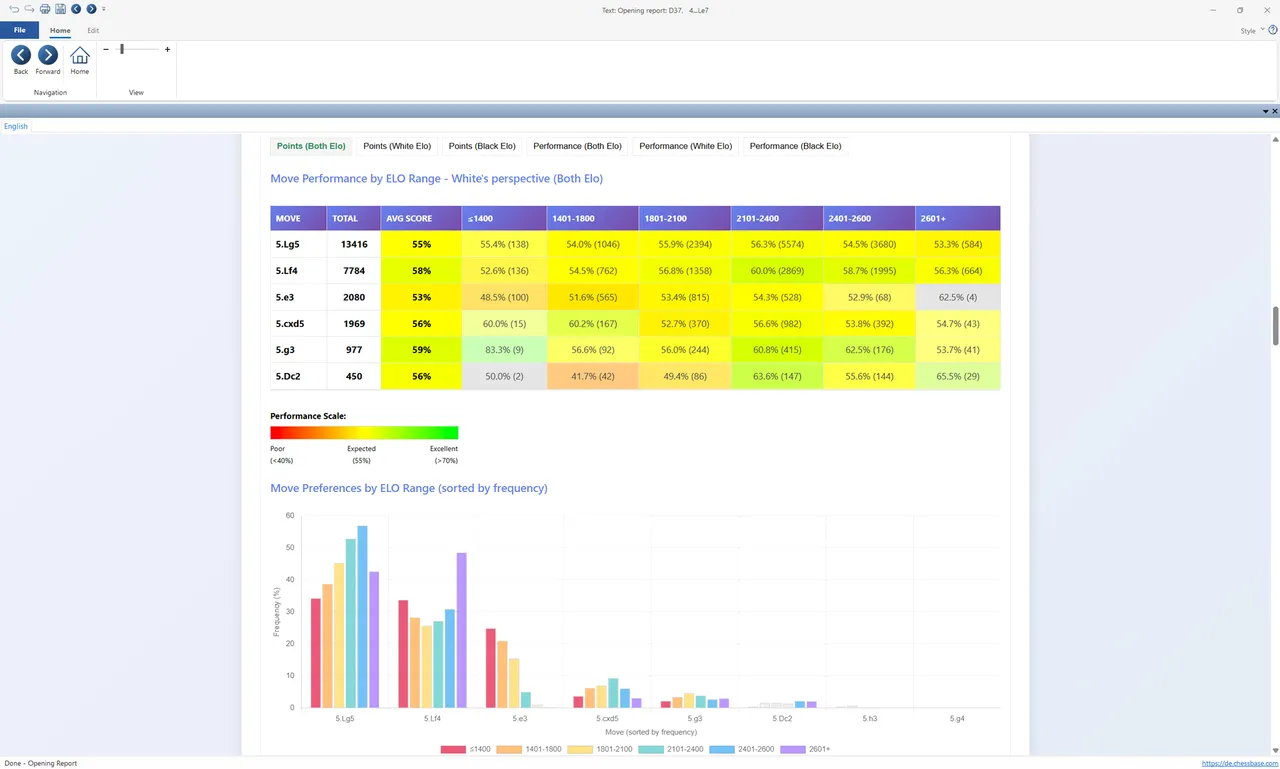
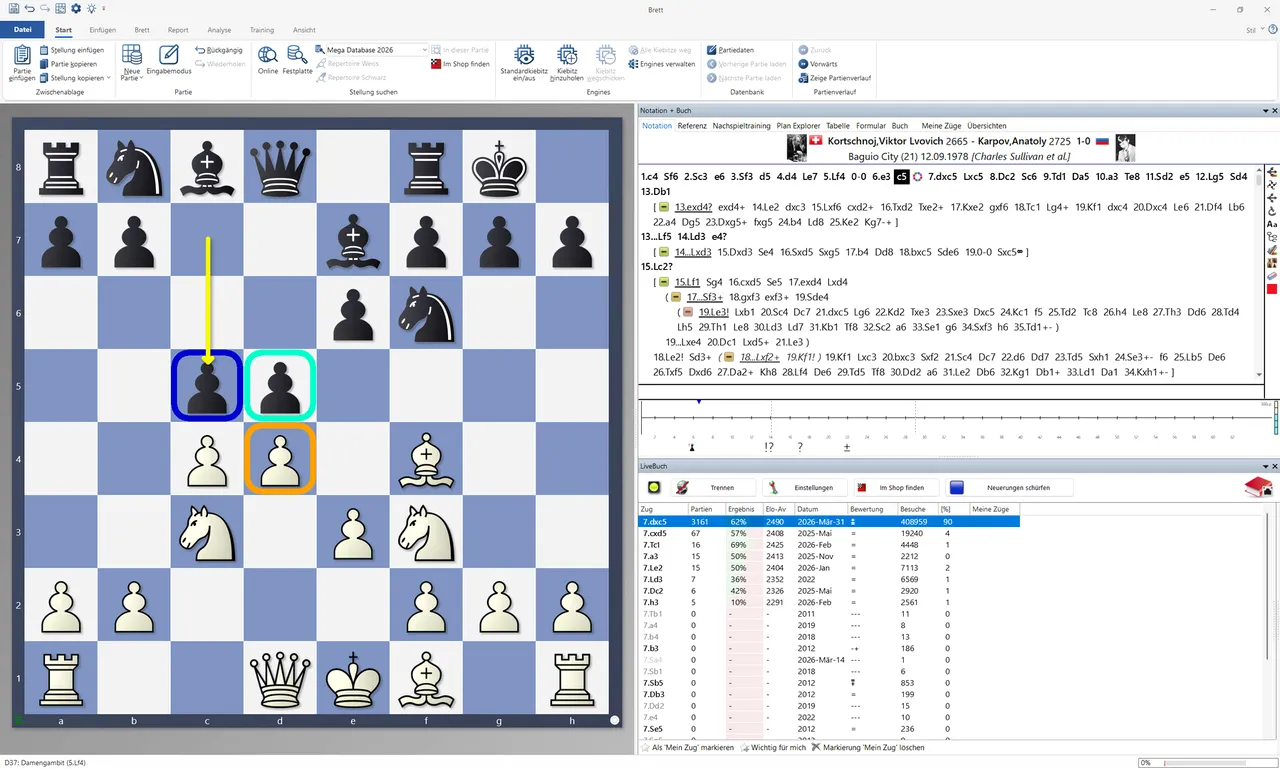
The centrepiece of this release date's update is the new Opening Report, a function that disaggregates variation statistics by Elo range rather than collapsing all play into a single aggregate. This matters because the Scandinavian Defence, for instance, may collapse at 2700 Elo but remain a viable drawing tool up to 1800 Elo, a distinction the old unified success rate erased. Three features work in tandem here: the Opening Report itself examines which piece moves and pawn advances define each variation, the reference search shows where pieces typically land across historical games, and Monte Carlo analysis maps the most common movement patterns directly onto the board.
The design choice reflects a shift in how serious amateurs approach openings. Rather than chase engine-validated mainlines, many players seek openings with clear strategic themes, the London System being the canonical example. ChessBase '26 SE addresses that by making it simple to ask not whether a move wins, but what it is trying to accomplish at your own rating level and whether stronger players rely on the same plans.
Compatibility and Positioning
The release date of July 20, 2026 places this as an incremental update rather than a foundational redesign. ChessBase already owns the chess database market; the question is whether clearer opening insight pushes existing users to upgrade or whether the refinements stay too narrow for casual players. The software runs on PC and targets anyone serious enough about chess to want a systematic way to study positions, opening theory, and master games—a category that includes serious amateurs and professionals, but excludes the casual app-based crowd.
Buy this at launch if you already maintain a ChessBase subscription or database and study openings seriously enough that understanding variation success rates by your skill level would change how you prepare. Wait for a sale or skip if you are content with free engines and online training tools, or if you play casually enough that aggregate opening statistics already answer your questions.
System requirements
Minimum
- OS
- 10
- Processor
- CPU with 4 Threads
- Memory
- 8 GB RAM
- DirectX
- Version 12
- Network
- Broadband Internet connection
- Storage
- 1 GB available space
Recommended
- OS
- 11
- Processor
- CPU with 8 Threads
- Memory
- 16 GB RAM
- DirectX
- Version 12
- Network
- Broadband Internet connection
- Storage
- 1 GB available space






No comments yet. Be the first to share your thoughts.