
About Behind the Screen
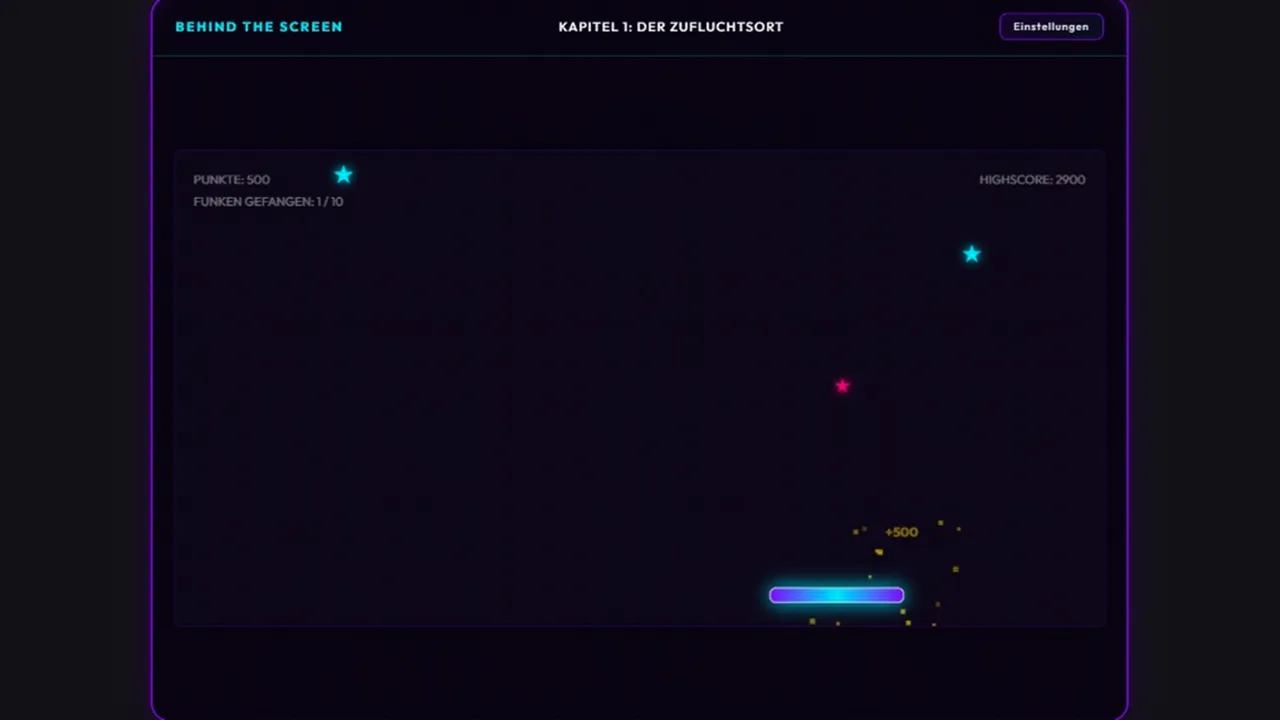
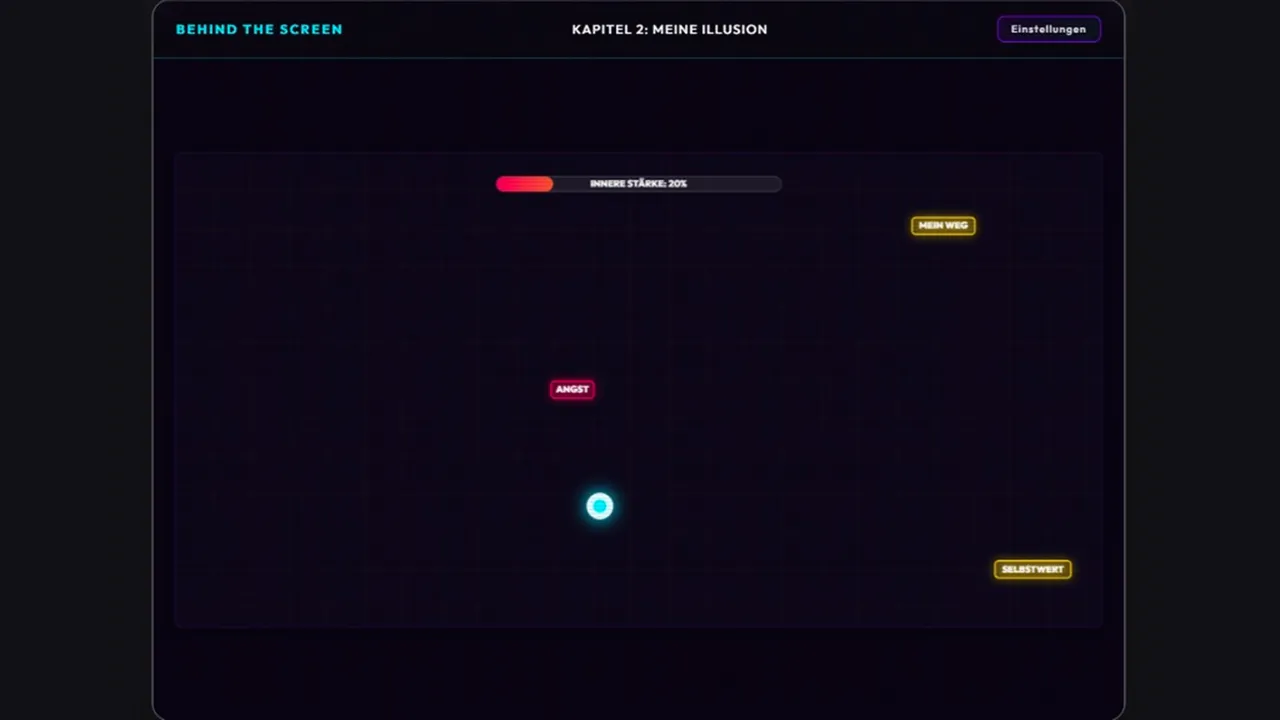
Behind the Screen is built on a deliberate tension between two incompatible worlds: the draining social pantomime of real life and the temporary refuge of pixelated distraction. The release date for Behind the Screen is July 17, 2026, on PC and Nintendo platforms. The core loop is deceptively simple—each day, you make choices that spend Jonas' willpower, a finite resource that can drop to zero, while separately playing fast-paced retro minigames on a virtual monitor that offer escape but no lasting solution. The game stakes everything on whether that friction between two genres can sustain narrative weight across multiple chapters.
Managing the Facade
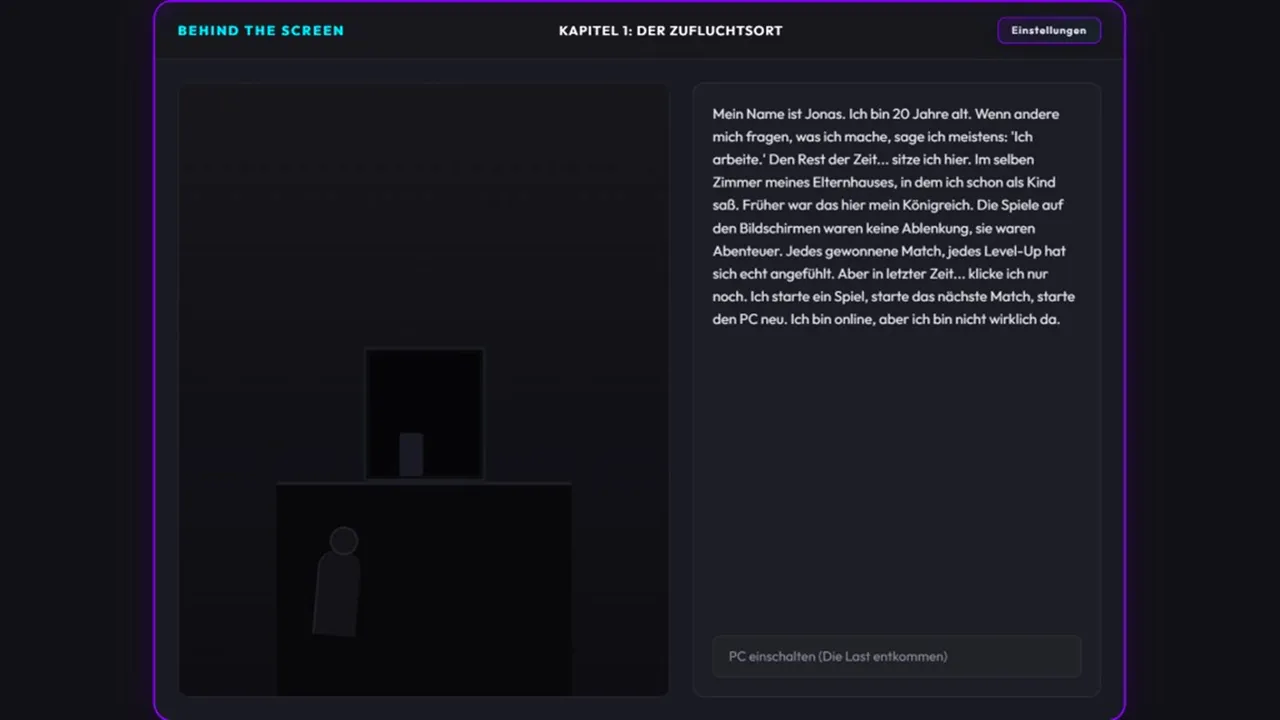
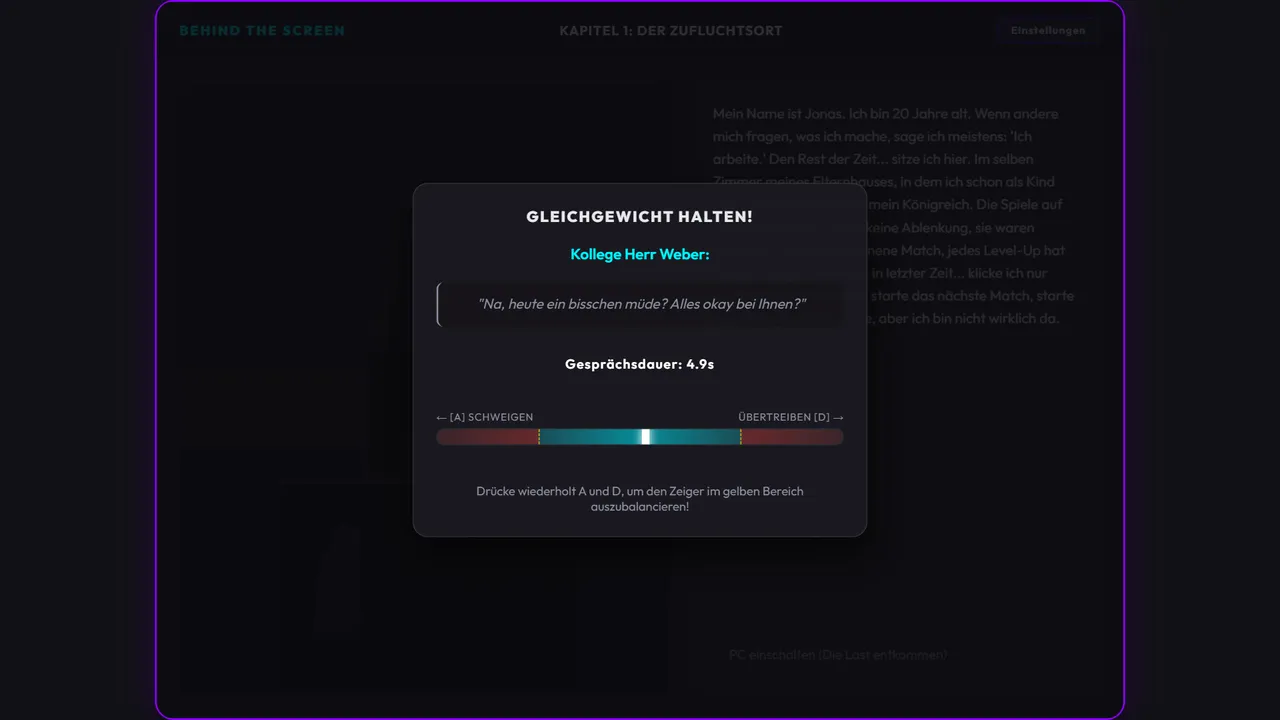
The real-life sequences demand trade-offs. Every interaction—a text to family, a conversation with colleagues—drains energy, and you must decide whether maintaining the appearance of stability is worth the cost. That system echoes choice-driven narrative games, but the twist is material: willpower is not a moral meter or a reputation slider, it is a literal stamina bar that governs whether Jonas can keep up the daily pretense. The game is asking a specific question about depression that most narrative games avoid: not what choices lead to the best ending, but whether it is possible to perform normalcy while falling apart, and what happens when you run out of fuel to do both.
Escape and Its Limits
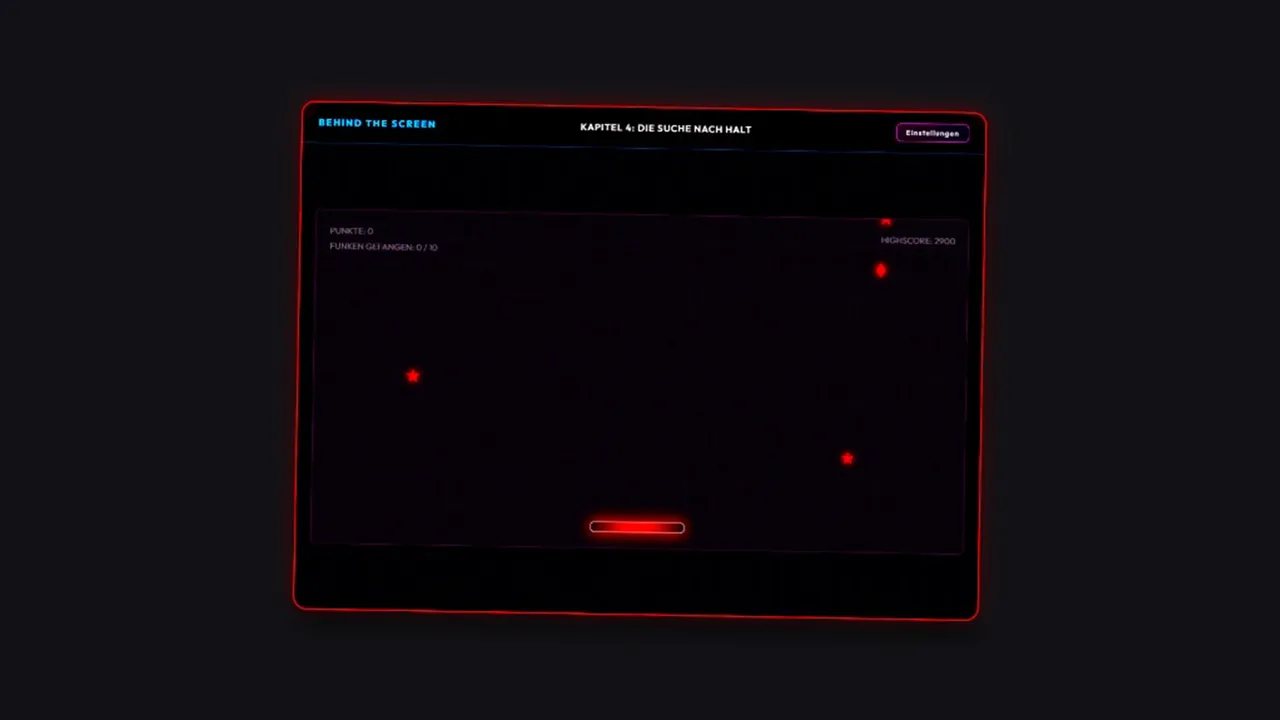
When willpower depletes, the monitor becomes not a reward but a necessity. The retro minigames are framed as distraction, not progression—a way to temporarily silence reality rather than solve it. That framing is the design risk. Whether a player will find the tonal whiplash between introspective choice and fast-paced pixel action genuinely meaningful or simply disjointed depends entirely on whether the game can make clear that the escape is the problem, not the solution. The release date approaches with that question unanswered: can a casual indie game sustain tension on a willpower economy for the length of Jonas' story, or will the minigames feel like filler between narrative beats.
This is for players drawn to games that treat mental health as a systems question rather than a cutscene confession, and for anyone who has felt the specific exhaustion of performing stability in public. Skip it if you need a game that resolves its central conflict or offers optimism at the close.
Themes
Features
System requirements
Minimum
- OS
- Windows 10 (64-Bit) oder neuer
- Processor
- Intel Core i3 oder AMD-Äquivalent
- Memory
- 4 GB RAM
- Graphics
- Intel HD Graphics 4000 oder gleichwertig (mit WebGL-Unterstützung)
- DirectX
- Version 11
- Storage
- 200 MB available space
- Sound Card
- Standard Windows-kompatible Soundkarte
- Additional Notes
- Optimiert für 1920x1080. Kopfhörer werden für die beste Audio-Atmosphäre empfohlen.
Recommended
- OS
- Windows 10 / 11 (64-Bit)
- Processor
- Memory
- 8 GB RAM
- Graphics
- NVIDIA GeForce GTX 660 / AMD Radeon HD 7850 oder besser
- DirectX
- Version 11
- Storage
- 300 MB available space
- Sound Card
- Standard Windows-kompatible Soundkarte
- Additional Notes
- Kopfhörer dringend empfohlen, um die dichte Audio-Atmosphäre voll auszuschöpfen.



No comments yet. Be the first to share your thoughts.