
About Awakeness: YALDA Night
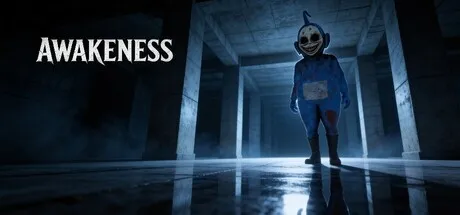
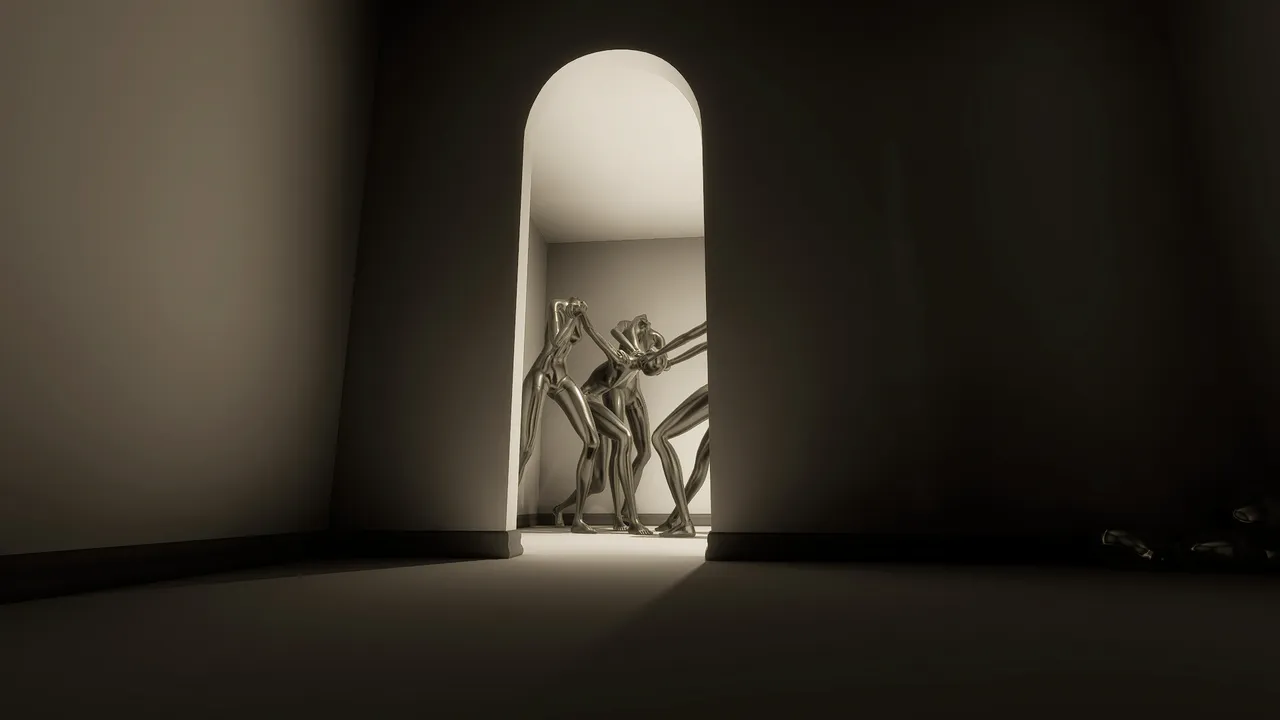
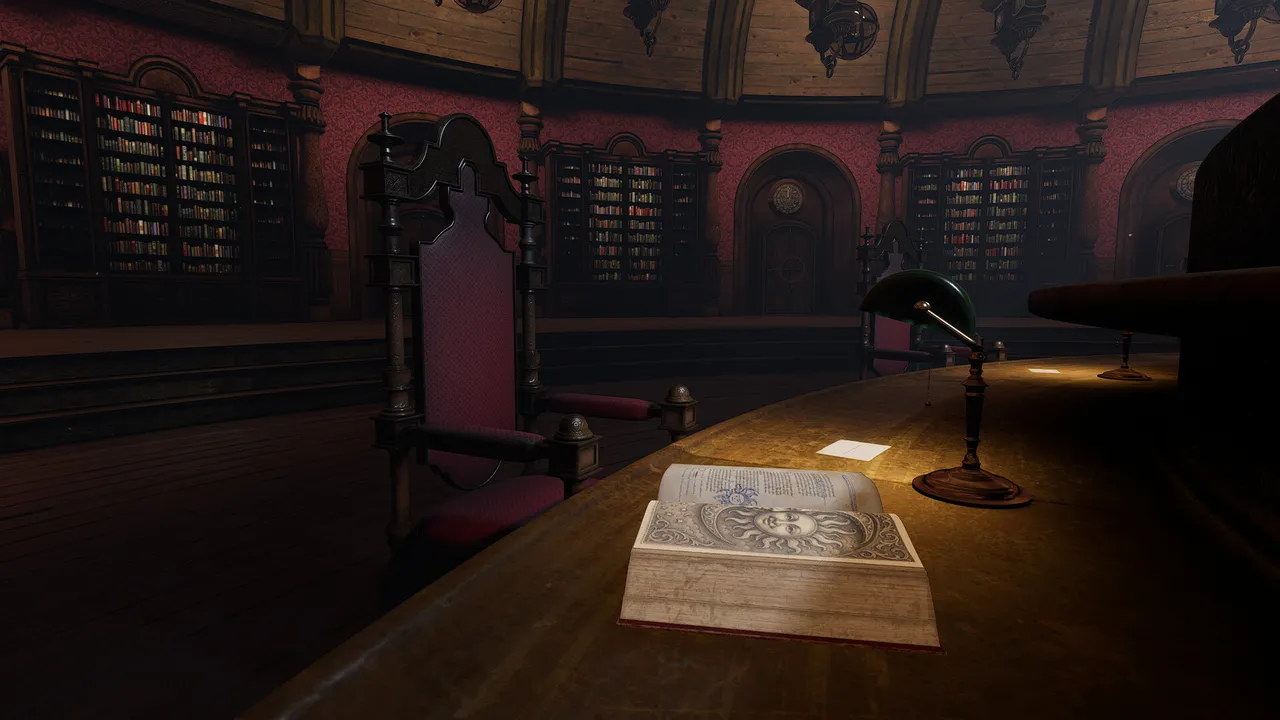
Awakeness: YALDA Night is a first-person psychological horror set in Barzakh, a liminal space between states of being where the familiar becomes geometrically wrong. The release date for Awakeness: YALDA Night is July 18, 2026, arriving on PC. The core mechanic is not combat or frenetic escape but patient observation: you navigate looping corridors and distorted rooms by reading environmental clues, manipulating light and shadow, and staying hidden from something you never clearly see.
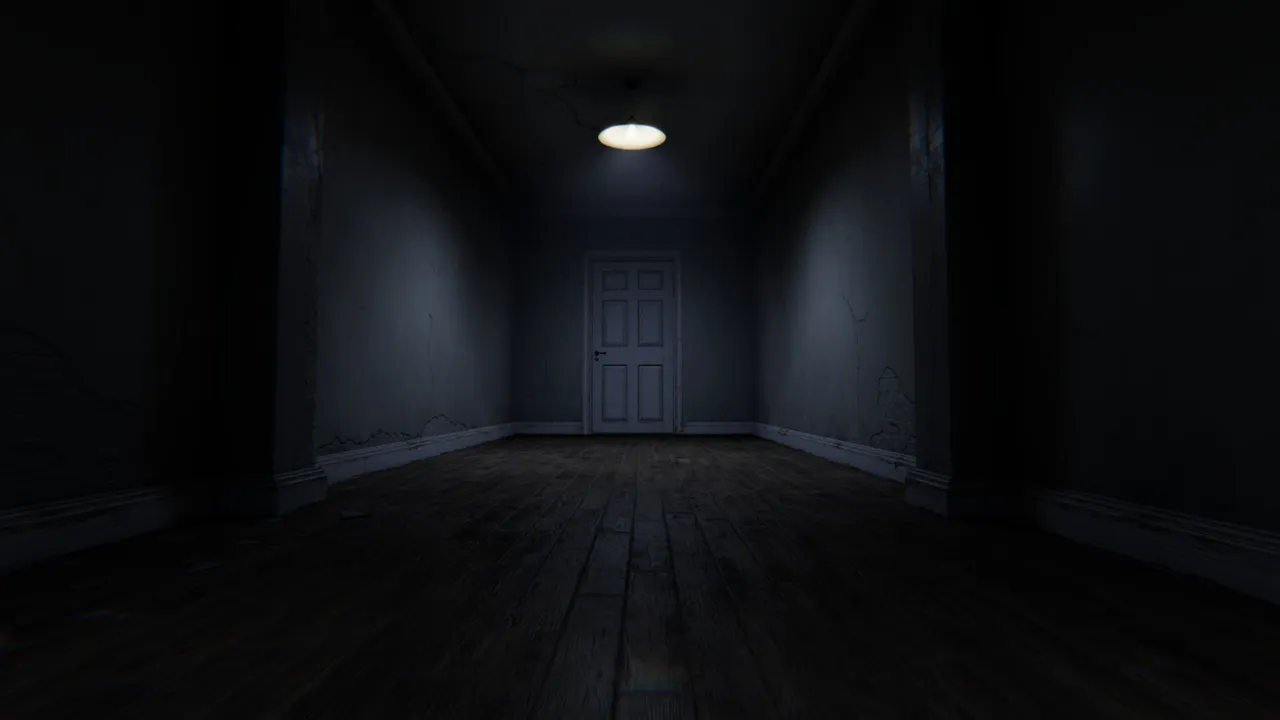
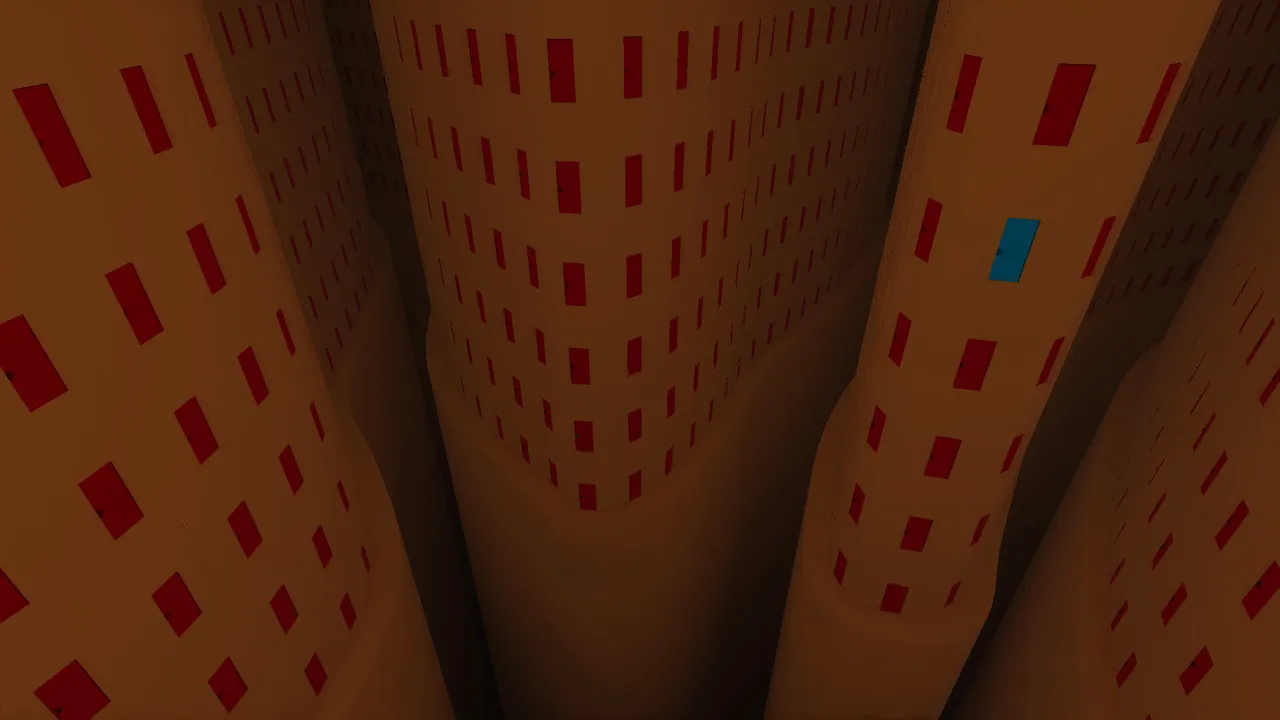
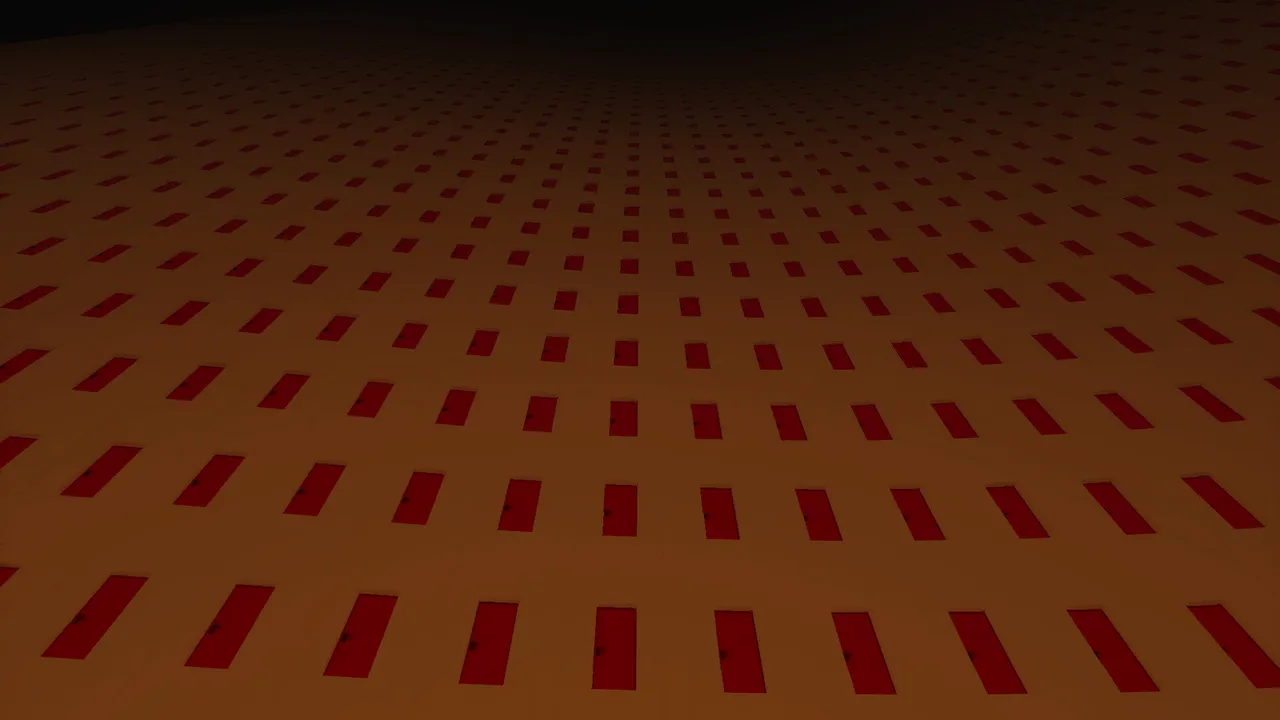
What distinguishes this from conventional horror-adventure games is that Barzakh itself is the puzzle. Space does not behave like architecture; it folds, loops back on itself, and shifts gravity without warning. Progression hinges on understanding the logic of the place rather than following breadcrumbs—you must observe how the environment reacts to your presence, notice which paths repeat, and piece together the rules of a reality that operates on dream-logic. This is exploration as detective work, where missing a detail means walking in circles, and the only tool you have against the unseen presence stalking you is stealth, light management, and the knowledge of where you have already been.
Puzzle Design Built on Perception, Not Mechanics
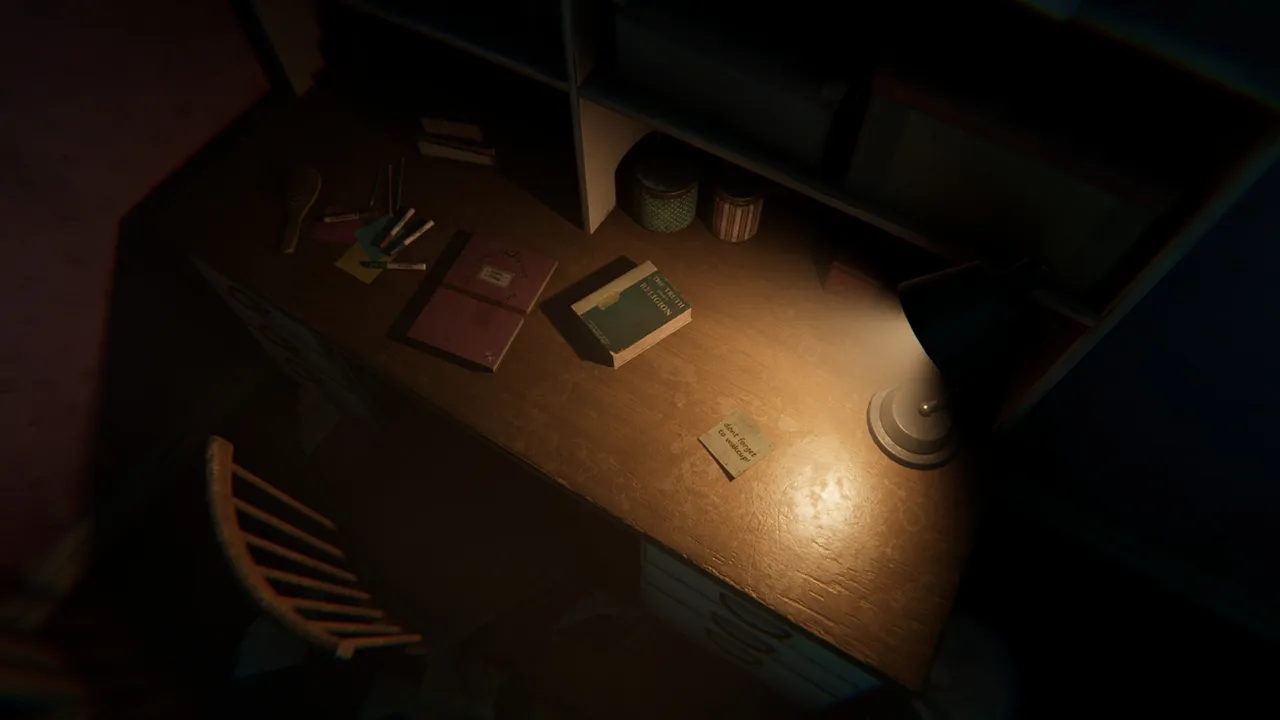
Environmental and perception-based puzzles form the backbone of progression. Rather than collecting keys or matching symbols, you solve by watching—by noticing that a corridor you passed earlier now leads somewhere new, or that dimming a light source reveals a path hidden in shadow. This approach courts a real risk: if the logic feels arbitrary or if environmental detail is unclear, players will hit dead ends not from failure but from misreading the space. Success depends entirely on whether Mind Ashes can make Barzakh legible enough to feel solvable but strange enough to feel genuinely wrong.
The semi-linear world design, built from interconnected spaces that unlock as you explore, means there is no single solution path. Your release date from one section may differ from another player's based on where you looked and what you noticed. For players accustomed to objective markers and explicit goals, this uncertainty is either meditative or frustrating; there is little middle ground.
Stealth and Light as Survival
You have no weapons and no health bar—only the ability to hide, to manage light sources, and to move quietly. The unseen presence tracking you operates on rules you must learn through trial and evasion, never through instruction. This restraint is deliberate. It shifts horror away from jump-scares toward dread, the kind that builds when you cannot see a threat but sense it is aware of you.
Awakeness: YALDA Night is for players who want horror that asks them to think and watch rather than react, and who welcome uncertainty as part of the experience. Anyone after traditional level progression, combat feedback, or clear narrative exposition should wait. The game's entire weight rests on whether the dream-logic of its setting remains engaging across an unknown playtime, not just for a demo. That is the test it must pass.
Features
System requirements
Minimum
- OS
- Windows 10 64-bit
- Processor
- Intel Core i5-4460 / AMD FX-6300
- Memory
- 8 GB RAM
- Graphics
- NVIDIA GTX 960 / AMD R9 280 (2 GB VRAM)
- DirectX
- Version 11
- Storage
- 5 GB available space
Recommended
- OS
- Windows 11 64-bit
- Processor
- Intel i7 / Ryzen 5
- Memory
- 8 GB RAM
- Graphics
- RTX 2060
- Storage
- 5 GB available space





No comments yet. Be the first to share your thoughts.