
About Again. Faster!
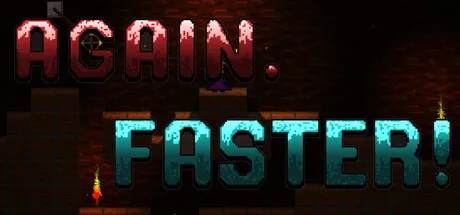
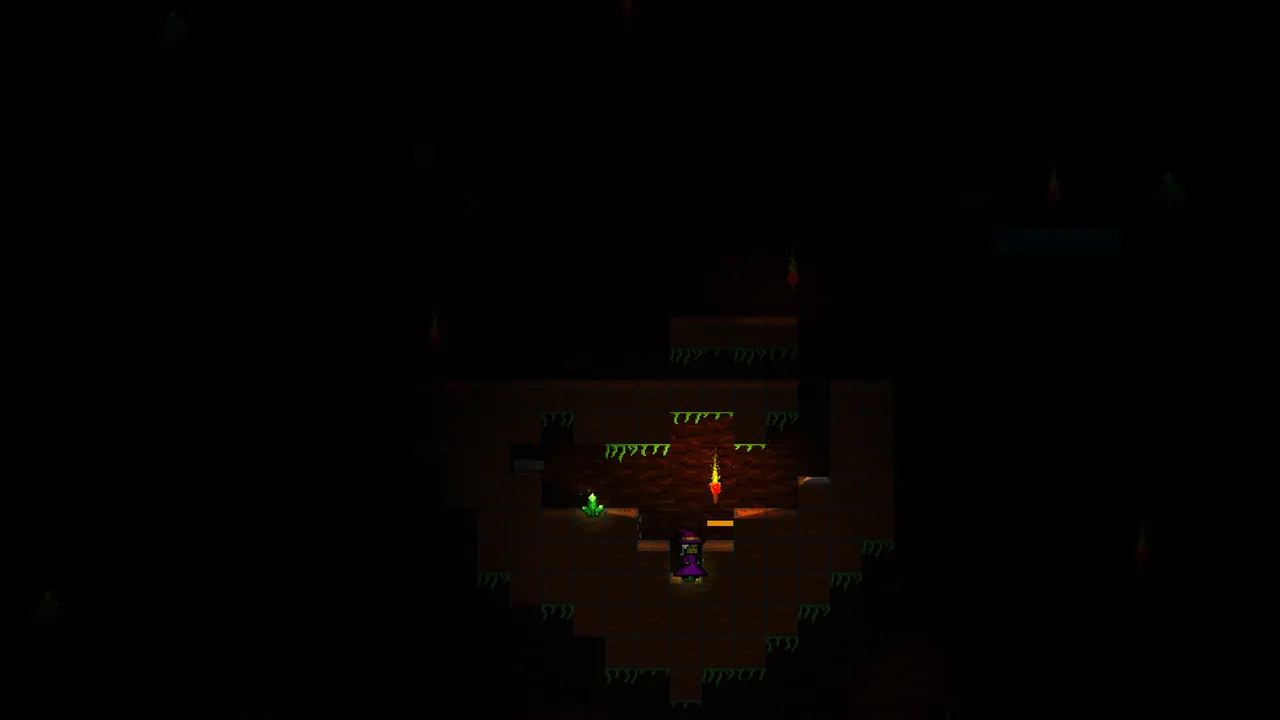
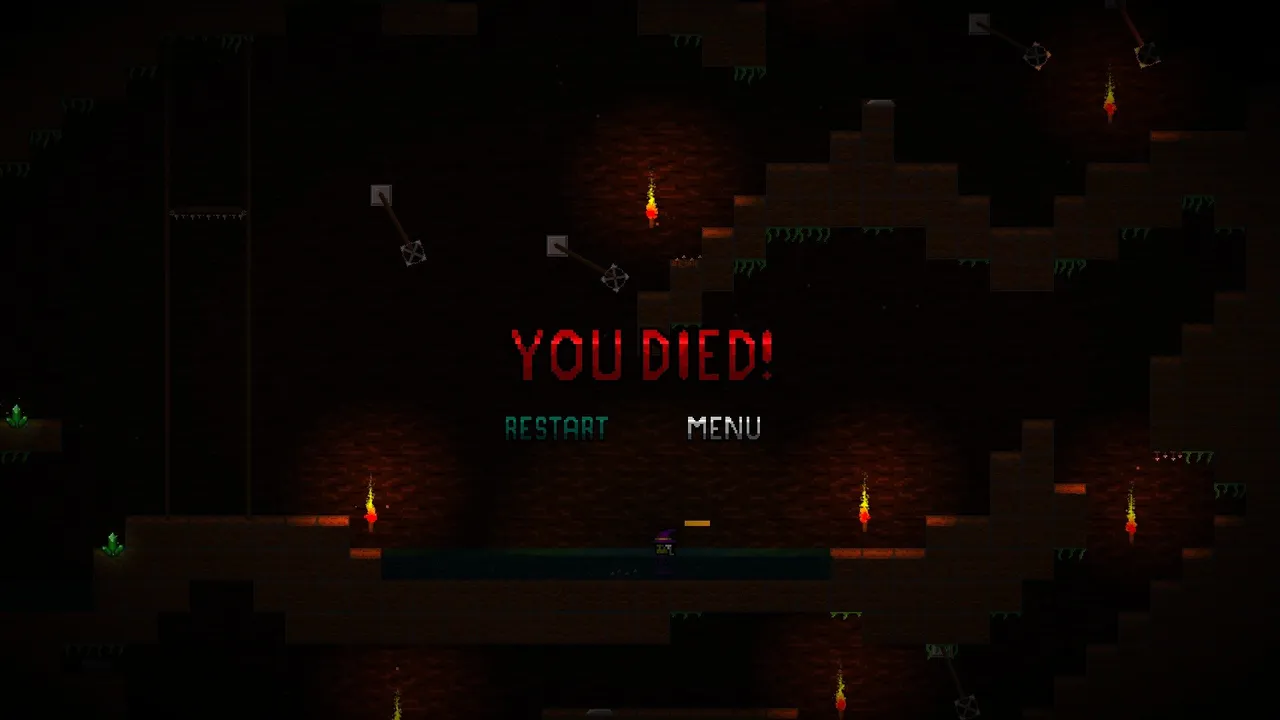
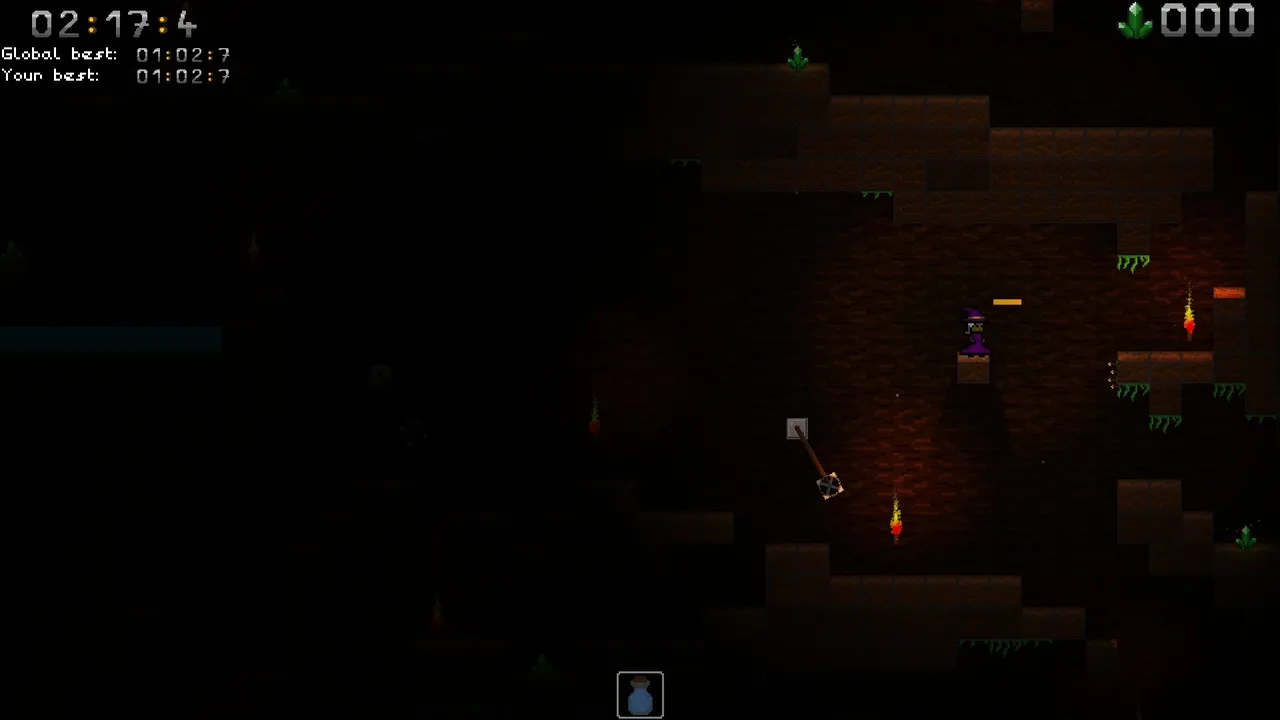
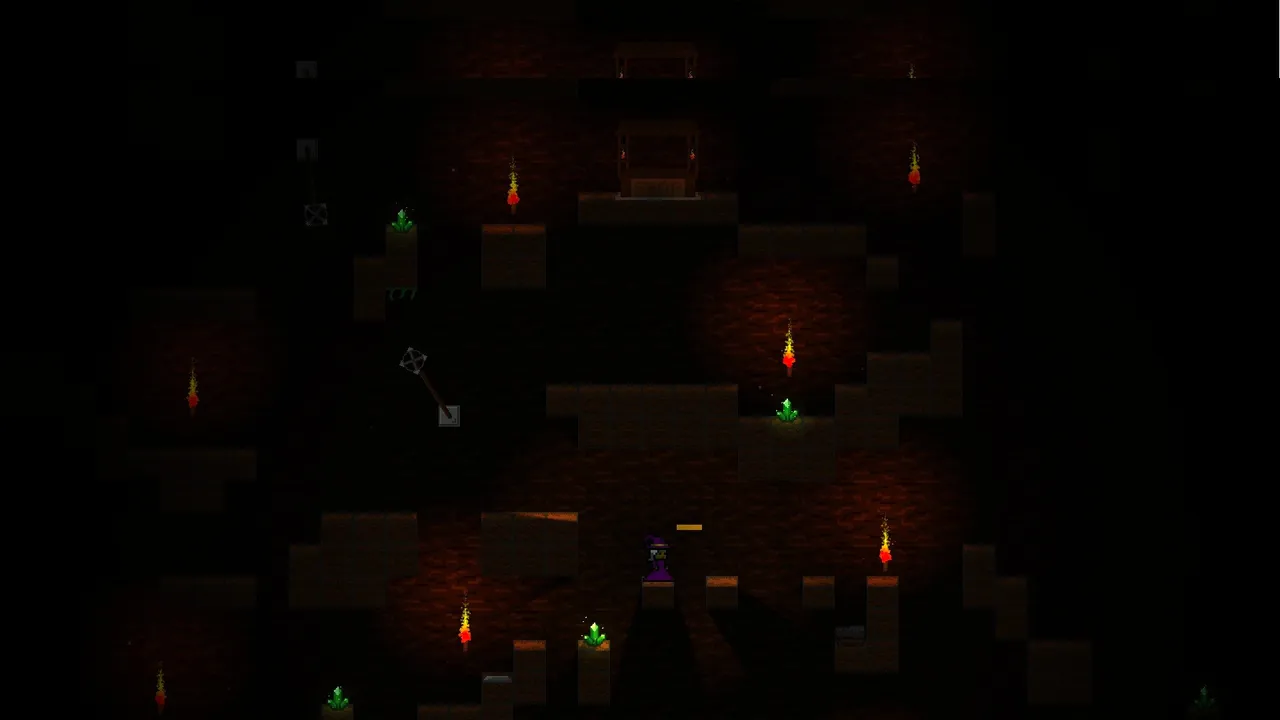
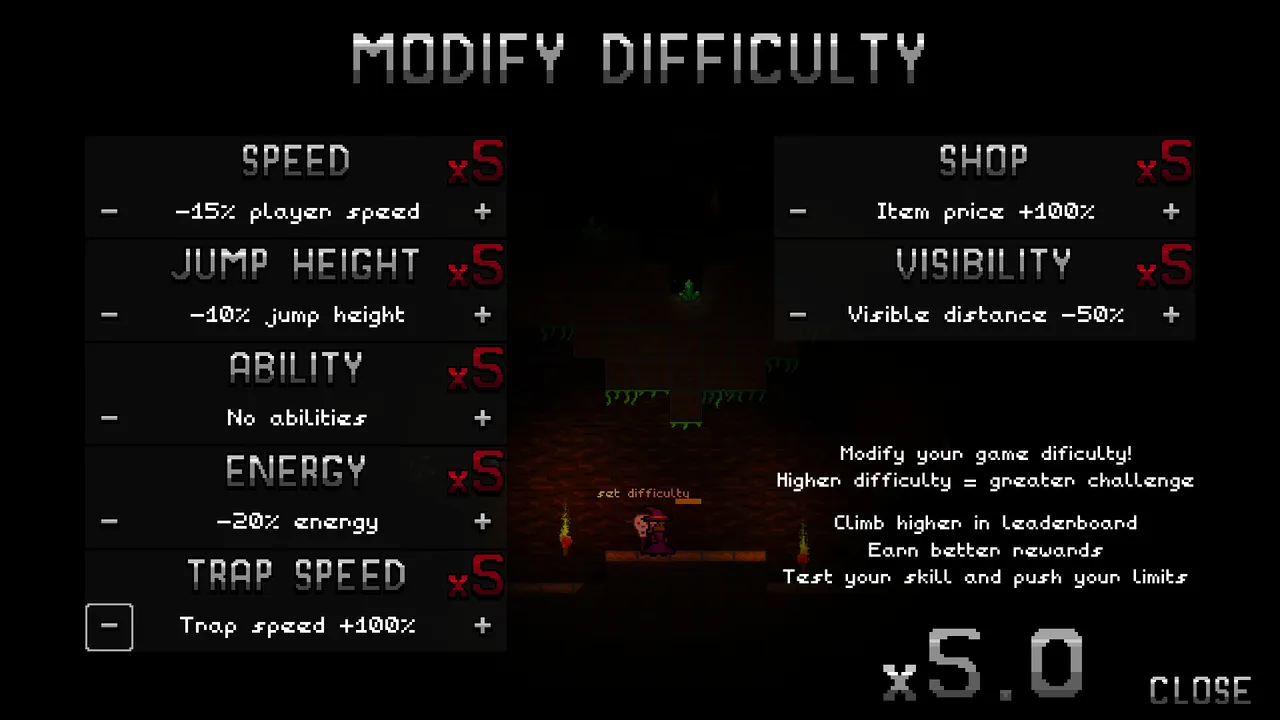
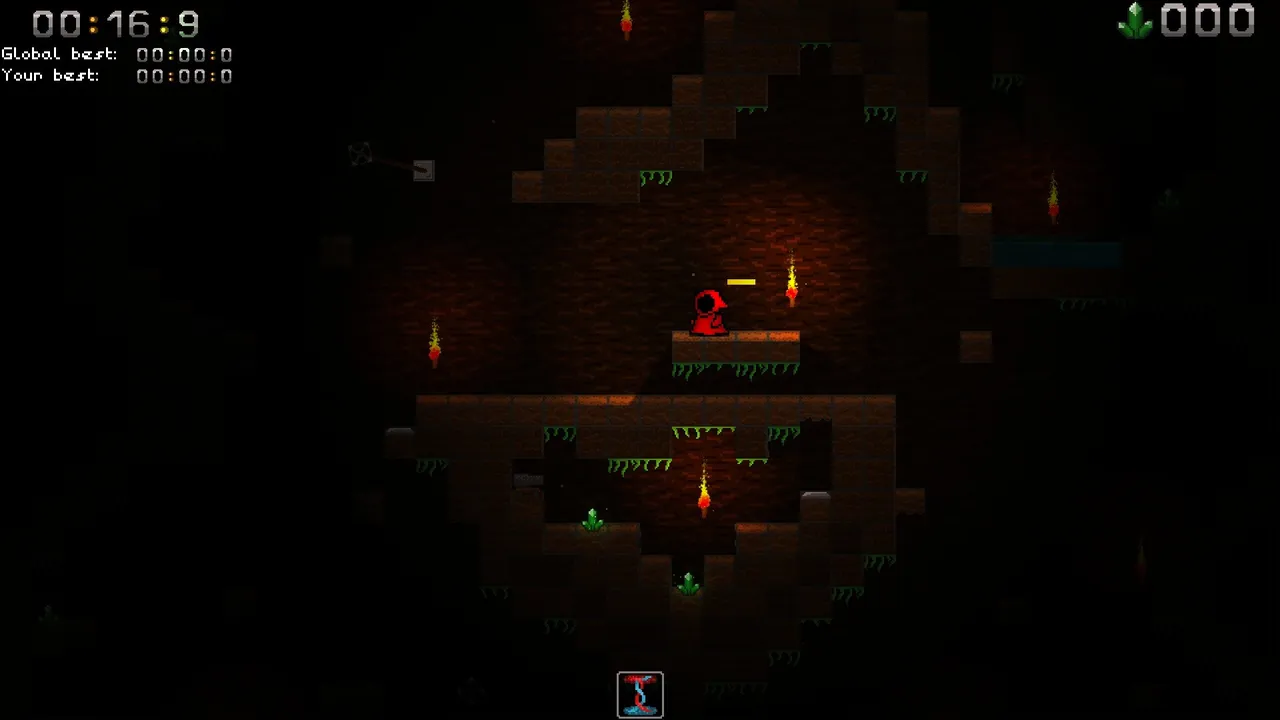
Again. Faster! launches on PC on July 18, 2026 as a 2D precision platformer built around the central loop of failing, upgrading, and retrying the same maps faster. The core tension is simple: each run teaches you the layout, but the clock never stops, and the leaderboards never reset. Every attempt matters because improvement compounds directly into ranking position.
The game chains three systems together to shape every session. You choose a character before each run and spend currency earned from previous attempts on permanent upgrades—likely speed, damage absorption, or recovery options that ease the baseline difficulty incrementally. Between those character tweaks, you are memorising hazard patterns, shaving frames from your best time, and chasing the muscle memory that separates top-ranking players from the rest. The friction point is whether the upgrades unlock enough breathing room to prevent runs from feeling identical, or whether they become a grind gate that stretches sessions longer than the core loop can sustain.
Repetition as the central mechanic
Unlike roguelikes where procedural generation or deck-building diversity absorbs replays, Again. Faster! anchors itself to fixed map knowledge and personal time improvement. That is a bold and narrow design choice. The entire experience hinges on whether the developer can keep a single map tense for dozens of attempts—whether hazard placement, character positioning, and upgrade pacing stay engaging as you chase milliseconds. The release date for this game falls in mid-summer, a window crowded with precision platformers, which means the execution here needs to stand out through either map design or character variance rather than novelty alone.
Leaderboard competition is the stated pressure valve, but global rankings only reward the top fraction of players and mean nothing to someone chasing a personal best or a regional slot. The honest question is whether Again. Faster! finds enough replay value in the upgrade loop and map design for solo players who have no interest in competing for position 47,000.
This is built for players who relish tight control, tight feedback, and grinding specific skills. Anyone after a more forgiving platformer or who tires of the same environment after a dozen attempts should skip it.
Features
System requirements
Minimum
- OS
- Windows 10
- Processor
- Intel Core i3-2100 / AMD FX-4300
- Memory
- 2 GB RAM
- Graphics
- Intel HD Graphics 4000
- DirectX
- Version 11
- Storage
- 500 MB available space
Recommended
- OS
- Windows 10 / 11
- Processor
- Intel Core i5-6600 / AMD Ryzen 5 1600
- Memory
- 8 GB RAM
- Graphics
- NVIDIA GTX 1050 / AMD RX 560
- DirectX
- Version 11
- Storage
- 1 GB available space





No comments yet. Be the first to share your thoughts.